‘There’s a lack of education here.’ Local swimmers react to Olympic ban of SOUL CAP brand
READ MORE
2020 Summer Olympics: North Carolina athletes
Here’s a look at The News & Observer and The Charlotte Observer’s coverage of athletes with ties to North Carolina competing at the 2020 Summer Olympics in Tokyo in 2021.
Expand All
As a child growing up in Raleigh, Blair Cross styled her hair in braids and fit it into her latex swim cap to go along with her Swedish goggles.
Oftentimes, the cap would fall off and her parents had to help her readjust it and put it back on. For Cross, it was never about the cap, but rather the love of the sport. Hard work was her best asset.
“Your goal for any sport is to do the best you can. In swimming, it’s to be the fastest you can in the water,” Cross - the former NCAA honorable mention All-American - said. “It doesn’t really matter what color you look like or where you come from.”
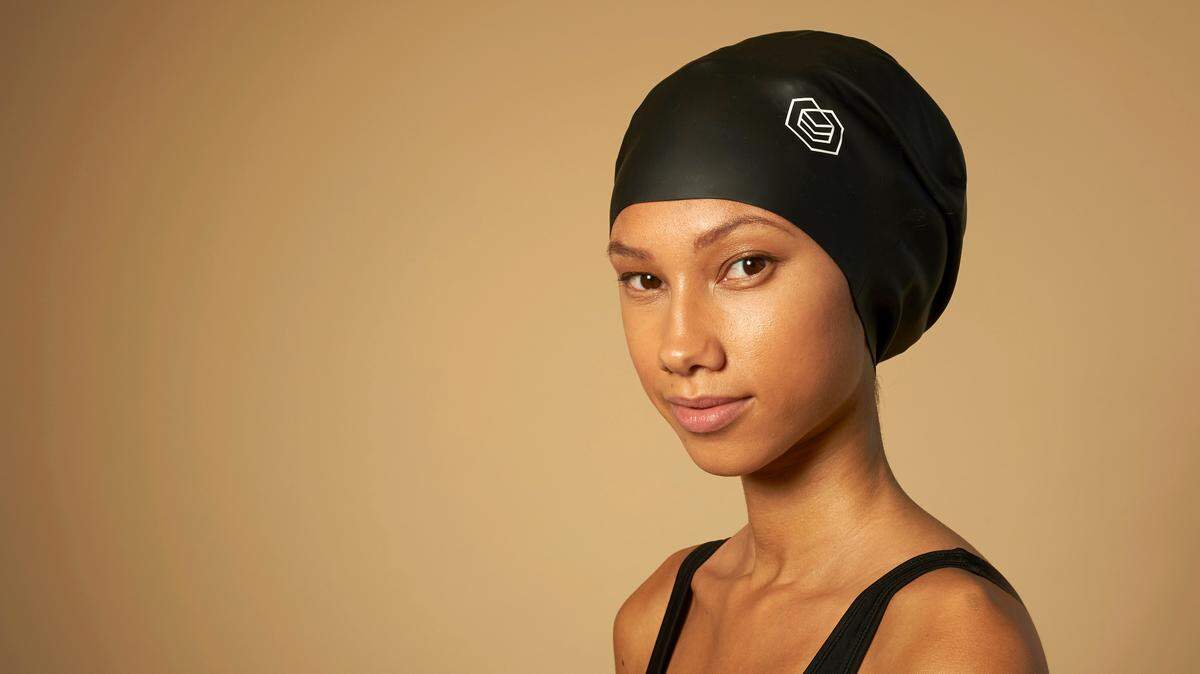
Recently, swim caps from the brand SOUL CAP were banned from the 2021 Olympics in Tokyo. Reasons cited for the ban included the claim that the caps do not fit the “natural form of the head” and that “caps of such size and configuration” are not necessary for Olympic swimming events. This decision was met with much opposition on social media, with people pointing out the discrimination against African-American swimmers, whom the caps were primarily made for.
The nature of the ban bothered Candace Cooper, who was the first Black female swimmer in the history of UNC-Chapel Hill.
“How they are addressing it, there’s so many racial undertones there,” Cooper said “That’s extremely maddening. I think that there’s no competitive advantage to it. But it almost made it like an excuse as to why they banned it. And it was kind of complete BS.”
Cooper said that she did not get as upset as others upon first hearing the news, though she did still hold a level of disappointment toward the banishment of SOUL CAP. With her swimming experience — including an appearance in the Olympic Trials in 2016 — she does not think that the issue of swim caps is the top priority for the sport. However, she does feel that this situation can bring about a larger conversation to help swimming.
“It’s unfortunate, but I think it’s just a growing moment for FINA, international committees, even USA Swimming to recognize that we have to expand our diverse thinking in what hairstyles are in our sport,” Cooper said. “And what’s required of those and how to be most comfortable. It wasn’t upsetting to me, it was more so like, clearly, there’s a lack of education here.”
Cross, who was Cooper’s neighbor growing up and swam at the University of Maryland, felt that the type of cap a swimmer wears is not as important as their ability. While she said she would still use the latex cap instead of the SOUL CAP brand if given the choice, she acknowledged that some swimmers would have a different preference.
“FINA’s responsibility is to maintain the integrity of the sport for all athletes that are participating no matter what race, color, gender, whatever you may be, so that you are able to compete on a fair playing field,” Cross said.
Cooper and Cross’ families help run the National Black Heritage Championship Swim Meet, which had taken place annually since 2000 until the COVID-19 pandemic led to its cancellation last year and this year. The original purpose of the meet was to allow young Black swimmers to come together and learn the basics of swimming while also competing against swimmers on all different levels.
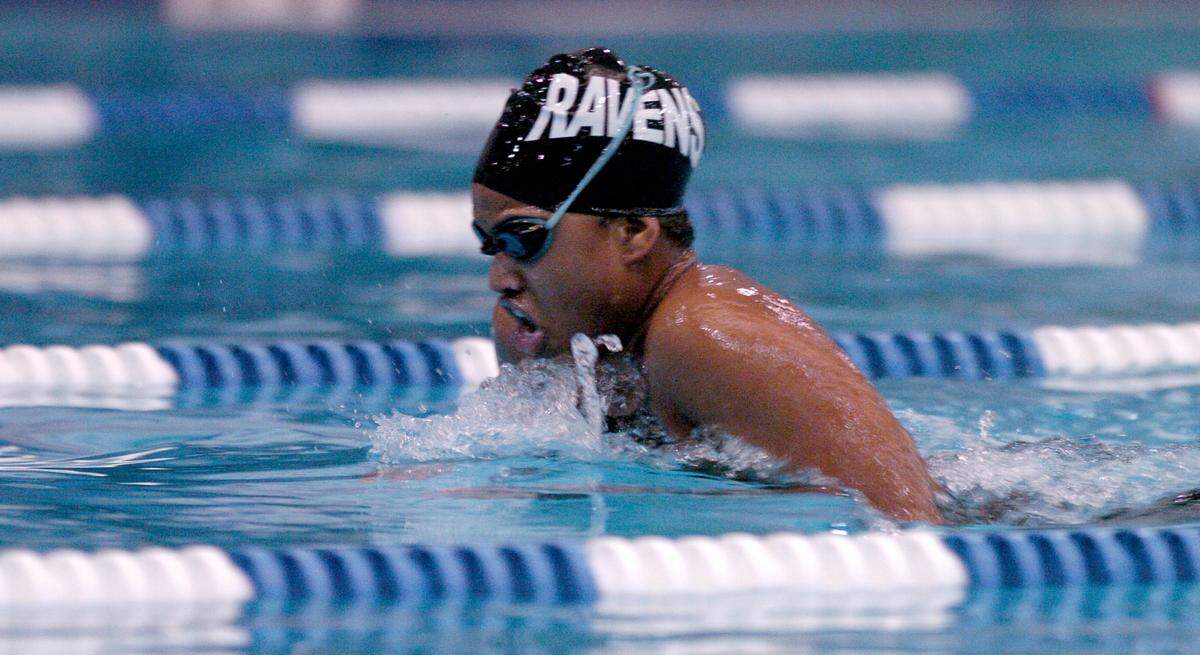
Co-founder Lisa Webb got meets approved by USA Swimming, but they were not sanctioned. This allowed for all types of teams to have the ability to compete. The meet grew from 125 swimmers at the beginning to 1,138 swimmers in 2019. News about NBHCSM mainly spread through word of mouth and flyers.
“And every year I think people must have them on their coffee tables, they bring more and more people every year with them,” Webb said about the growth.
When it came to the news about FINA banning SOUL CAP from the Olympics, she did not understand the problem with the caps given her experience helping young people with their swimming skills.
“If you have a lot of hair, you try to put out your hair in that cap, it is going to be tight,” Webb said. “And there’s been some issues that people have had excruciating headaches. So if this is gonna allow that person to swim, and still swim well, because to me, the way is designed, it almost looks like it might make the swimmer drag. But if it doesn’t, then I don’t see any issue with that type of swim cap.”
Webb was able to try on a cap from the SOUL CAP brand. She said that it stays on well if the swimmer washes their hair and lets it dry naturally. She added that the cap succeeds in its function to keep in a lot of hair.
To Webb, it is up to the swimmer to choose the equipment that works best for them, as well as their hairstyle.
“Braids were convenient,” Webb said. “The SOUL CAP is a convenience for that swimmer. That’s really all it is. Just like the silicone cap is and the latex cap is. So there’s no reason that it needs to be banned from the Olympics because it’s a convenience.”
When it comes to the caps, Cooper thinks allowing them in the Olympics can lead to more diversity in the sport and inclusion of swimmers who may not have started without more accommodating caps.
“There’s now a great resource for you to use as part of your daily routine and help kids learn a life skill that’s so essential,” Cooper said. So I’m hoping that it starts at the core, base level and then just grows from there.”
Cross expressed a similar thought, with the sport expanding worldwide. She added that she hopes FINA reverses the ban on SOUL CAP.
“The sport’s growing, you can see with the array of minority swimmers that have made it to the Olympics,” Cross said. “And it’s just encouraging other swimmers to want to train and want to compete on a higher level.”
This story was originally published July 16, 2021 at 10:41 AM with the headline "‘There’s a lack of education here.’ Local swimmers react to Olympic ban of SOUL CAP brand."


.JPG)