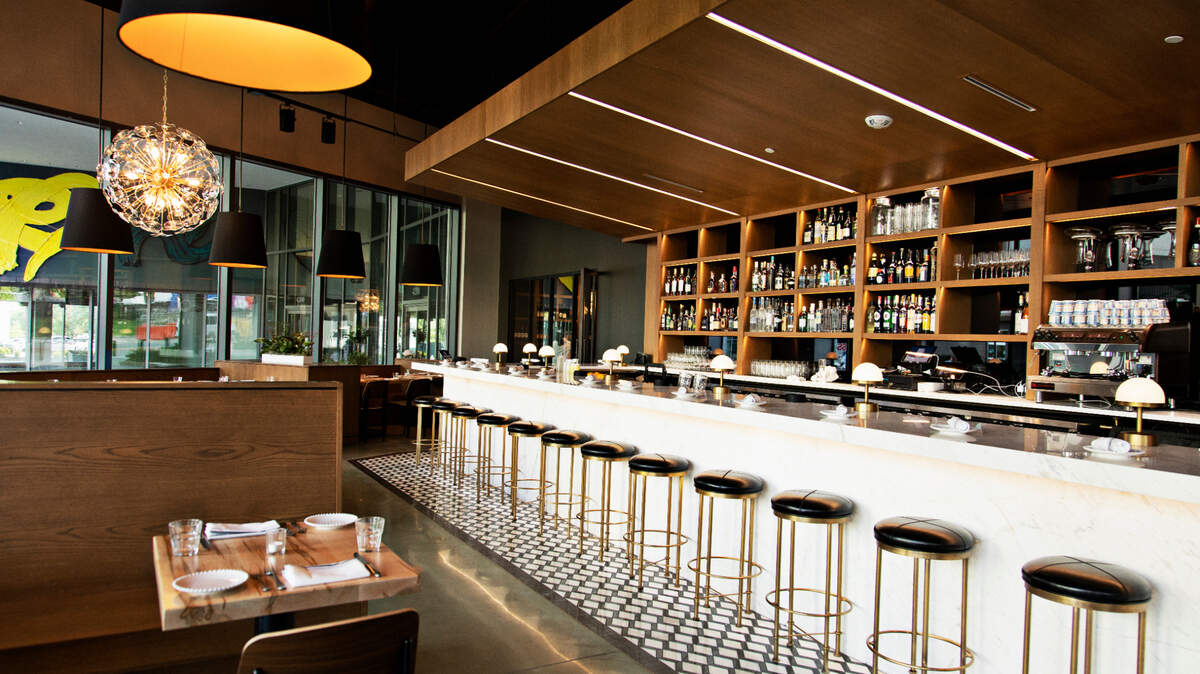
Despite COVID surge, restaurant employees have to act like everything’s normal
READ MORE
The COVID Burnout
It has been almost exactly two years since the U.S. Centers for Disease Control and Prevention identified the nation’s first lab-confirmed case of the coronavirus. Today, COVID cases and hospitalizations continue to climb. The News & Observer recently spoke to people in the Triangle about how they are handling the stress of this pandemic. Here are their stories in our special report: The COVID Burnout.
Expand All
What’s COVID’s effect on the Triangle? Here are 7 reactions, from burned out to dismissive
Despite COVID surge, restaurant employees have to act like everything’s normal
Have pandemic questions and need advice? Ask Josh, our COVID counselor
.jpeg)
‘Best way to describe it is chaotic’: Pandemic reframes UNC student’s college experience
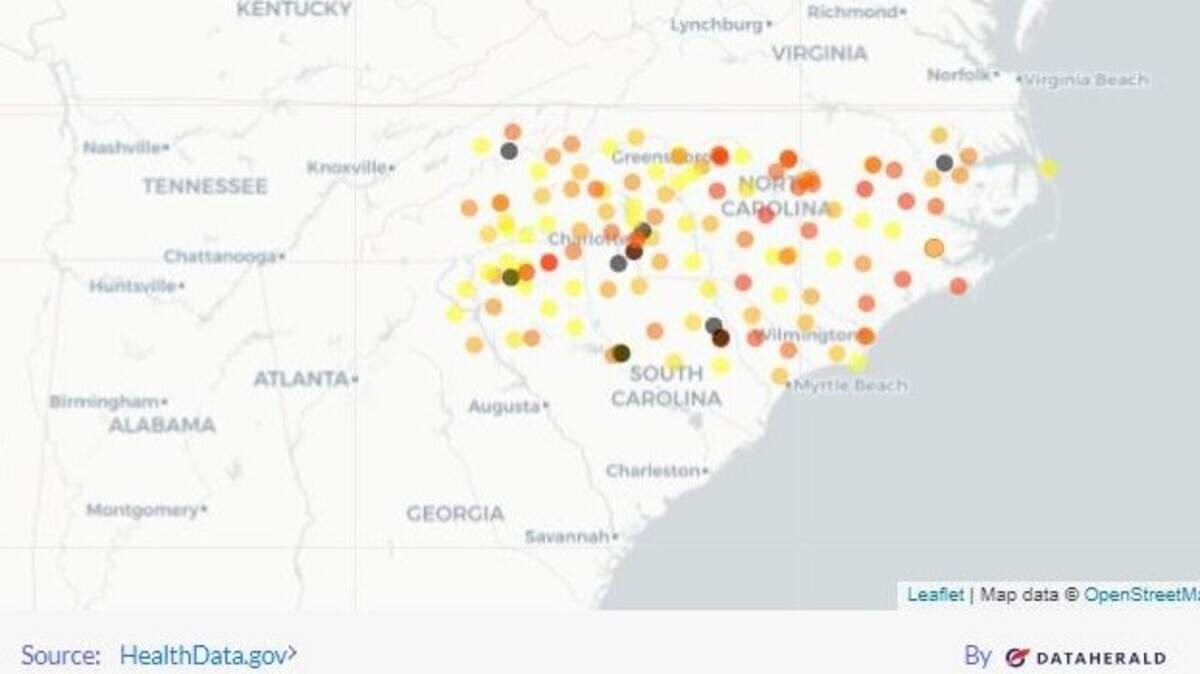
Illustrations show COVID hospitalization data for North Carolina and Triangle
I worked as a server in Chapel Hill for five years. I worked there for most of college, and when I graduated without a job, I used that job to stay in Chapel Hill. When I got my first newspaper job, I worked enough shifts to take my income from “getting by” to “comfortable.”
In March 2020, COVID made its way to North Carolina and restaurants collectively closed down as we caught up with the new normal. I was still a server when restaurants began slowly reopening, when the state introduced to-go cocktails to help finances, then over the summer when masks became optional.
Amid the recent omicron surge, pandemic fatigue has once again infected the general populace. Restaurants have to act normal, even as employees test positive and call in sick. But early pandemic protections are gone, and workers are dealing with a lack of government support and customers whose expectations are almost back to pre-pandemic times.
The relationship between service sector workers and the public emphasizes a silent clause in the social contract: that servers, line cooks, bartenders, and busboys are replaceable, so it doesn’t matter how many get sick.
Trevor Moody, a manager and bartender in Boone, works at one of the only restaurants in town that requires proof of vaccination for entry. Tourism and student absences have also led to a drop in customers this winter. In December, his workplace had to shut down for 10 days after the majority of the staff tested positive for COVID. It meant the entire staff went without pay for those 10 days.
“We just couldn’t run the restaurant,” Moody says. “And the worst part about that is that all the programs to refund people’s pay that the state was running — if they had to take sick leave for quarantine or COVID — all those are expired.”
No one has done a large-scale data analysis of recent closures, but “restaurant + COVID” has seen a spike in Google searches, and there are one-off news stories across the country about restaurants shutting down for days after clusters. Before going to any restaurant, you’ll probably have to check Google, Facebook, and Instagram to make sure they’re open; otherwise you could be met with a note on the entrance door.
Aside from the logistics of a COVID outbreak, restaurant employees are still dealing with unenforceable rules. Connor Shoaf, a manager at a Winston-Salem restaurant, says that COVID fatigue and the ever-changing guidelines from the state and federal governments have made it harder for staff to enforce anything.
“A couple months ago, we were trying to enforce masks,” Shoaf says. “Give them out to customers, make all our employees wear them. Some people would just get incredibly annoyed, and they would leave.”
The annoyances have had real-world financial impacts. “Customer reviews” on Yelp and Google show people furious that they’re being told to put on a mask or adhere to COVID protocol, even if the reviewer has never been. It only hurts the small businesses that depend on a good review score for new customers.
Moody mentioned the anxiety he feels over violence that could arise when asking someone to wear a mask or show their vaccine card. Viral social media posts in the last two years have highlighted the extremes some anti-maskers will go to when asked to follow rules. And if a restaurant gets busy, a short-staffed server staff can’t watch every single patron to ensure they wear a mask when waiting for food or moving around the restaurant.
These stressors could be mitigated by regular testing of staff, better outreach within restaurants to get staff vaccinated, and financial programs that allow restaurants to pay sick leave for their staff without putting themselves at risk of bankruptcy. But, like with all industries, we’re expecting people to continue as normal.
If you haven’t worked in a restaurant during the pandemic, you don’t understand what it’s like. Yet those same employees are called “low-skill” or are told they can “just get another job” because of all the current openings in the service industry.
There’s a complicated balance of trying to keep doing your job as efficiently as you were pre-pandemic, while trying to make sure that you and everyone around you is extra-careful about cleanliness and wearing masks properly, while also knowing that any negative interaction could hurt your paycheck or lead to an altercation.
It’s a risk calculus with no right answer. It’s emblematic of the dismal way society has reacted to a deadly pandemic - and the way it has always seen the service sector. Even though those workers are essential, we’re still treating them as disposable.
This story was originally published January 16, 2022 at 6:00 AM with the headline "Despite COVID surge, restaurant employees have to act like everything’s normal."