Prep for storms like a veteran photojournalist: Here are recommended items on his list
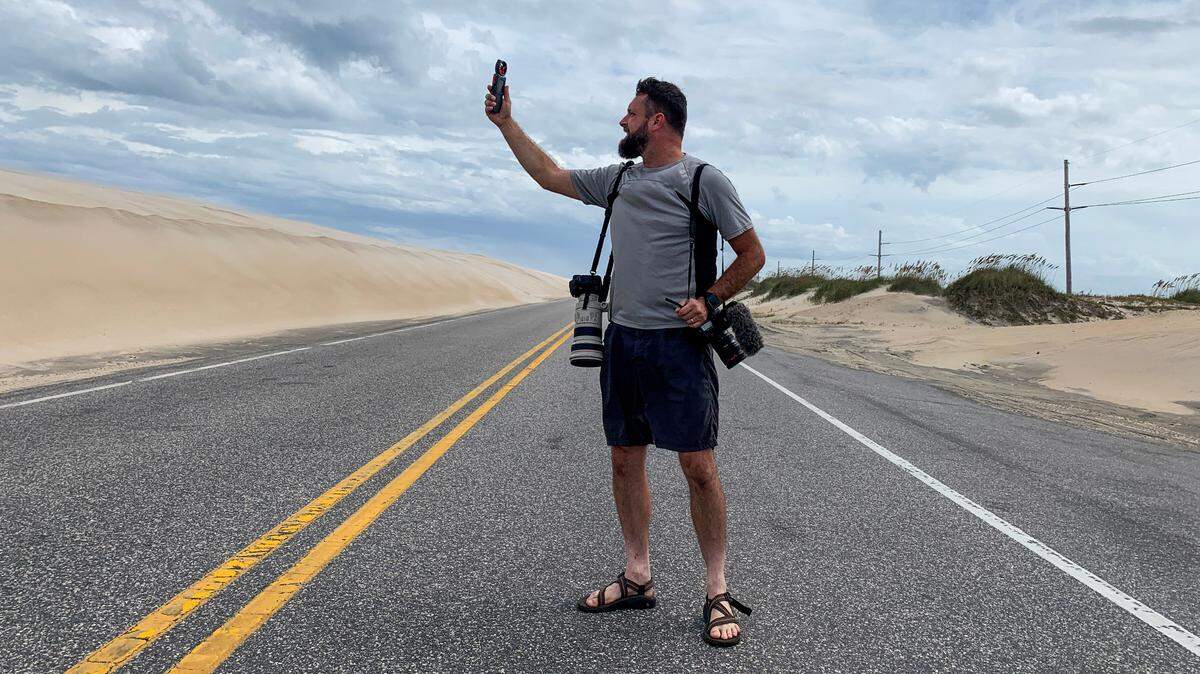
Never open your vehicle door with the strong winds of a storm blowing from behind. Don’t drive through floodwaters. Bring all the socks you think you might need, then bring more.
These are just a few of the lessons photojournalist Travis Long has learned over decades of covering storms. In his time at publications in Florida, plus 21 years and counting at The News & Observer, Long estimates he has reported on more than 20 severe weather events — hurricanes and tropical storms included.
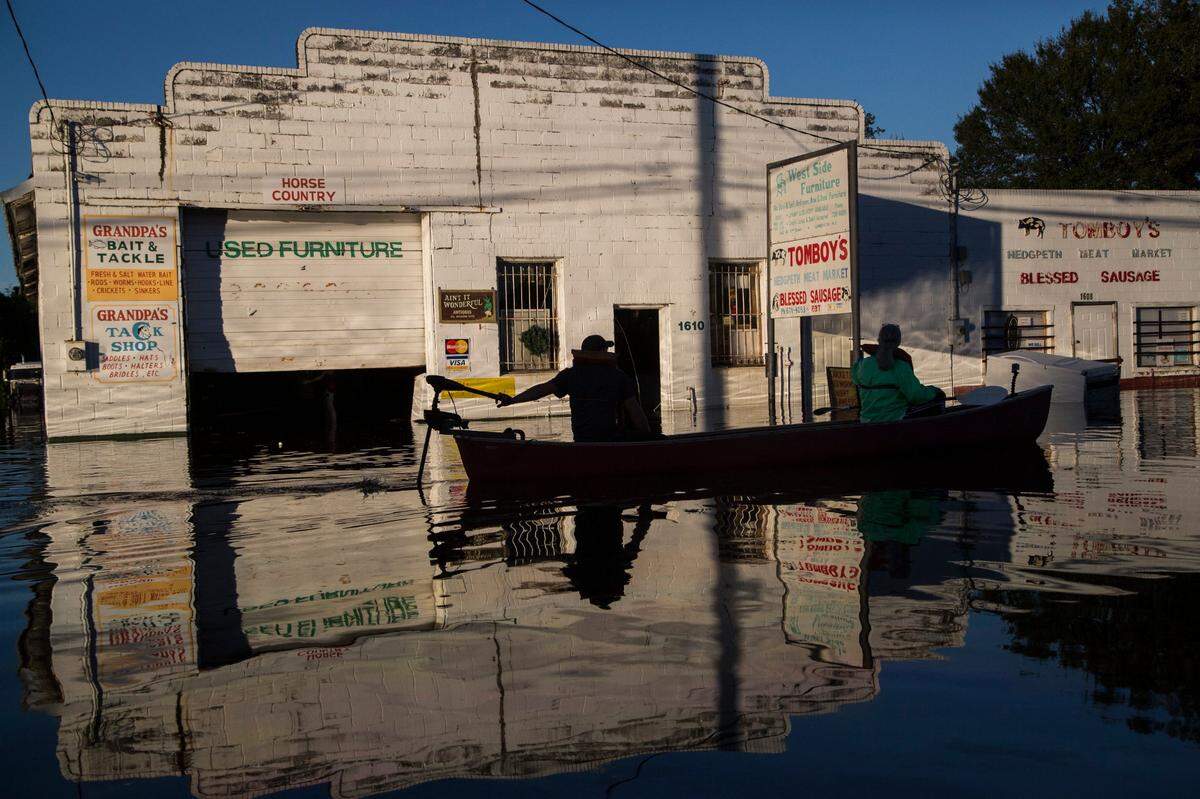
The photos and videos of natural disasters that make their way onto your front door steps, inbox and social media feeds don’t just suddenly appear. Nor do emotional stories from people having some of the worst experiences of their lives.
Journalists like The N&O’s Long go into communities to share those sights and sounds with the world. But it’s not just a matter of having the right equipment and planning ahead that enables reporters to do their jobs. Once in affected areas, a journalist’s behavior toward others is just as important.
“My mantra is to be able to tell their story but not become part of the problem,” Long said.
How a veteran photojournalist prepares for storms
When he began covering storms, he relied on paper maps, not GPS. Two-way radios instead of cellphones. Film instead of digital cameras.
“I think we have a lot more technology to aid us now that we didn’t have back then,” he said.
In the middle of a storm, though, several of those old-school methods can come in handy. Better to have and not need.
“My goal is to be as self-sufficient as I can, and also as low footprint and as low impact as I can,” Long said.
Here’s a list of what he brings when he’s sent to cover hurricanes and tropical storms:
- Extra gasoline, acquired days — not hours — ahead of the storm’s arrival
- Easy-to-prepare, energy-rich food: Canned goods with pop-off tops, ramen noodles, Clif bars, granola
- A five-gallon tank of water with a spigot
- Clothing that helps him stay dry and comfortable, including “lots and lots and lots of extra socks,” raincoats and boots
- A camp stove and butane or propane
- A Leatherman multi-tool
- A tow chain
- A bottle of Fix-A-Flat
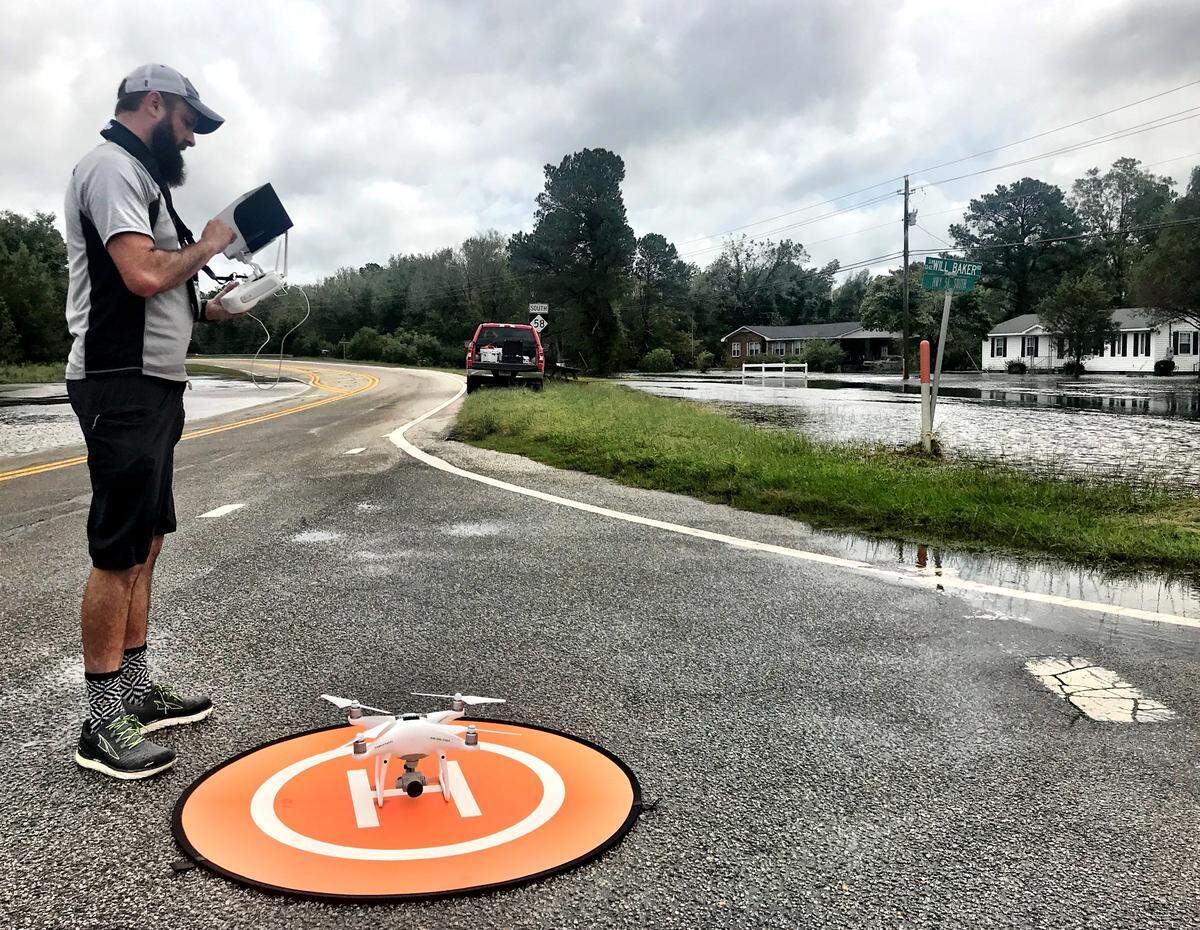
- A drone. (But please y’all, there are rules to follow when using drones. For example, if helicopters are in the airspace for rescue operations, or turbulent winds, don’t fly your drone.)
- Portable chargers for phones
- A power inverter to charge laptops
- Turkey bags, rubber bands and tape to create makeshift rain covers to help keep cameras dry
- Solar-charged and USB-charged lanterns
- Headlamps
- A current paper map of North Carolina
- Two-way radios to speak with colleagues when phones stop working
- Hiker’s first aid kit
- Tetanus shot. The Centers for Disease Control and Prevention recommends one every 10 years for adults.
Put it all in a pick-up with four-wheel drive. Apply Rain-X to the windshield to make it easier to take photos from inside the vehicle, if needed.
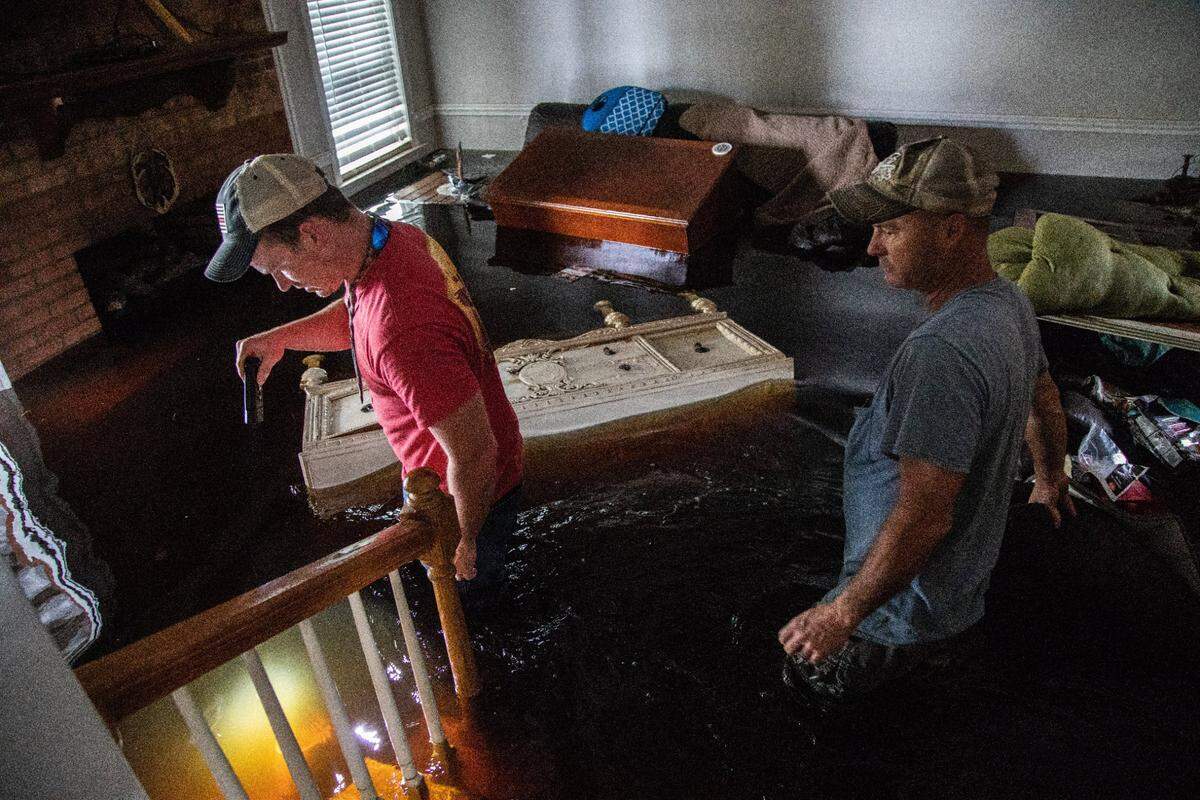
Reporting on storms from the field
For journalists, it’s one thing to have the necessary physical tools to overcome the natural elements. Dealing with the emotional and human elements is another.
“There’s the anticipation that it’s coming, and then when it actually hits,” Long said. “But then there’s the immediate aftermath of trying to put everything back together and trying to get just basic things in your life settled. And then after that, when no one’s talking about it anymore, it’s people literally trying to rebuild their homes, their entire lives.”
In mid-April 2011, tornadoes destroyed homes and businesses across North Carolina and caused the deaths of 24 people. Long’s Raleigh neighborhood was among those damaged.
He had to think about making sure his family was safe and fed, cleaning up his property, dealing with a week-long power outage, getting things back to normal.
That experience gave him more empathy for the people he meets when he reports on storms, Long said.
It’s why he prepares the way he does. Instead of taking up seats at any restaurants that may be open, he brings food for himself.
And instead of rushing to get the best shots, without thought for how the subjects may be feeling, he takes the time to listen to people and develop trust with them.
“A lot of times I think people forget that a couple of days or a week after a storm, those community scars, they go on for years,” he said.
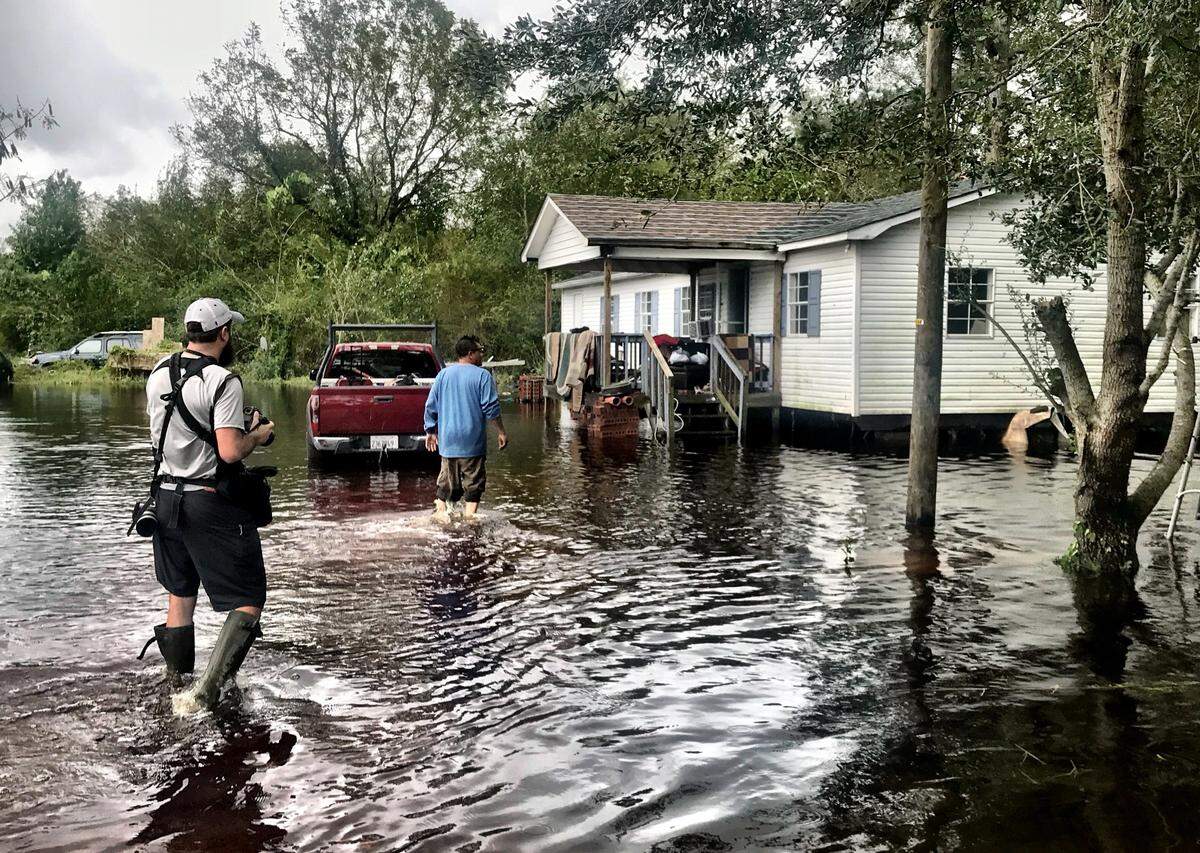
This story was originally published August 7, 2024 at 5:30 AM with the headline "Prep for storms like a veteran photojournalist: Here are recommended items on his list."