How is a storm watch different from a storm warning? A guide to weather alert terms
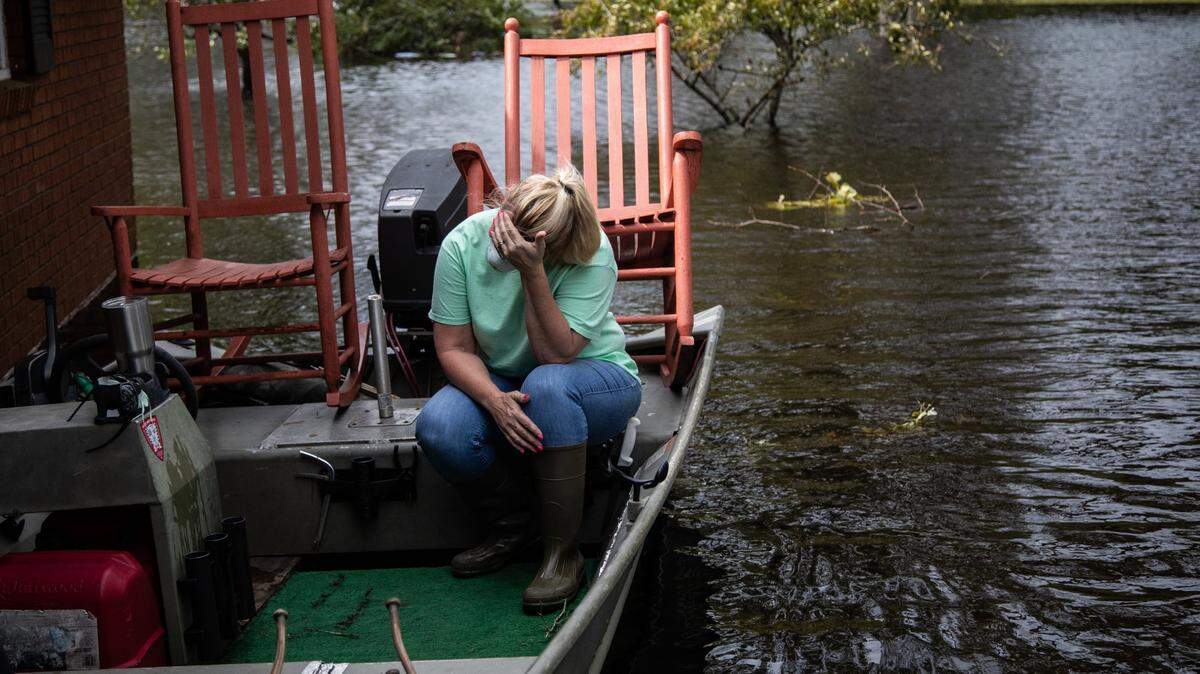
When severe weather comes, state and national organizations send alerts to warn people of possible storms.
These notifications, which may be deployed ahead of tornadoes, hurricanes, tropical storms, flash floods and severe thunderstorms, often include “watch” or “warning” designations.
But what do “watch” and “warning” mean, and how do they relate to specific storms?
To help prepare for severe weather events, The News & Observer compiled this guide, using information from the North Carolina Climate Office and the National Weather Service.
Differences between storm watch, warning and advisory
The National Weather Service distinguishes between storm watches, advisories and warnings:
- Watch: If there’s a storm watch, it means the risk of a storm has “increased significantly,” but when and where the storm will occur is still unknown. “A watch means that hazardous weather is possible,” according to the NWS. This alert is meant to give people time to prepare for a storm, in case one should come.
- Advisory: If there’s an advisory, a dangerous weather event is happening, imminent or likely to occur. This designation is for conditions less serious than those that warrant warnings, but could still threaten lives or property if ignored.
- Warning: If there’s a warning, a severe weather event is happening, imminent or likely. Weather conditions threaten life or property. If a warning is issued for your area, you need to take steps to protect yourself and others.
Tropical cyclones + hurricane watch vs. warning
Whether a hurricane watch or warning is issued depends on the wind speed of a tropical cyclone and timing of when the hurricane is expected to form.
According to the North Carolina State Climate Office, tropical cyclones are “large organized storms that form over warm tropical or subtropical water.” Examples of tropical cyclones include hurricanes, typhoons, tropical storms and tropical depressions.
- A hurricane watch is issued when a tropical cyclone with winds of at least 74 mph poses a possible threat (key word: possible), usually within 48 hours. Along with winds, there could be storm surge and coastal and river flooding.
- A hurricane warning is issued when sustained winds of at least 74 mph associated with a tropical cyclone are expected within 36 hours or less. As is the case for a hurricane watch, it’s not just strong winds that may occur. There could also be storm surge and flooding. And the hurricane warning may remain in effect even if wind speeds may not qualify as hurricane force, when there is dangerously high water, very high waves or a combination.
Severe thunderstorm watch vs. warning
A severe thunderstorm has winds of 58 mph or higher and/or hail at least 1 inch in diameter.
- Severe thunderstorm watches are issued when these weather events are possible — but not necessarily that they will happen.
- Severe thunderstorm warnings, however, come when the weather events are occurring or imminent.
Tropical storm watch vs. warning
- Tropical storm watch alerts are issued when a tropical cyclone with winds of at least 39 mph-73 mph pose a possible threat, typically within 48 hours
- Tropical storm warnings are issued when sustained winds of a tropical cyclone of at least 39 mph-73 mph are expected within the next 36 hours
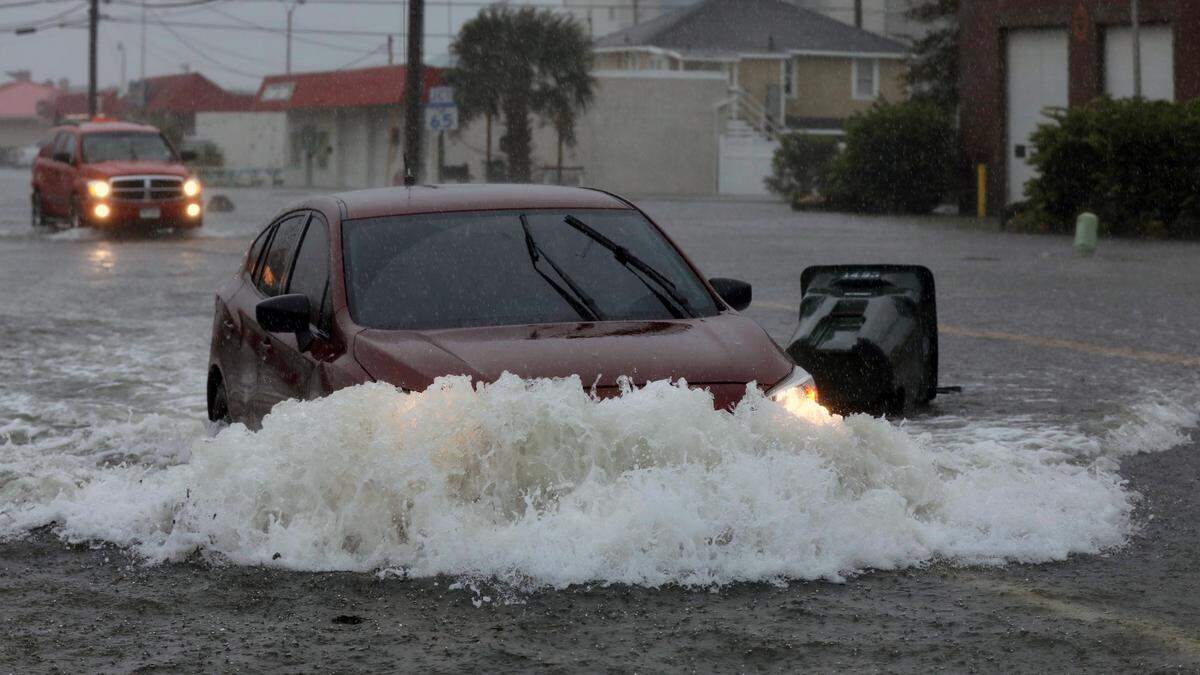
Watch vs. warning for floods, flash floods and river floods
- When a flood watch is issued, it means that flooding is possible, that conditions are right for flooding
- When a flood warning or flash flood warning is issued, flooding is imminent or happening
- Officials issue a flood advisory — often as an urban and small stream flood advisory — when flooding not considered a serious threat to life or property is expected or happening. Typically, this relates to issues such as flooding in low-lying areas, places with poor drainage, and minor flooding of streets.
- A river flood watch means that flooding is possible in at least one place along a river
- A river flood warning means flooding is happening or imminent some place or places along a river
Flash floods vs. areal floods: Flash floods are different from areal floods, the NWS explains. Whereas flash floods typically occur within six hours of heavy rainfall, areal floods develop gradually, from sustained moderate or heavy rainfall. Flash floods result in small creeks or streams quickly rising out of their banks, but areal floods cause gradual ponding in low-lying, flood-prone areas, small creeks and streams — usually more than six hours after rain starts. Both can threaten life and property.
Tornado watch vs. warning
- A tornado watch comes when severe thunderstorms and tornadoes are possible
- A tornado warning means that a tornado is coming, alerting people to find a safe place right away.
This story was originally published August 6, 2024 at 12:15 PM with the headline "How is a storm watch different from a storm warning? A guide to weather alert terms."