Border Patrol is expected in Charlotte. Know your rights if you get stopped
AI-generated summary reviewed by our newsroom.
- Border Patrol deployment in Charlotte is possible; residents should learn rights.
- Know when to show documents, refuse searches, invoke silence and counsel.
- Plan contacts, legal resources and emergency care.
READ MORE
Border Patrol in Charlotte
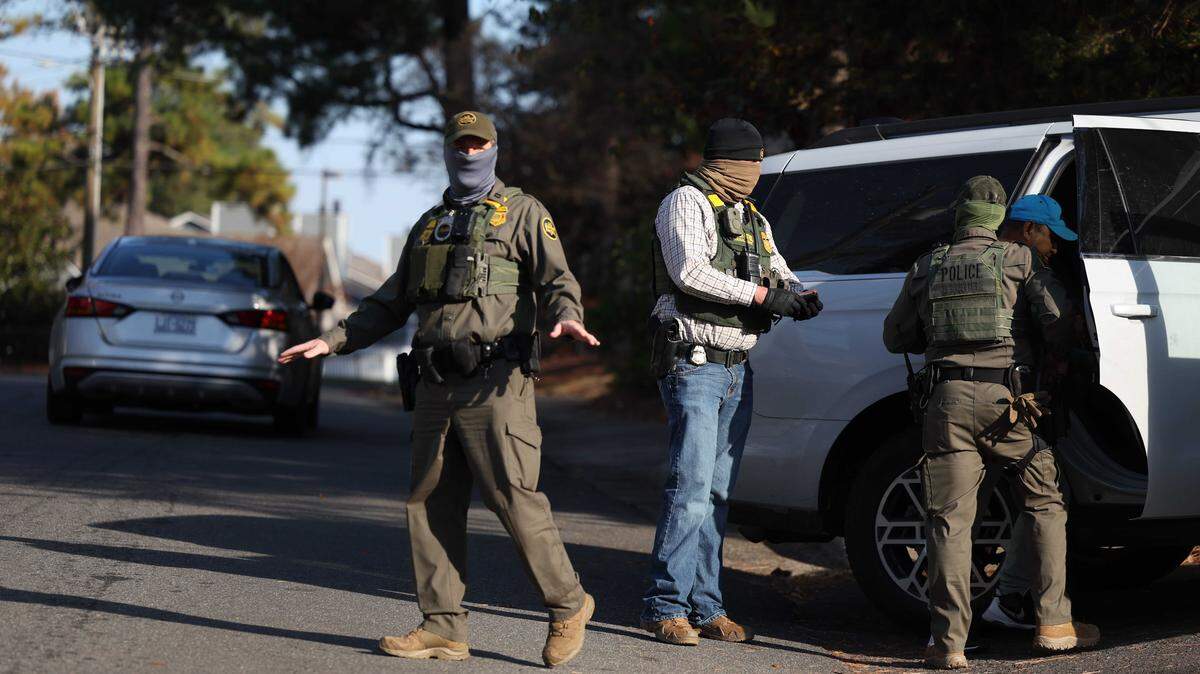
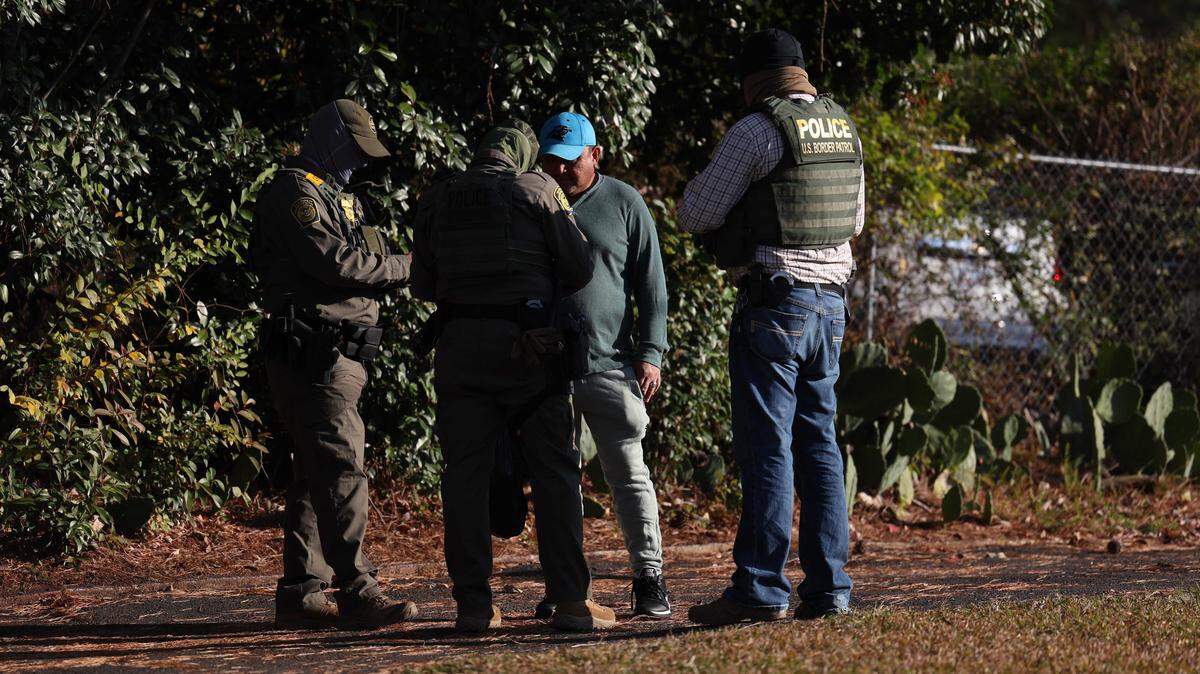
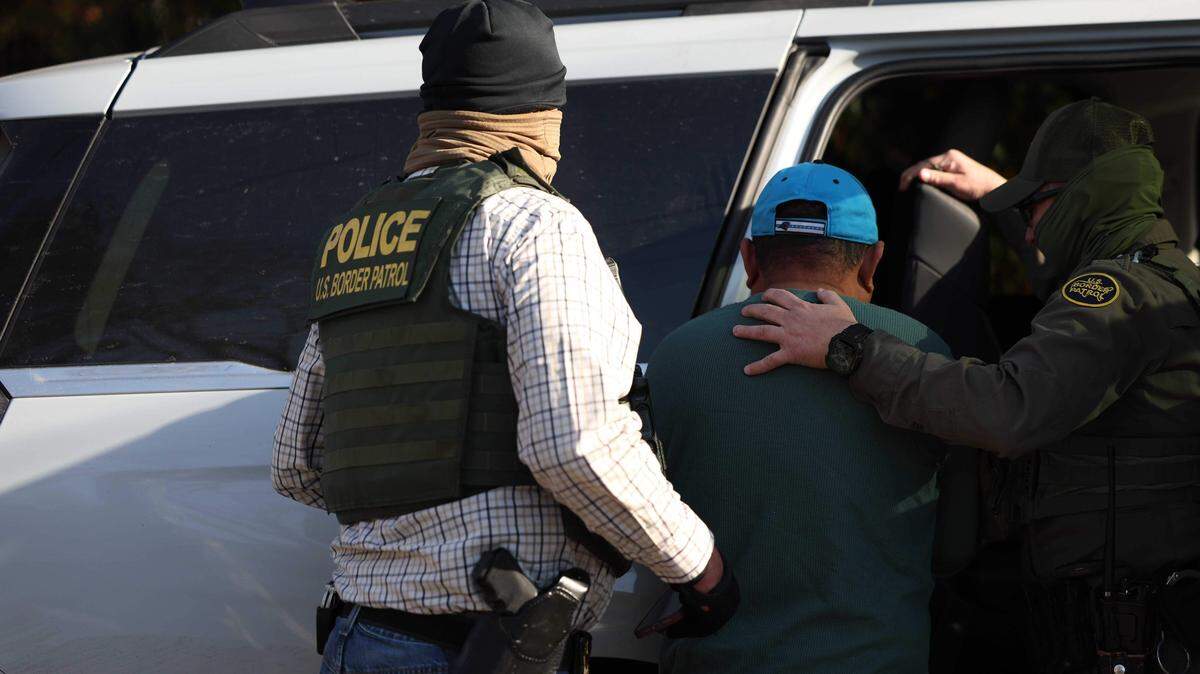
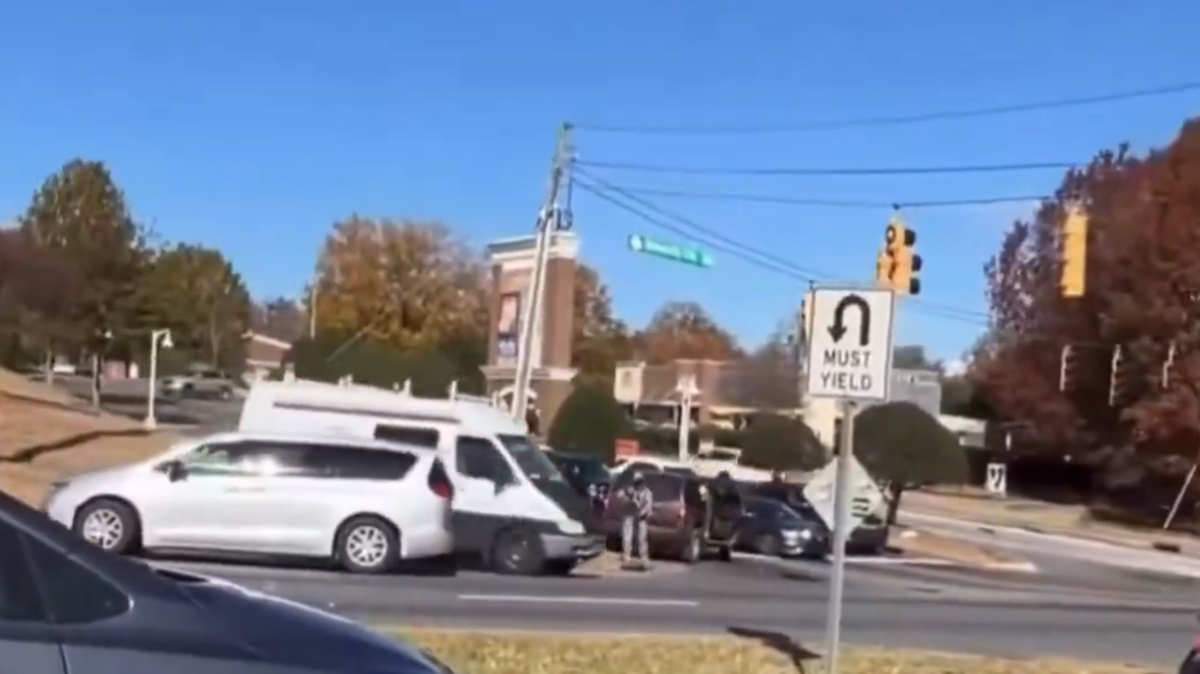
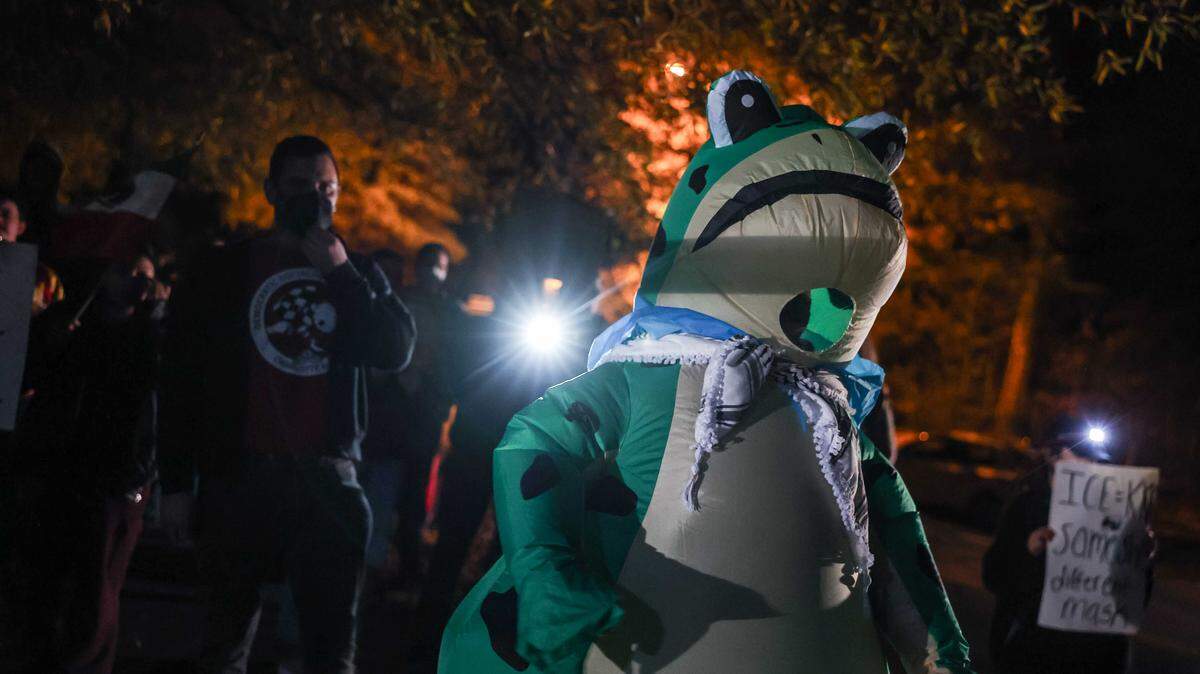
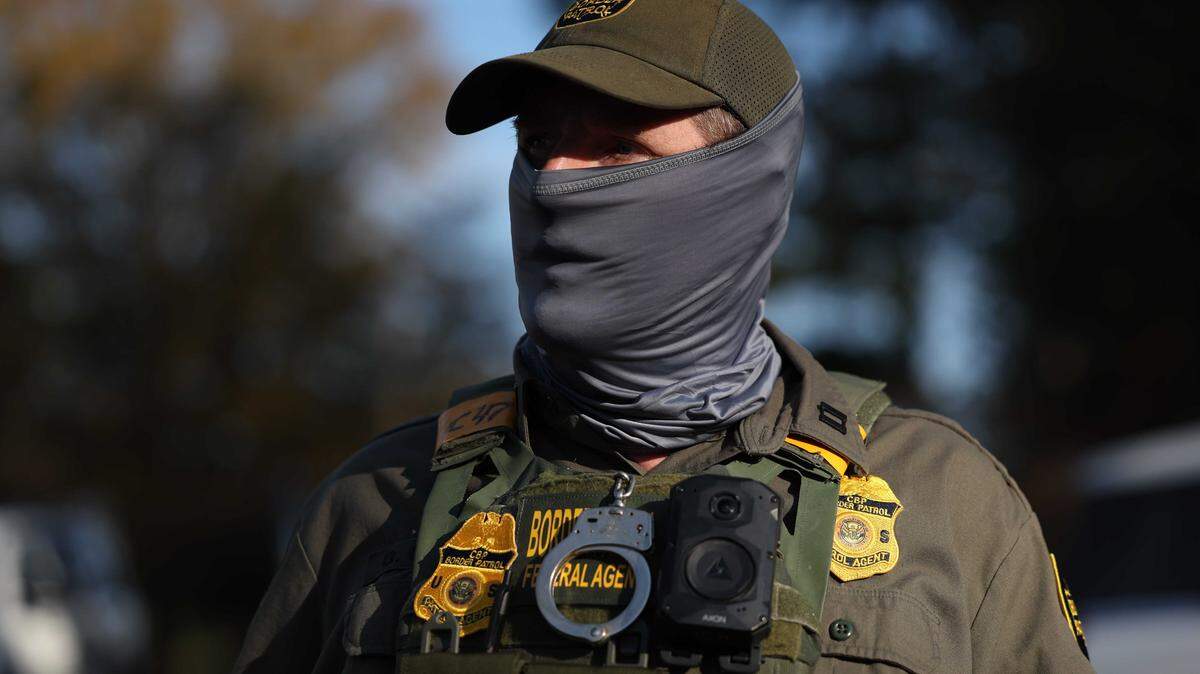
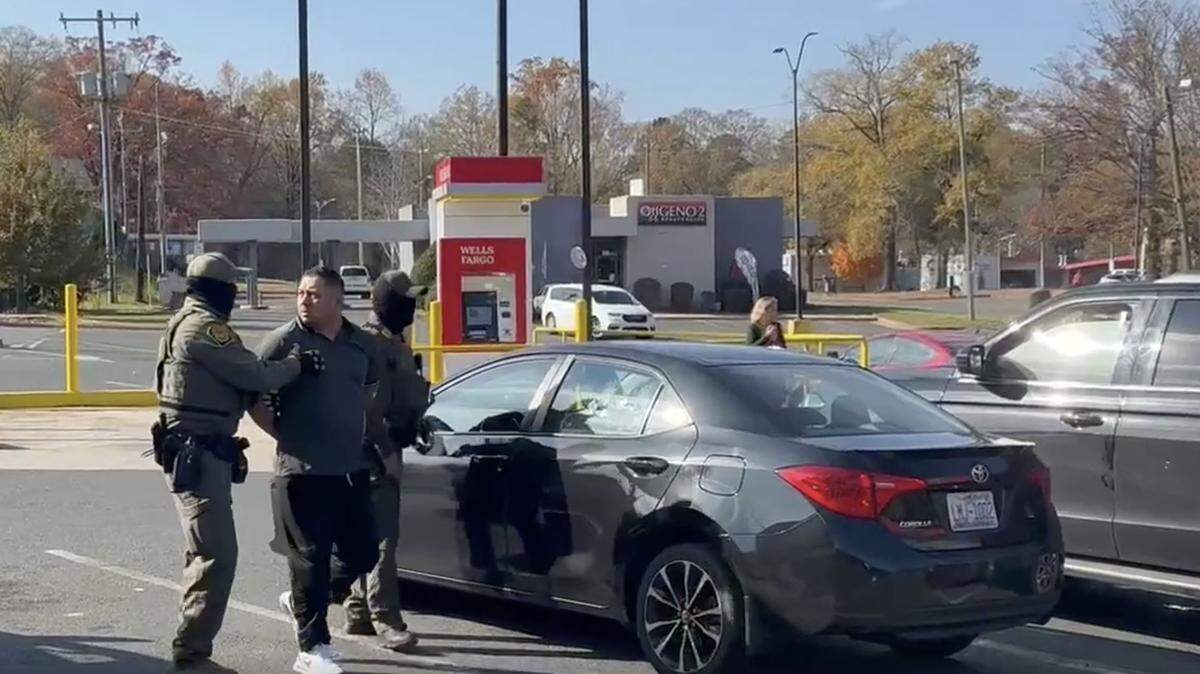
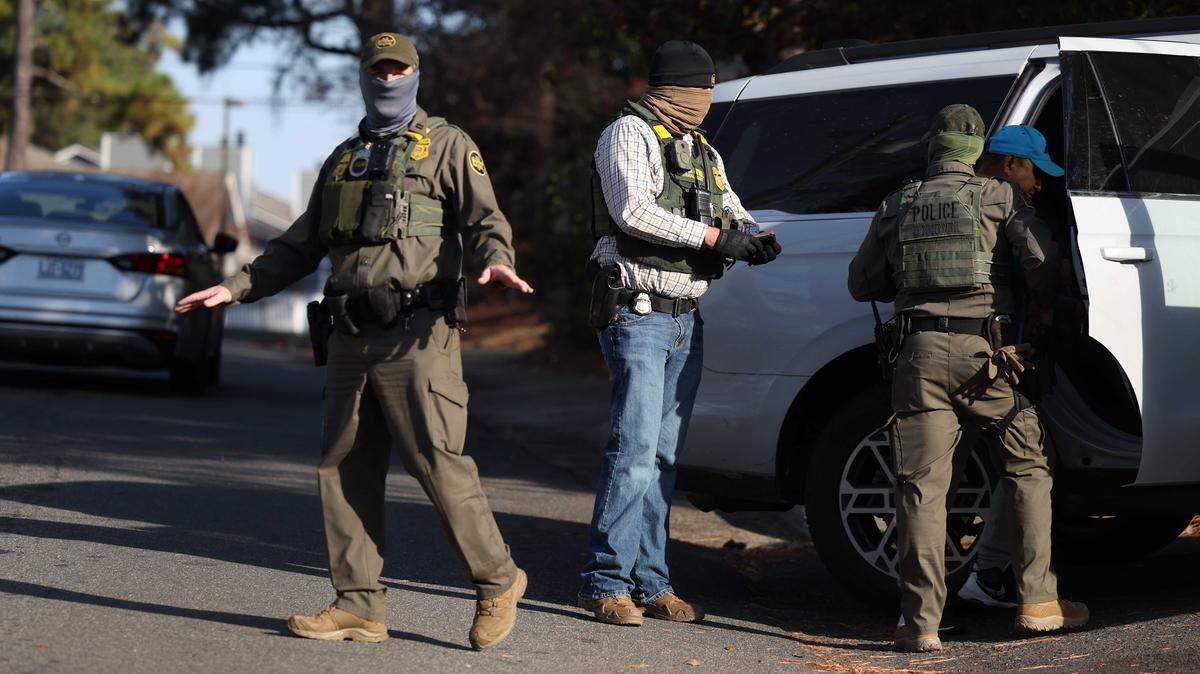
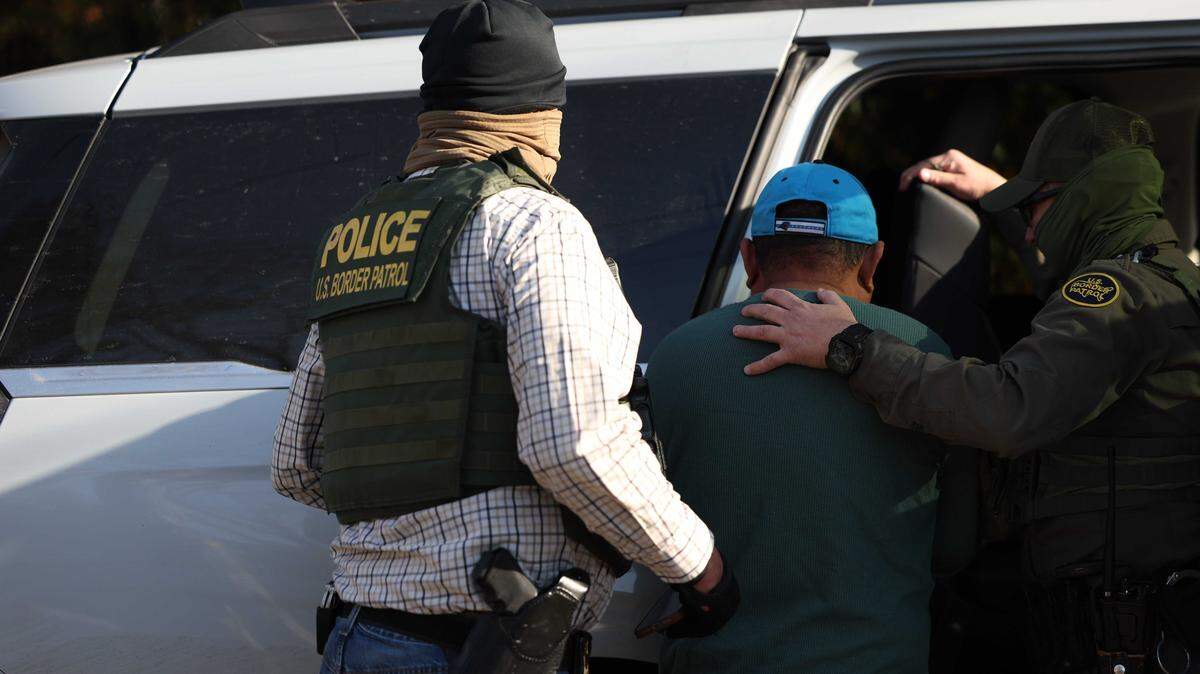
U.S. Border Patrol began making rounds in Charlotte on Saturday morning.
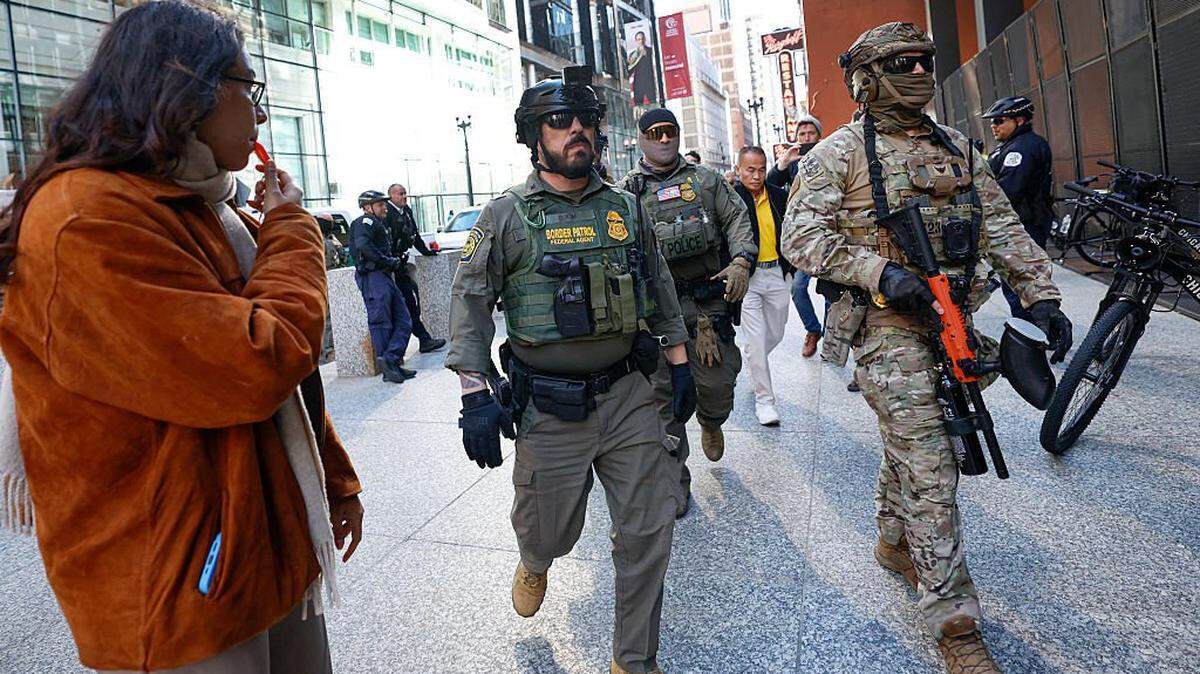
This follows recent Border Patrol activity in Chicago that made headlines, with some reports alleging agents violated people’s rights.
Expand All
U.S. Border Patrol may soon make its way to Charlotte.
In recent months, the agency’s footprint has widened across the country, a reflection of the Trump administration’s campaign against illegal immigration.
Details of the border patrol’s plans are still unknown, but most recently in Chicago, the agency sent 200 border patrol agents who made 1,500 arrests since their arrival in September.
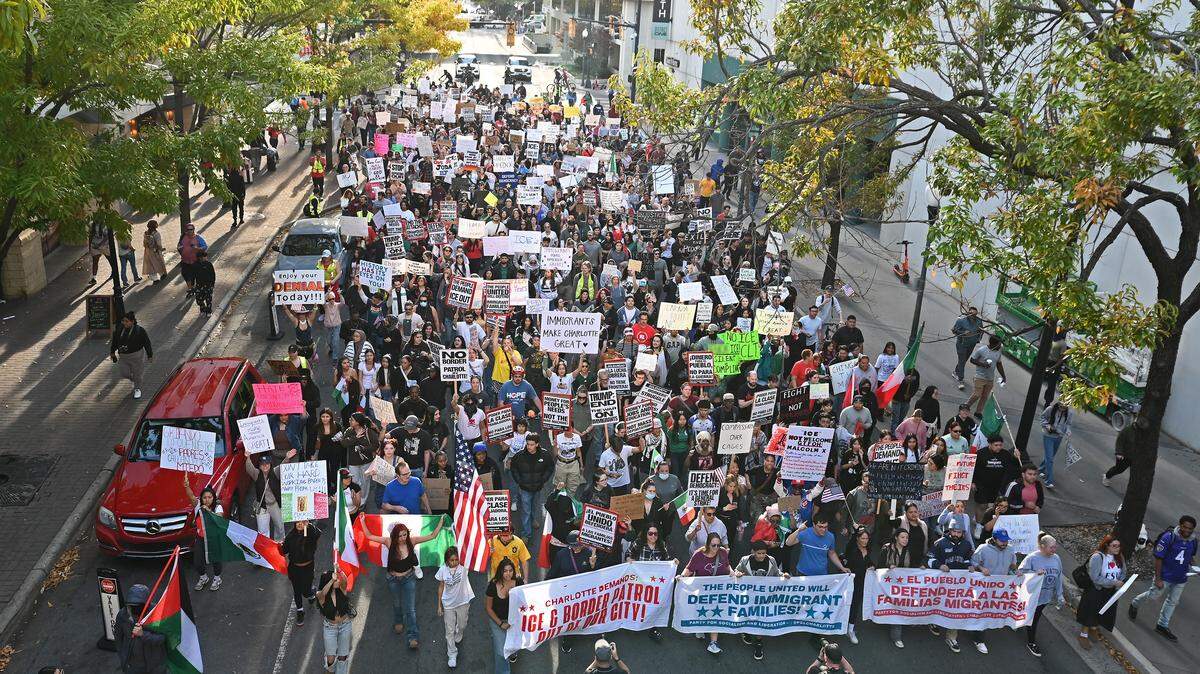
With uncertainty about when or where agents might appear, Charlotte residents should know their rights and be prepared in case they encounter law enforcement.
Here’s what you need to know.
What to do if law enforcement asks about your immigration status
According to the American Civil Liberties Union (ACLU), if law enforcement asks about your immigration status, you should stay calm and keep your hands visible. Don’t run, argue or resist, and never lie or show false documents.
It’s also important to know your rights:
- You have the right to stay silent and don’t have to discuss your immigration status.
- If asked by immigration agents, show your papers only if you have them.
- You can refuse a search, since agents need your consent or probable cause.
- If you’re over 18, carry your papers. If you don’t have them, say you want to remain silent or speak to a lawyer.
- If you get pulled over, you must show your license, registration and proof of insurance, but you don’t have to discuss your immigration status.

What to do if Border Patrol agents show up at your home
If immigration agents show up at your home, the ACLU says you should:
- Ask if they’re immigration agents and what they’re there for.
- Request to see their badge or ID through a window or peephole.
- Ask if they have a judge-signed warrant and have them show it under the door or against the window.
- Don’t open the door unless they show a warrant with your name or address. Say: “I don’t consent to your entry.”
- If they force entry, don’t resist. Say you’re exercising your right to remain silent and want to speak to a lawyer.
- Don’t lie, show false documents or sign anything before talking to a lawyer.
If you’re on probation with a search condition, officers may legally enter your home.
What to do if you are arrested or detained by Border Patrol
If you are detained by ICE or Border Patrol, you can hire a lawyer, but one won’t be provided, according to the ACLU. However, you can ask for a list of free or low-cost options.
You also have the right to call family or a lawyer, meet with your lawyer in detention and have them with you at immigration hearings.
What to do if a loved one is arrested or detained
If a loved one is arrested or detained by Border Patrol, you can try looking for them on the ICE Detainee Locator page, according to Carolina Migrant Network.
To search, you need:
- The detained person’s Alien Registration Number (A-Number)
- Their first and last name
- Country of origin
- Date of birth
However, U.S. Customs and Border Protection (CBP) notes that it can take many days for individuals placed in CBP custody to appear in the ICE locator.
If your loved one is not listed in the system, you can try calling nearby detention centers. You can find a list of nearby detention centers at ice.gov/detention-facilities.
How to prepare for Border Patrol arrival ahead of time
Here are some ways you can prepare ahead of time if U.S. Border Patrol arrives in Charlotte, according to the Legal Aid Justice Center:
- Keep emergency contact numbers for family handy.
- Make a plan for who can take care of children, pets, or property if someone is detained. You should also keep this document handy and never share it with law enforcement.
You can also try reaching out to local support groups that provide free services, such as legal clinics and rapid response help.
Charlotte immigration support groups
- Charlotte Center for Legal Advocacy: Offers legal services to low-income immigrants and non-English speakers, helping with things like asylum, DACA, family petitions and protection from exploitation, regardless of immigration status.
- Carolina Migrant Network: An organization that provides free legal representation to immigrants in removal proceedings, plus educates and organizes community members on rights and civic involvement.
- International House of Metrolina: A nonprofit serving immigrant and international communities in Charlotte that runs immigration law clinics, ESL classes, cultural programs and helps newcomers integrate.
- ourBRIDGE for KIDS: Focuses on refugee and immigrant children and their families and offers after-school and summer programs, family support in multiple languages, and helps families navigate life in a new country.
- Refugee Support Services: Helps refugees and displaced people in the Charlotte area with housing, employment, cultural acclimation and ongoing support as they rebuild their lives.
This story was originally published November 13, 2025 at 10:26 AM with the headline "Border Patrol is expected in Charlotte. Know your rights if you get stopped."