Can an unmarked police car pull you over in North Carolina? Here’s what to know
AI-generated summary reviewed by our newsroom.
- North Carolina allows unmarked police vehicles to conduct legal traffic stops.
- Drivers may call 911 to verify an officer’s identity before complying with a stop.
- Complying during traffic stops ensures safety; legal disputes are handled in court.
Can an unmarked police car legally pull you over in North Carolina?
Some drivers may face this question, especially when flashing lights appear behind them after passing a seemingly innocuous vehicle.
Marked patrol cars are a familiar sight around the state. However, while law enforcement sometimes uses unmarked vehicles for undercover operations, they can confuse drivers.
Here’s what you need to know.
Can an unmarked police car pull you over in NC?
Yes, according to Jones, Childers, Donaldson & Webb, a firm based in the Charlotte area.
The state driver’s license handbook advises motorists to call 911 to verify that an actual law enforcement officer is conducting the traffic stop if they have concerns about the legitimacy of the stop.
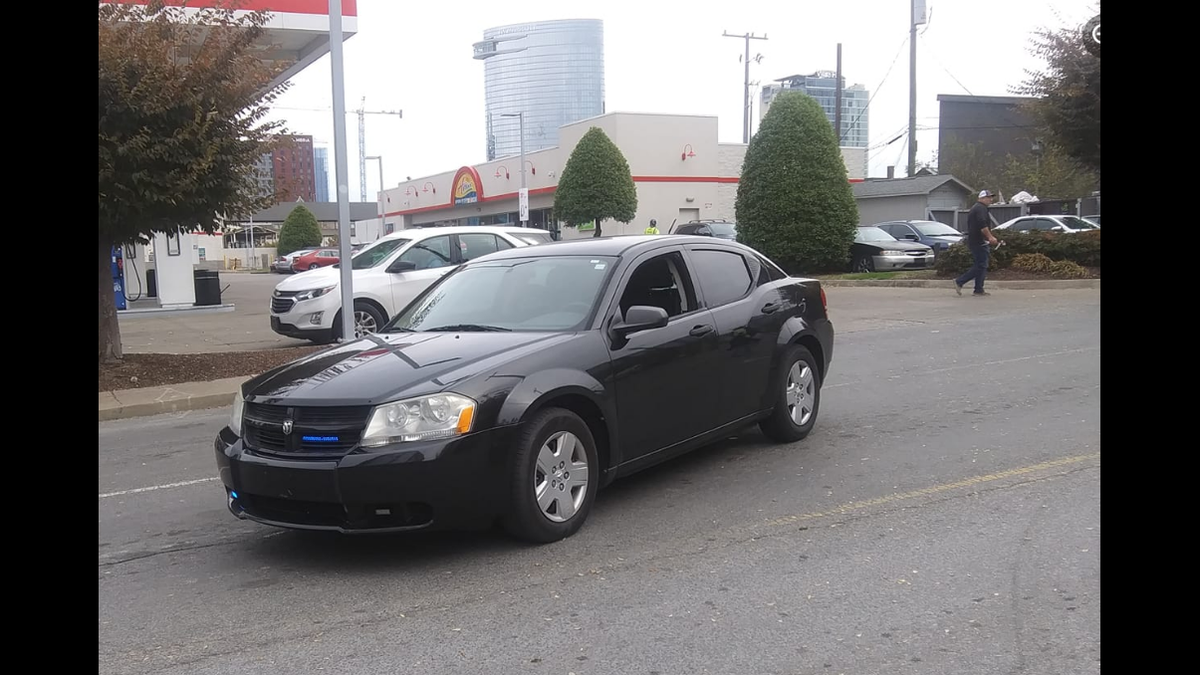
If you’re worried the person pulling you over isn’t a law enforcement officer, you can also look for blue lights, the Town of Boone advises.
“If you see blue lights behind you, you are required to pull over to the right in a safe place for you and the officer out of traffic,” officials say. “If it is an unmarked police car it will still have blue lights.”
Officials also pointed out that most officers wear a uniform with identification and police badges, but you can ask to see a badge and ID if a plainclothes officer pulls you over.
What to do during a traffic stop in NC
If you get pulled over, here’s how to handle a traffic stop, according to the state driver license handbook:
Acknowledge the officer and pull over safely.
Slow down, and turn on your hazard light or right turn signal.
Stay in your vehicle and roll down your windows or turn on interior lights if it’s dark.
Turn off the radio, stay calm and keep your hands on the steering wheel. Passengers should also keep their hands visible.
Immediately tell the officer if there’s a weapon in the vehicle. Do not reach for it. Disclose any concealed carry permits as required by law.
Let the officer know where your license and registration are before reaching. Avoid sudden or suspicious movements.
You should also know your rights as a driver. You must provide ID and registration, but you are not required to answer any further questions beyond identification.
What if you get a ticket?
After reviewing your information, the officer may issue a verbal warning, a written warning, or a ticket, which could include a required court date.
If you’re concerned about the officer’s conduct during the stop, you can file a report with their agency. The officer’s name and law enforcement agency will be listed on the ticket, and you may also ask the officer to provide that information.
“I understand you may not agree with why you got stopped, might not agree with what the officer told you, or his demeanor or how he spoke to you. But the biggest thing is to comply during that time. That way everyone is safe,” Master Trooper Christopher Casey of the North Carolina State Highway Patrol previously told The Charlotte Observer.
However, accepting and signing a ticket is not an admission of guilt, according to the state handbook.
“Some traffic stops may result in an arrest. Even if you disagree with the officer, do not argue with the officer,” the state handbook says. “Resisting, delaying or obstructing a law enforcement officer during a traffic stop is a class 2 misdemeanor.”
“You will have a day in court, you can go home and talk to whoever about that to his office the next day, possibly a supervisor, if you thought something was said wrong. You can plead your case. But the biggest thing is during that traffic stop at that moment, please just comply with what the officer says and that way everyone is safe, including you and the officer.”
This story was originally published June 5, 2025 at 4:33 PM with the headline "Can an unmarked police car pull you over in North Carolina? Here’s what to know."