A breathalyzer for weed? This tool could change how NC police test for DWIs
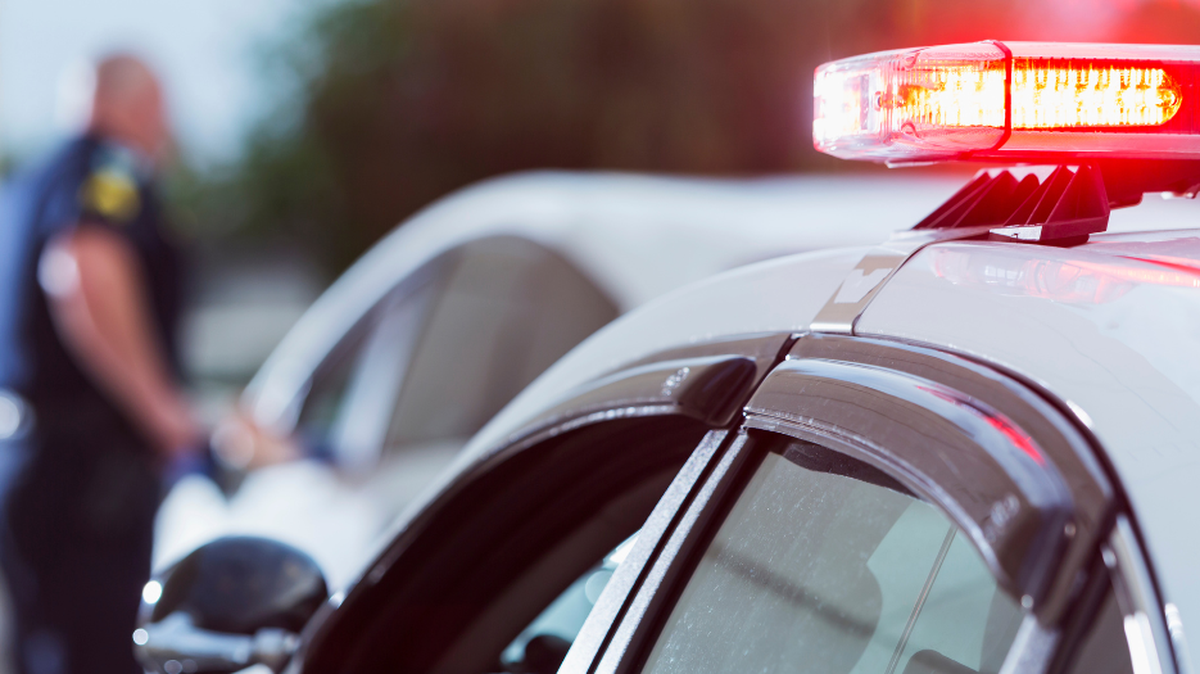
For decades, police have used breathalyzers to test for alcohol, but they don’t have a reliable tool to measure marijuana use.
That could change soon.
Researchers are working to develop a breathalyzer that can detect THC levels in blood, according to the University of Colorado Boulder. The tool is already being tested at police departments around the country. (THC, or tetrahydrocannabinol, is a primary psychoactive compound found in marijuana that has intoxicating, mind-altering effects, according to the National Institute on Drug Abuse.)
The Charlotte Observer spoke with the N.C. Department of Public Safety and the N.C. Department of Health & Human Services, but neither agency could confirm if the tool is being used in North Carolina.
After alcohol, cannabis is the substance most often associated with impaired driving, according to the Centers for Disease Control and Prevention — and driving while under the influence can be dangerous.
Marijuana can slow your reaction time, affect your judgment of distance, and decrease coordination while driving, the CDC says. Studies have shown an association between marijuana use and car crashes.
While a marijuana breathalyzer could be useful for catching impaired drivers, some experts say it could lead to people being wrongfully accused of driving under the influence.
How do marijuana breathalyzers work?
Marijuana breathalyzers work by measuring the number of THC molecules in a person’s system, according to North Carolina-based law firm Teddy Meekins & Talbert.
“When a user breathes into the device, THC molecules will bind to the surface of the device’s nanotubes and alter their electrical properties, thus changing the speed at which the electrical currents can determine whether THC is present in the user’s breath,” the firm says.
Many experts have questioned the accuracy of these devices. Since marijuana stays in a person’s system longer than alcohol, it could be difficult for law enforcement officers to determine if someone was under the influence at the time of their arrest, the firm says.
“Can we detect THC accurately and reliably? The answer is yes. We can detect it in saliva. We can detect it in blood. We’re working on reliable ways to detect it in breath,” Cinnamon Bidwell, an associate professor of psychology and neuroscience at the University of Colorado Boulder, recently told NPR. “But what does that mean? And is there a level that means somebody recently used or that somebody is actively impaired? The data aren’t there yet.”
Jordan Wellington, managing partner at Strategies 64, a consulting firm that focuses on cannabis policy, recently told NPR that while finding a tool to measure THC levels is important, educating the public on the risks of driving under the influence is just as crucial.
“It’s an incredibly complicated situation because you don’t have your objective standard,” Wellington said. “Police officers are human beings who are doing their best every day. But no human being that performs their job a thousand times does it right a thousand times.”
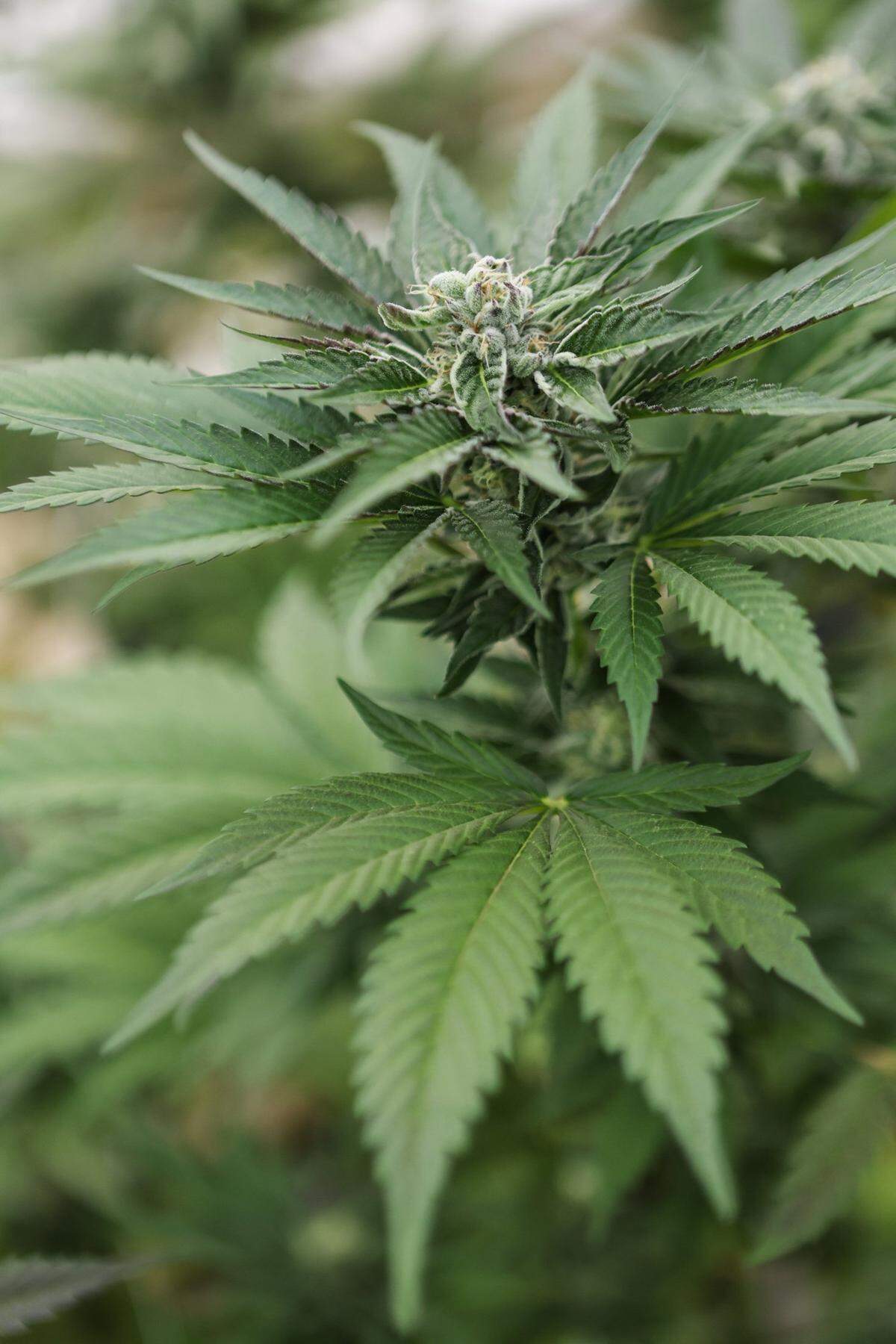
How do officers test for marijuana in NC?
Since no widely used tool to detect THC levels exists (yet), North Carolina law enforcement officers rely on standardized field sobriety testing.
Basic sobriety tests include standing on one leg, walking and turning, while advanced methods involve things like finger-to-nose and balance tests, according to the N.C. Department of Health & Human Services.
To confirm that drivers were under the influence of marijuana, blood tests are used to detect THC levels, NCDHHS says.
Fine for driving high in NC
Driving “while under the influence of an impairing substance” – such as marijuana – is illegal in North Carolina, according to state law.
A first-time DWI offense is punishable by a fine of up to $4,000 and a minimum jail sentence of 30 days, according to First Step Services, a North Carolina-based rehab center.
This story was originally published April 4, 2025 at 3:38 PM with the headline "A breathalyzer for weed? This tool could change how NC police test for DWIs."