Seen your 401(k) lately? What NC residents should know about retirement accounts
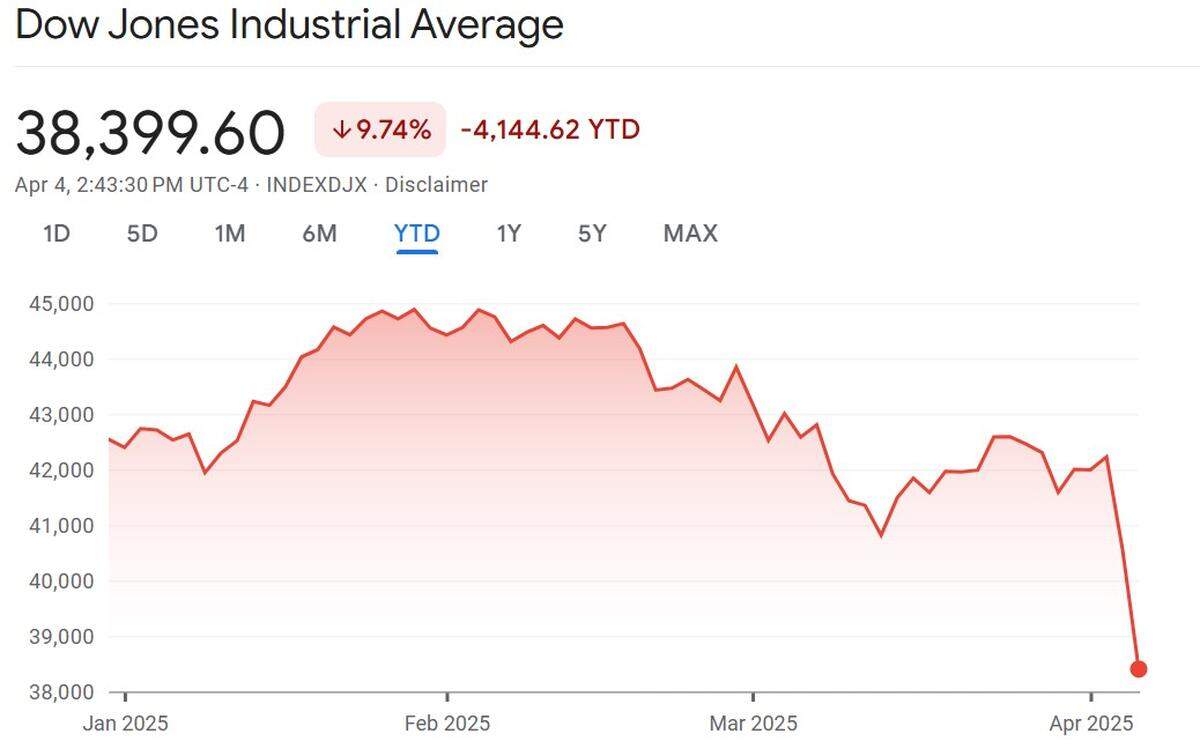
The day after President Donald Trump announced new tariffs, major stock indexes had their worst day since March 2020.
The S&P 500 dropped 4.8%, the Dow Jones Industrial Average sank 4%, and the Nasdaq composite fell 6%.
“Tariffs have the effect, at least in the short run, of reducing profit. They can potentially reduce sales, and they also raise costs,” Richard Warr, a finance professor at N.C. State University, told The News & Observer in a phone interview. “So what we’re seeing is the stock market is reacting to that.”
These are not problems just for day traders and C-suite executives, though. Stock market losses affect many people, including in North Carolina.
Many people have retirement accounts such as 401(k)s, and some money in those accounts may be invested in stocks. If stocks tank, account holders may lose money.
This may be a particular concern for people nearing retirement.
With the recent stock market sell-off, and the uncertainty about the future, here’s what to know about monitoring retirement accounts.
Short-term vs. long-term effects for investors
The stock market will likely “go through a period of volatility” in coming months, Warr said, but it’s difficult to say what the long-term effects will be.
Warr, who is not a financial adviser, said younger people who are far from retirement will probably be OK in the long run and can “weather that storm,” even though there may be some losses in the short-term.
People who are closer to retirement, though, and want to begin withdrawing from their accounts should have already started to shift investments toward lower-risk securities, such as government bonds, he said.
“You can lose a lot of money quickly in stocks,” Warr said. “In the long run, you’ll be OK, but if you’re close to retirement, the long run isn’t that long anymore.”
Individuals such as public-school teachers and other government employees may have a pension, which Warr said is generally a safe option. The pension plan in North Carolina, he said, is diversified and can weather stock market fluctuations.
Understand your investments and seek help
People should understand the risk of their investments, including their 401(k)s, Warr said. They may want to change the allocation of money in the portfolio or future money going in.
If they are unsure about their 401(k) mix, they should talk with a financial adviser.
“If you’ve been kind of not paying attention to your retirement portfolio and not paying attention to what you have in your 401(k), I think this is a wake up to to look at it, to understand what you’ve got in there,” Warr said.
Are there ‘safe’ investments?
Warr said he wouldn’t call any stocks “safe” and hesitates to make stock recommendations, but said some companies may not be as directly impacted by tariffs.
- Health care companies may need to buy supplies or drugs from other countries, but people still need to see doctors.
- Some utility companies, though they may purchase oil or energy products from other countries, tend to be less affected by tariffs.
- Regional banks may be less vulnerable to tariffs, but they could be indirectly affected during an economic recession, when there is lower demand for loans, and companies may go bankrupt.
This story was originally published April 4, 2025 at 3:14 PM with the headline "Seen your 401(k) lately? What NC residents should know about retirement accounts."