Trump’s auto tariffs start Thursday. How are Triangle dealers and buyers responding?
The 2025 BMW 330i is an international product. Engine made in Austria, transmission from Germany. Final assembly in the Mexican state of San Luis Potosi. And the vehicle is selling this week at a Leith Cars dealership in Raleigh.
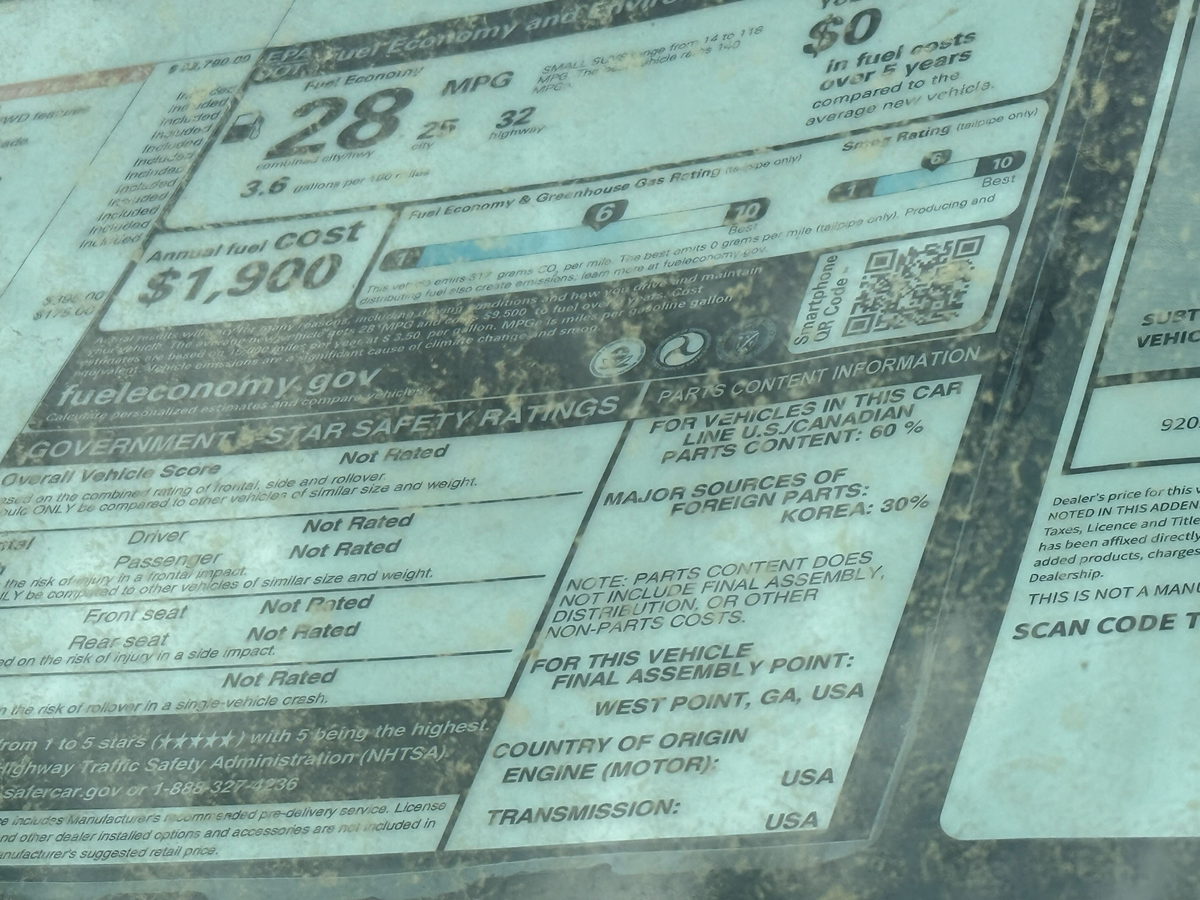
A sticker on its windshield serves as a genealogical record, displaying that 22% of the vehicle’s parts came from Mexico, 24% from Germany, and only 8% from either the United States or Canada. These stickers aren’t new, but their small-font details will become more important starting Thursday.
One week ago, President Donald Trump announced 25% tariffs on imported cars and select car parts, citing national security concerns. The government will begin collecting these import taxes at 12:01 a.m. April 3. How much these tariffs raise car prices is now a question of national interest.
“The tariffs announced Wednesday could put the purchase of a new car out of reach for an increasing number of American consumers,” the National Automobile Dealers Association wrote in a March 28 statement. Tariffs will add at least $5,000, and up to $15,000, to car prices, said Dan Ives, Wedbush Securities managing director, in a research note Monday.
Ives predicted U.S. tariffs “will cause pure chaos to the global auto industry.”
Elevated prices are an outcome Trump says he’d welcome, telling NBC this week, “I couldn’t care less. I hope they raise their prices, because if they do, people are gonna buy American-made cars. We have plenty.”
The forthcoming tariffs were cheered by the United Auto Workers, which said the policy marked “the beginning of the end of a thirty-plus year ‘free trade’ disaster.”
Are Triangle drivers rushing to buy?
No major auto manufacturer builds entirely in the United States, according to data from the National Highway Traffic Safety Administration, which tracks what portions of individual cars are made abroad. These percentages range across makes and even between models of the same company. For example, 60% of Honda’s CR-V is from either the U.S. or Canada while only 30% of Honda’s HR-V comes from these two countries.
Manufacturers like BMW and Audi make the vast majority of their vehicle parts abroad while Tesla, which is owned by billionaire and Trump administration special government employee Elon Musk, has a relatively high portion of its vehicles made in the U.S. and Canada, at up to 75%, according to the NHTSA data.
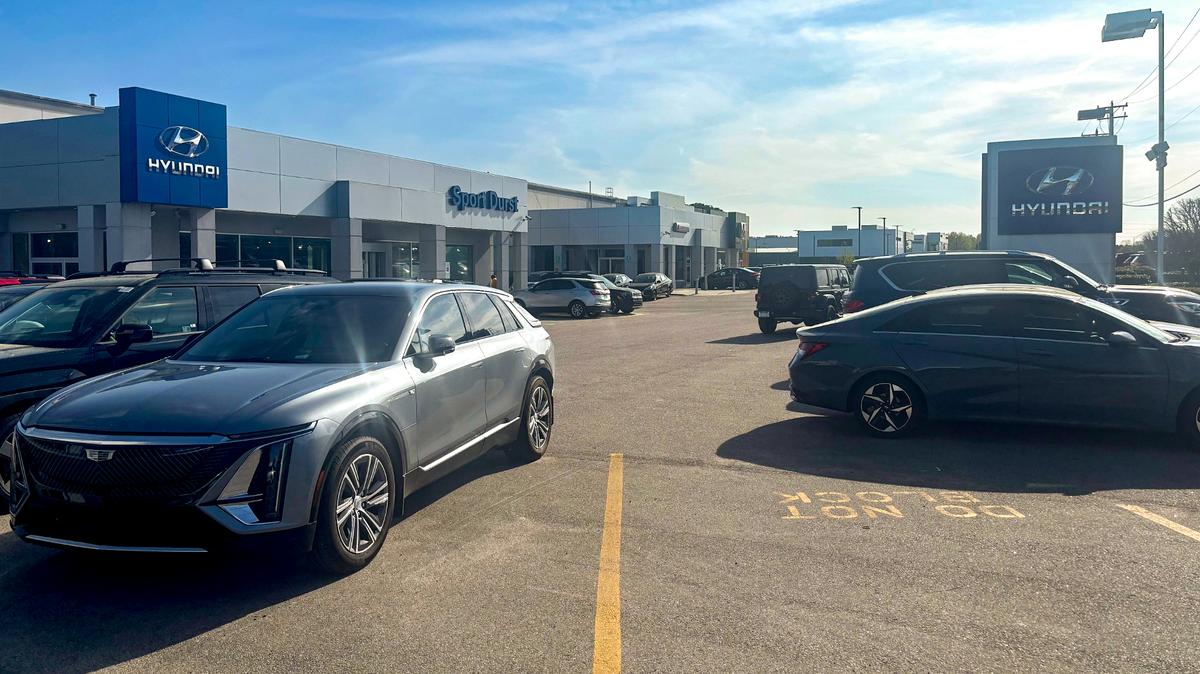
In the Triangle, some people hurried to purchase vehicles before the tariffs take effect. The number of car buyers at Reggie Jackson Airport Honda in Raleigh over the past few days “exploded,” John Tkac, a manager at the dealership, told The News & Observer.
While anticipated price increases seem to be driving the recent uptick in customers, it’s the unknowns that are motivating car buyers, he said — people are unsure about what changes the tariffs will bring.
“Over the weekend, we sold a bunch of cars,” Tkac said, “because everybody’s falling all over themselves to come in and buy stuff before these tariffs come into effect.”
Not all dealerships in the Triangle are experiencing this. Sean Maheffey, a manager at Fred Anderson Toyota of Raleigh, said his dealership hasn’t been a recent increase in car buyers.
While auto manufacturer stocks fell following Trump’s tariff move, shares of auto parts retailers like Raleigh-based Advance Auto Parts saw a boost last week as investors predicted more drivers may invest in maintaining their current vehicles longer rather than purchase more expensive new cars.
This story was originally published April 2, 2025 at 5:30 AM with the headline "Trump’s auto tariffs start Thursday. How are Triangle dealers and buyers responding?."