Are Trump administration policies impacting your life? This list of NC resources can help
Just under two months into his second term, President Donald Trump has signed executive orders that could have negative affects on millions of North Carolina residents.
Moves like imposing tariffs on Canada, Mexico and China are expected to lead to higher inflation rates and more costly products around the country, while attempting to cut funding for the National Institutes of Health could hinder medical research and lead to layoffs.
Executive orders have also targeted minority groups, as the Trump administration has terminated diversity, equity and inclusion offices, positions and programs in the federal government, as well as equity-related grants and contracts, according to The Leadership Conference on Civil and Human Rights.
Trump also signed an executive order barring transgender girls from participating on sports teams that align with their gender identities and reinstating the ban on transgender military service members, according to the Human Rights Campaign.
If you’re feeling the impact of any of these changes, we’ve pulled together an extensive (but not exhaustive) list of resources in North Carolina that can help.
BEHIND THE STORY
MOREAre Trump administration policies affecting you? This list of NC resources can help.
Here is a list of NC-specific resources, including:
- Low-income assistance programs
- Services for children
- Health care information
- Opportunities for job seekers
- Mental health resources
- Safe spaces for LGBTQ+ people
Low-income services in NC
The North Carolina Department of Health and Human Services (NCDHHS) offers low-income assistance programs to give residents access to health care, child care, housing, financial and nutrition assistance regardless of their financial status:
At Risk Case Management (Services to Prevent Abuse, Neglect, or Exploitation): Provides care for at-risk children ages 0 to 5. (medicaid.ncdhhs.gov)
Child Service Coordination: Offers assistance to families with developmental delays, emotional or social disorders, disabilities or chronic illnesses. (ncdhhs.gov)
Crisis Intervention Program: Assists individuals and families who are experiencing a heating or cooling-related crisis. (ncdhhs.gov)
Discounted Medications: Discount card that helps residents compare costs of prescription medications at local pharmacies. (ncdhhs.gov)
Emergency Assistance (Short Term Financial Assistance for Families in Crisis): Offers short-term training and other services to increase the chances of employment. (ncdhhs.gov)
Emergency Housing and Shelters for the Homeless: Provides assistance, shelter and other services to the homeless and those at-risk of becoming homeless. (ncdhhs.gov)
Food and Nutrition Services (Food Stamps): Helps eligible people with limited incomes supplement their budgets so they can purchase food. (ncdhhs.gov)
Housing and Home Improvement Assistance: Provides minor repairs to owner and renter-occupied homes. (ncdhhs.gov)
Low Income Energy Assistance: Federally-funded program that provides for a one-time vendor payment to help eligible households pay their heating bills. (ncdhhs.gov)
Medication Assistance Program: Offers assistance to those who need prescription drugs but can’t afford them. (ncdhhs.gov)
Rural Health Centers: Works to connect organizations and rural primary healthcare sites to resources, to increase access to quality care, and coordinate existing services. (ncdhhs.gov)
Safety Net Dental Clinics: Non-profit dental facilities where low-income families or individuals can go for dental care. (ncdhhs.gov)
Work First Cash Assistance: Provides parents with short-term training and other services to help them become employed and move toward self-sufficiency. (ncdhhs.gov)
To learn more about these programs, visit ncdhhs.gov.
Children services in NC
The state also offers programs to provide children with health care, financial assistance and access to nutrition programs:
Child Care Provider Search: A search engine for residents to use to find reliable child care providers. (ncdhhs.gov)
Child Care Subsidy (Help paying for child care): Uses state and federal funds to provide subsidized child care services to eligible families. (ncdhhs.gov)
Child Health Care: Free and low-cost health care services provided by local health departments. (ncdhhs.gov)
Child Protective Services: Strives to ensure safe, permanent, nurturing families for children by protecting them from abuse and neglect while attempting to preserve the family unit. (ncdhhs.gov)
Child Support Enforcement: Available to anyone who needs help collecting child support through a network or state and locally run offices. (ncdhhs.gov)
Children with Special Diet Needs: Can make changes to a child’s school breakfast and lunch based on their dietary needs. (ncdhhs.gov)
Clinic Service for Children with Special Health Care Needs: Provides support to children who have deformities in the growth of the head and facial bones, including cleft lip and cleft palate. (ncdhhs.gov)
Community Alternatives Program for Children: Provides home- and community-based services to children at risk for institutionalization in a nursing home. (ncdhhs.gov)
Early Hearing Detection and Intervention Services: Supports families of children with hearing loss so that they are equipped with the necessary information and resources (ncdhhs.gov)
Genetic Counseling Services: Identifies individuals and families who may have or be at risk to have a genetic condition. (ncdhhs.gov)
Health Check (Medicaid for Children): A federal law requires Medicaid to provide medically necessary health care services to Medicaid-eligible children. (ncdhhs.gov)
Newborn Metabolic Screening Services: Provides screenings for abnormal conditions of newborns. (ncdhhs.gov)
WIC: Safeguards the health of low-income pregnant, postpartum and breastfeeding women, infants and children up to age 5 who are at nutritional risk by providing healthy foods, breastfeeding supports and nutrition education. (ncdhhs.gov)
To learn more about these programs, visit ncdhhs.gov.
Resources for job seekers in NC
If you’re looking for a job, the NCWorks program may be able to help.
The program offers resources to help residents get through every step of their job search, including:
Career assessment & guidance
Résumé & cover letter preparation
Job market information
Computer & internet access
Job search assistance
Job fair & workshop information
Training & educational programs
Interview practice & preparation
Here’s where NCWorks Centers are located in Charlotte and the Triangle:
Charlotte: 8601 McAlpine Park Dr. Suite 110
Raleigh: 1830-B Tillery Place
Durham: 1105 S. Briggs Ave.
Fuquay-Varina: 130 N. Judd Parkway, NE
Wake Forest: 350 E. Holding Ave.
Zebulon: 1002 Dogwood Drive
These resources are also available to job seekers in North Carolina:
NCCareers: Find detailed information about duties for specific jobs, education, training, occupational ratings, employment outlook, wages and more. Ideal for recent graduates and those new to the workforce. (nccareers.org)
My Skills My Future: Identify occupations that best align with the skills and knowledge you already have. This resource was created for workers who have either been laid-off or are looking for a career change. (myskillsmyfuture.org)
My Next Move: Discover your ideal career path based on your interests and preferences. (mynextmove.org)
O*Net: Learn more about various occupations, access labor market information, get skill assessment guides and more through this job analysis and career exploration tool. (onetonline.org)
Health care services in NC
▪ In the Charlotte area: You can use the Mecklenburg County Health Department’s map (health.mecknc.gov) to find free and low-cost health care providers in the area.
▪ In the Triangle: WakeMed has a similar list (wakemed.org) of free clinics and community health centers in Wake County.
▪ Statewide: You can also visit The North Carolina Association of Free & Charitable Clinics database (ncafcc.org) to find free and low cost medical providers.
For information on how to get care without health insurance, benefits for people with disabilities and assistance paying for prescription medications, visit nchealthinfo.org.
Mental health resources in NC
Here’s a list of mental health resources available in NC:
National Suicide Prevention Lifeline: Call 988. As of July 16, the new three-digit number will be available for calls and texting for those in distress. The old number, 800-273-8255, still works. The National Suicide Prevention Lifeline is a national network of local crisis centers that provides free and confidential emotional support to people in suicidal crisis or emotional distress 24/7. (suicidepreventionlifeline.org)
Disaster Distress Helpline: The national Disaster Distress Helpline is available for anyone experiencing emotional distress related to natural or human-caused disasters. Call or text 800-985-5990 to be connected to a trained, caring counselor 24/7. (samhsa.gov)
Crisis Text Line: Text “MHA” to 741741 and you’ll be connected to a trained Crisis Counselor. Crisis Text Line provides free, text-based support 24/7. (crisistextline.org)
The Trevor Project: Call 866-488-7386 or text “START” to 678678. A national 24/7, toll-free confidential suicide hotline for LGBTQ youth. (thetrevorproject.org)
Trans Lifeline: 877-565-8860. Trans Lifeline’s Hotline is a peer support service run by trans people, for trans and questioning callers. (translifeline.org/hotline)
Dial 2-1-1: If you need assistance finding food, paying for housing bills, accessing free childcare or other essential services, visit 211.org or dial 211 to speak to someone who can help. Run by the United Way. (211.org)
National Domestic Violence Hotline: For any victims and survivors who need support, call 800-799-7233. If you’re unable to speak safely, you can log onto thehotline.org or text “LOVEIS” to 22522. (thehotline.org)
StrongHearts Native Helpline: Call 844-762-8483. The StrongHearts Native Helpline is a confidential and anonymous culturally appropriate domestic violence and dating violence helpline for Native Americans, available every day from 8 a.m. to 11 p.m. EST. (strongheartshelpline.org)
The National Sexual Assault Telephone Hotline: Call 800-656-HOPE (4673) to be connected with a trained staff member from a sexual assault service provider in your area. (rainn.org)
Caregiver Help Desk: Contact Caregiver Action Network’s Care Support Team by dialing 855-227-3640. Staffed by caregiving experts, the Help Desk helps you find the right information you need to help you navigate your complex caregiving challenges. Caregiving experts are available 8 a.m. to 7 p.m. EST. (caregiveraction.org)
The Partnership for Drug-free Kids Helpline: Call 855-378-4373 if you are having difficulty accessing support for your family, or if a loved one struggling with addiction faces care or treatment challenges. Support is available in English and Spanish from 9 a.m. to midnight EST on weekdays and from noon to 5 p.m. on weekends. (drugfree.org/get-support)
Physician Support Line: The Physician Support Line is available at 888-409-0141 every day from 8 a.m. to 1 p.m. EST. (physiciansupportline.com)
For a comprehensive list of mental health resources in North Carolina, visit newsobserver.com/news
LGBTQ+ resources in NC
Here are some resources available for LGBTQ+ residents throughout North Carolina:
In the Charlotte area:
ACLU of North Carolina: A nonprofit, nonpartisan organization that works to protect civil liberties across the state. (acluofnorthcarolina.org)
Charlotte Black Pride: An organization that promotes LGBTQ+ pride primarily for, but not limited to, members of the Black community while building social awareness, embracing spirituality, and celebrating the diversity that exists within our community. (charlotteblackpride.org)
Charlotte Pride: An organization that offers programs, projects, and activities that enrich, empower, strengthen, and increase visibility of LGBTQ+ people in Charlotte and the Carolinas. (charlottepride.org)
Charlotte Trans Health: A collective of healthcare providers from diverse backgrounds committed to reducing health and healthcare disparities for those with diverse sexual and gender identities. (charlottetranshealth.org)
Freedom Center for Social Justice: An organization whose mission is to create culture shifts in social justice, civil rights, LGBTQ+ communities and spaces where people of low wealth and racial minorities dwell. (fcsj.org)
PFLAG Charlotte: An organization that unites people who are LGBTQ+ with families, friends, and allies through peer support, educational programming and outreach in the community to build a more safe, inclusive, and equitable future for all. (pflagcharlotte.org)
In the Triangle:
LGBT Center of Raleigh: An organization that provides support, advocacy, and resources for the LGBTQ+ community through programs, events, and outreach initiatives. (lgbtcenterofraleigh.com)
LGBTQ Center of Durham: An organization offers a safe and inclusive space for the LGBTQ+ community, providing resources, support services, and advocacy to foster empowerment and equality. (lgbtqcenterofdurham.org)
Wrenn House: A homeless and runaway shelter that parntners with the LGBT Center of Raleigh to provide services for LGBTQ youth. (havenhousenc.org/wrennhouse)
Raleigh Area Gay Parents - Triangle Families: A group created to facilitate communication and foster community among LBGTQ parents and their allies. (facebook.com/groups/trianglefamilies)
Compass Center: An organization that offers free 15 minute calls with attorneys, financial and career workshops, family law workshops, support groups for LGBTQ survivors of domestic violence, general support groups, referrals to Wheels4Hope and other community resources. (compassctr.org)
PFLAG Triangle: A volunteer organization made up of parents, family, friends, allies and lgbt individuals working together to provide support, advocacy and education for the LGBTQ community and public. (pflagtriangle.org)
Statewide:
- Campaign for Southern Equality: An organization that fights for legal protections for LGBTQ+ Americans living in the South. (southernequality.org)
Equality NC: An organization is dedicated to securing rights and protections for the LGBTQ community. (equalitync.org)
Gender Education Network: An organization that provides community and support for families with trans and gender-diverse kids 12 and younger. (gendereducationnetwork.org)
Carolinas LGBTQ+ Chamber of Commerce: An organization that fosters equity, inclusion, and economic prosperity for the LGBTQ community through strategic policy, professional enrichment, ally partnerships, and economic development. (clgbtcc.org)
Rainbow Foster Network: An organization that provides support for LGBTQ+ youth in foster care and all those who love & support them in foster community. (facebook.com/RainbowFosterNetwork)
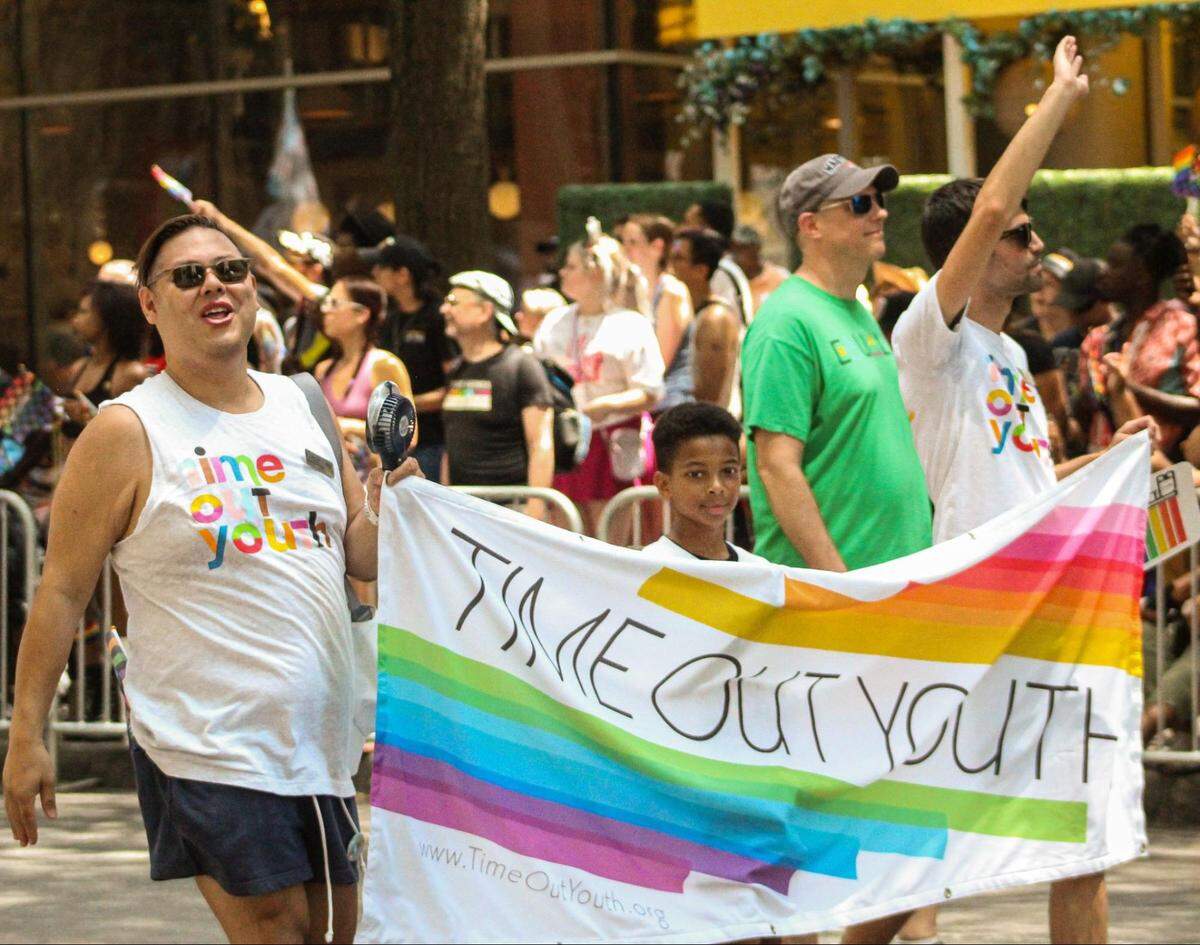
Time Out Youth: An organization that offers support, advocacy and opportunities for personal development and social interaction LGBTQ youth ages 13-24. (timeoutyouth.org)
Legal Aid of North Carolina: A nonprofit law firm that provides free civil legal services to low-income individuals on a variety of matter relating to security, safety, and stability. (legalaidnc.org)
Hopeway: A voluntary residential and day treatment facility that now serves teens with mental health disorders and teens and young adults with eating disorders. (hopeway.org)
The News & Observer’s Kimberly Cataudella Tutuska’s reporting contributed to this story.
This story was originally published March 17, 2025 at 3:59 PM with the headline "Are Trump administration policies impacting your life? This list of NC resources can help."