Pollen season has arrived in NC, but when does the yellow stuff fall? Spring timeline
The clocks sprang forward last weekend and North Carolina is leaping right into pollen season.
The state Department of Environmental Quality, which measures the amount of pollen in the air, says numbers have been rising for tree pollen already, and grass and weed pollen are coming.
How much pollen is in the air now?
The state operates a pollen sampler on Reedy Creek Road in Raleigh from late February to mid-November.
Samples are collected Monday through Friday except for holidays, the state says, and pollen reports are issued based on the previous 24 hours. The sampling device, mounted on the roof of the Nature Research Center, is a rod coated in grease that catches airborne pollen for one minute every 10 minutes. Analysts look at the samples under a microscope and issue a report on the amount of tree, grass and weed pollen found on the collecting rod.
Thursday’s pollen report shows high levels of tree pollen, with low grass and weed pollen levels.
When does pollen really start to drop?
Dr. Robert Bardon, associate dean of extension and a professor of Forestry & Environmental Resources at N.C. State University, has developed a formula for predicting when Raleigh’s trees begin to release their magic dust.
Starting Feb. 1, every day the high temperature exceeds 55 degrees, the excess is added to a running total. At around 300, Bardon says, pollen starts to fall. At 636 excess degrees, tree pollen production peaks. Last year, that happened the first week of April. Three days to a week later, it’s over.
Using his formula, pollen began dropping Wednesday, March 12.
What kind of pollen are we breathing?
As of Thursday, March 13, the state said, juniper, cedar, cypress, elm and oak trees are contributing the most pollen.
All but the cypress are listed by the Asthma and Allergy Foundation of America as among the trees that cause the most allergy symptoms.
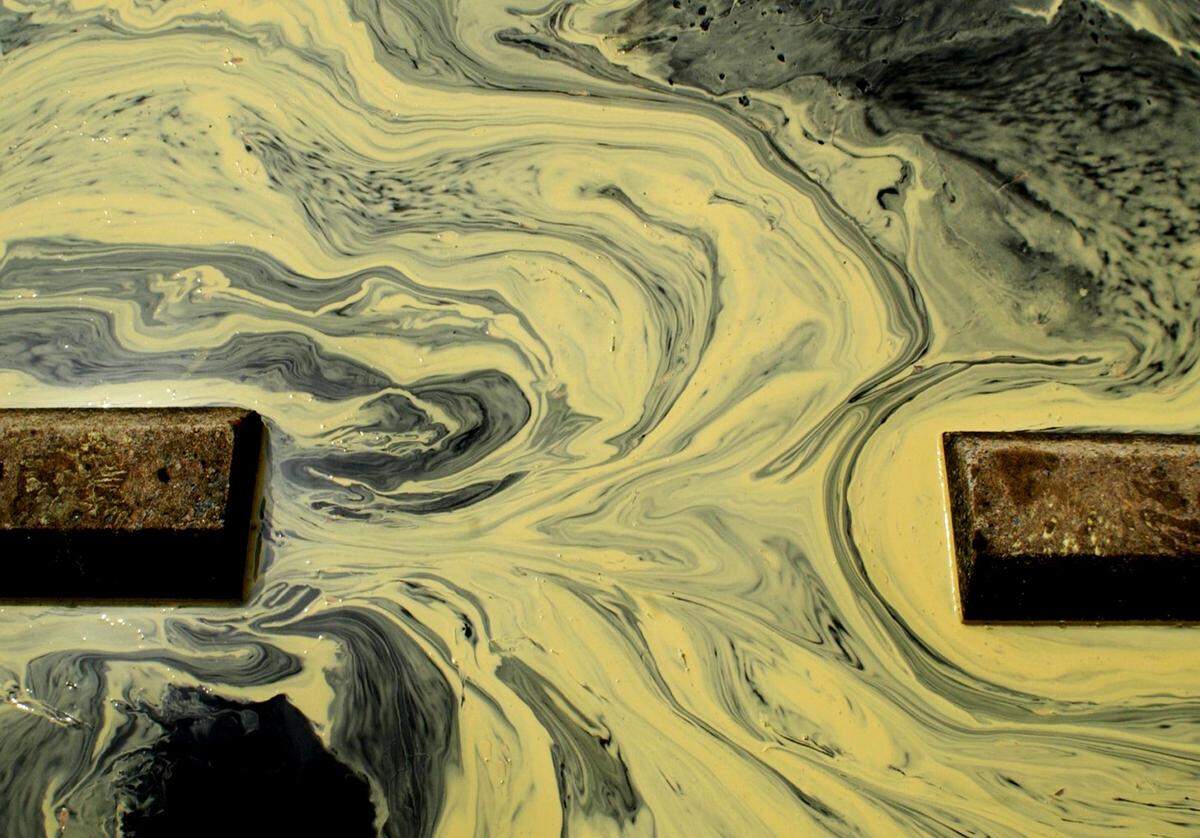
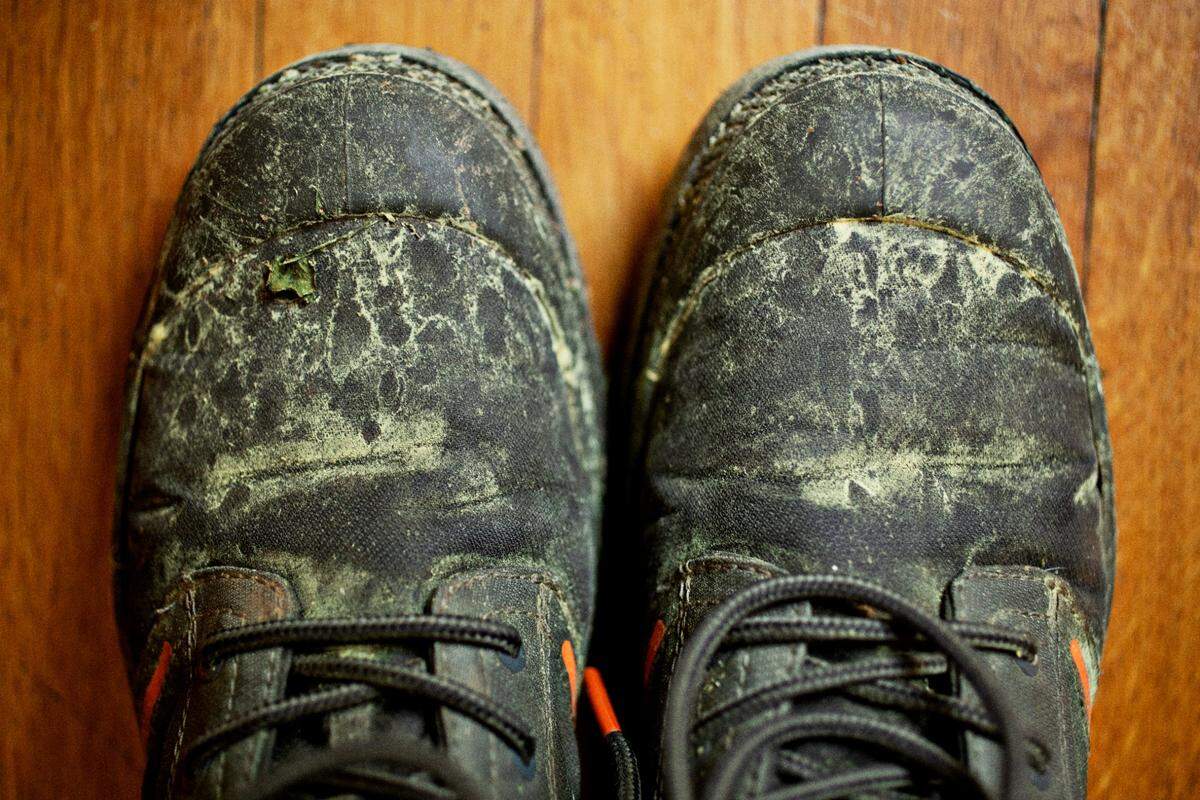
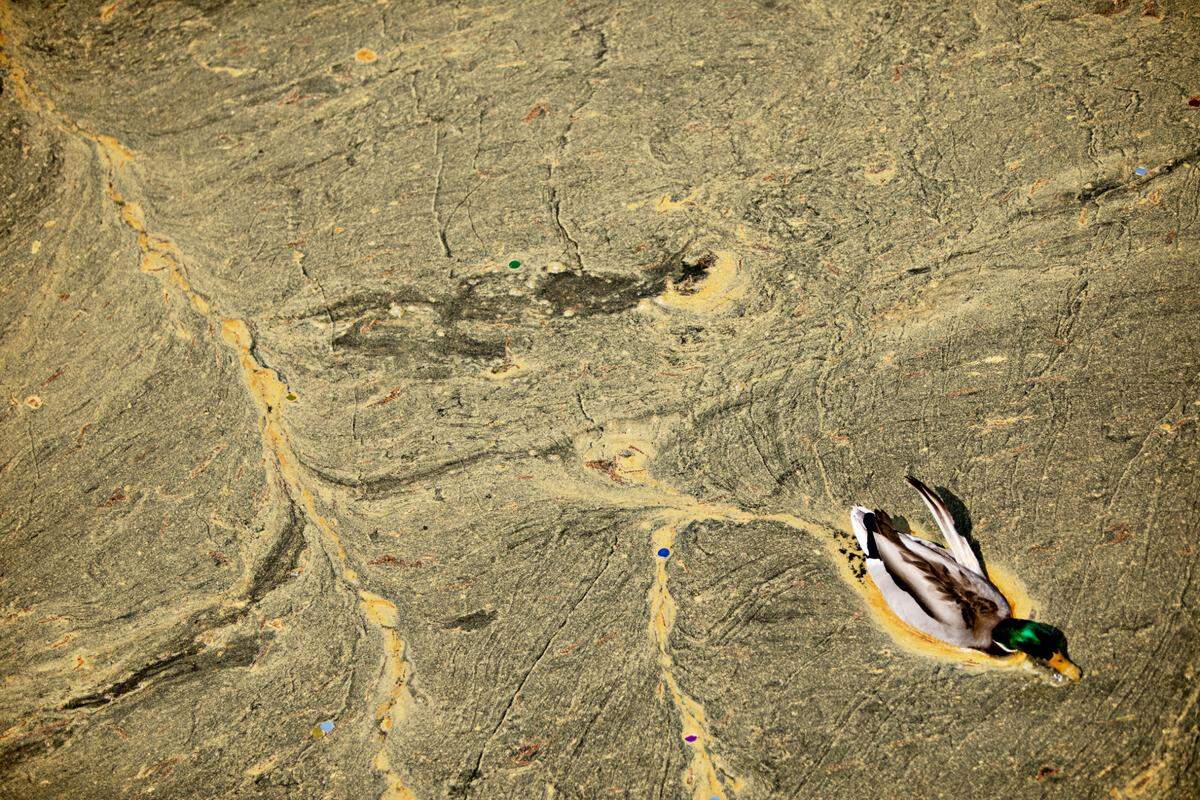
▪ Pine tree pollen — the one that covers everything in a crunchy coating of bright greenish-yellow — typically is the worst in North Carolina in April. Pine pollen tends to be thickest in the early mornings on warm, dry, breezy days, NCSU says. On those days, it looks like yellow smoke and feels like a sandstorm.
▪ Grass pollen has been up and down in March already, but usually peaks in April.
▪ Weed pollen usually peaks in summer, except for ragweed pollen, which is the most dense in fall.
Is pollen getting worse?
Researchers at NCSU have said that climate change is causing plants to produce higher concentrations of pollen for longer periods than in the past, meaning allergy sufferers have more symptoms.
Pollen production varies based on temperature, geographic location and plant type
Kelly Oten, an assistant professor and extension specialist at NCSU’s College of Natural Resources, said in 2023: “Warmer spring temperatures cause plants to respond sooner, therefore causing the pollen season to start sooner. Meanwhile, warmer fall temperatures elongate the growing season, causing the pollen season to last longer.”
Compared to 30 years ago, Oten said, pollen season is about a month longer now.
This story was originally published March 14, 2025 at 9:11 AM with the headline "Pollen season has arrived in NC, but when does the yellow stuff fall? Spring timeline."