Drivers: Here’s a not-obvious, best response for when deer suddenly appear on the road
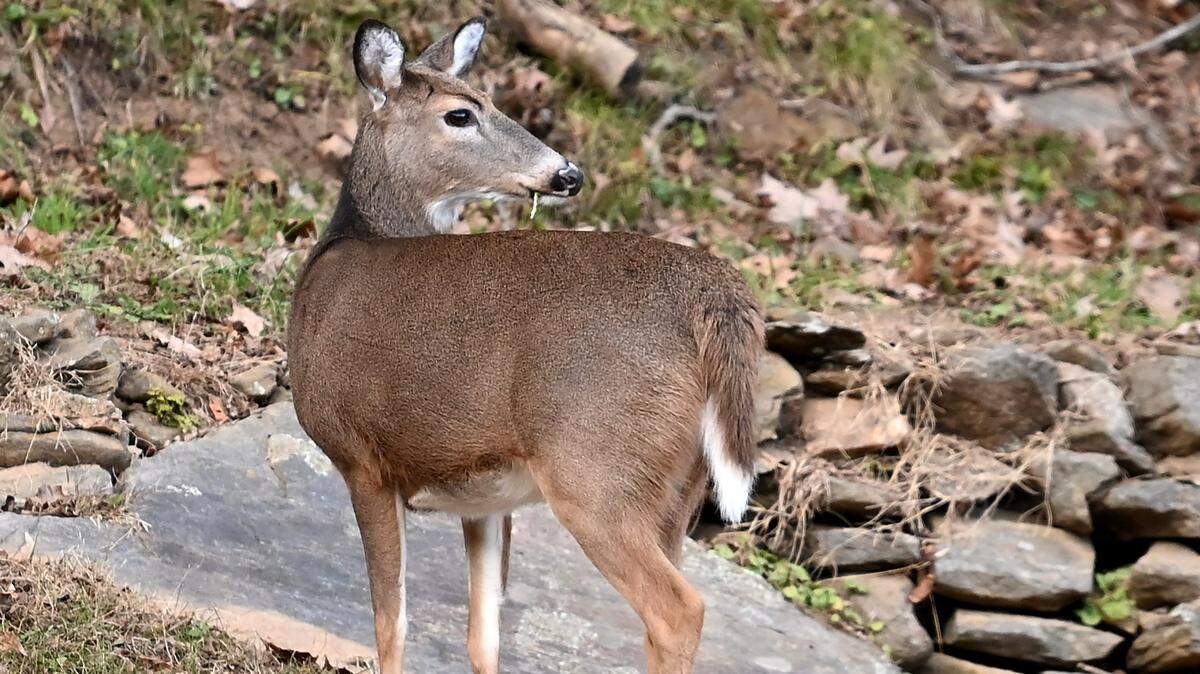
October through December is the peak time for vehicle wrecks involving deer in this state, according to a Charlotte Observer analysis of state data.
North Carolina traffic safety officials try to prevent vehicle collisions with deer year round, including posting deer crossing signs, said Brian Murphy, a N.C. traffic safety systems engineer.
But those measures have limited effects. Deer are going to make it onto the road, he said.
So it’s up to drivers to try to protect themselves. Here’s how, according to the state Wildlife Commission:
▪ Slow down in wooded areas or places with deer crossing signs.
▪ Drive with the vehicle’s high beams on when possible and watch for animals’ eyes reflecting in the headlights.
▪ If you see deer, slow down and give your horn a long, loud blast.
▪ If you see one deer, watch for more. They often roam in herds.
▪ Do not swerve! Swerving to avoid a deer on the road could cause a car to drive into oncoming traffic or off the road.
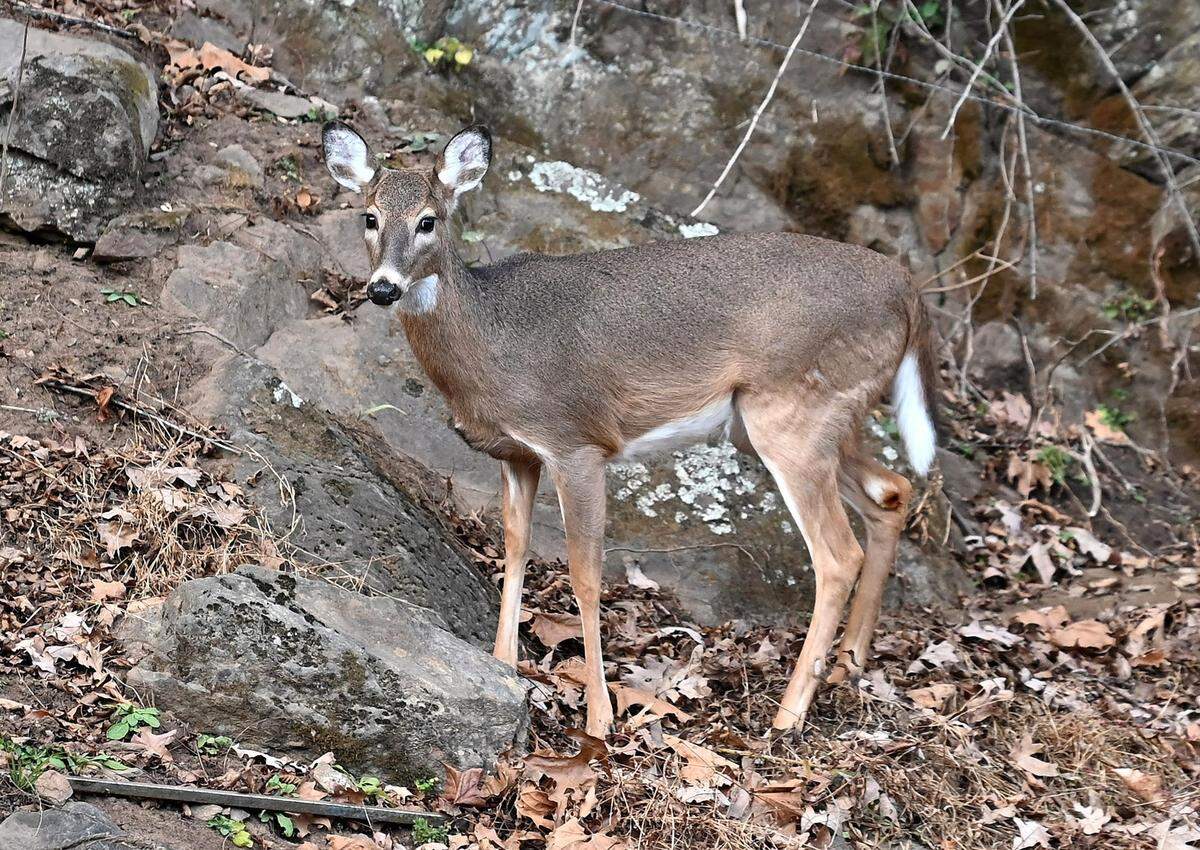
It’s much safer for drivers to stay in their lane and brake if they can, said Christopher Casey master trooper with the N.C. State Highway Patrol.
Dan Henderson, who lives in Lincoln County and hit a deer while driving home last month, said he didn’t have time to react. He was going about 60 mph when the deer leaped in front of him.
Repairs to his truck will cost about $7,500, Henderson said. But with traffic coming in the opposite direction, it could have been much worse if he tried avoiding the deer, he said.
This story was originally published December 17, 2024 at 5:30 AM with the headline "Drivers: Here’s a not-obvious, best response for when deer suddenly appear on the road."