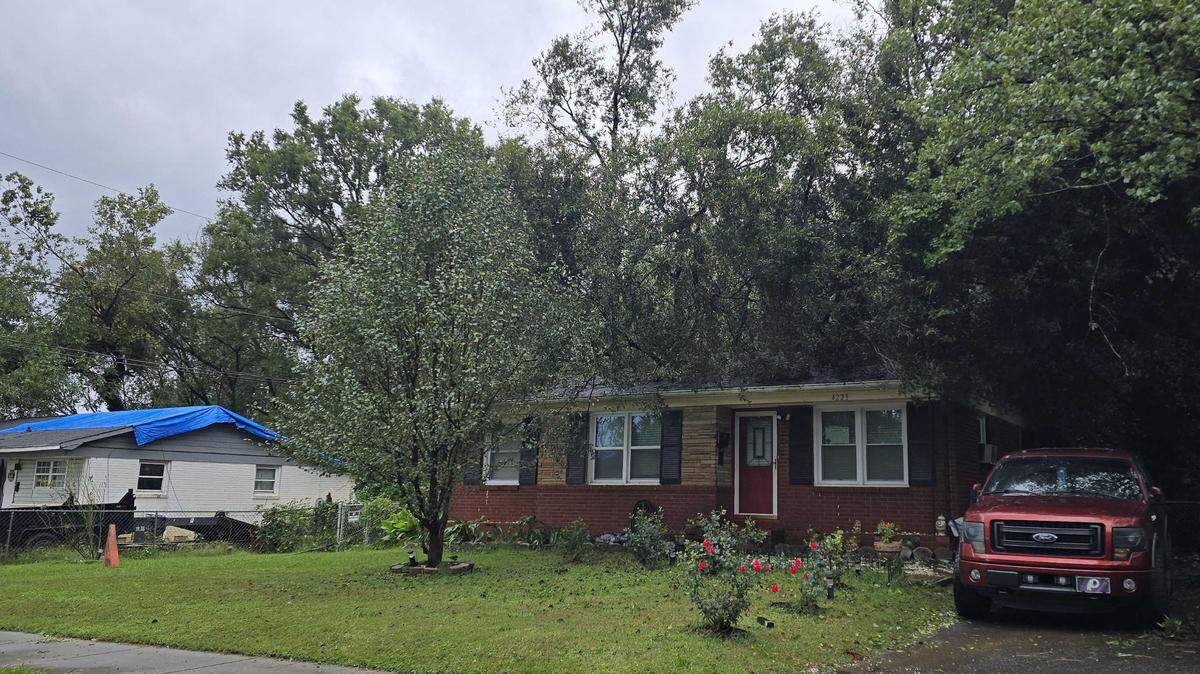
Helene wrecked their Western NC towns and homes. Then came the bees and fire ants
READ MORE
Hurricane Helene Aftermath
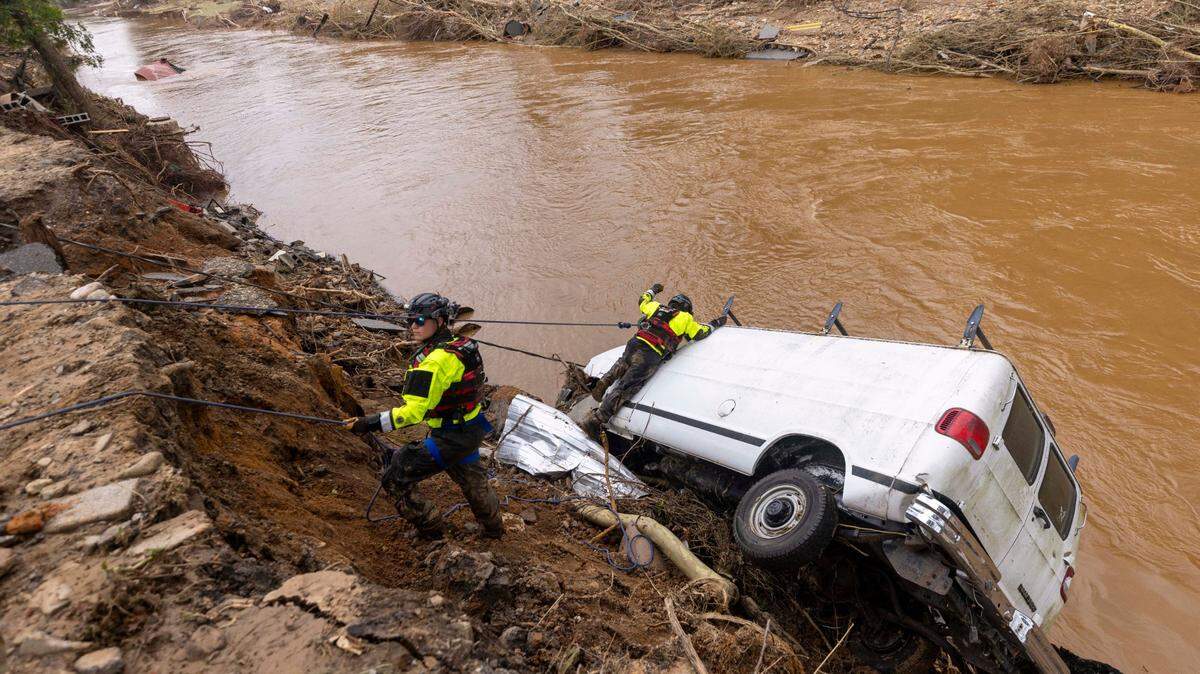
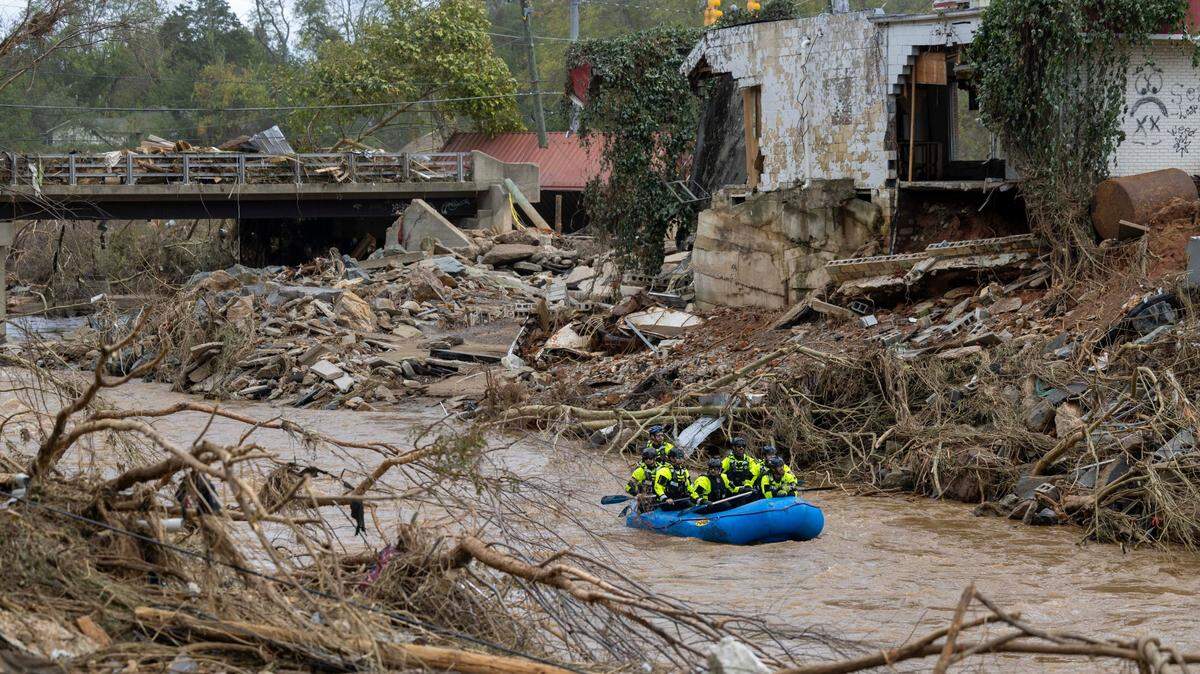
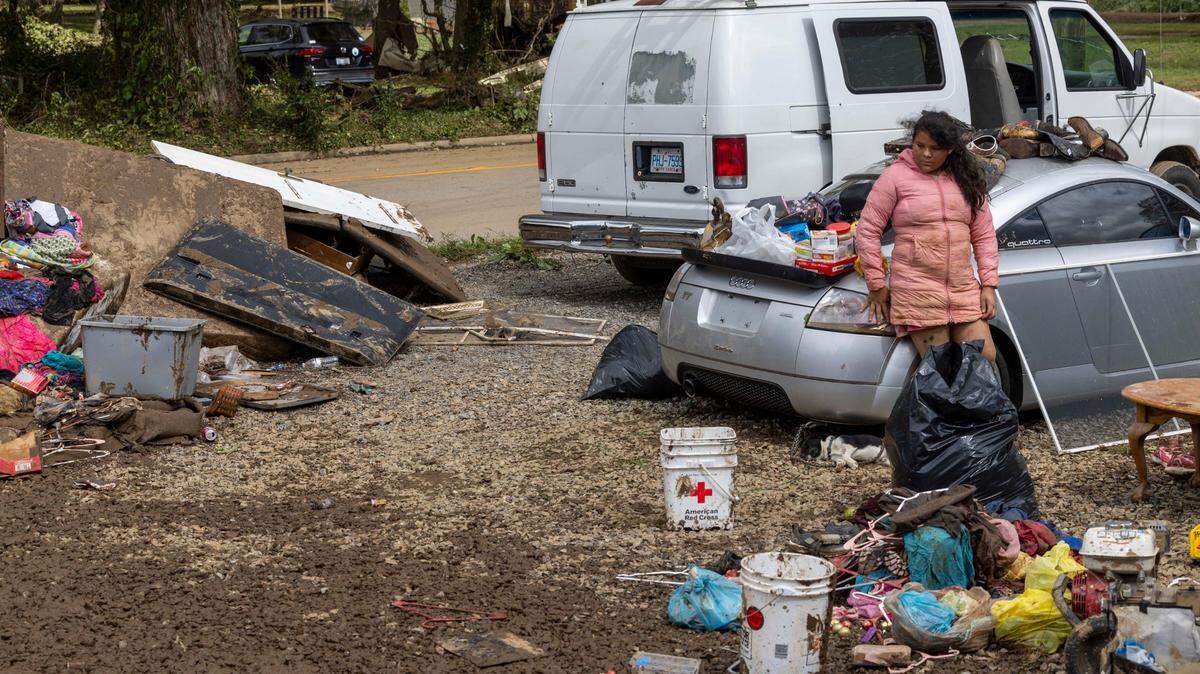
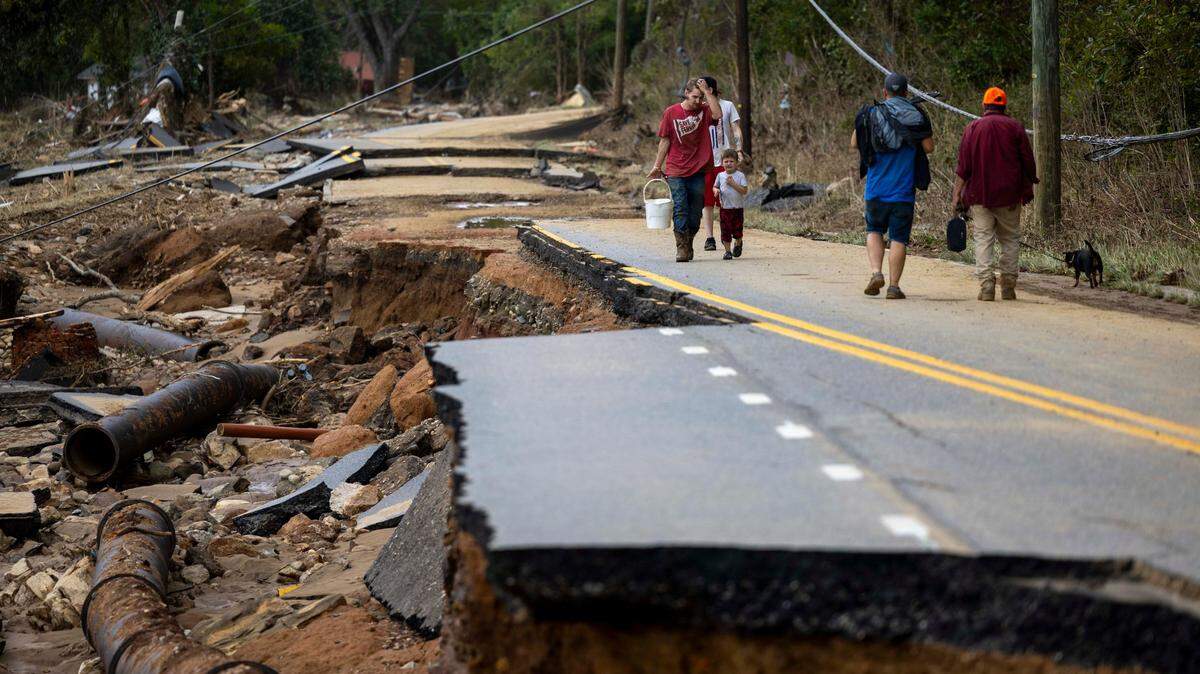
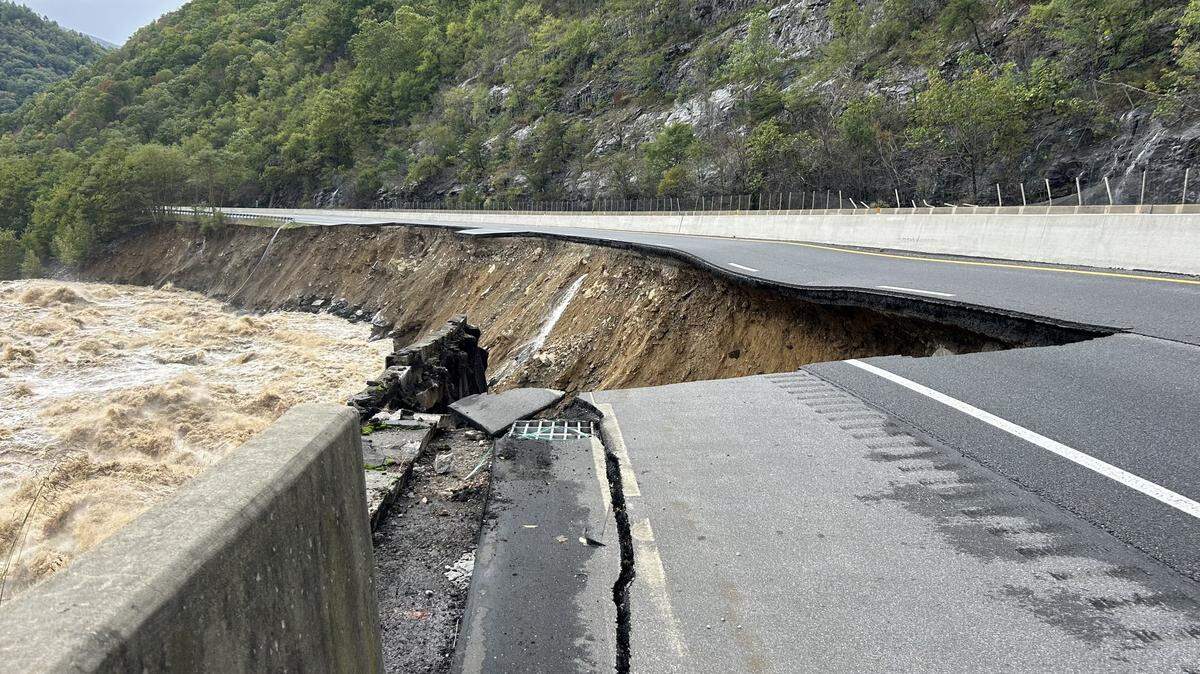
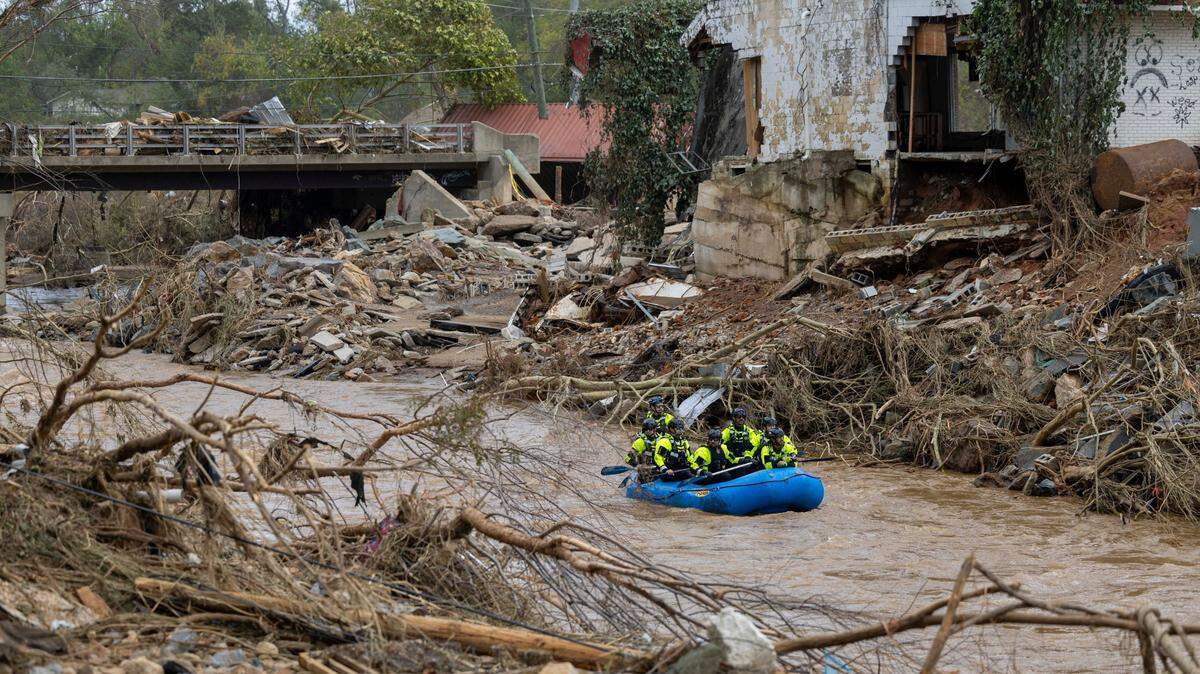
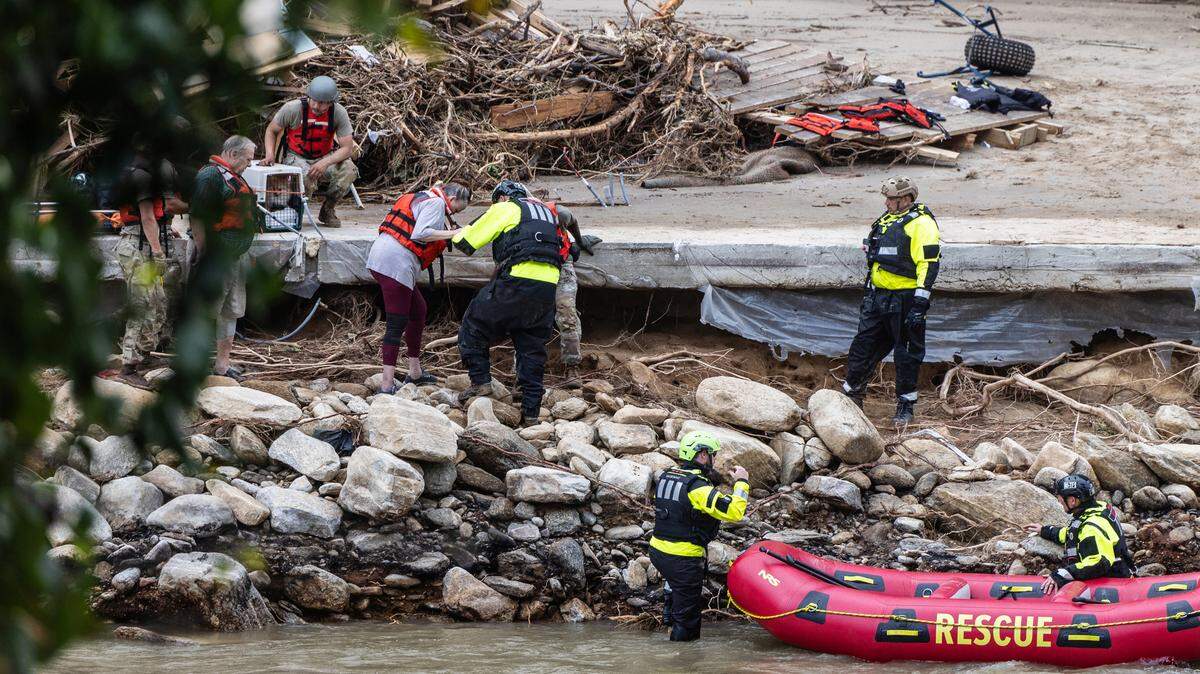
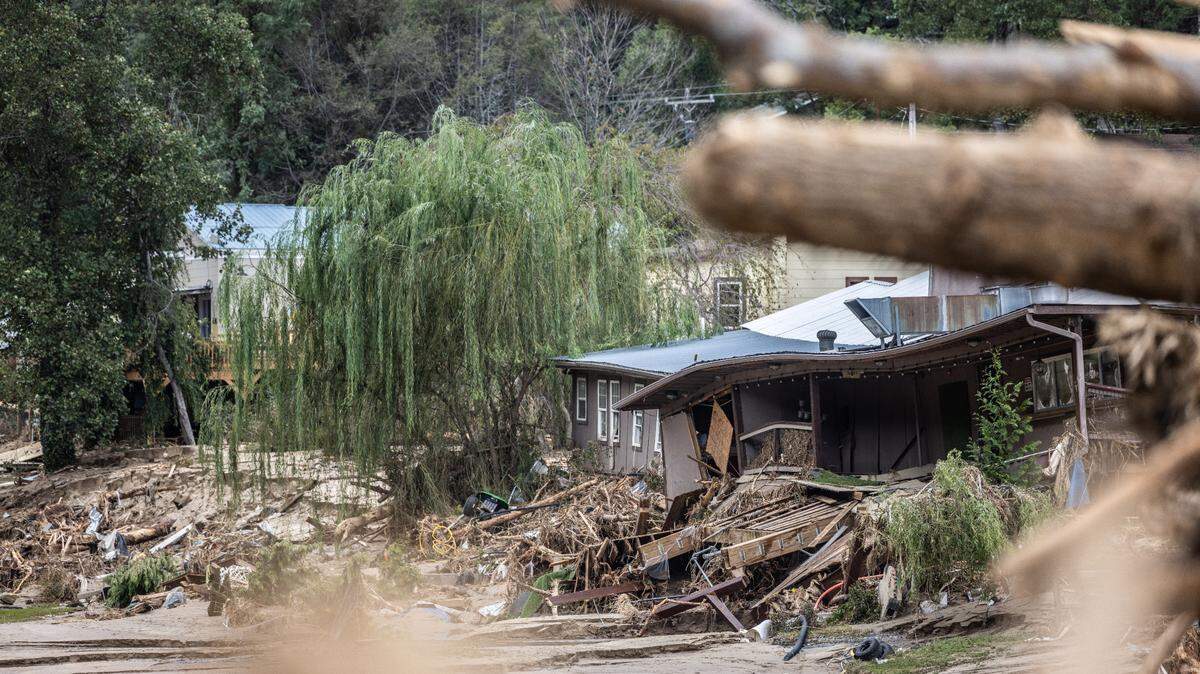
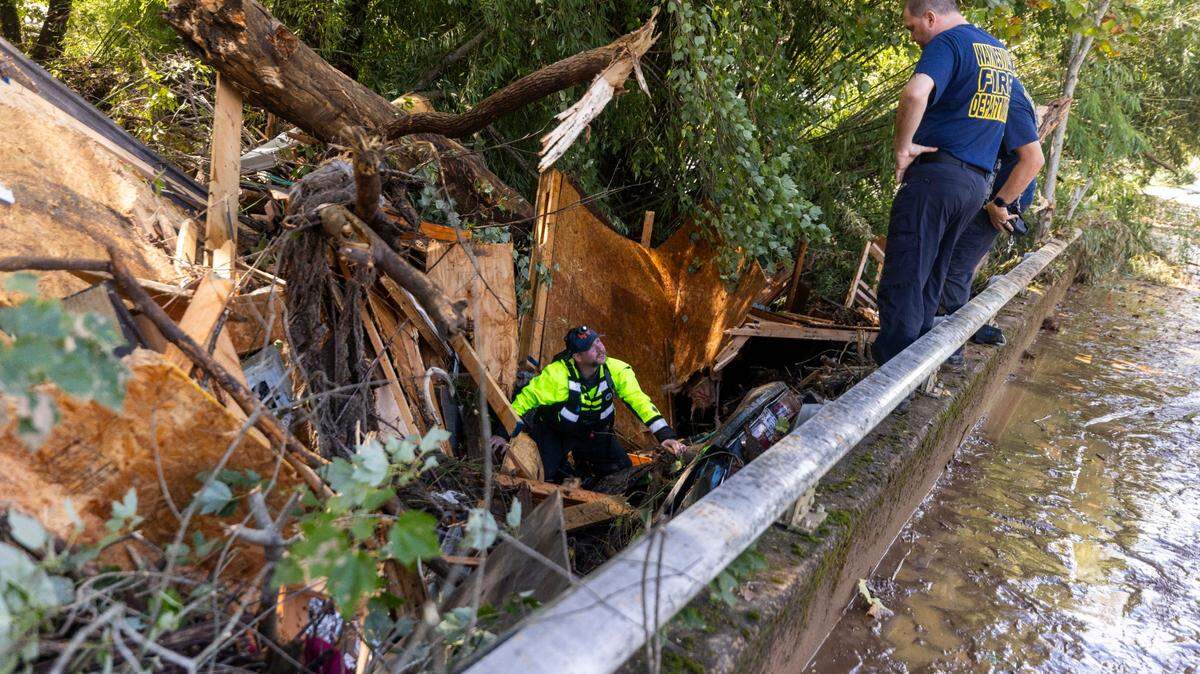
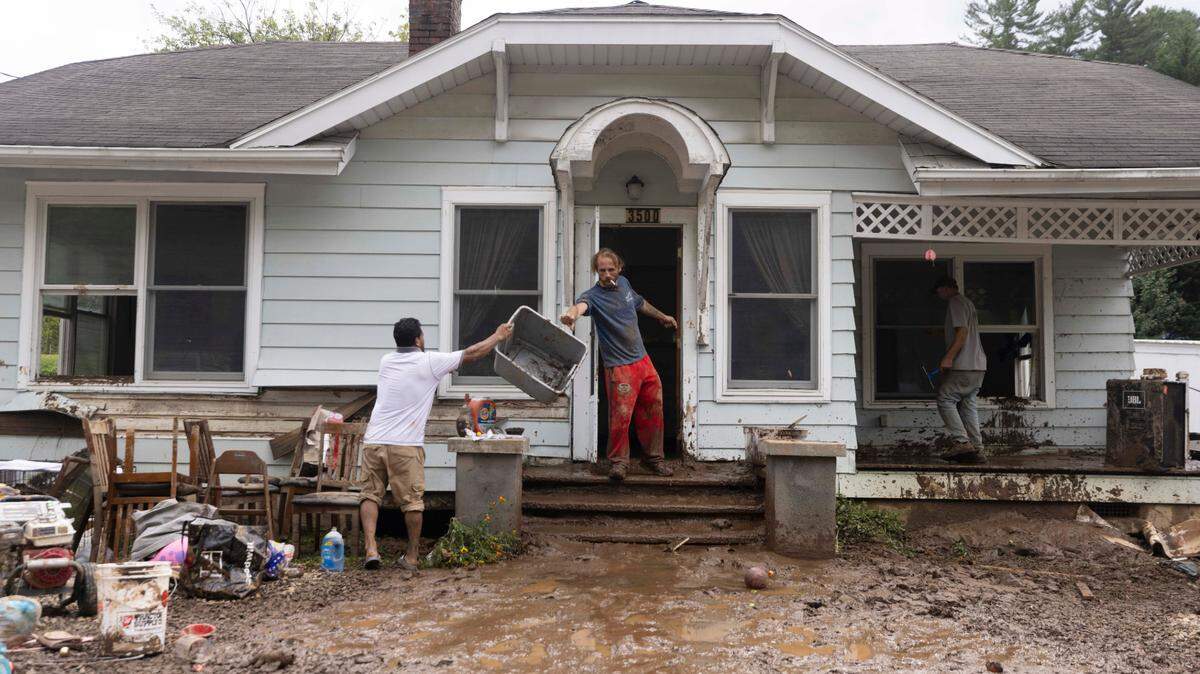
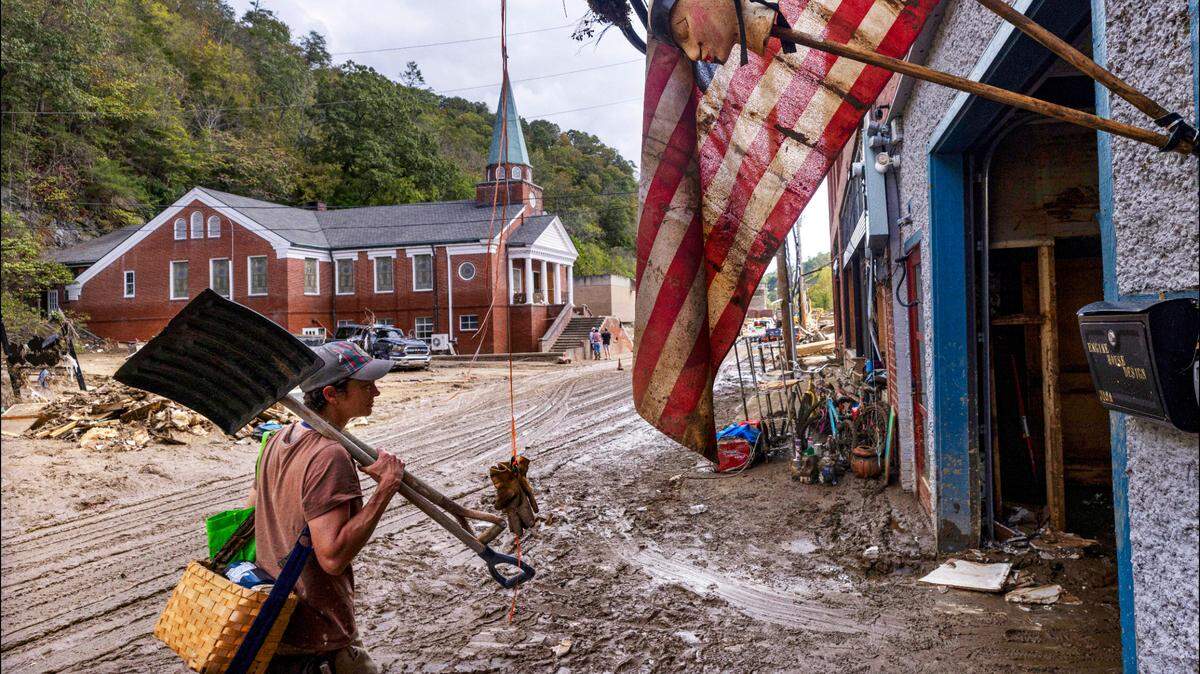
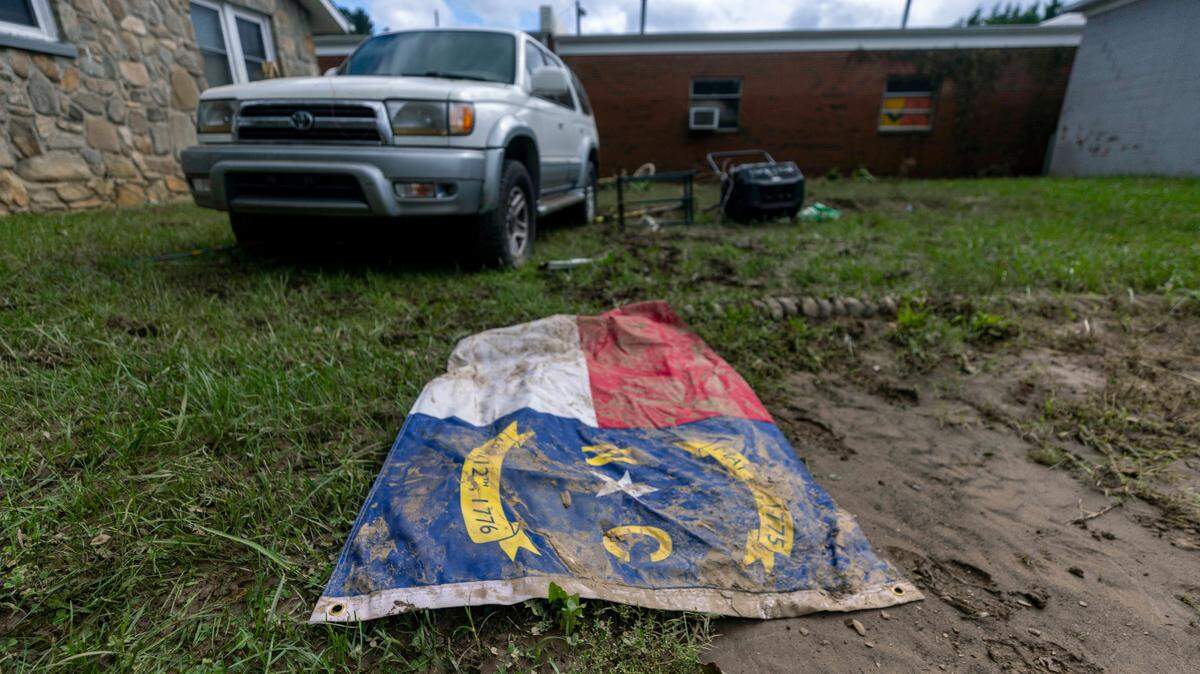
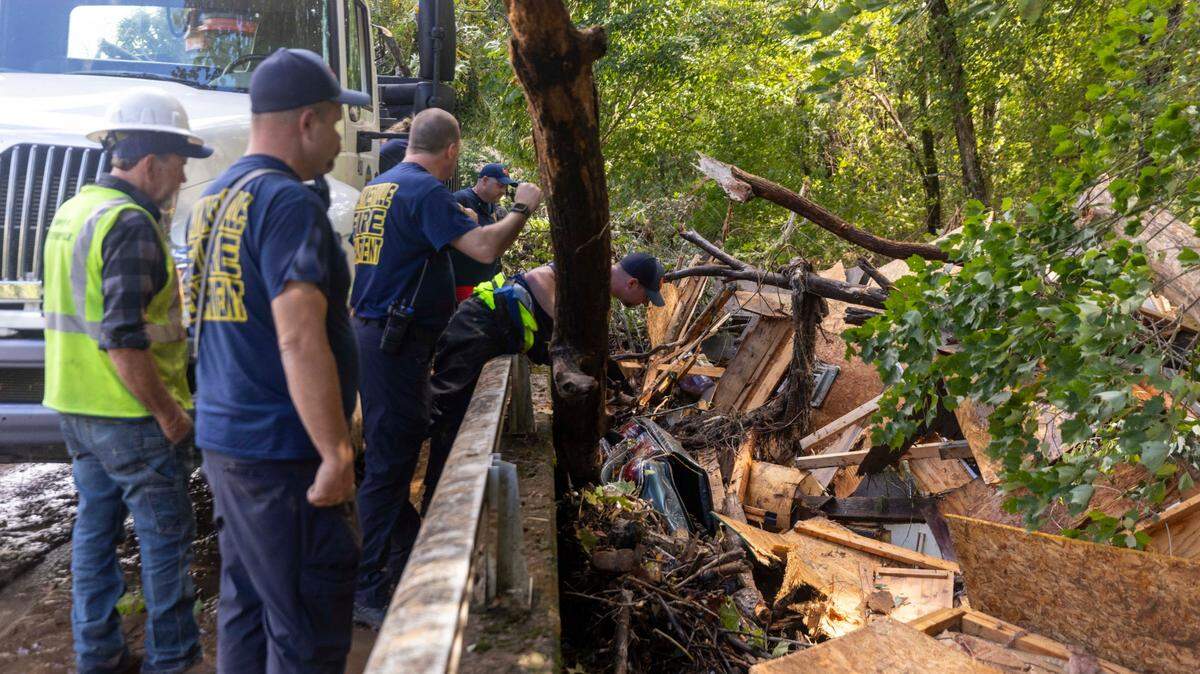
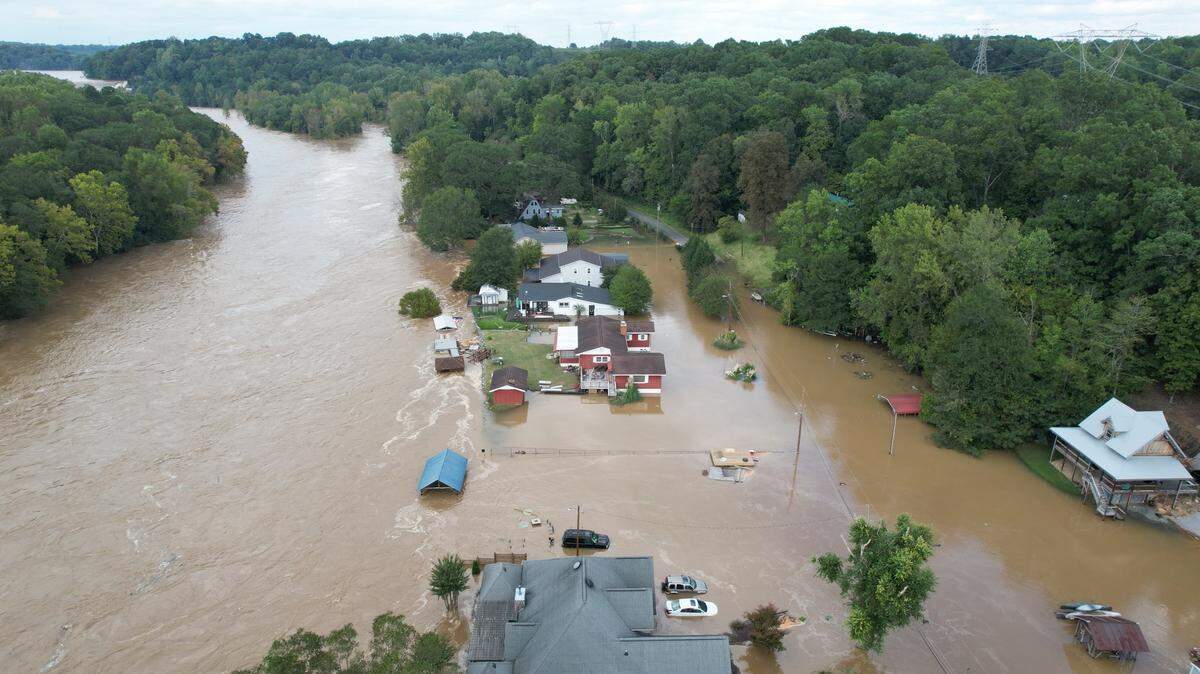
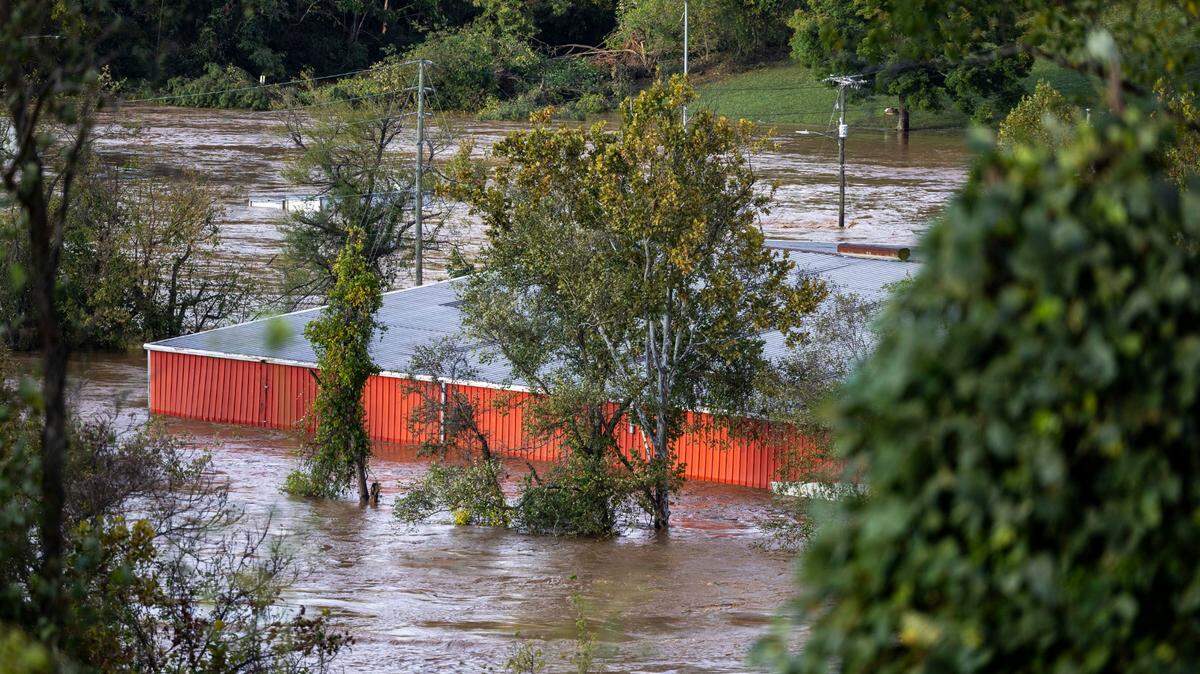
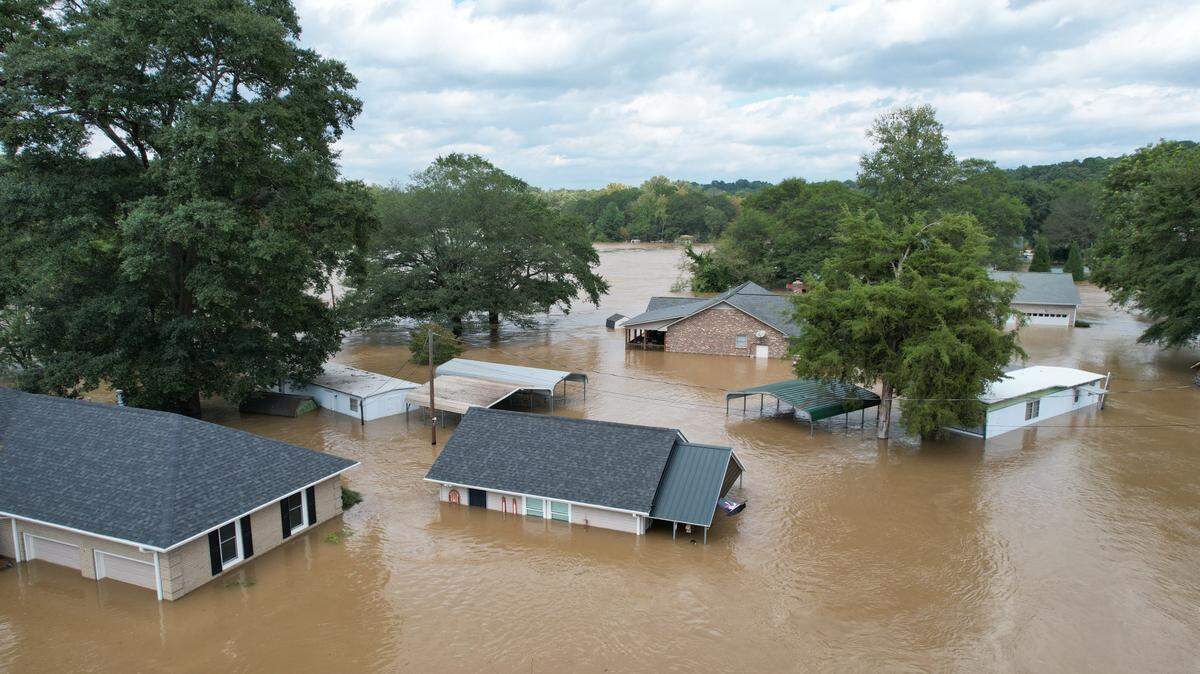
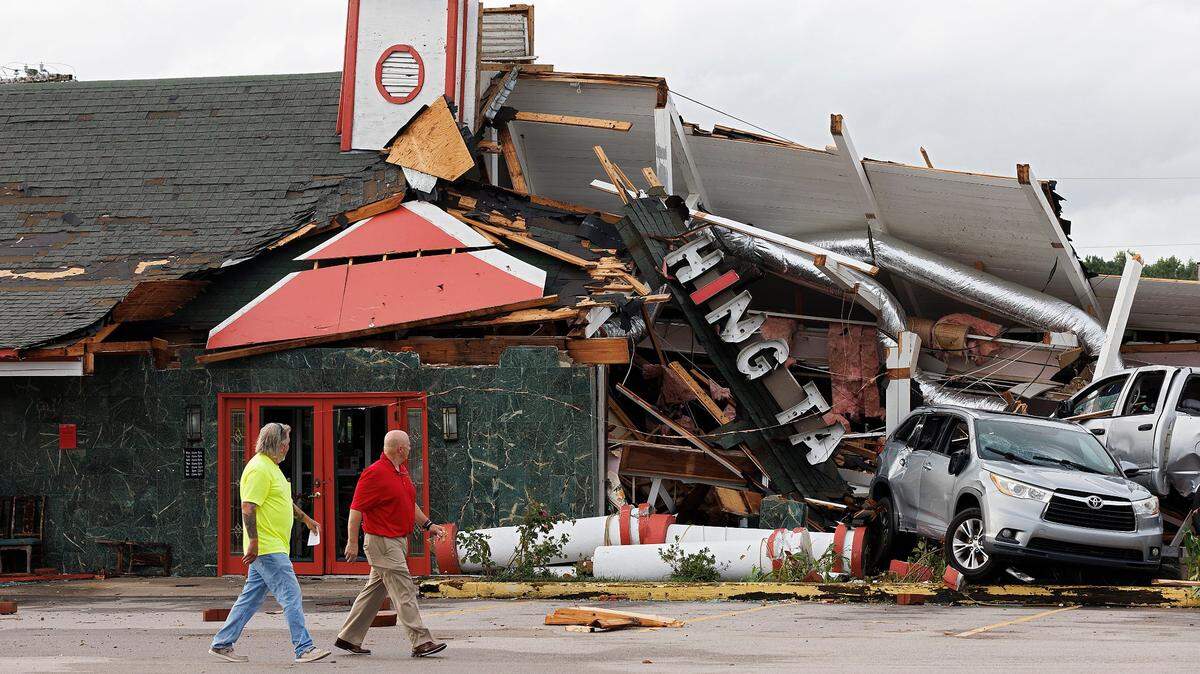
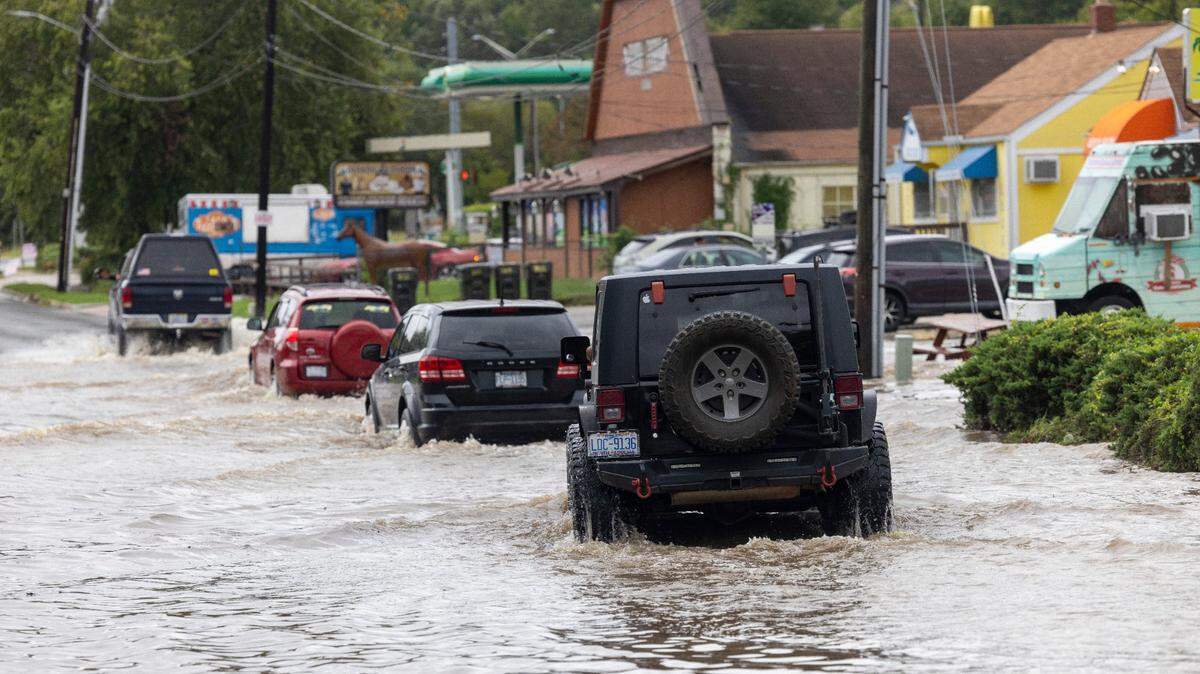
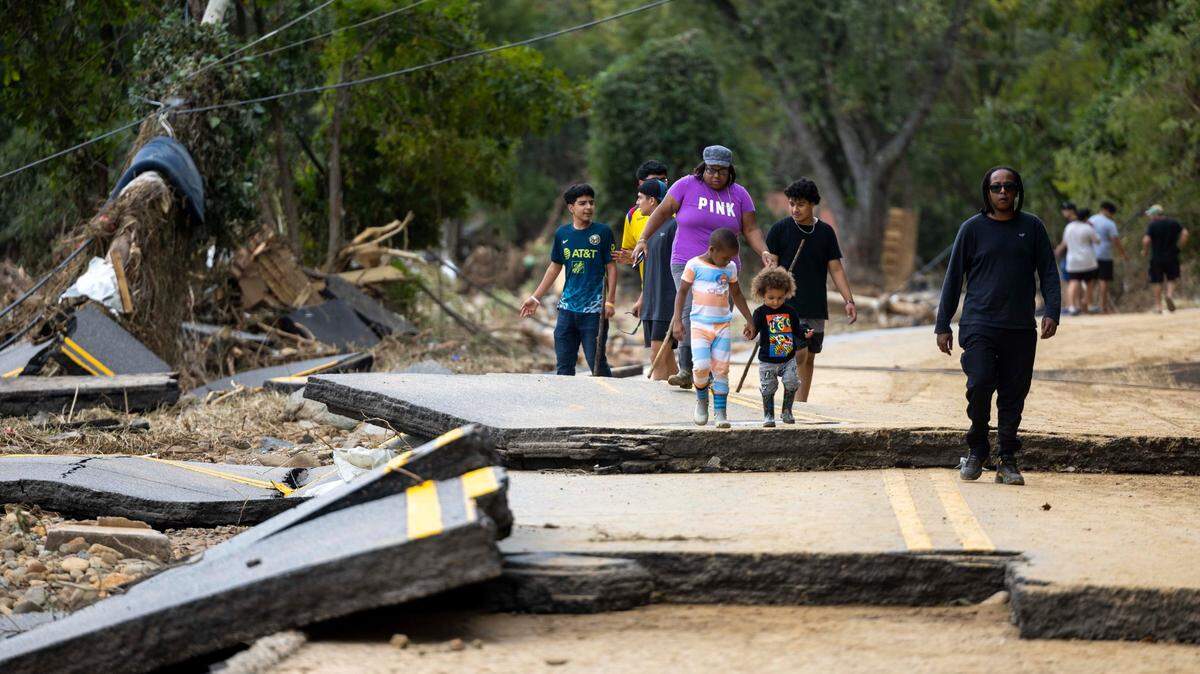
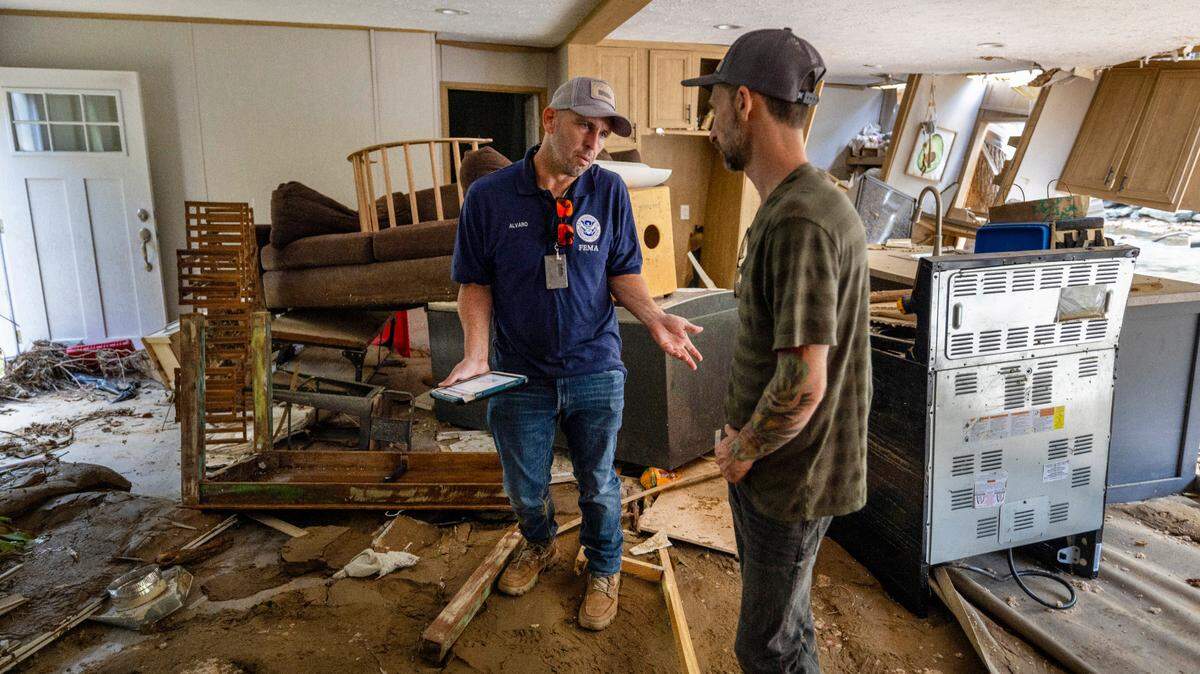
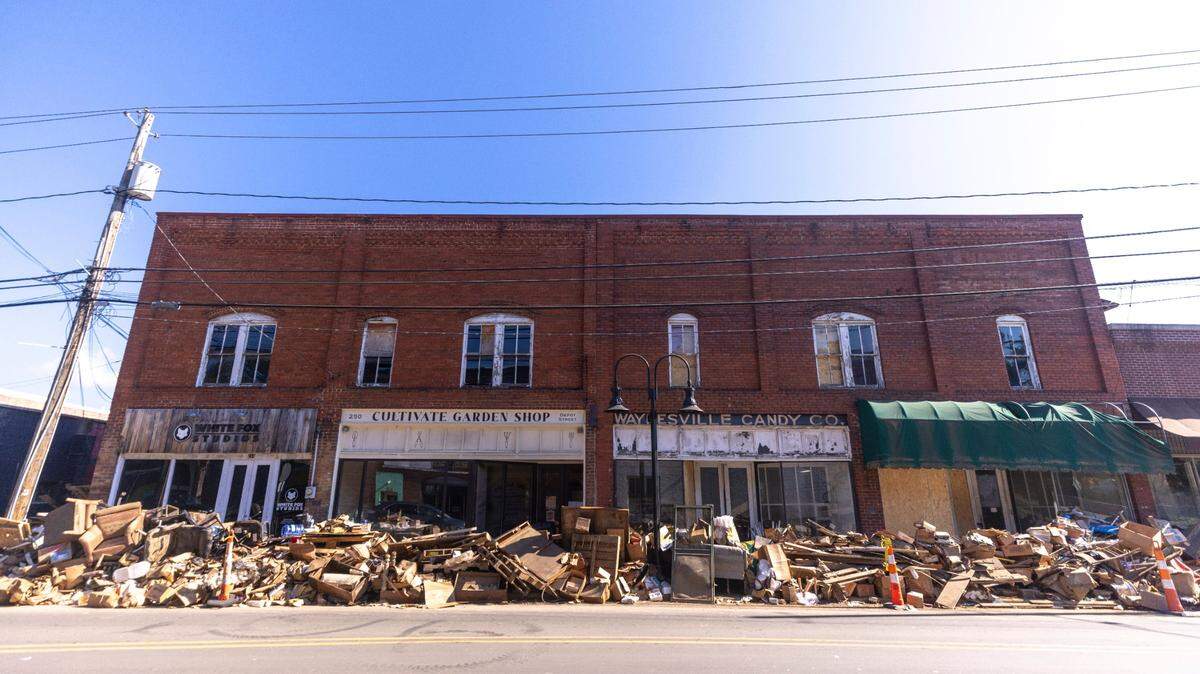
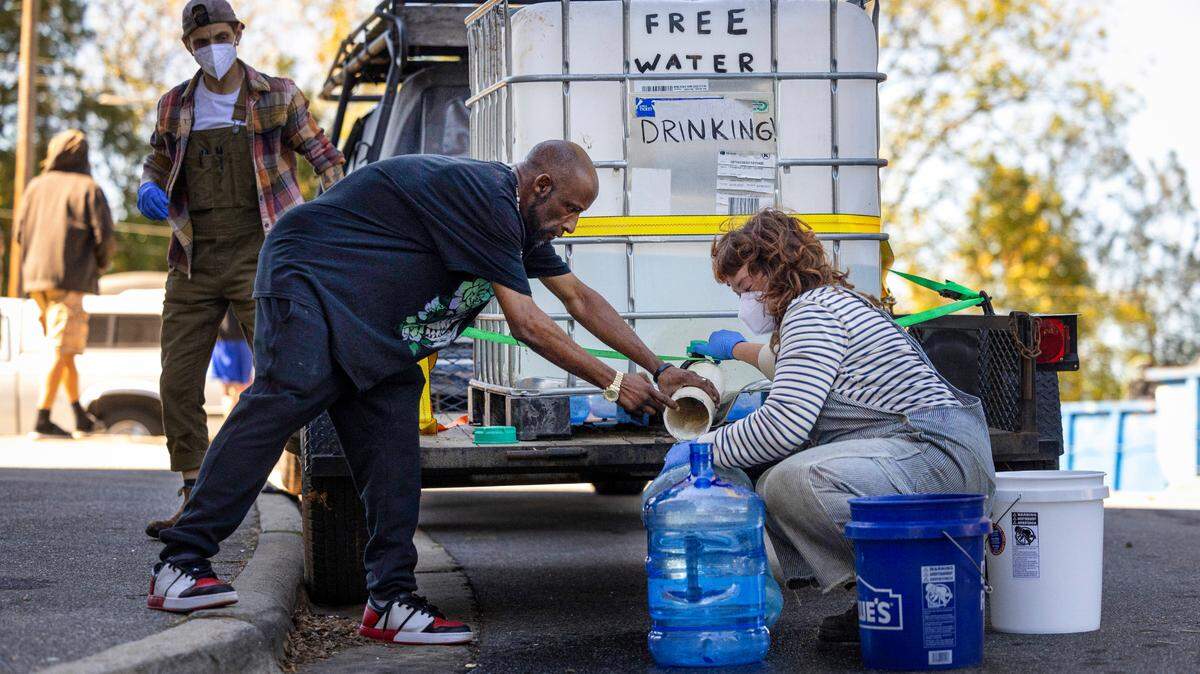
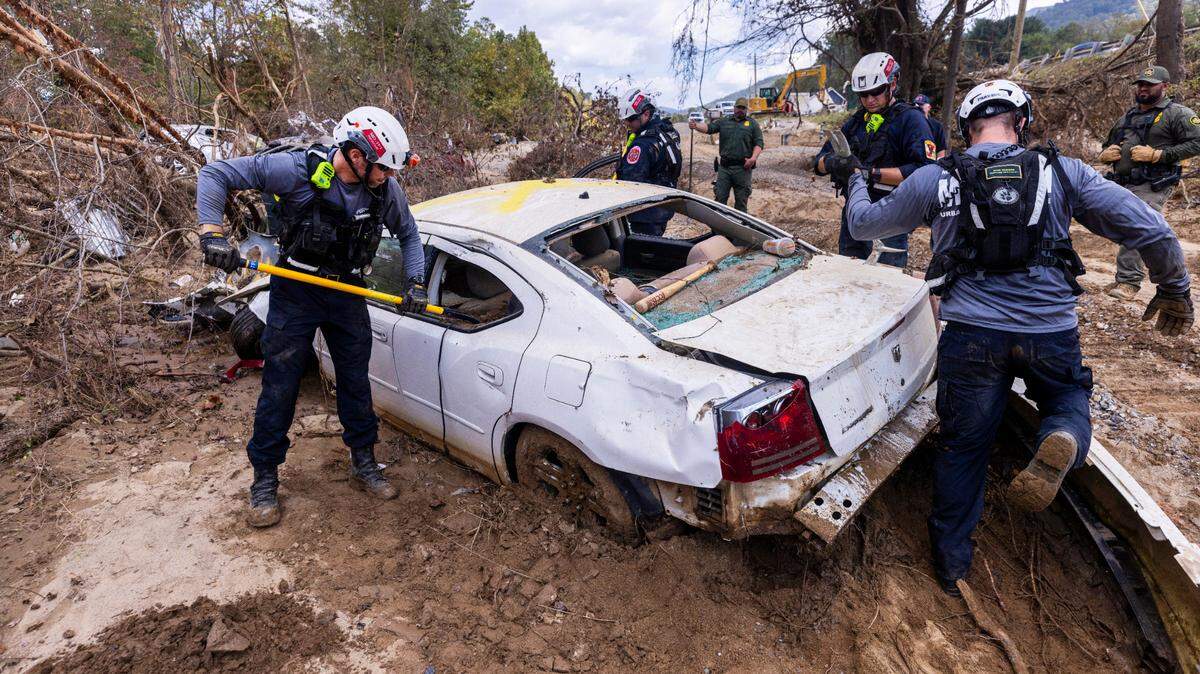
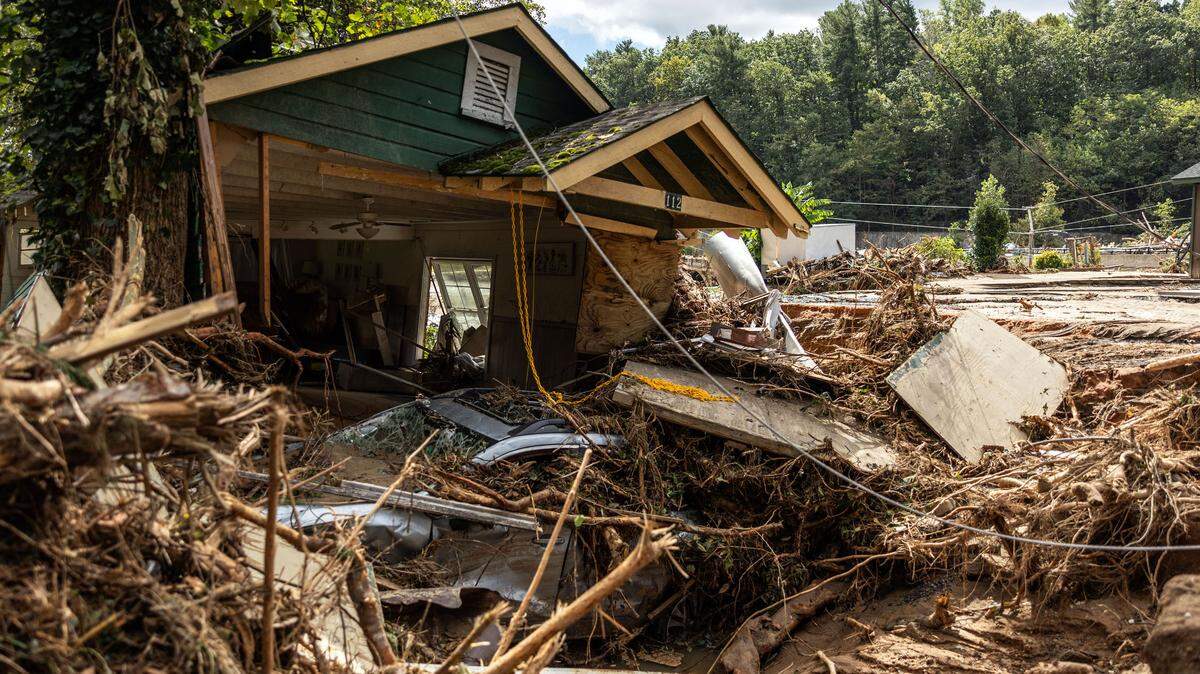
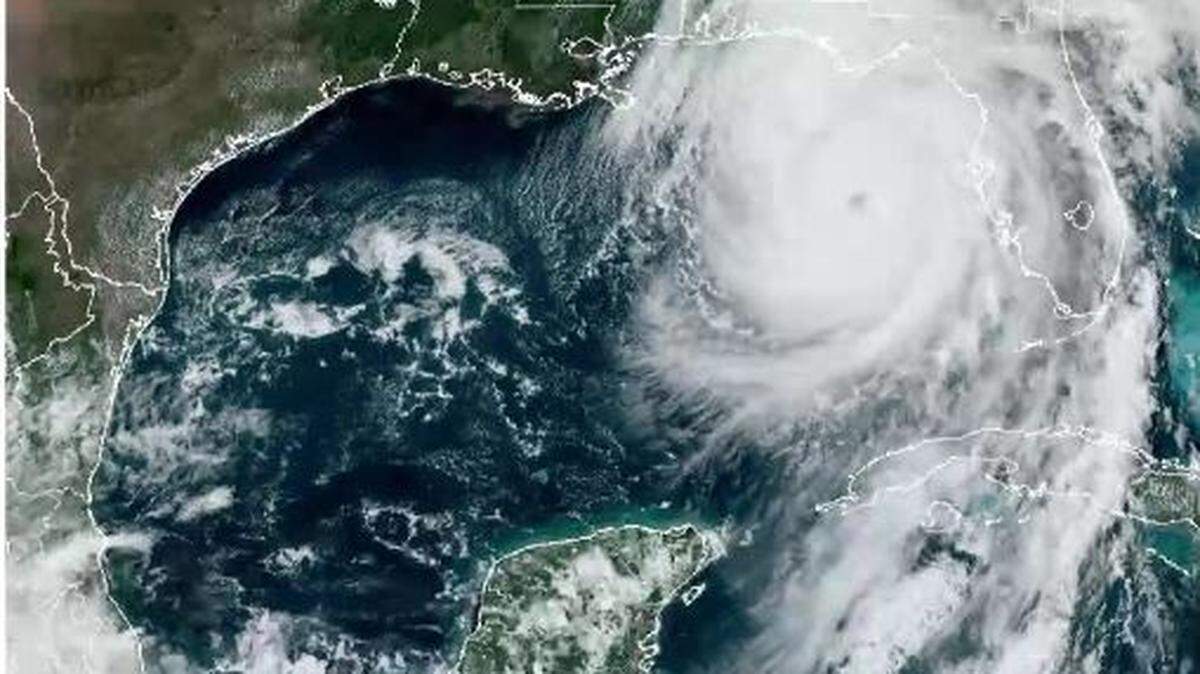
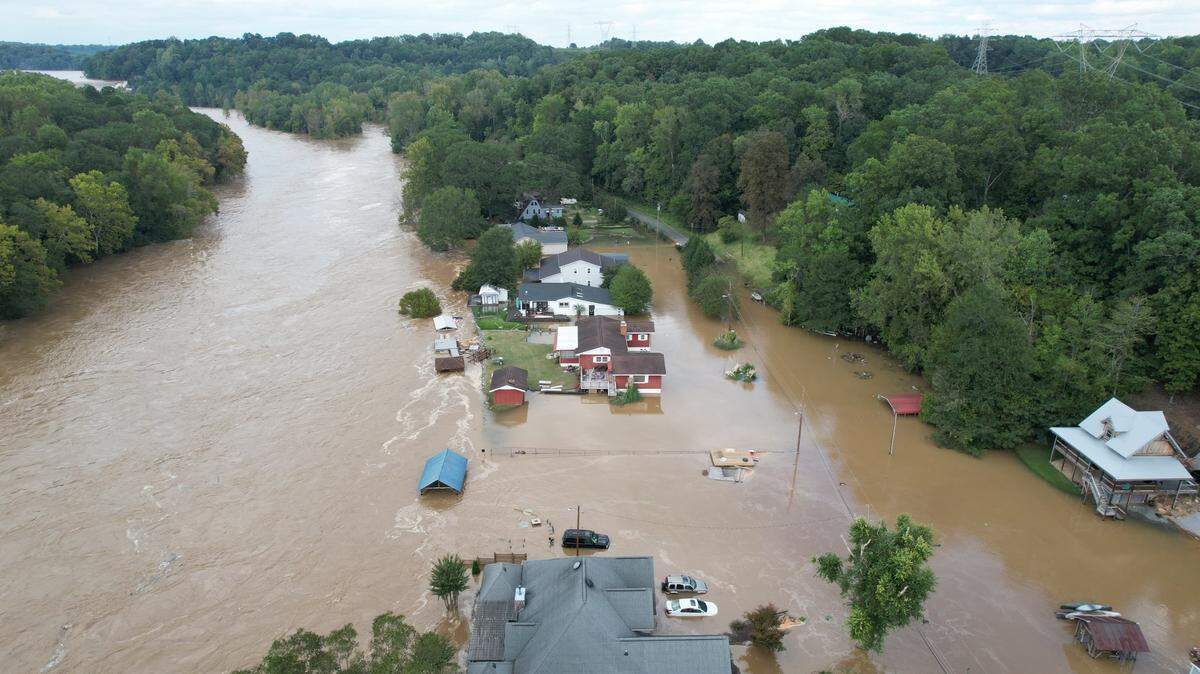
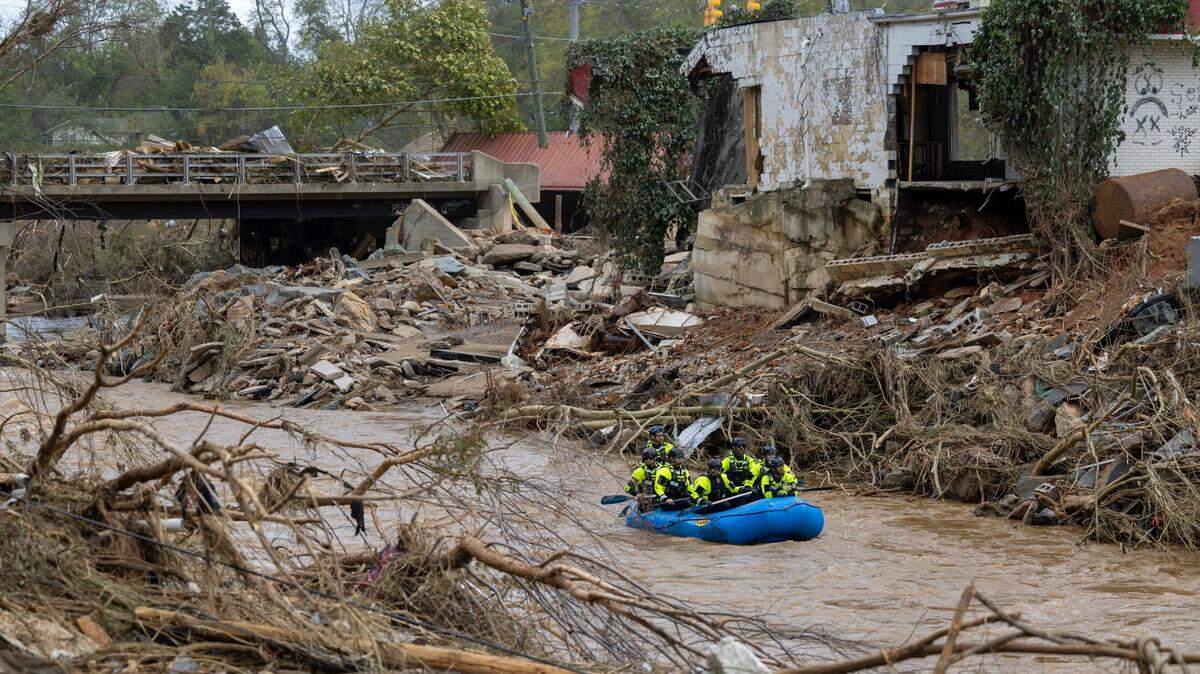
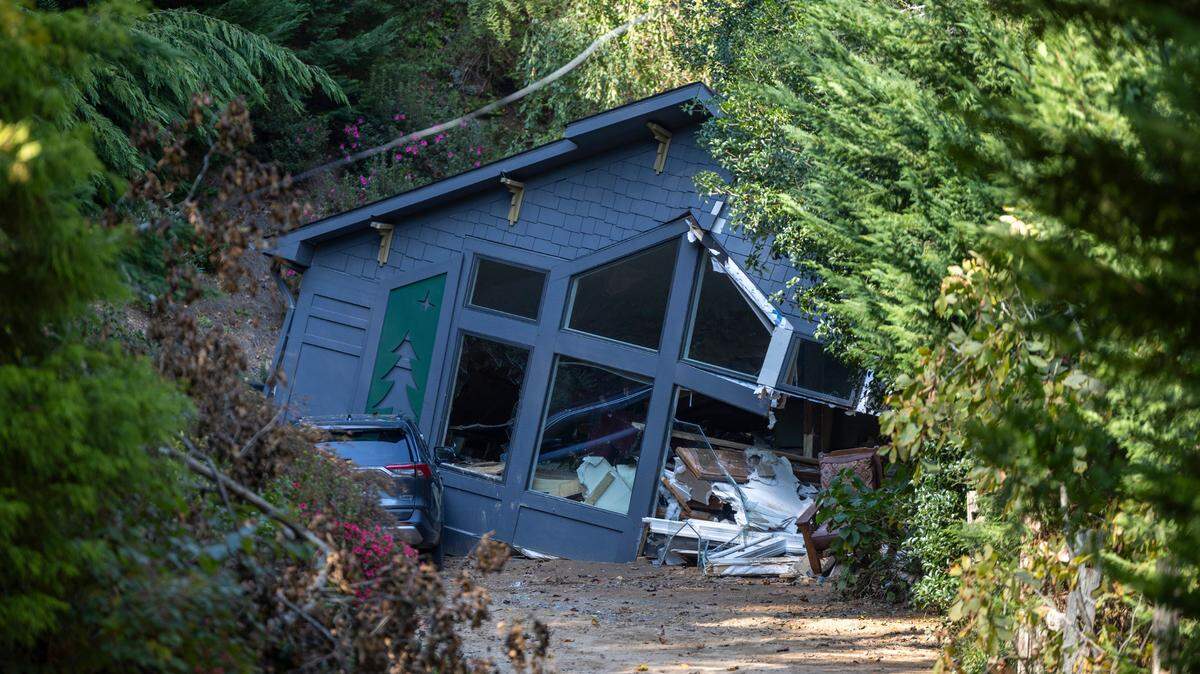
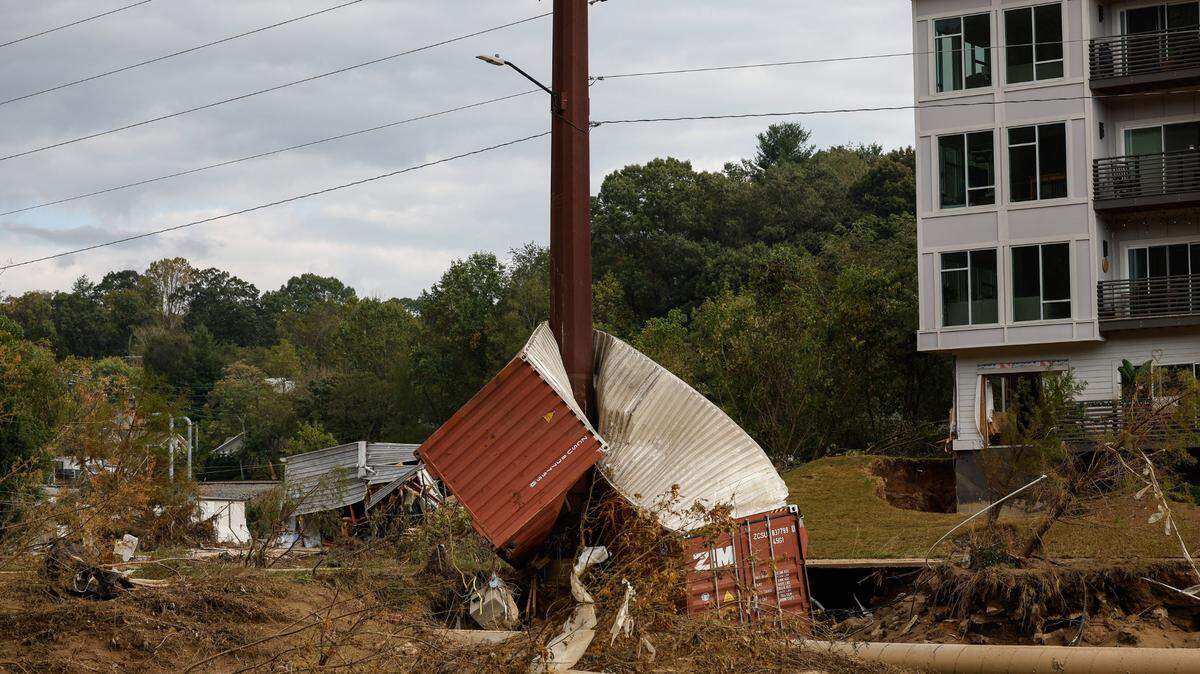
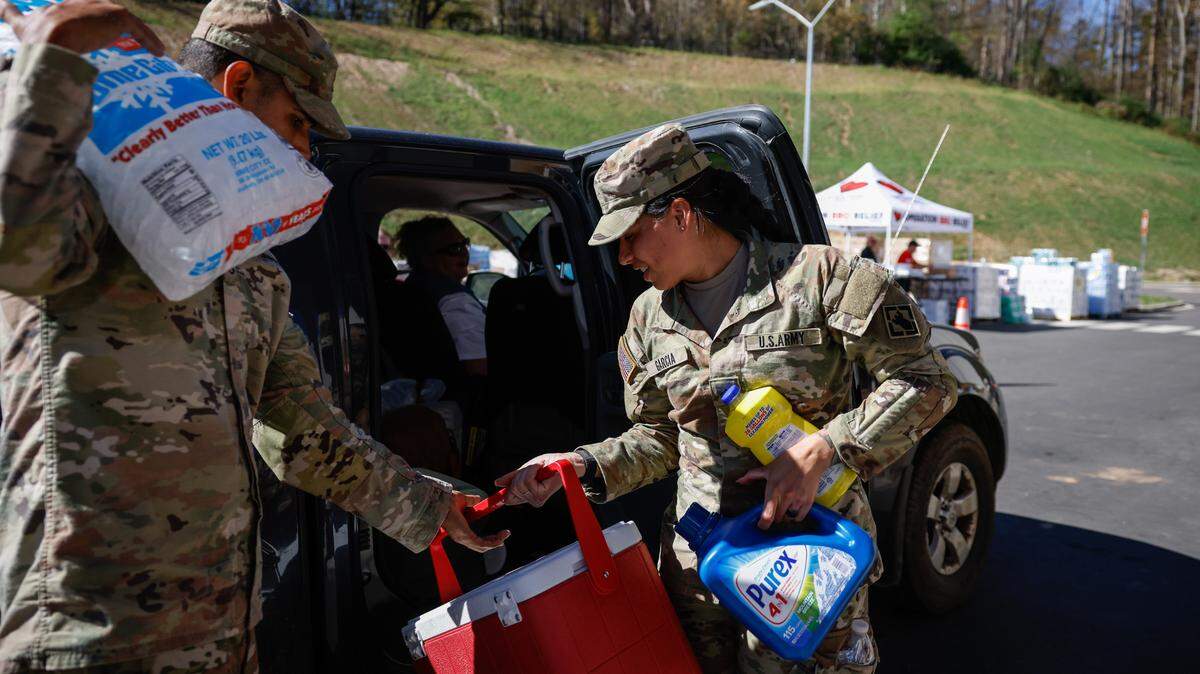
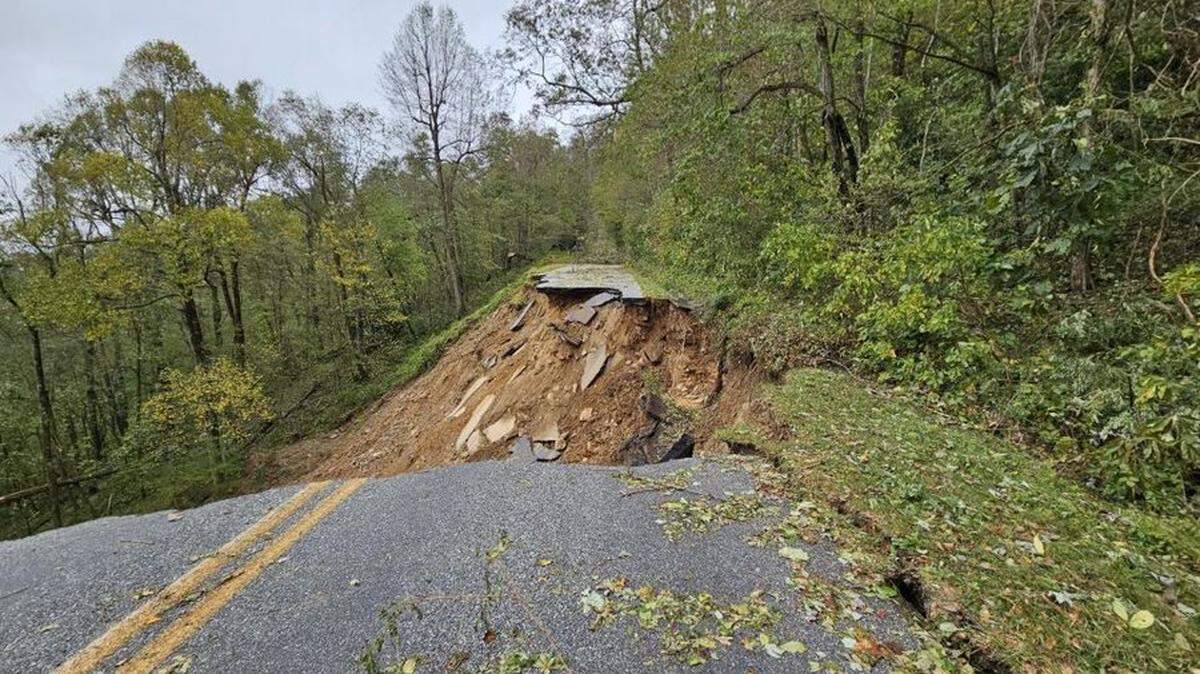
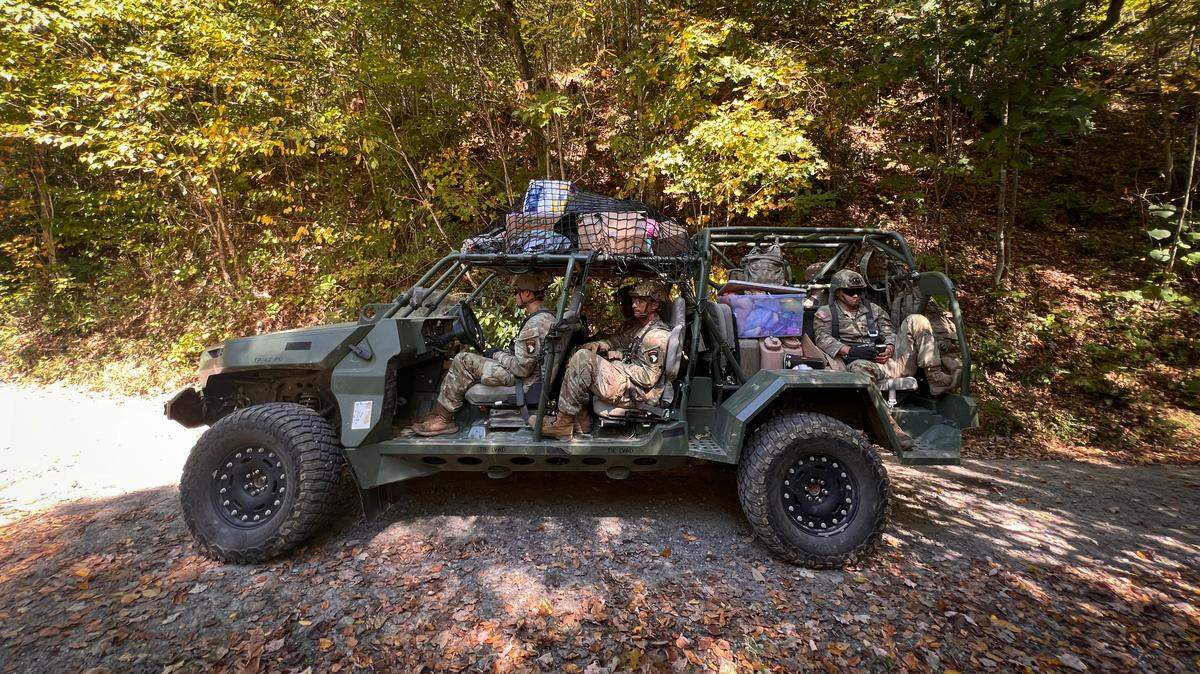
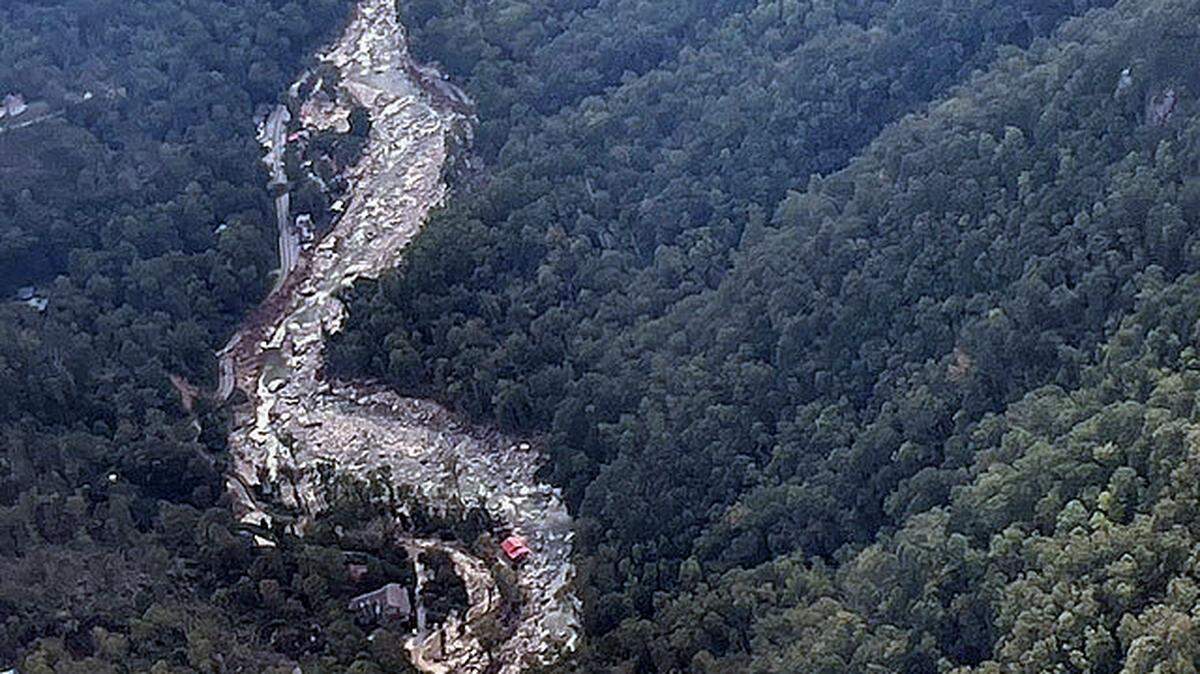
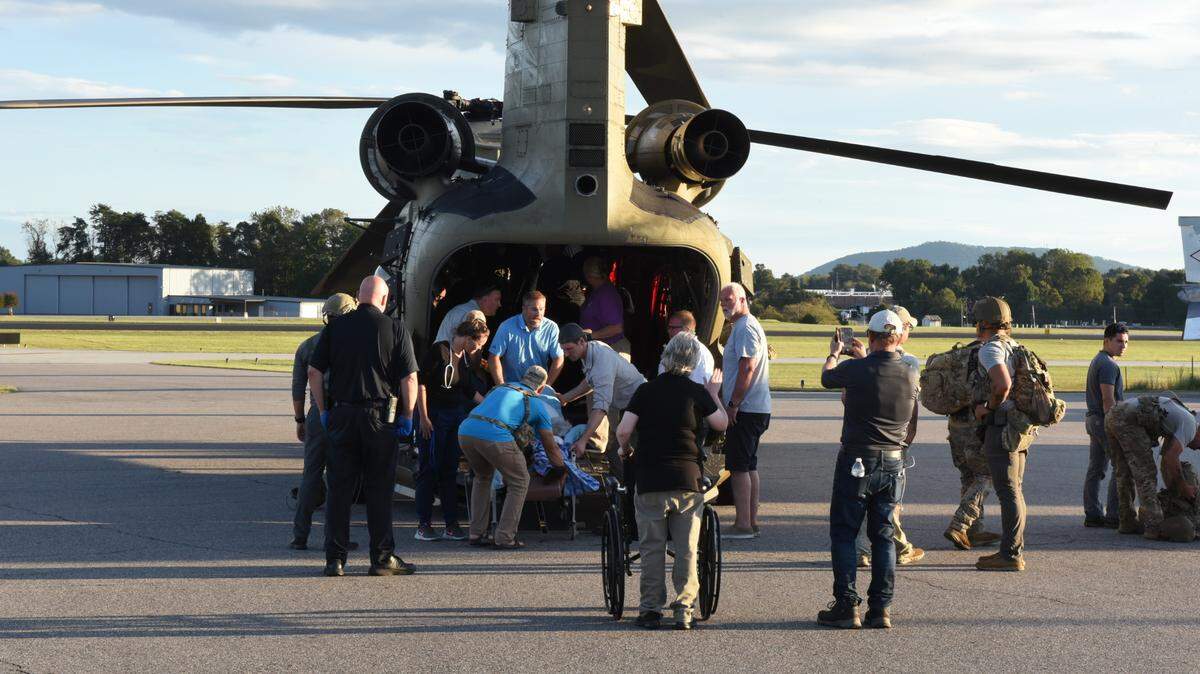
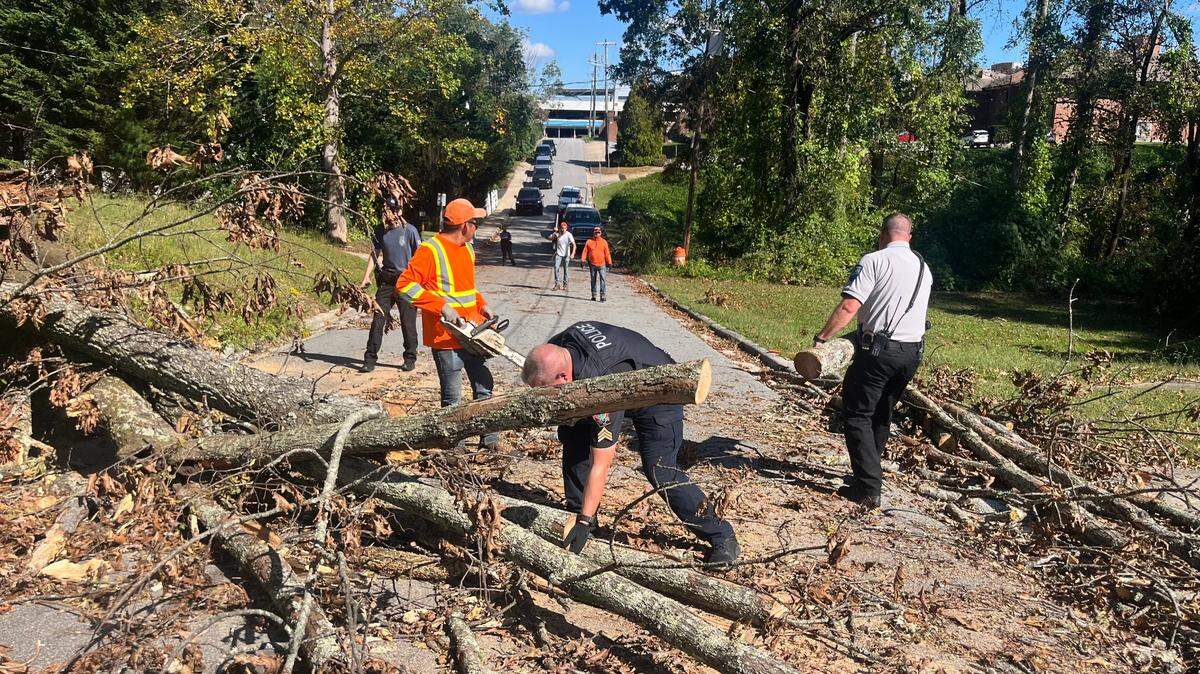
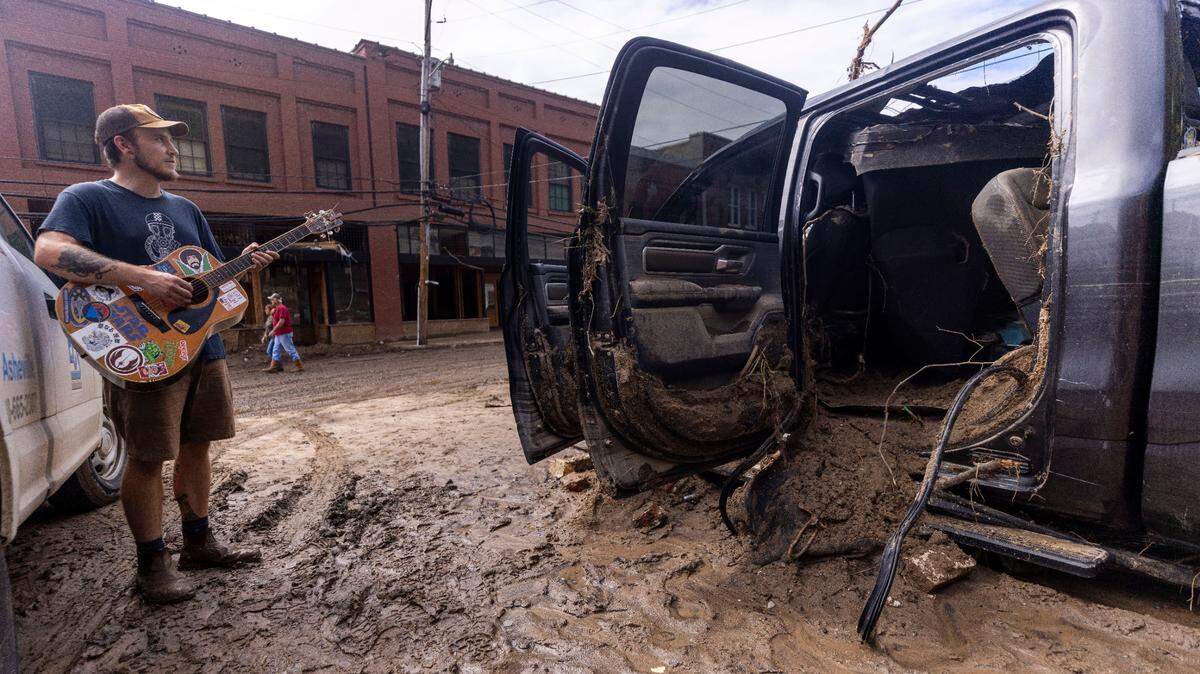
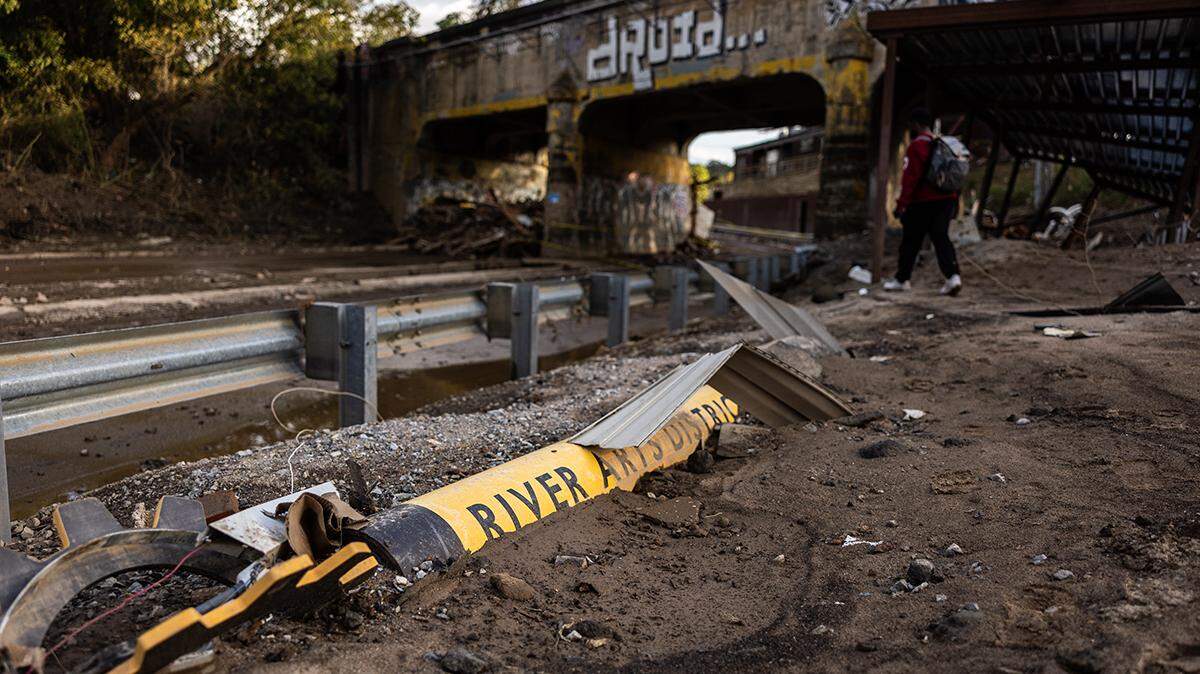
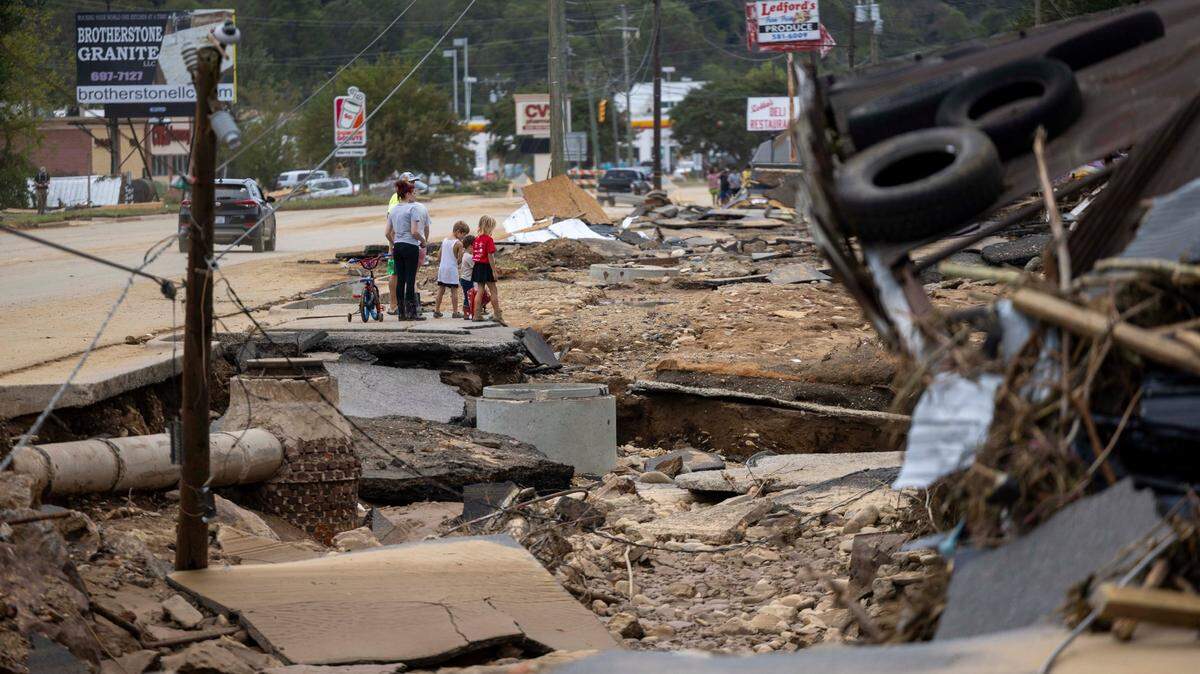
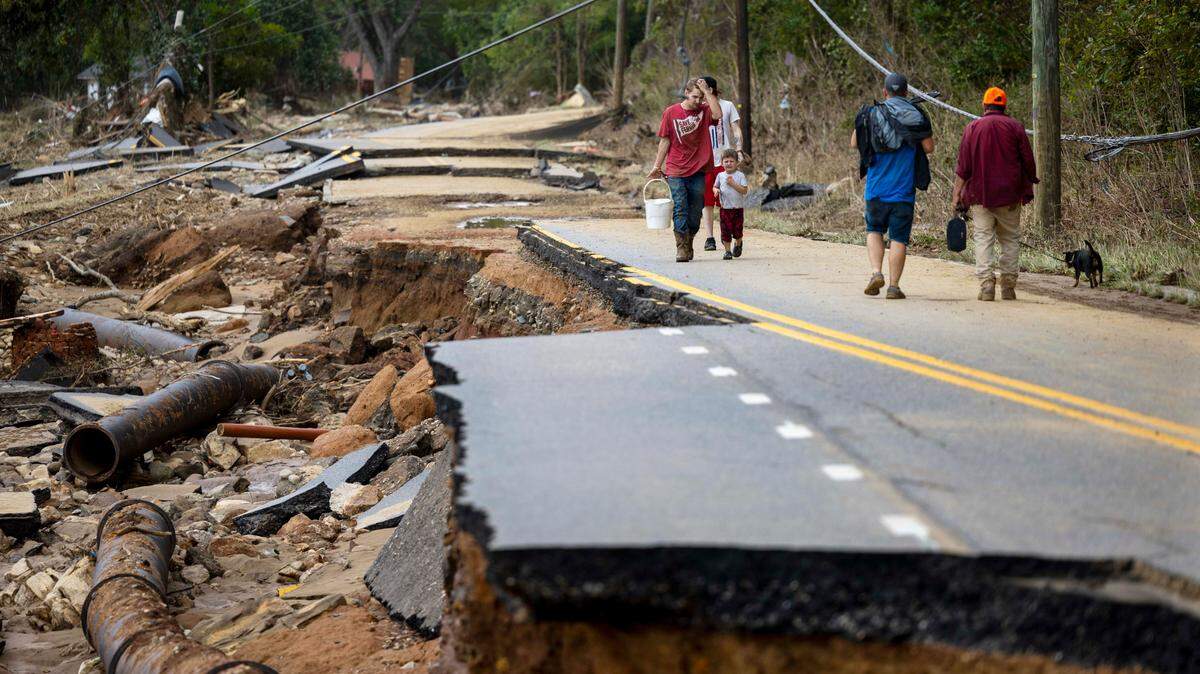
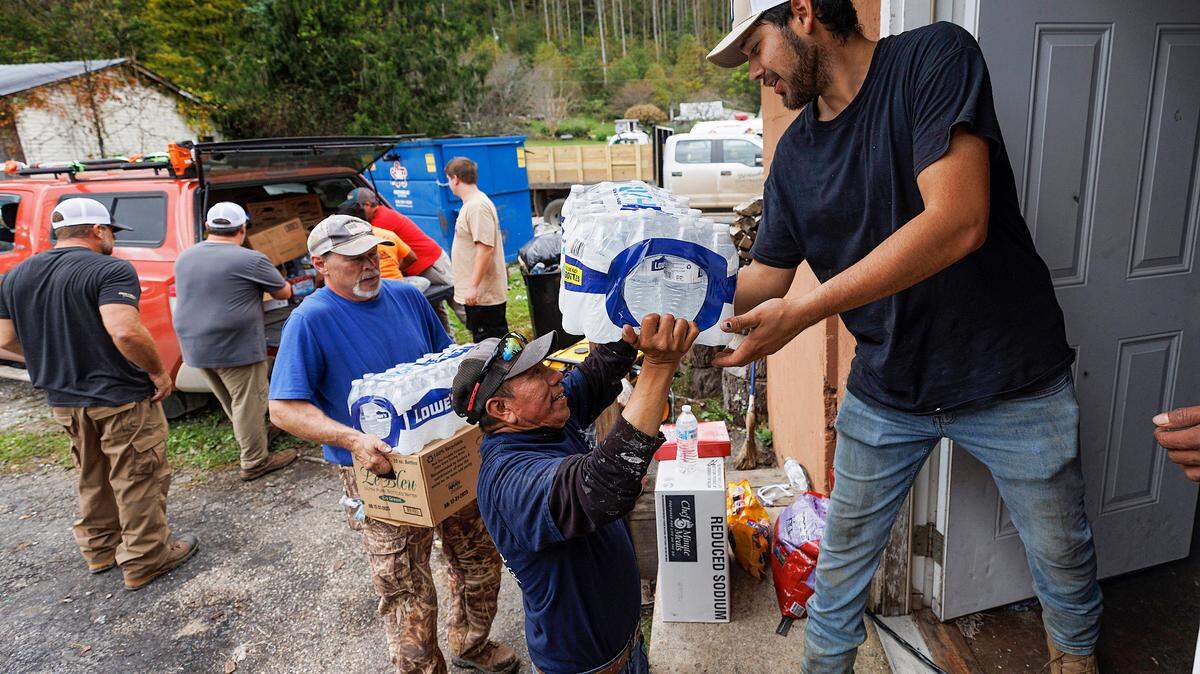
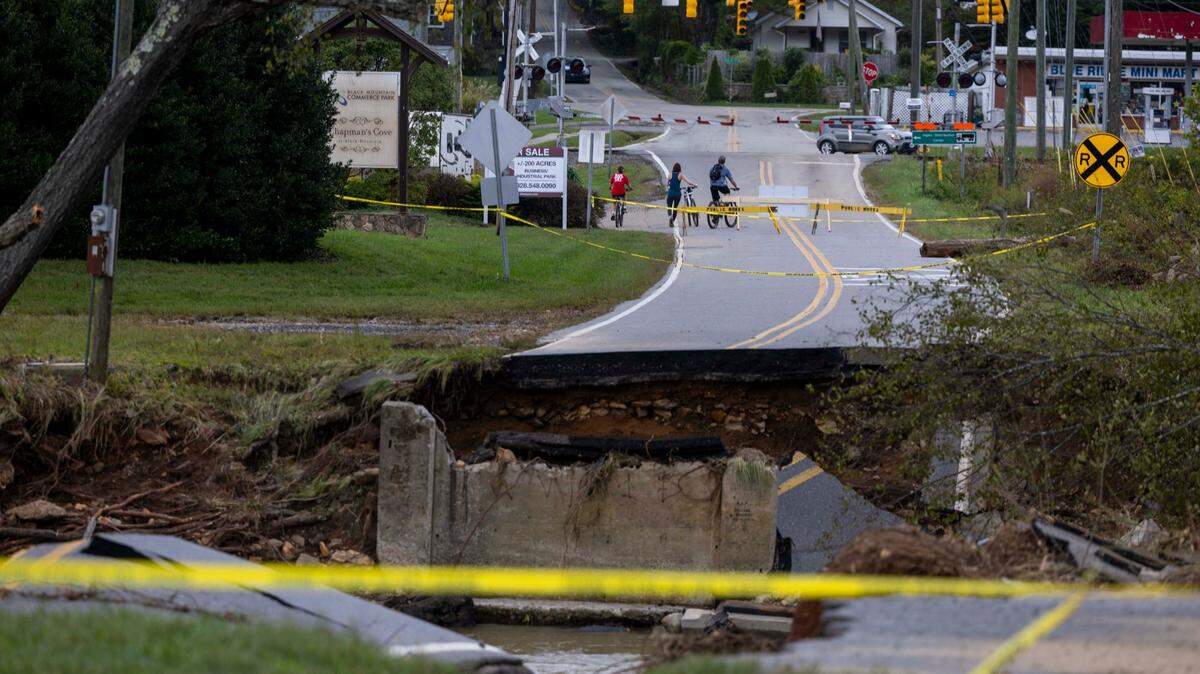
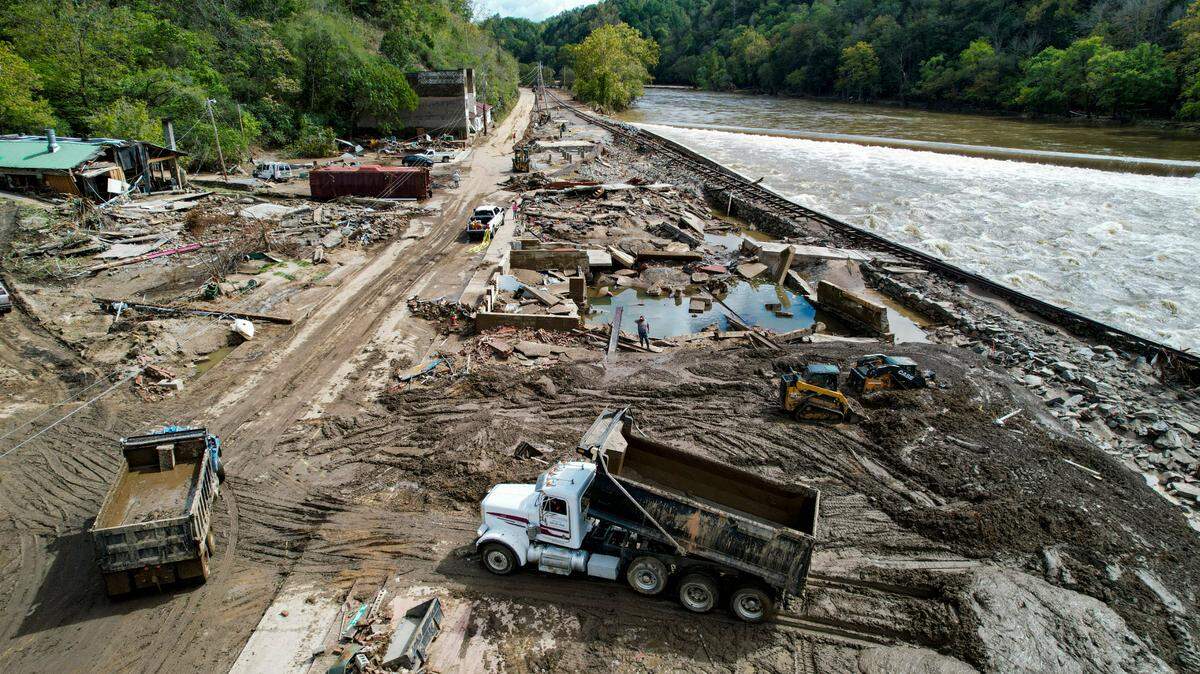
Hurricane Helene swept across the Southeast, causing major flooding and destruction throughout North Carolina. Here is ongoing coverage from The News & Observer and The Charlotte Observer about Hurricane Helene and the aftermath, particularly in Western North Carolina.
Expand All
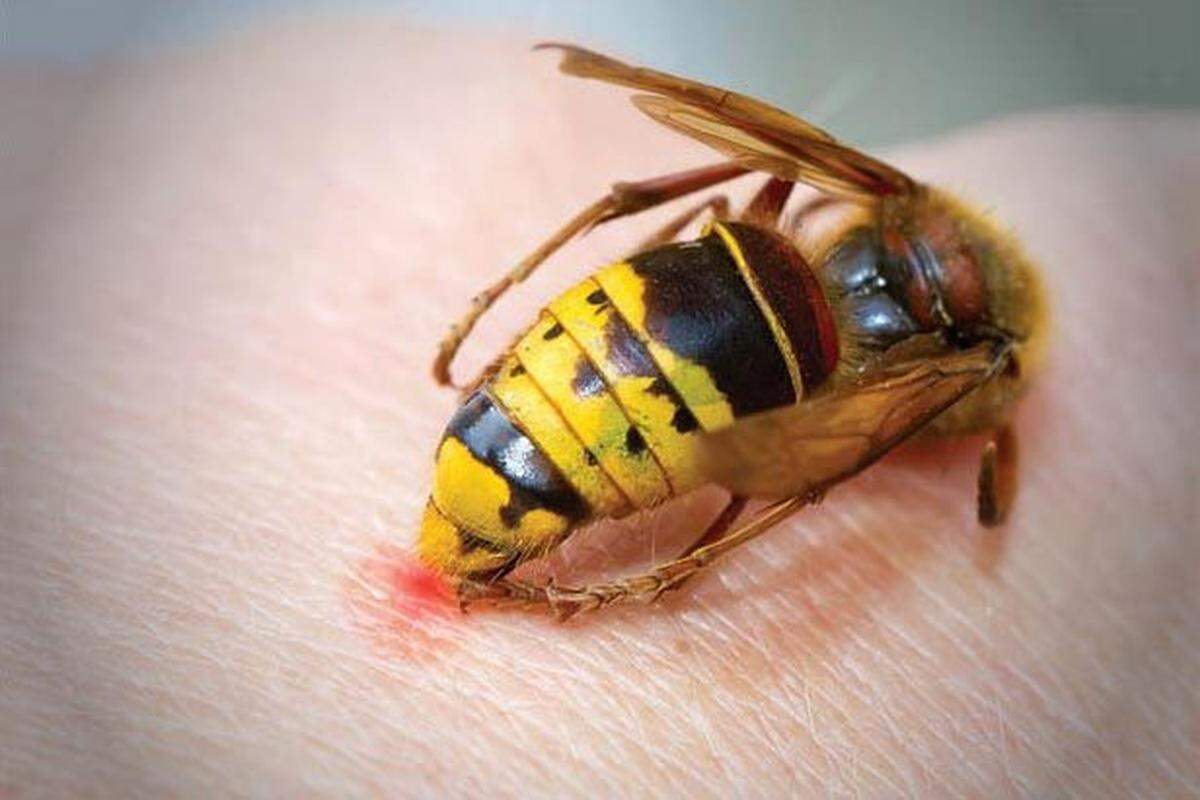
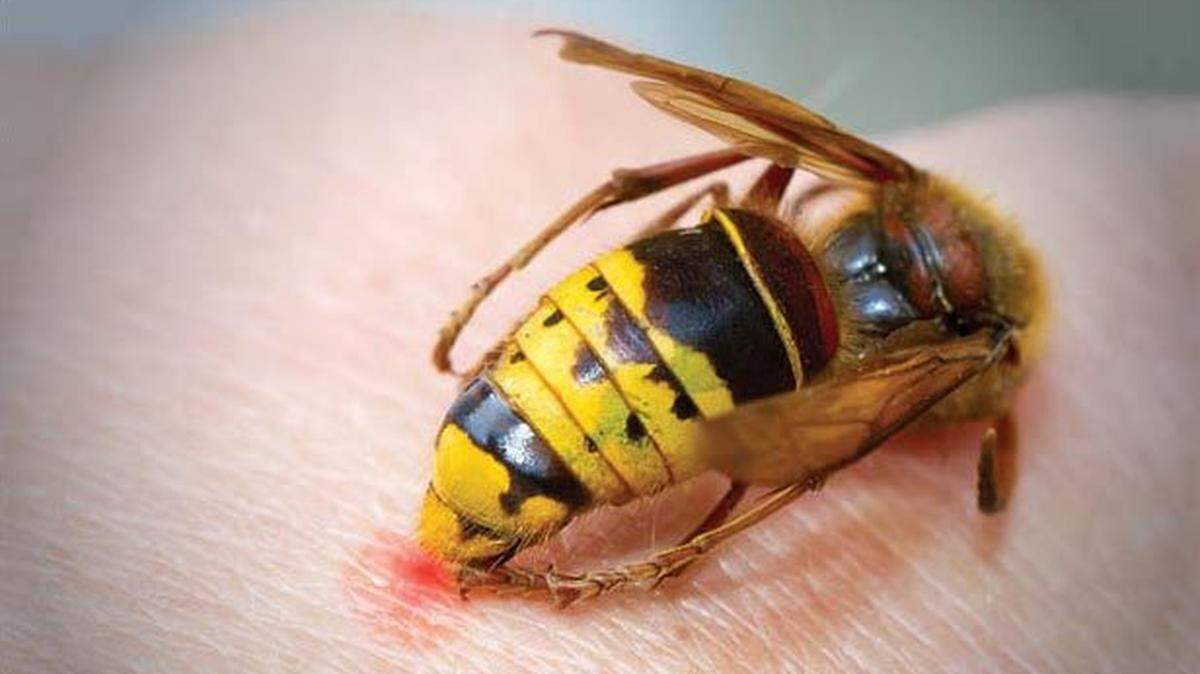
An additional struggle to western North Carolina’s Hurricane Helene recovery involves an increase in stinging insects like bees, yellow jackets and fire ants. That has had led state health authorities to make a large purchase of allergy medications.
The N.C. Department of Health and Human Services does not track reports of people who have been stung or bitten by insects. But the agency has had “anecdotal reports of increased numbers of stinging insects in the affected areas of western North Carolina,” spokeswoman Summer Tonizzo told The Charlotte Observer Tuesday by email.
“We have made a large purchase of epi-pens and Benadryl,” the state health agency said in a statement to The Charlotte Observer late Monday.
The state did not say how much it was spending on that purchase. A state Health Department official was not made available for an interview.
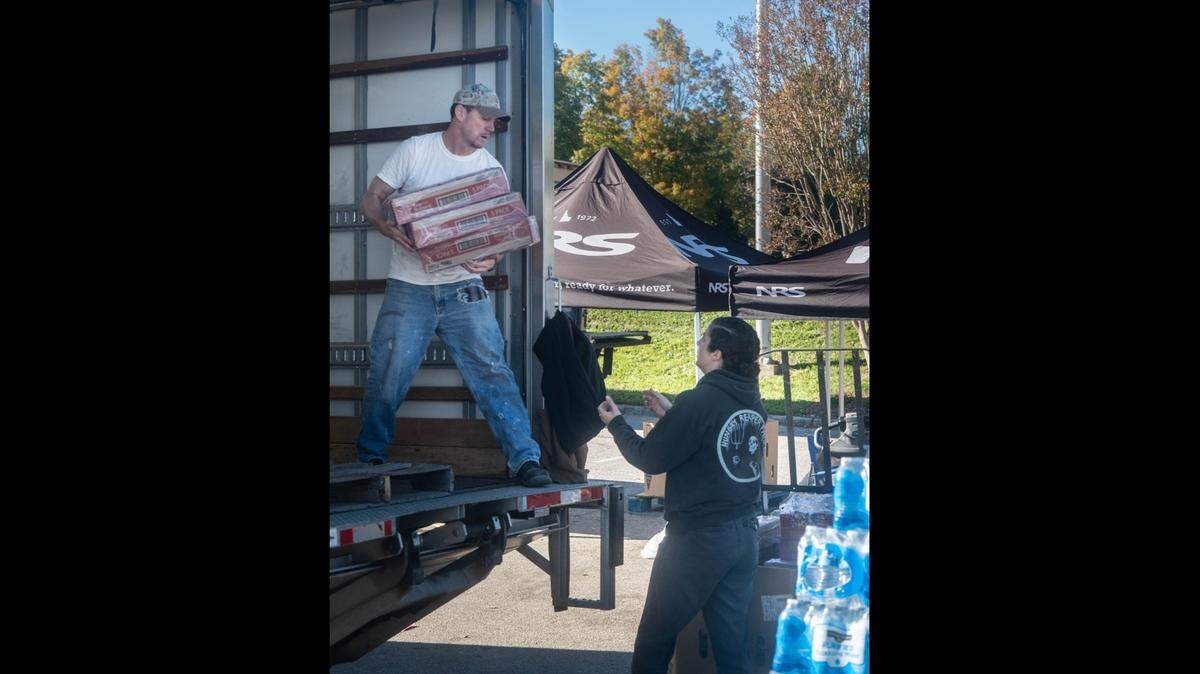
The medication is being distributed to EMS and disaster relief agencies, hospitals and shelter operators.
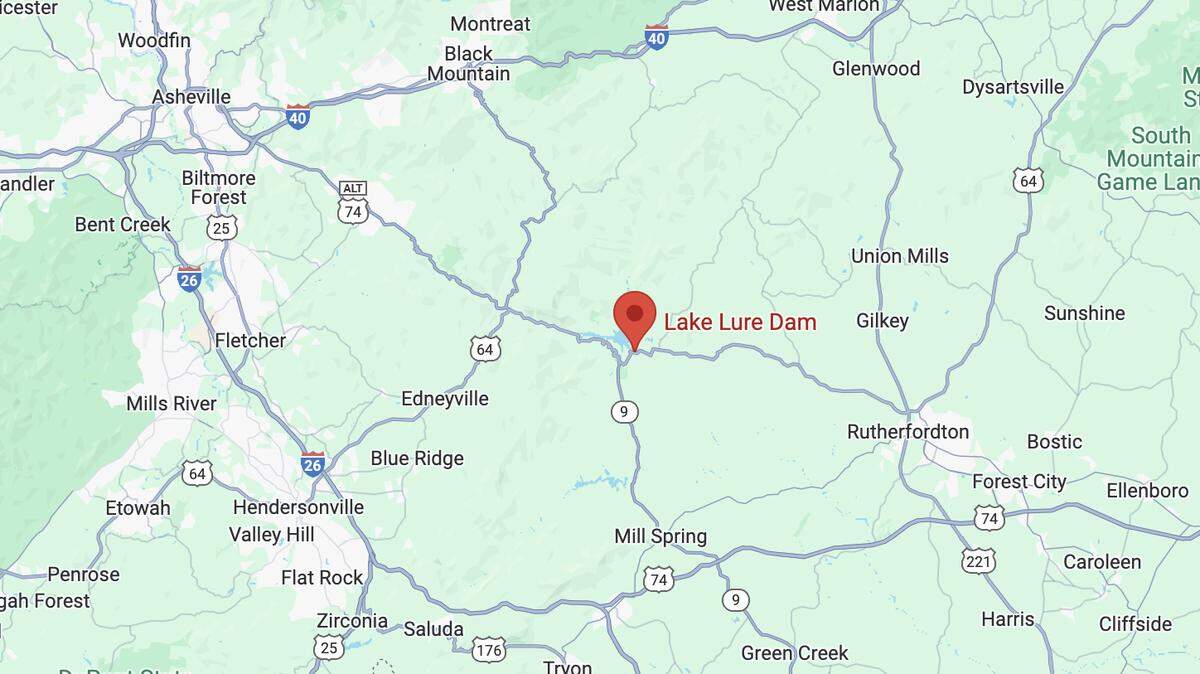
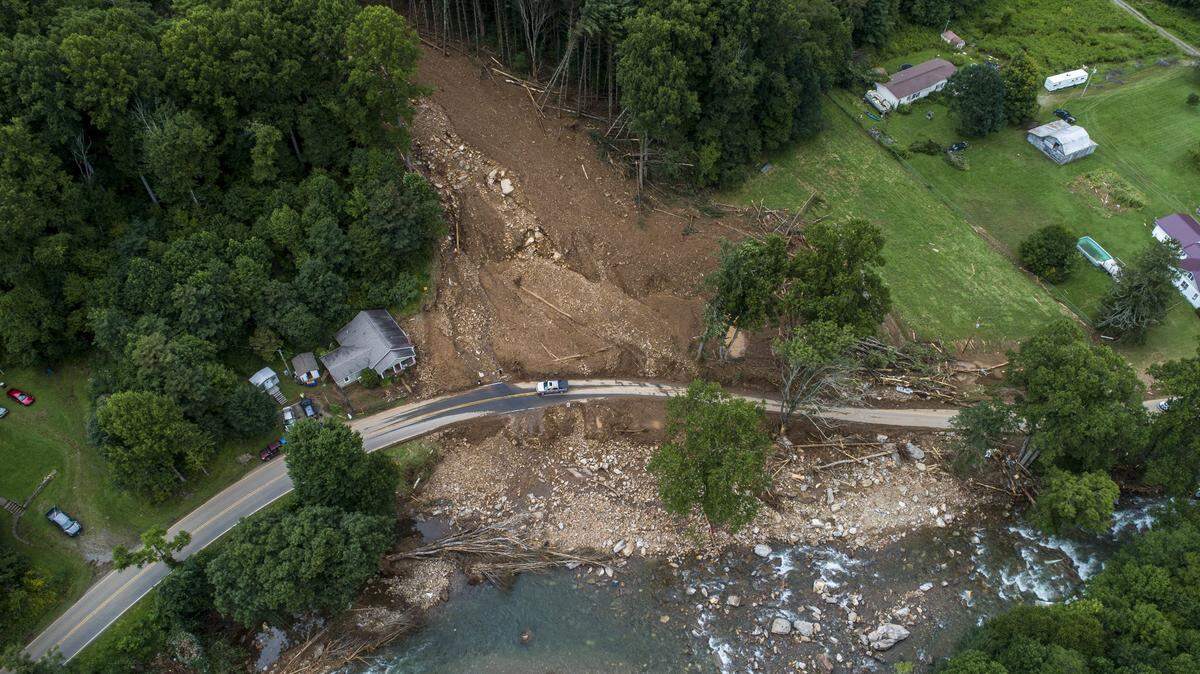
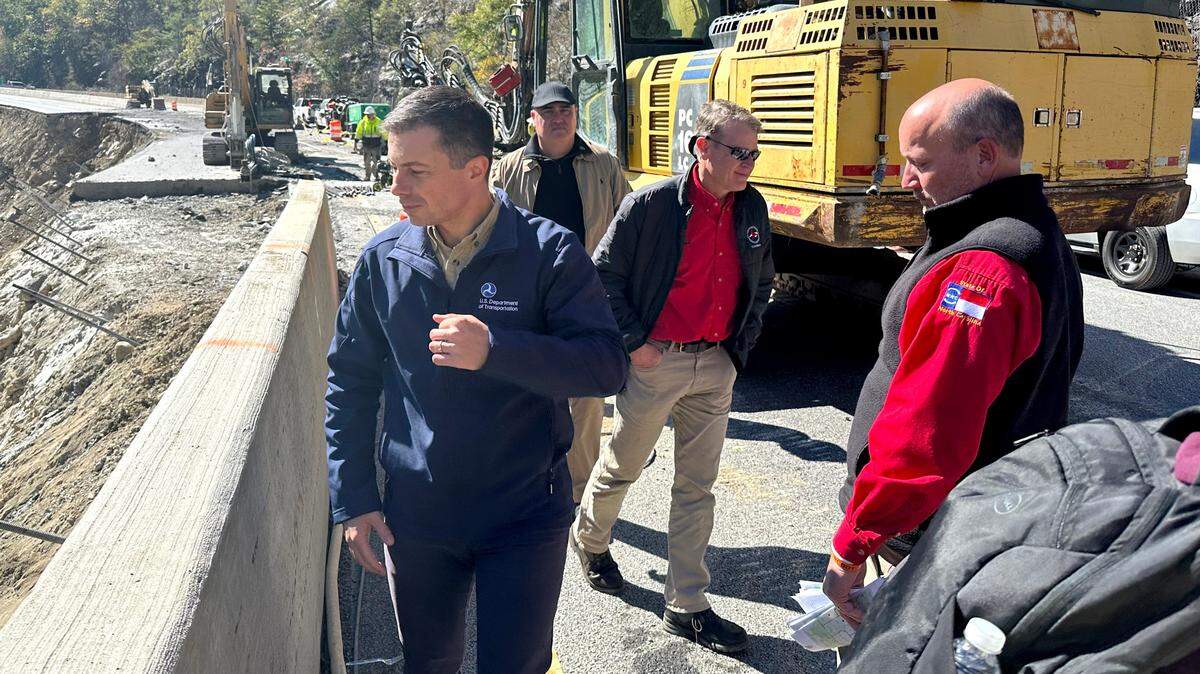
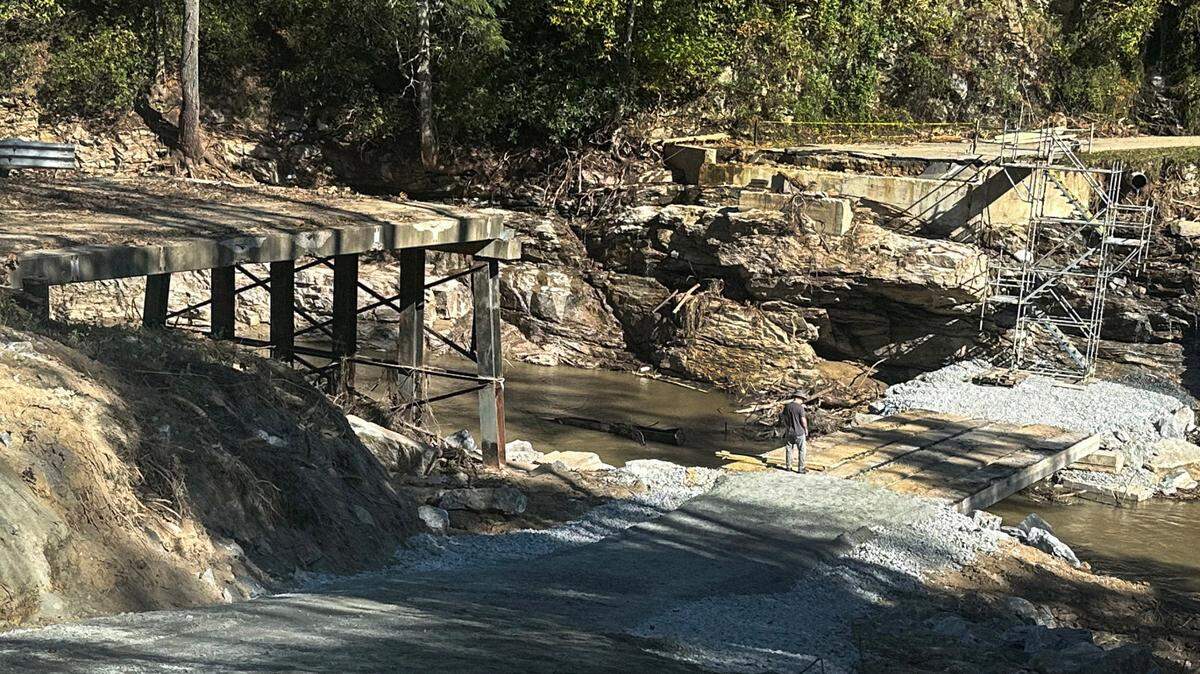
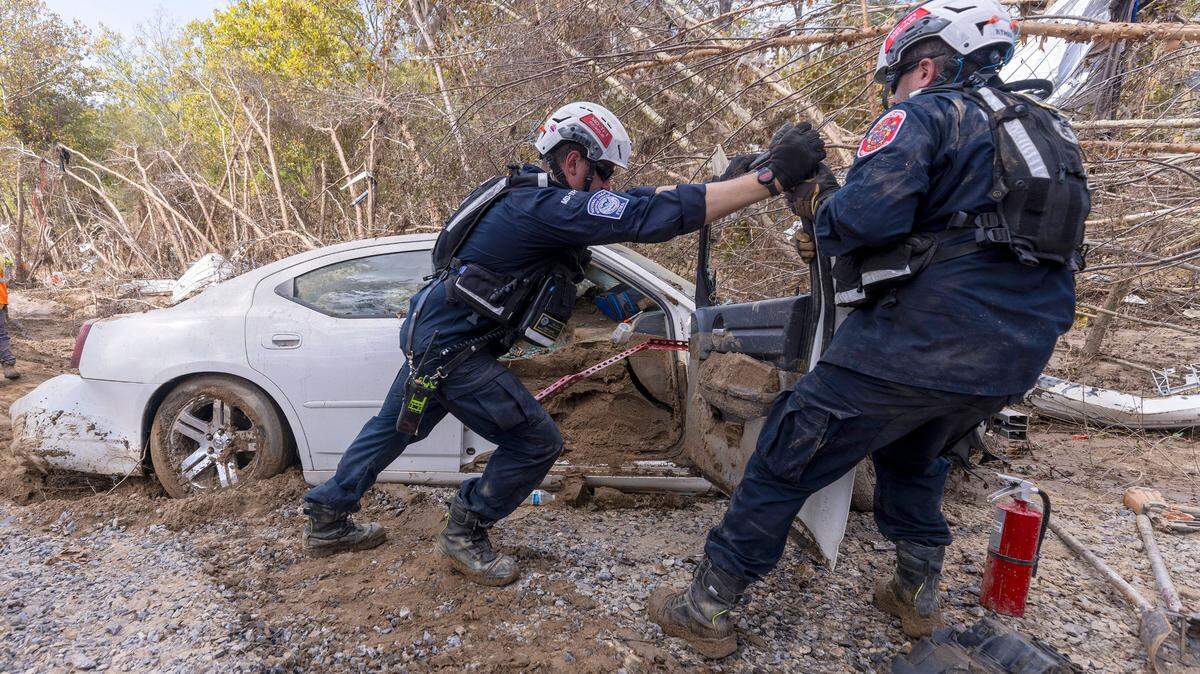
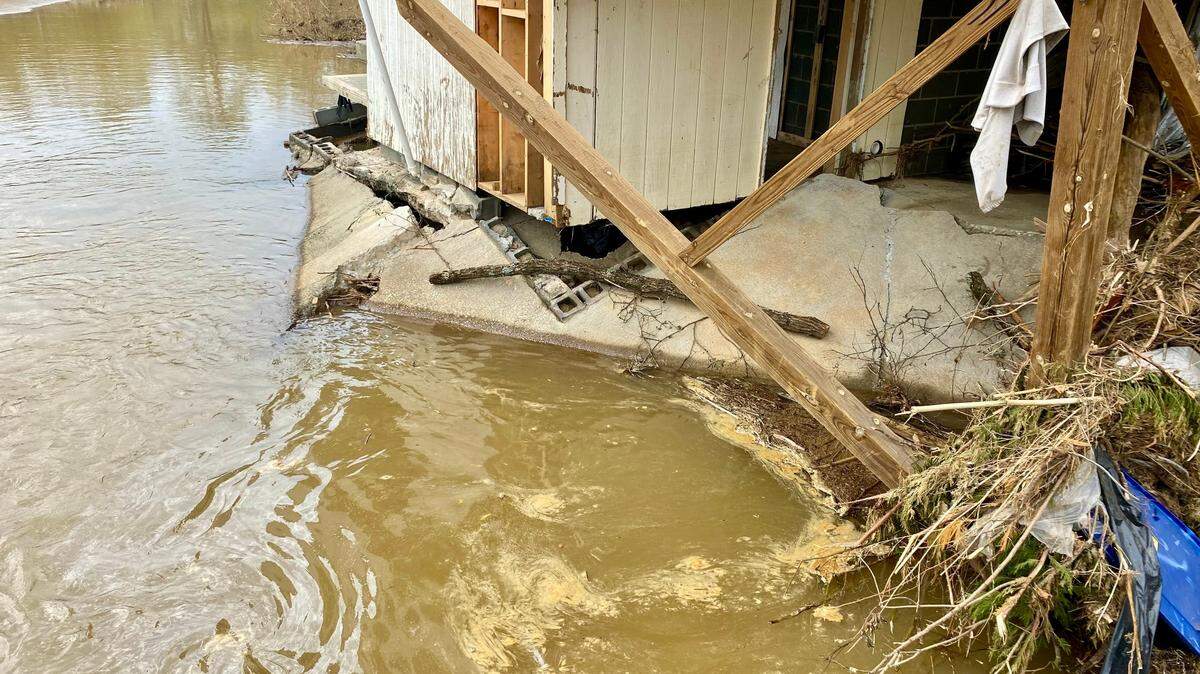
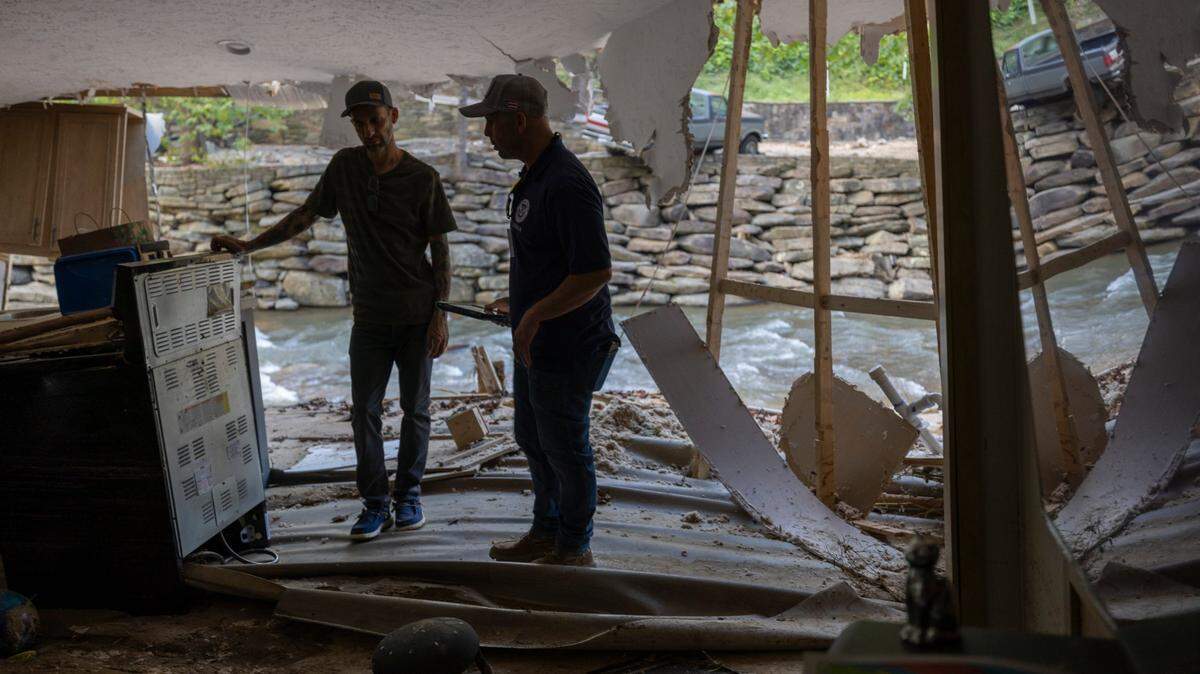
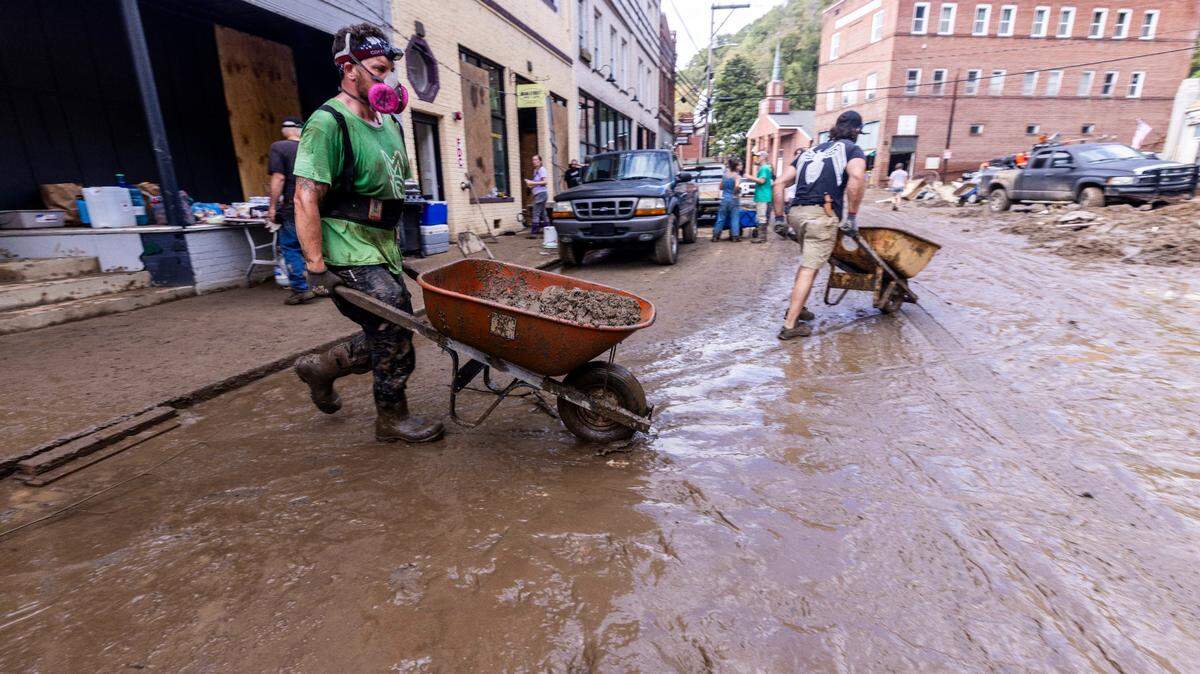
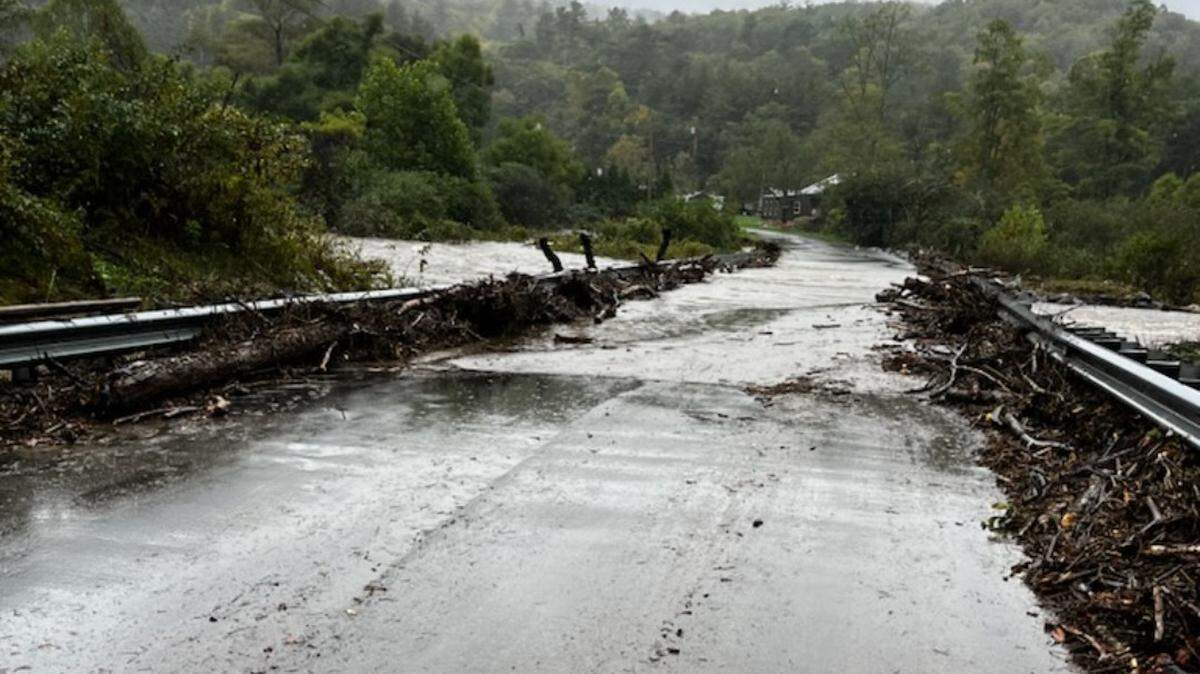
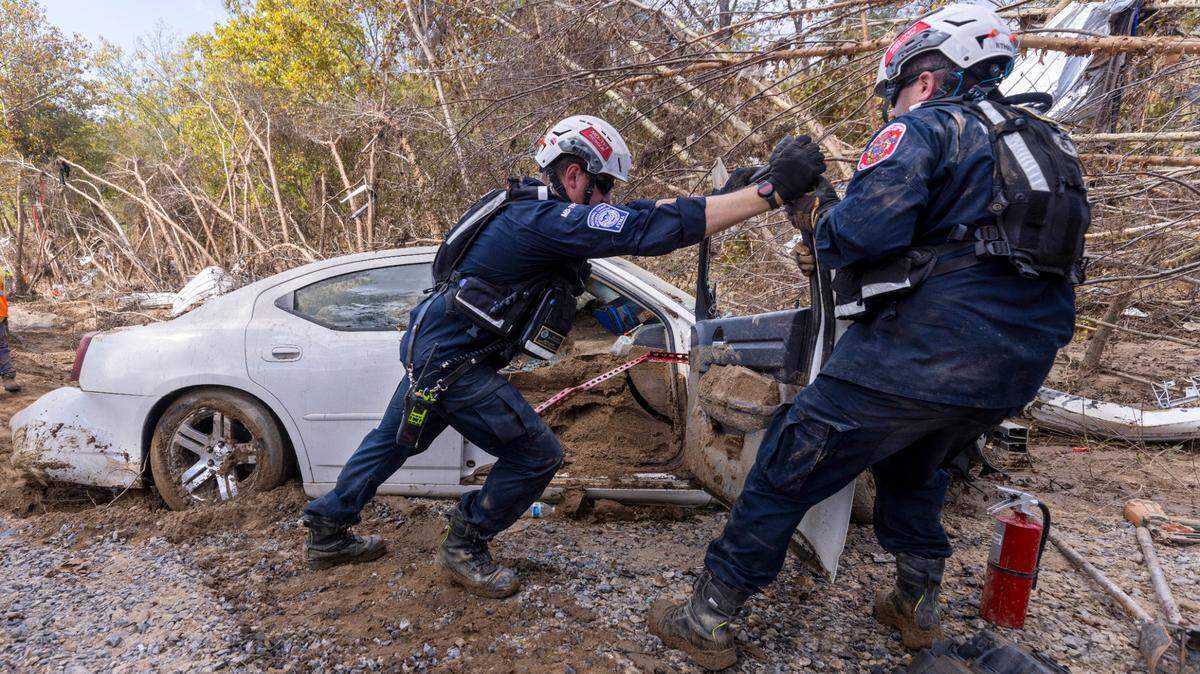
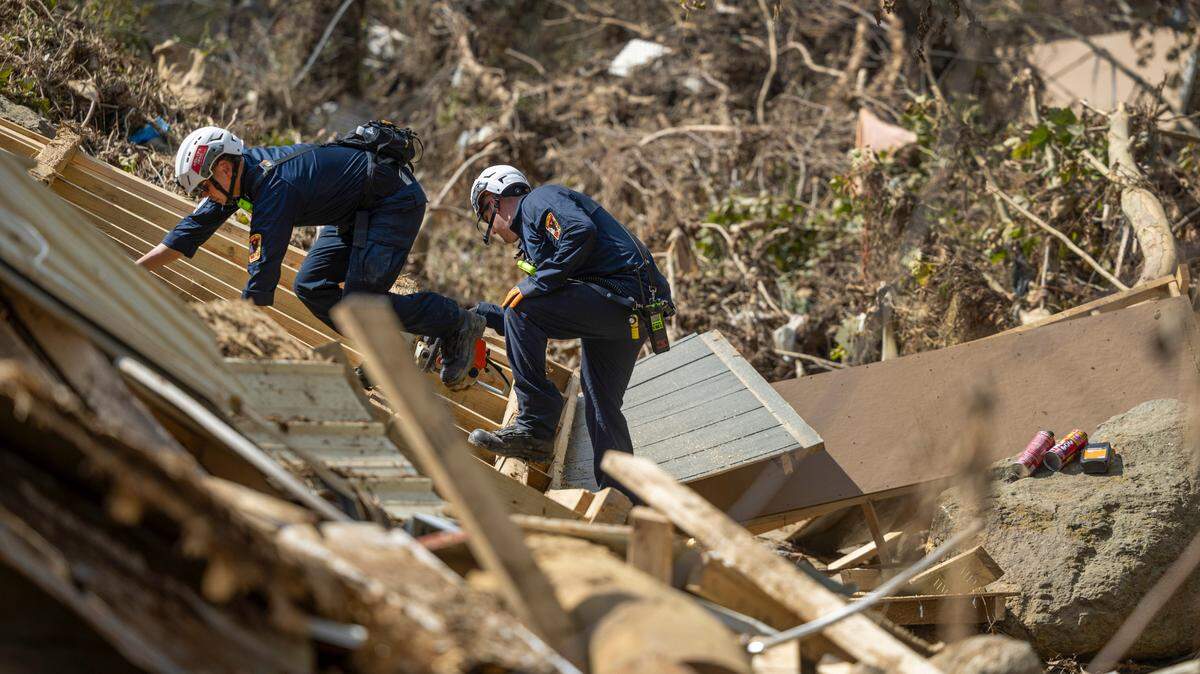
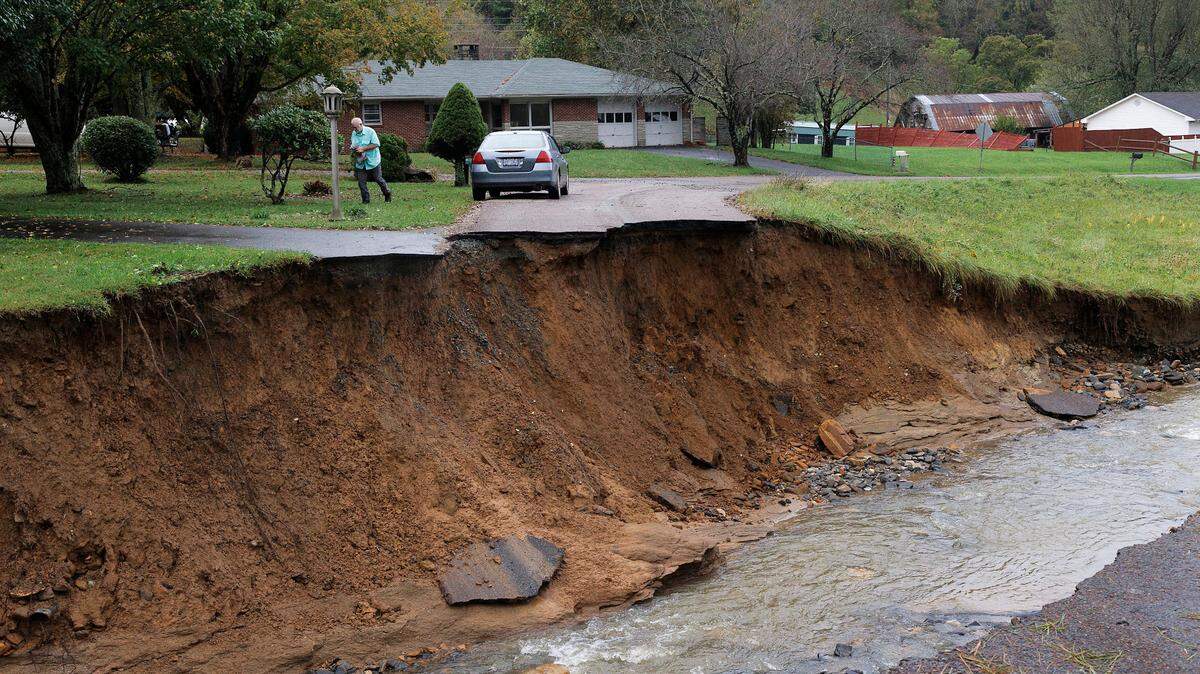
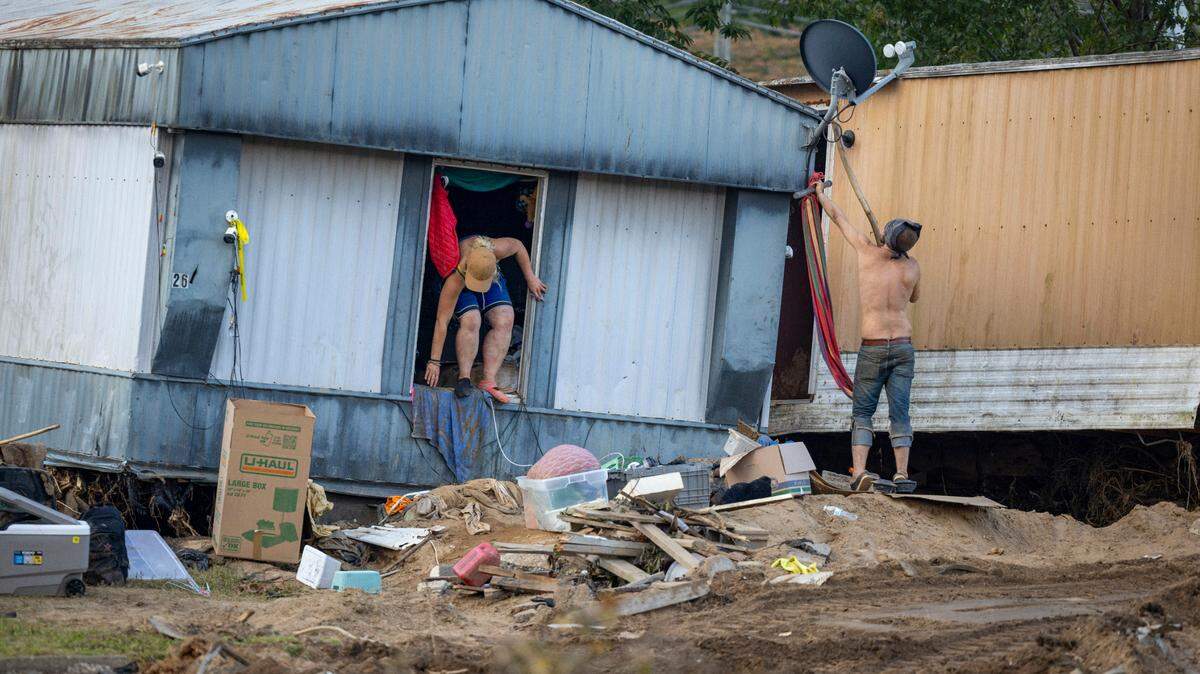
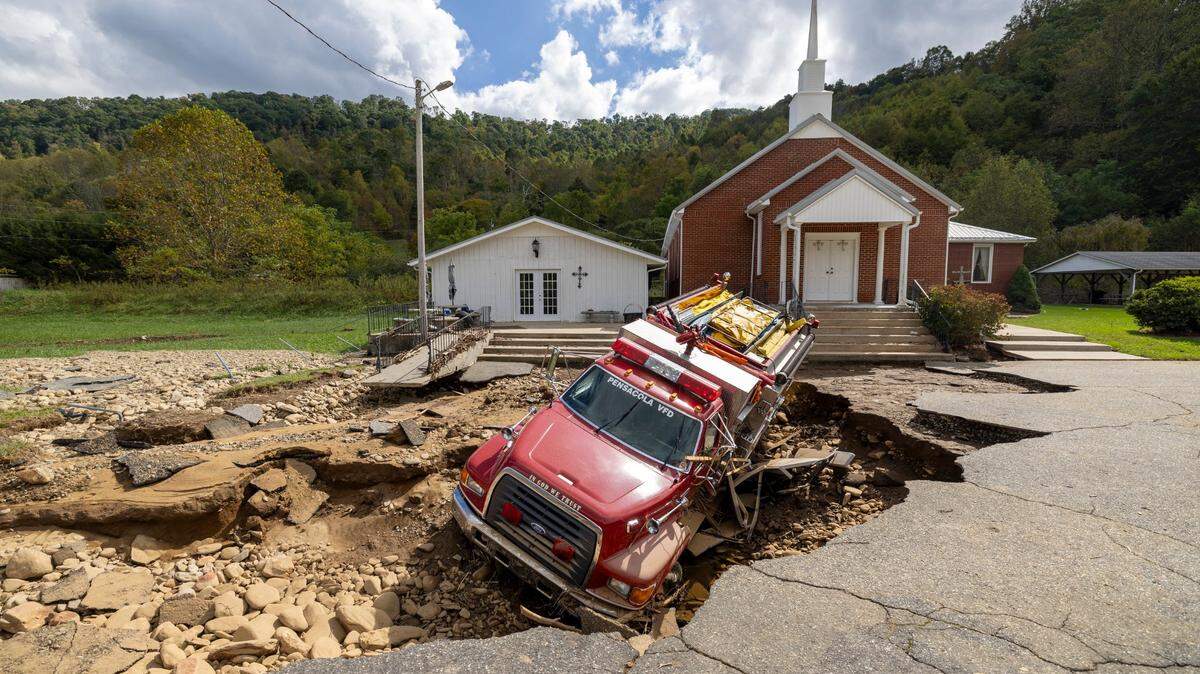
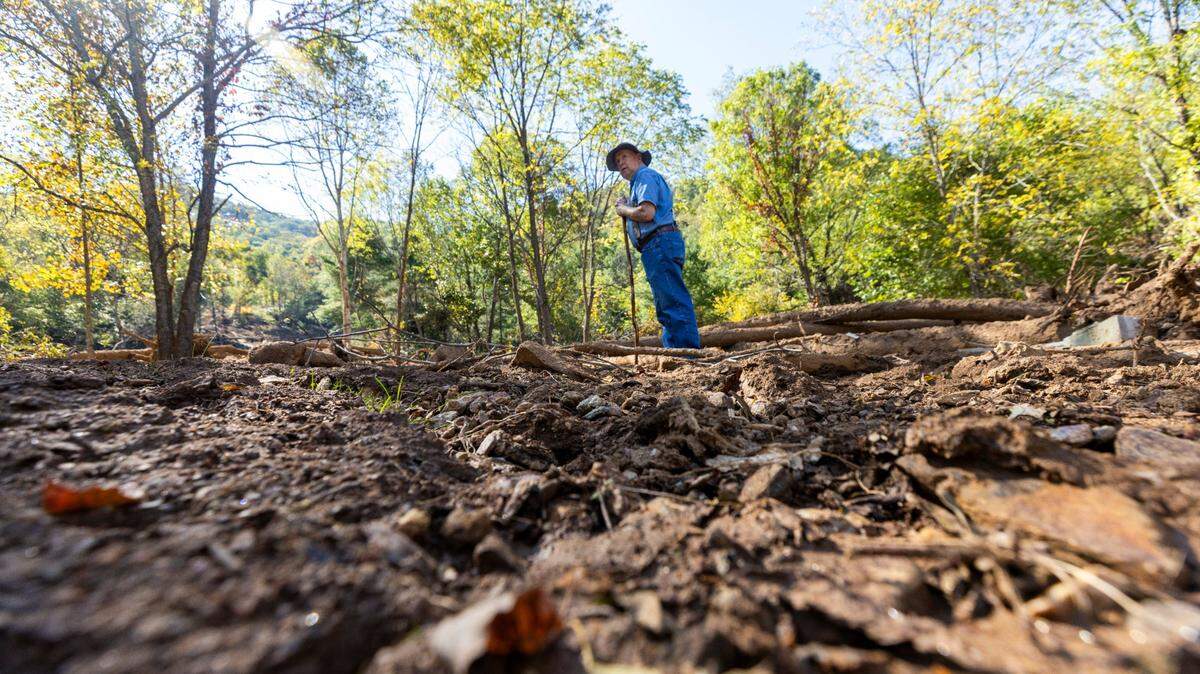
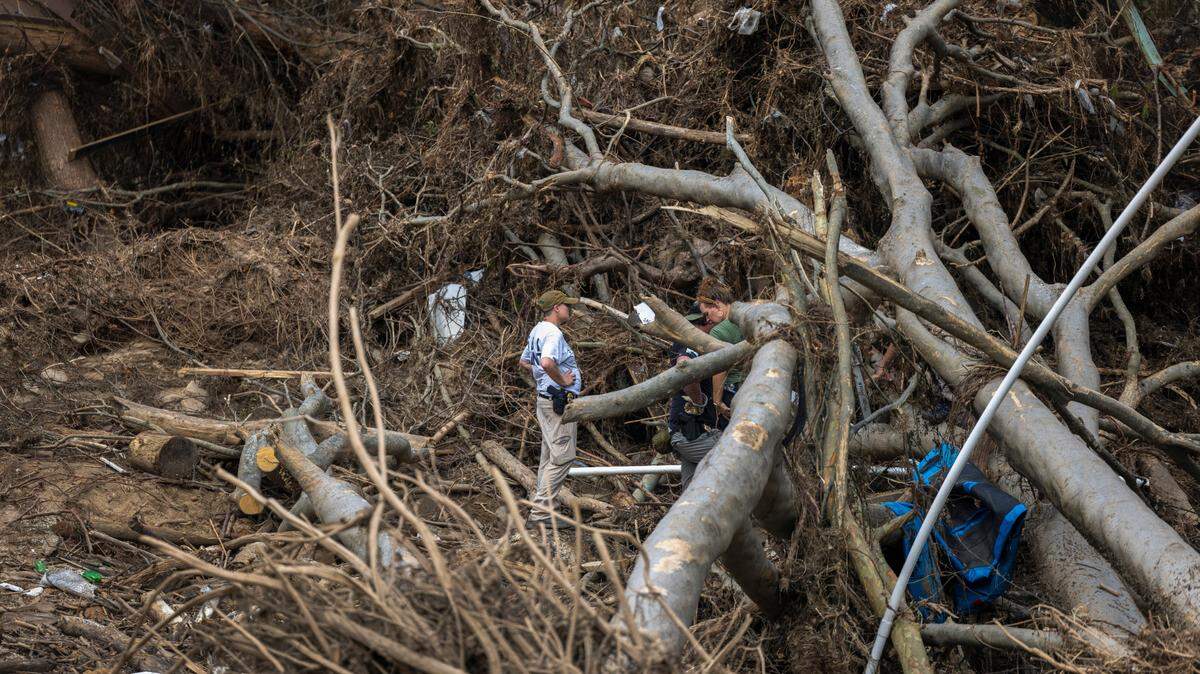
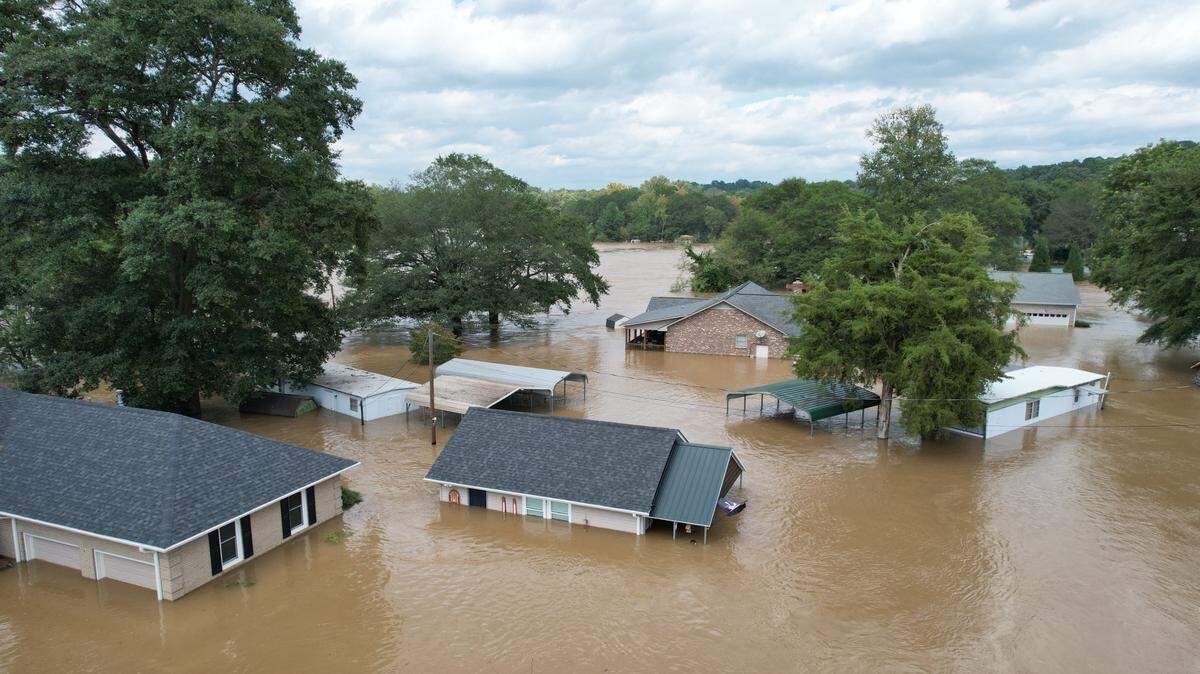
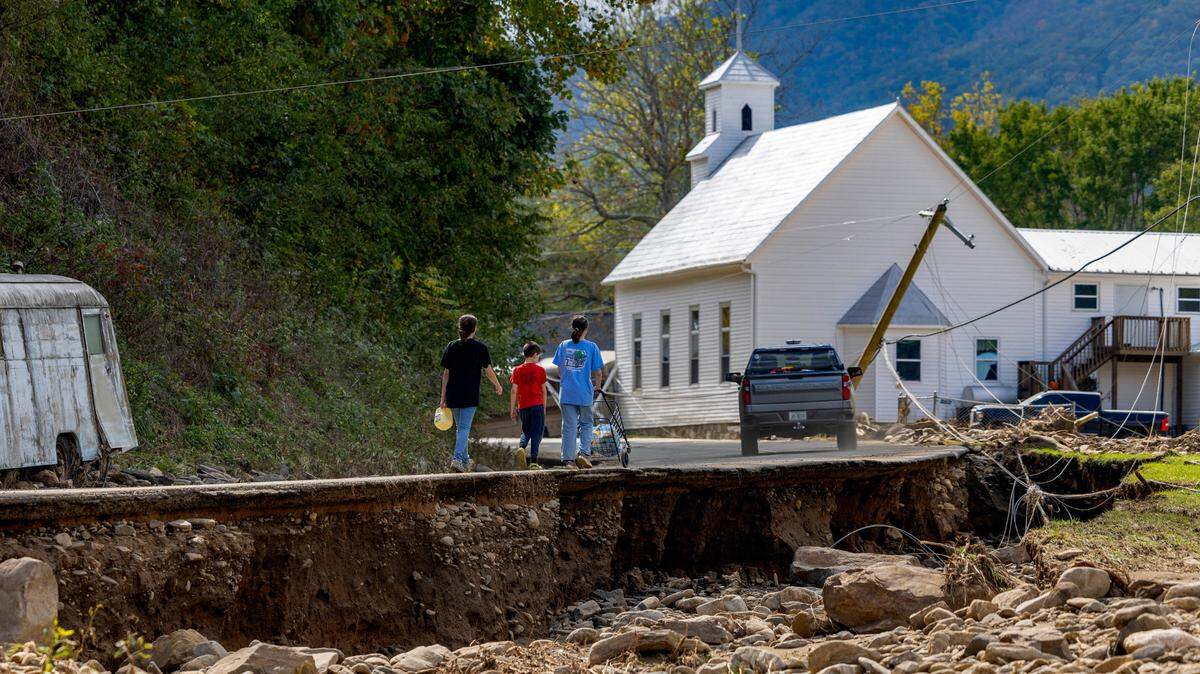
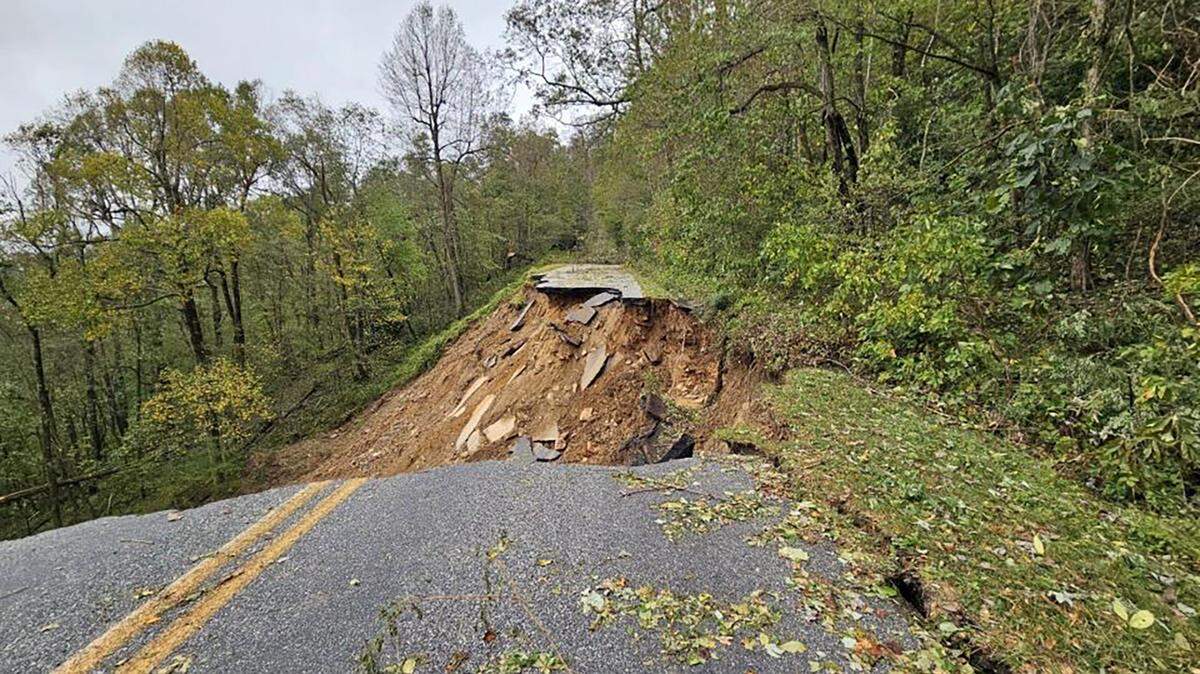
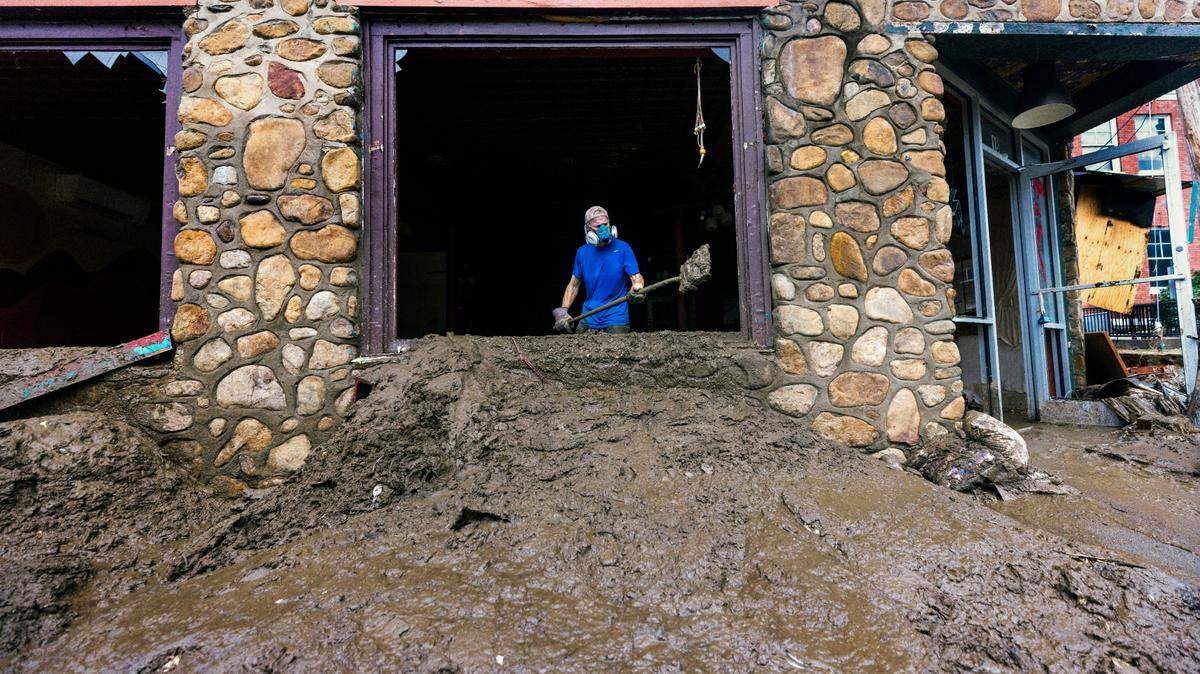
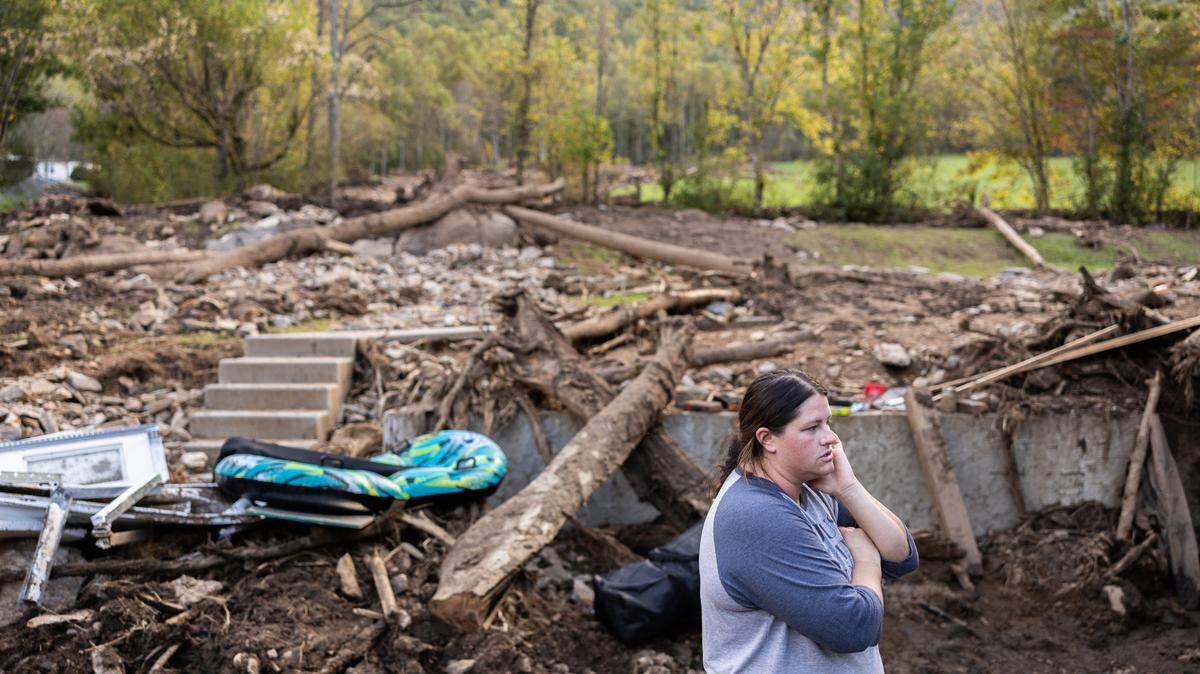
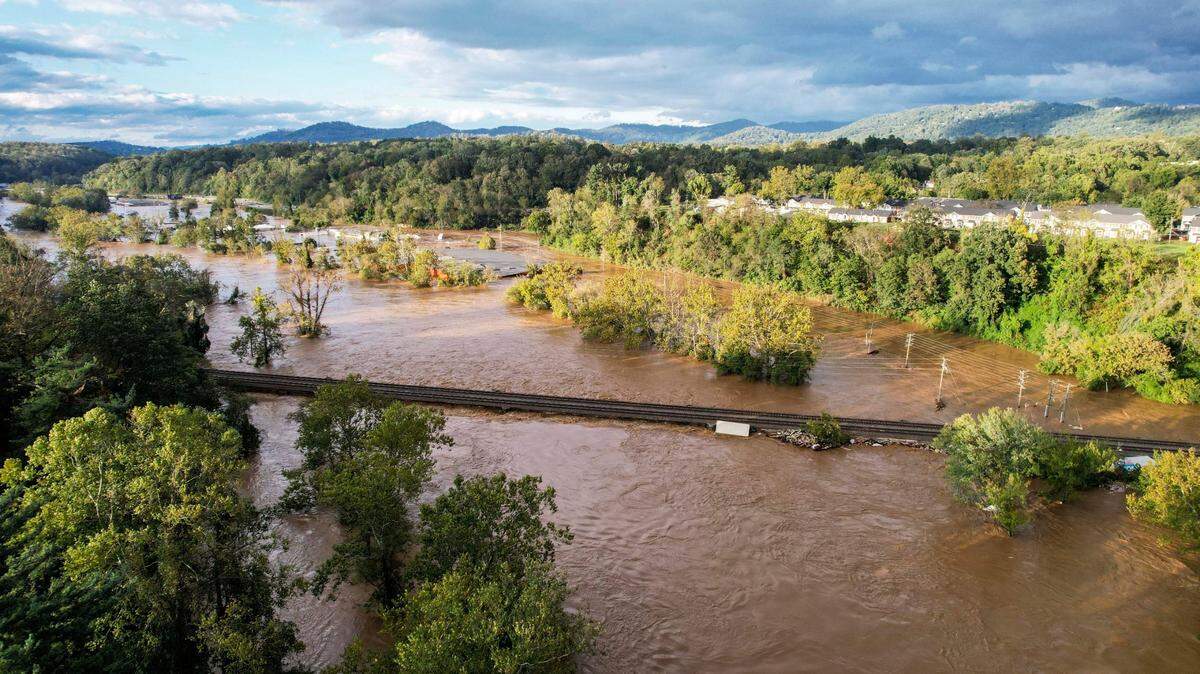
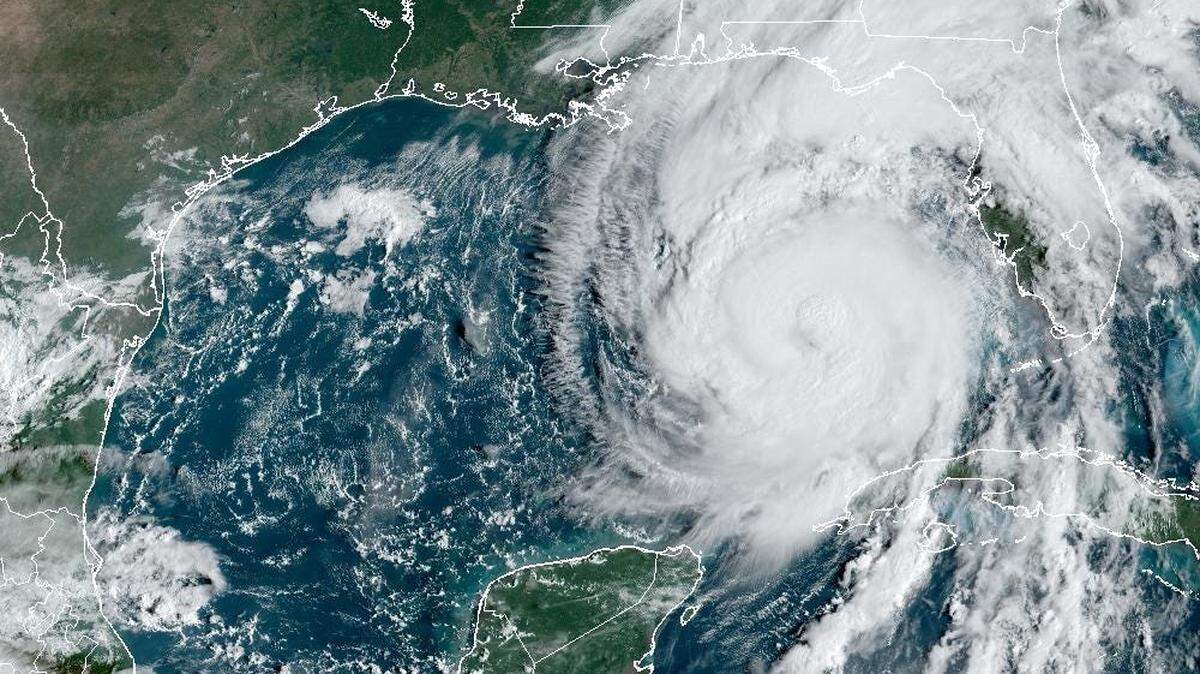
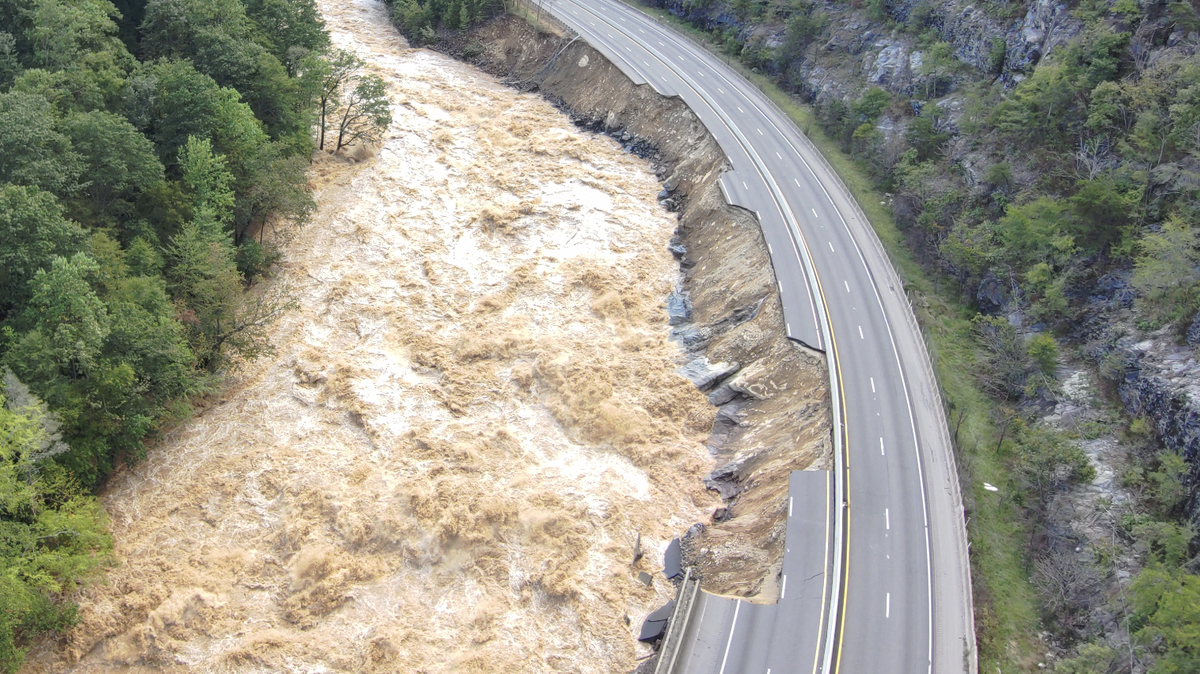
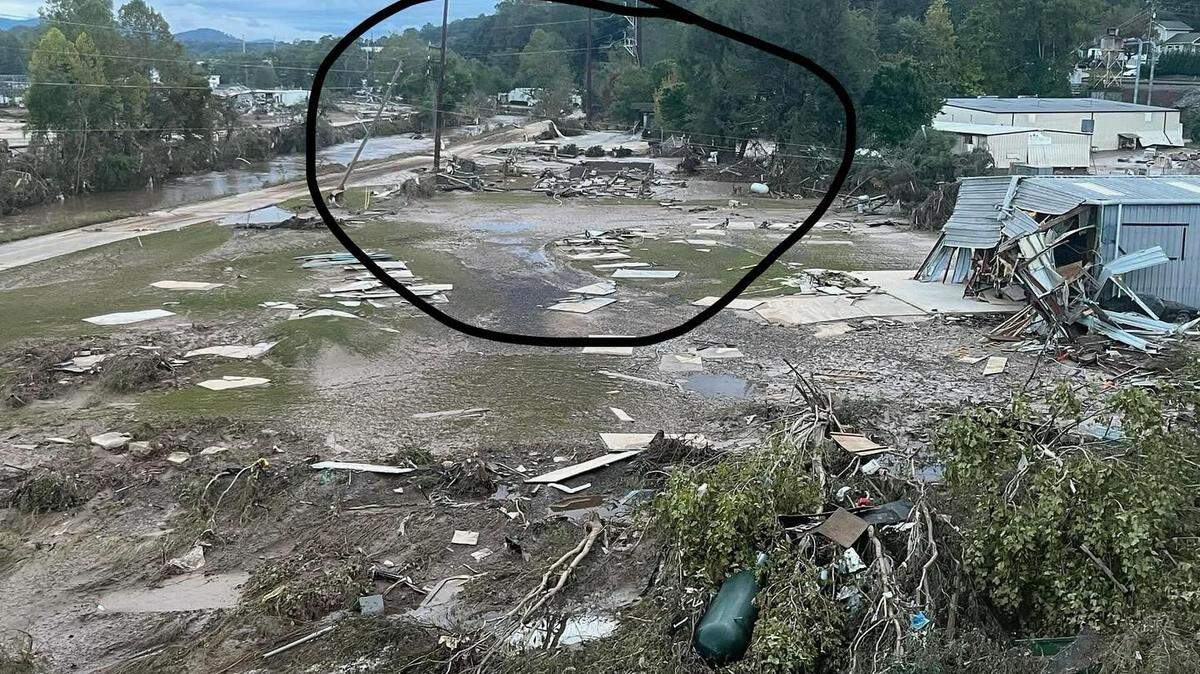
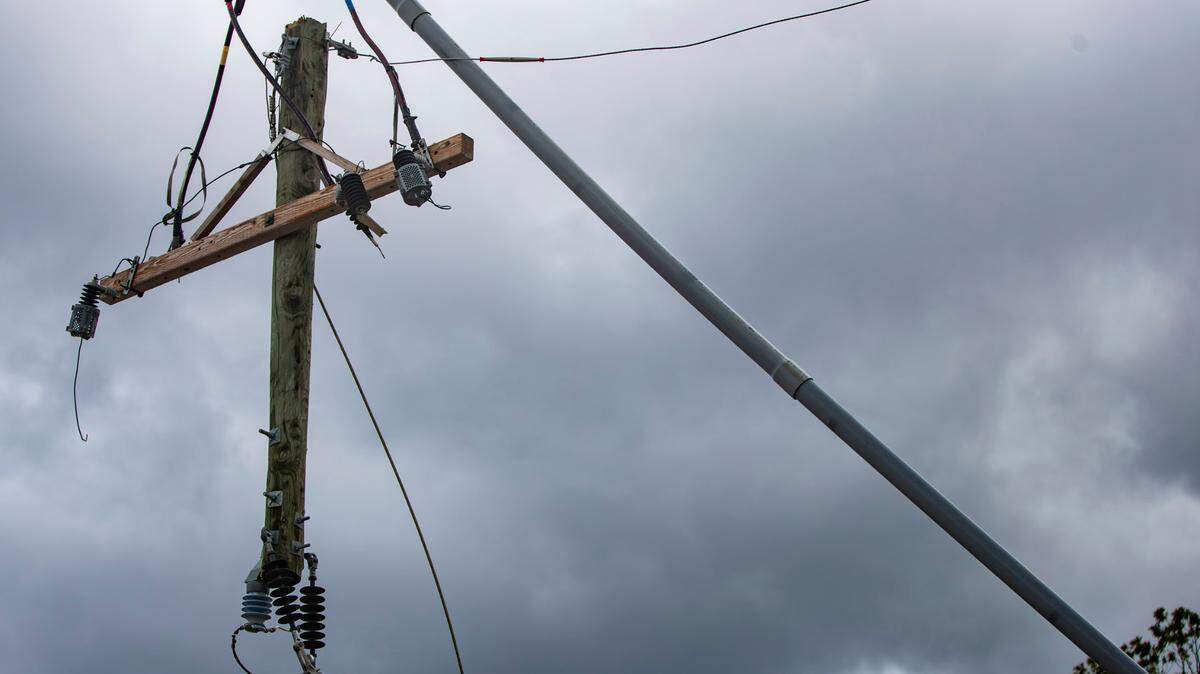
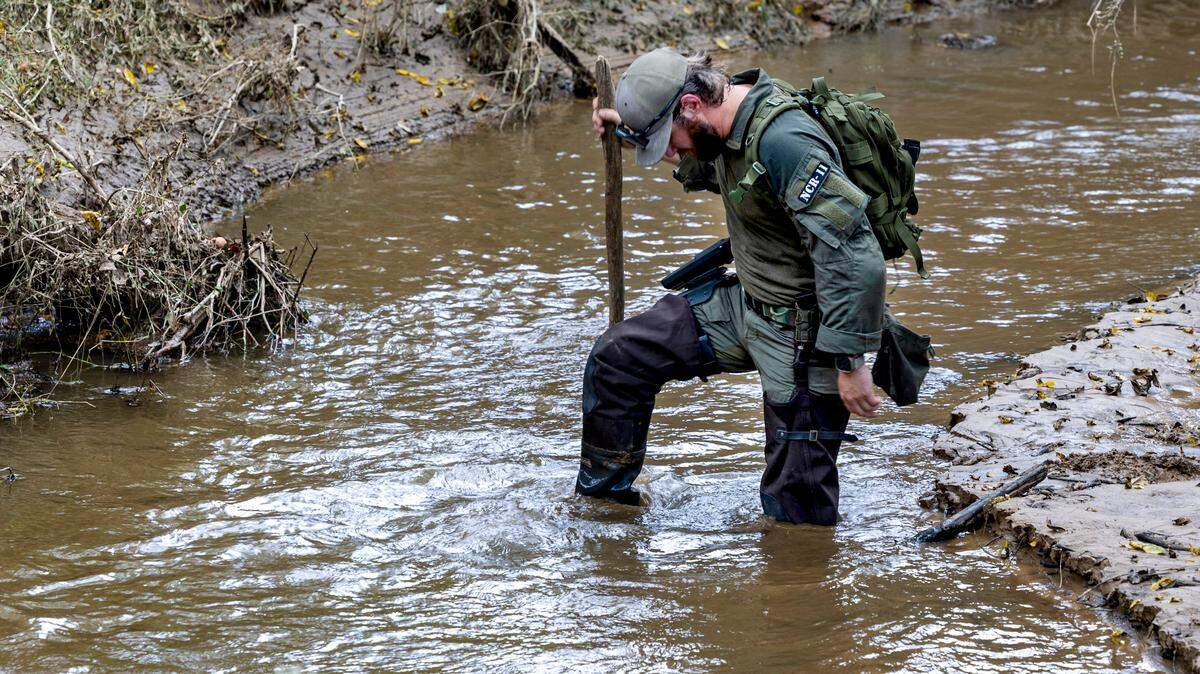
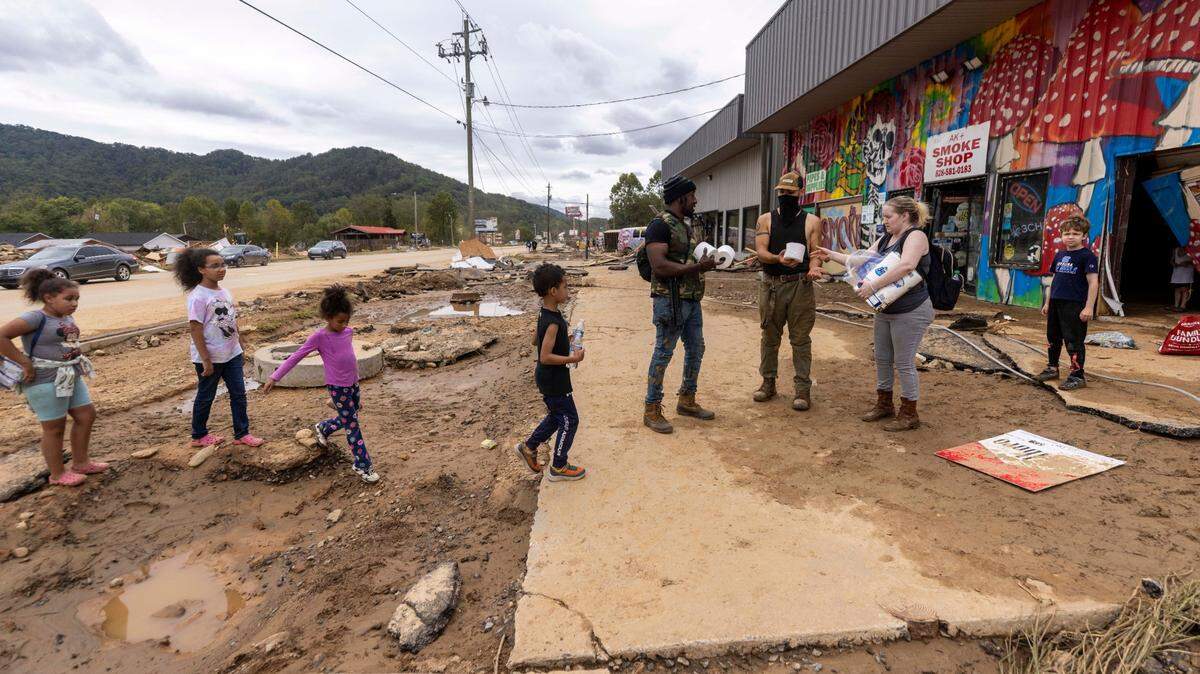
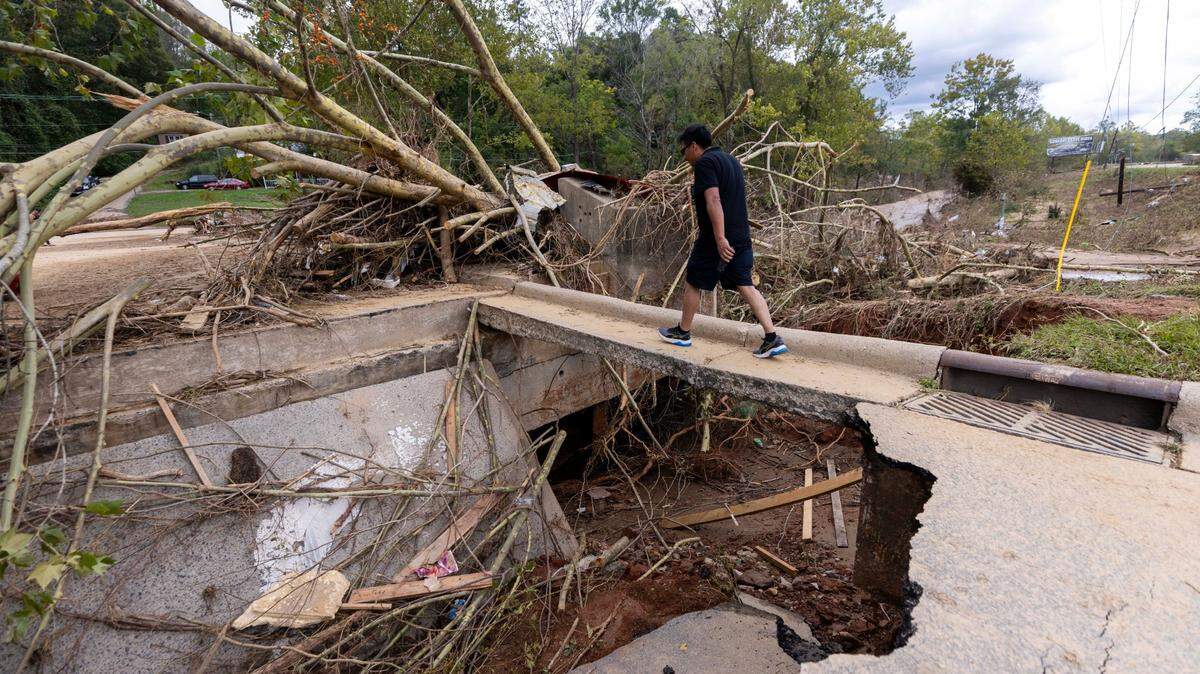
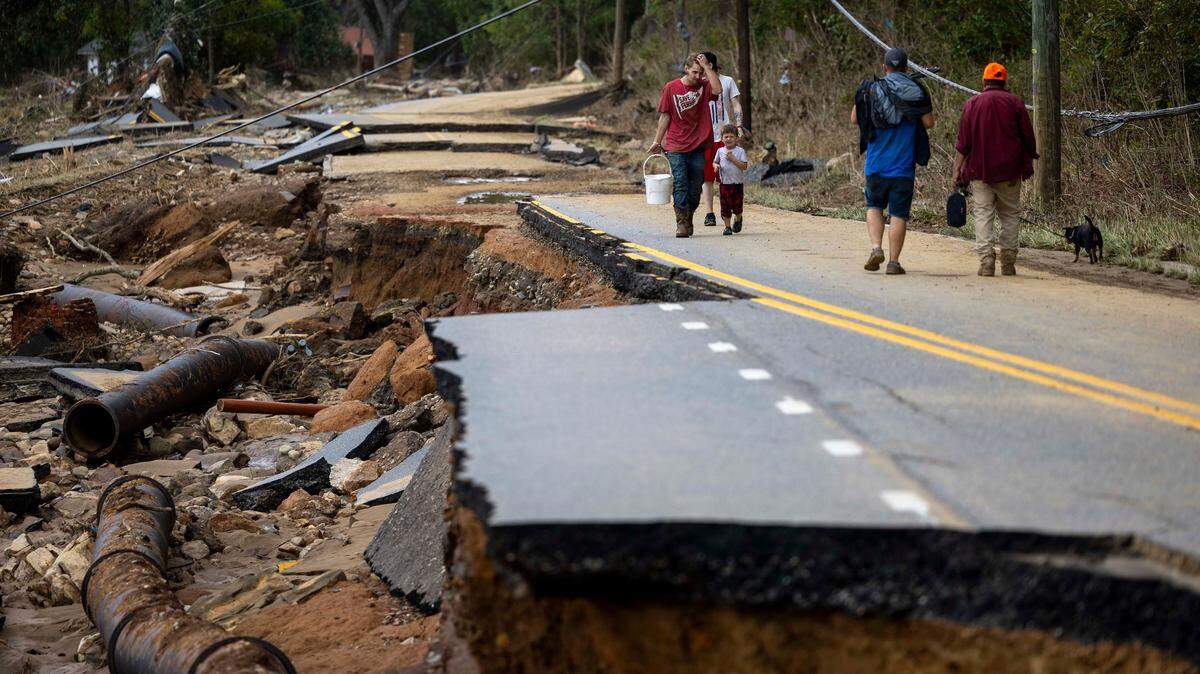
Helene hit North Carolina on Sept. 26 causing landslides and flooding leaving mass destruction with 27 counties designated as major disaster areas. Gov. Roy Cooper said Tuesday there were 95 confirmed deaths and 92 people still missing.
NC medical orders and waivers
On Friday, State Health Director Betsey Tilson issued a standing order authorizing pharmacists licensed or practicing in North Carolina an emergency waiver to dispense epinephrine auto-injectors for treatment of allergic reactions to stinging and biting insects, and other allergens, according to the NC Board of Pharmacy’s website.
The requests can be made from people with allergies, a caregiver, family member or friend of a person at risk of experiencing or having a history of an anaphylactic reaction.
The U.S. Department of Health and Human Services also activated the Emergency Prescription Assistance Program to help uninsured residents replace lost medications or medical equipment because of the storm.

More contact with insects
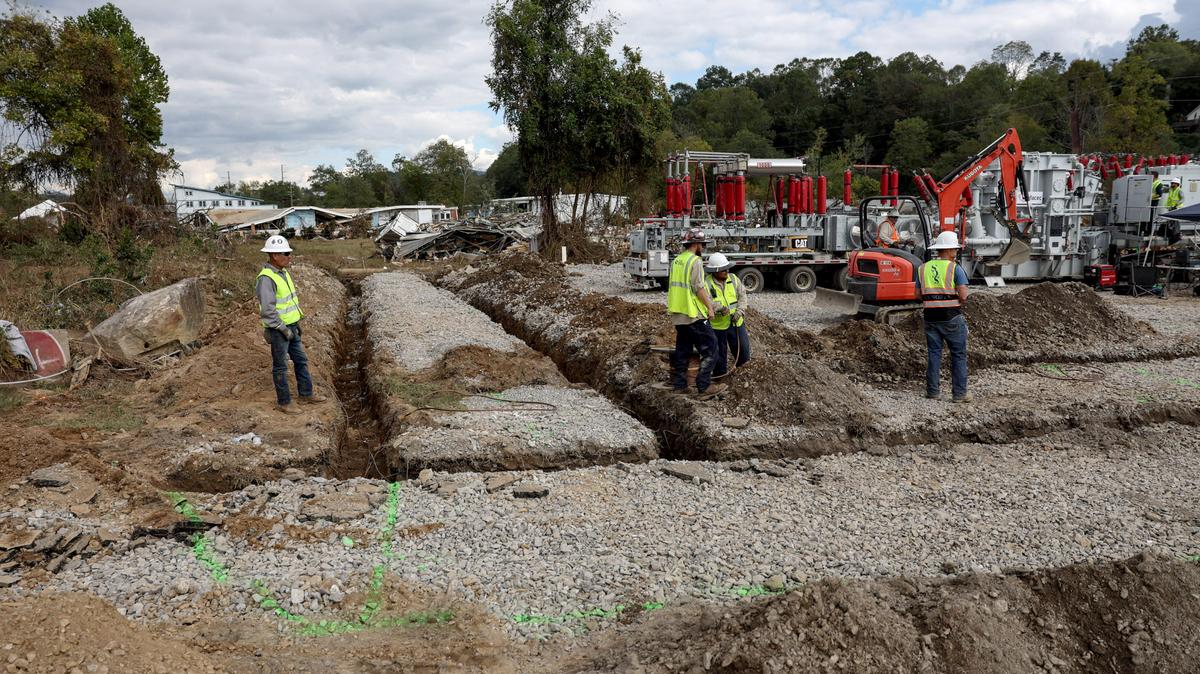
Many of the reported insect stings were from electricians and other outdoor workers, according to the Associated Press.
“If your habitat was disturbed, you’re going to go out and look for more places to live,” said Sarah Stellwagen, assistant professor of biological sciences at UNC Charlotte with a background in entomology.
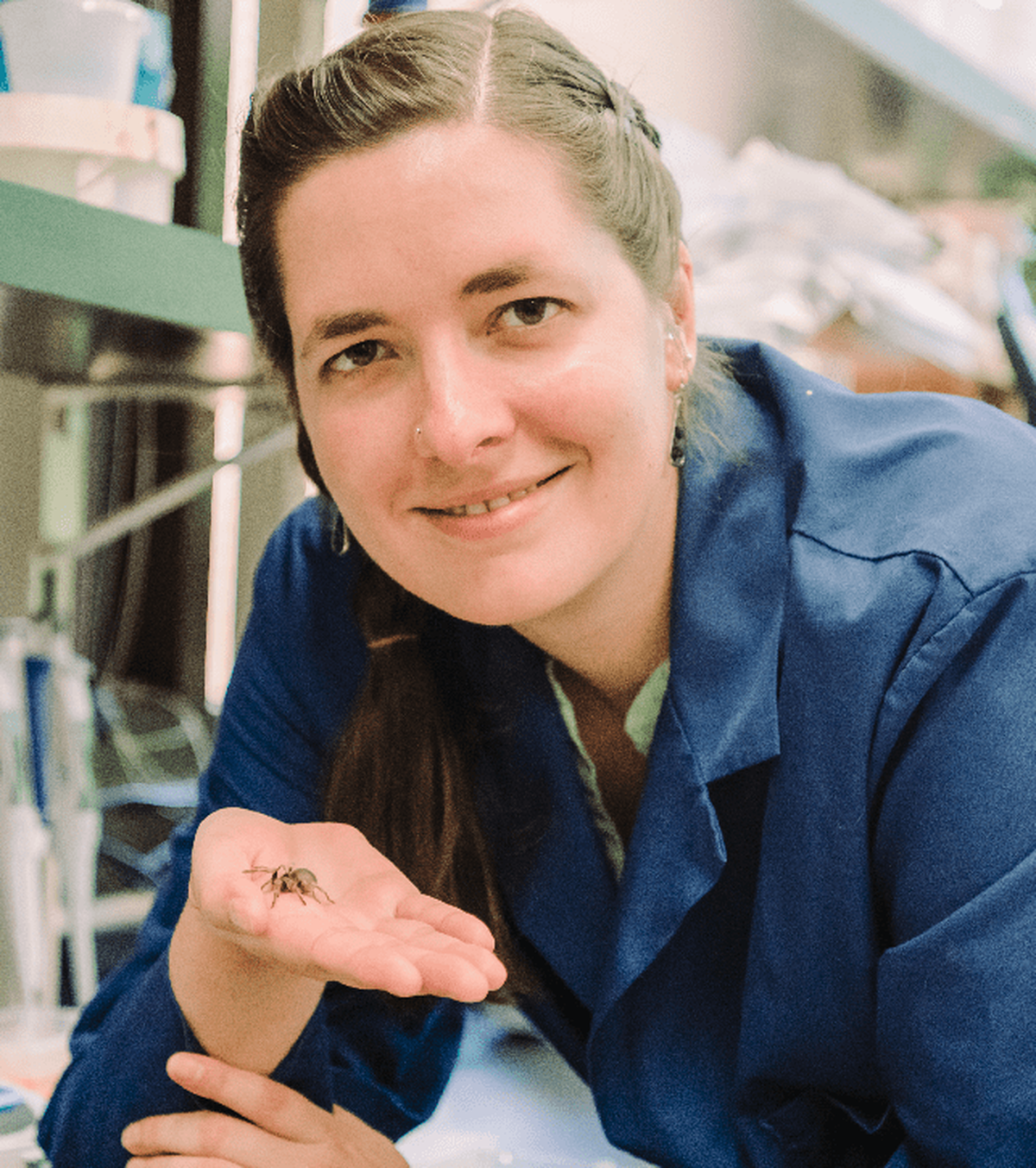
As for yellow jackets, they can be easily disturbed if someone walks across their ground nest.
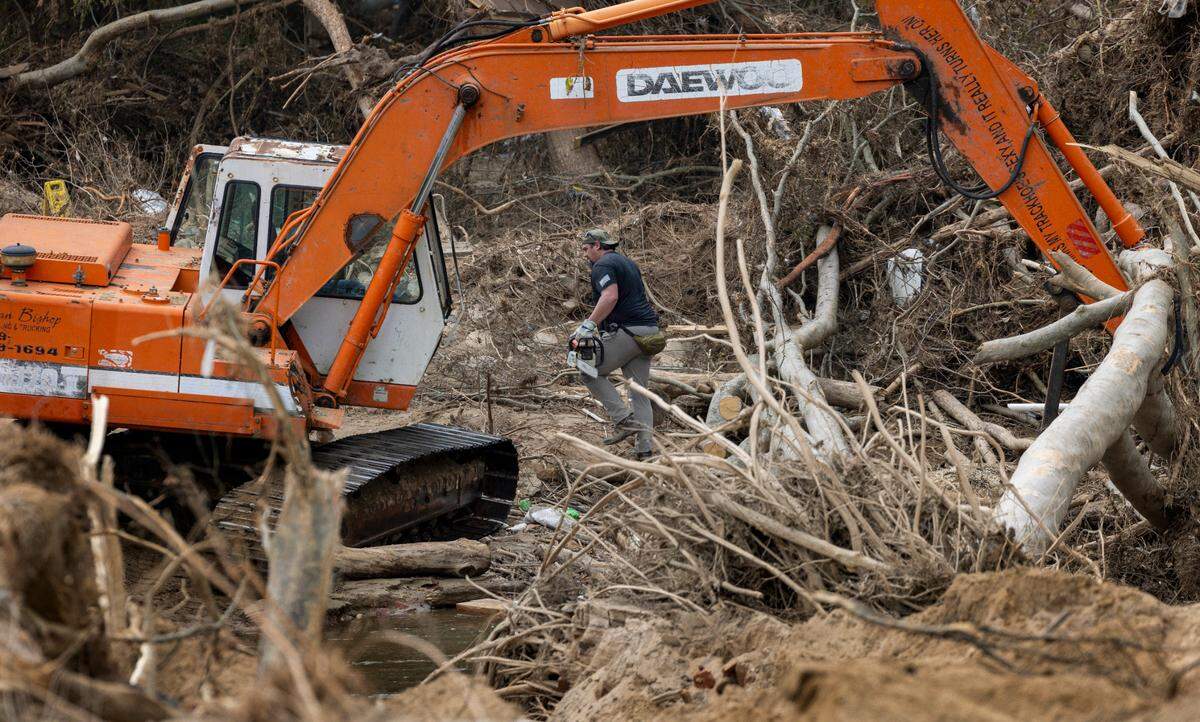
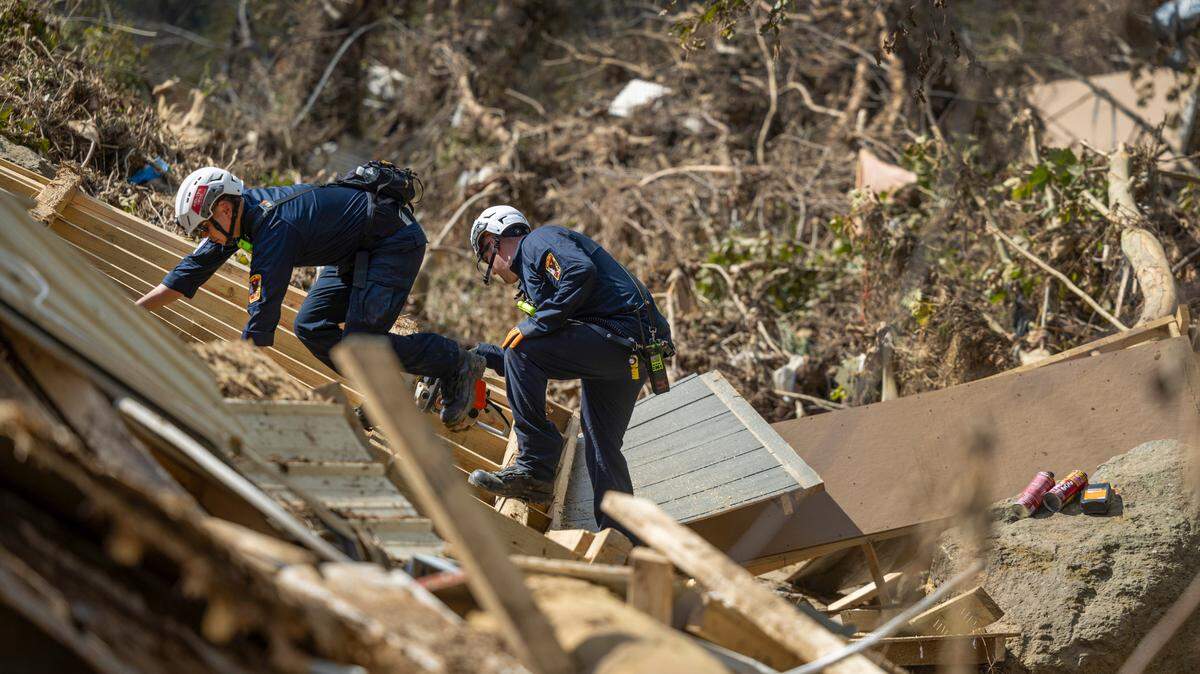
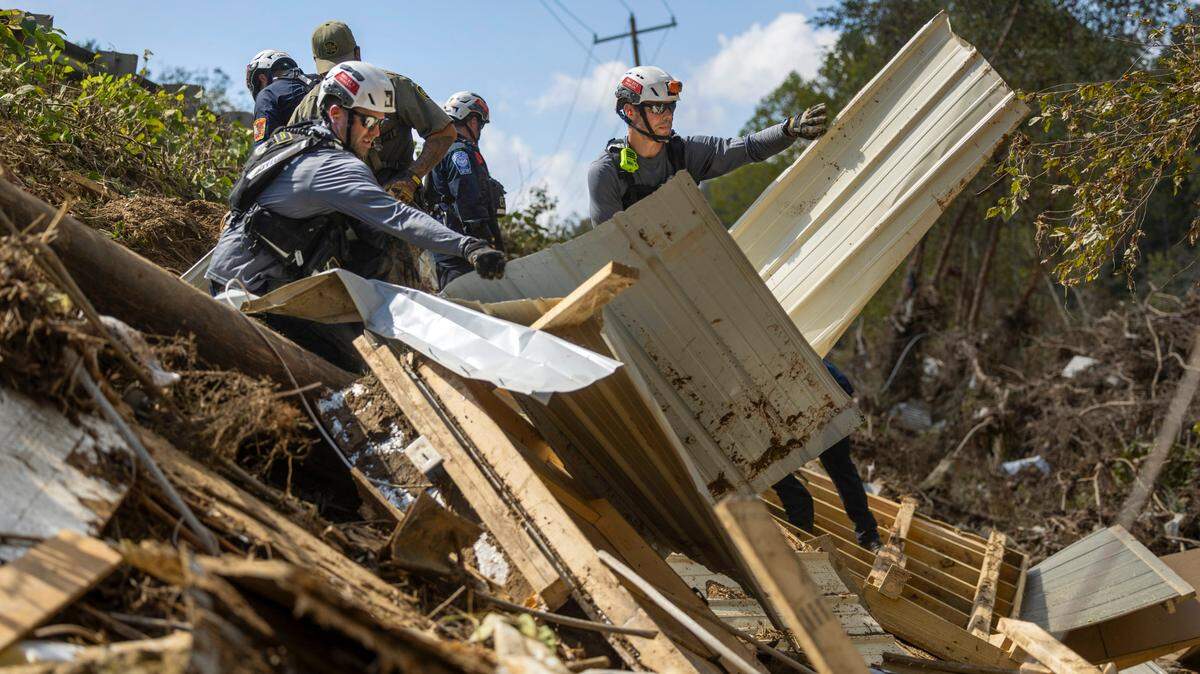
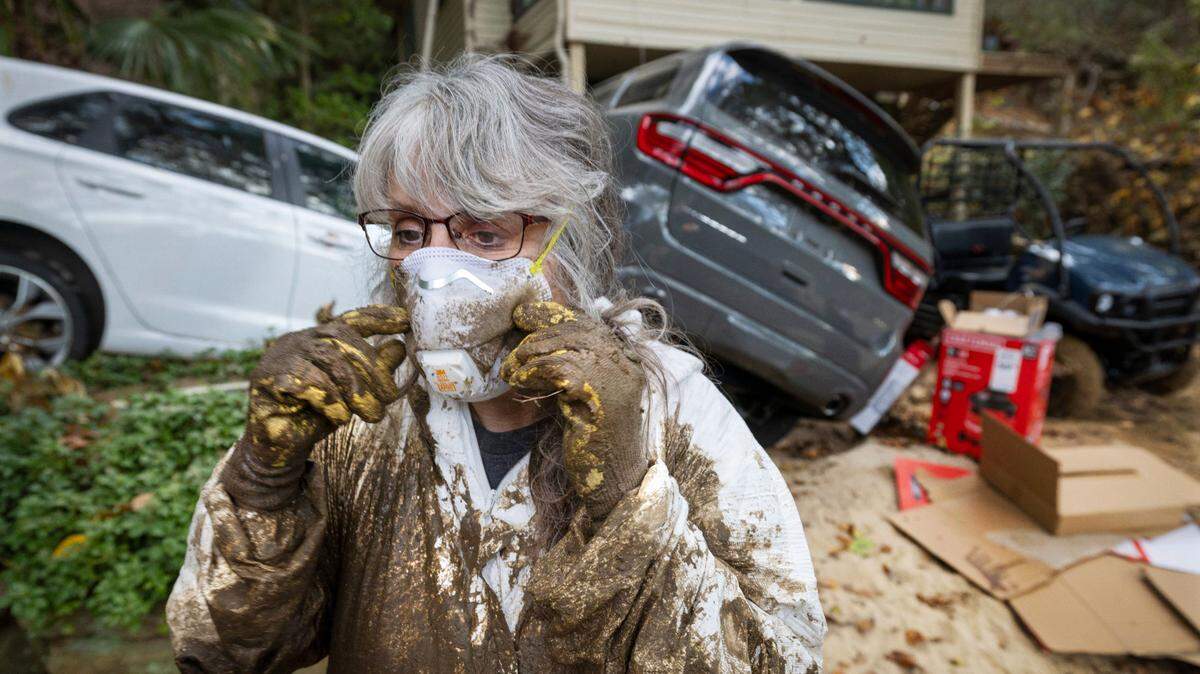
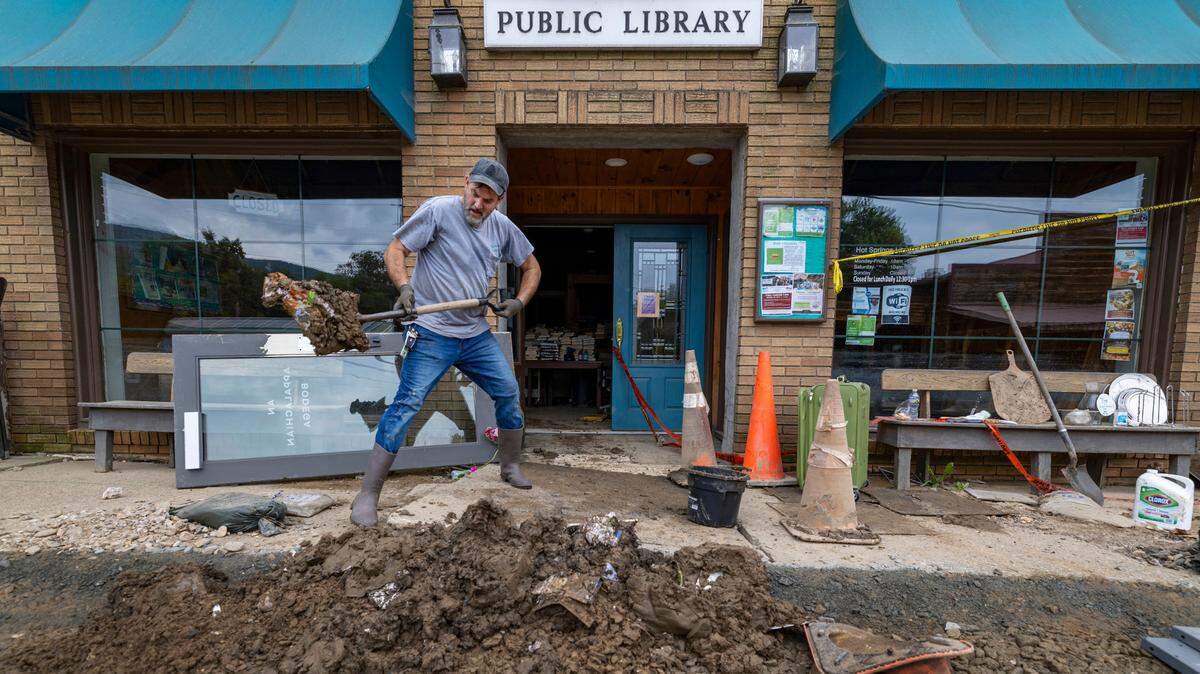
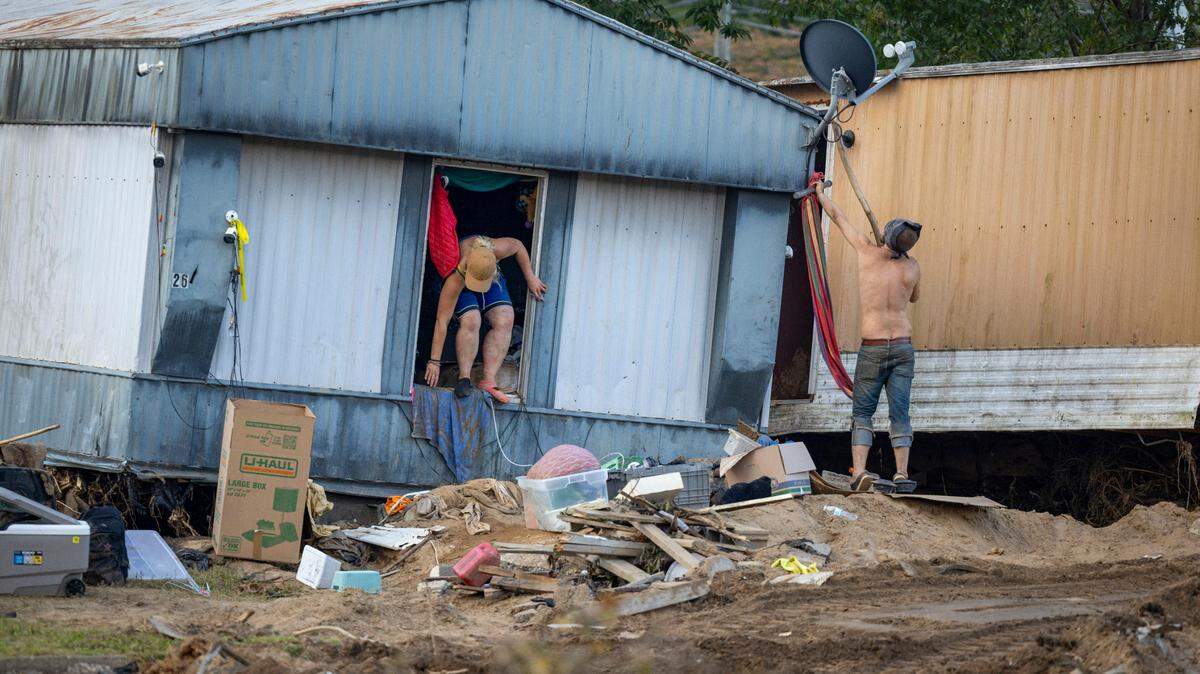
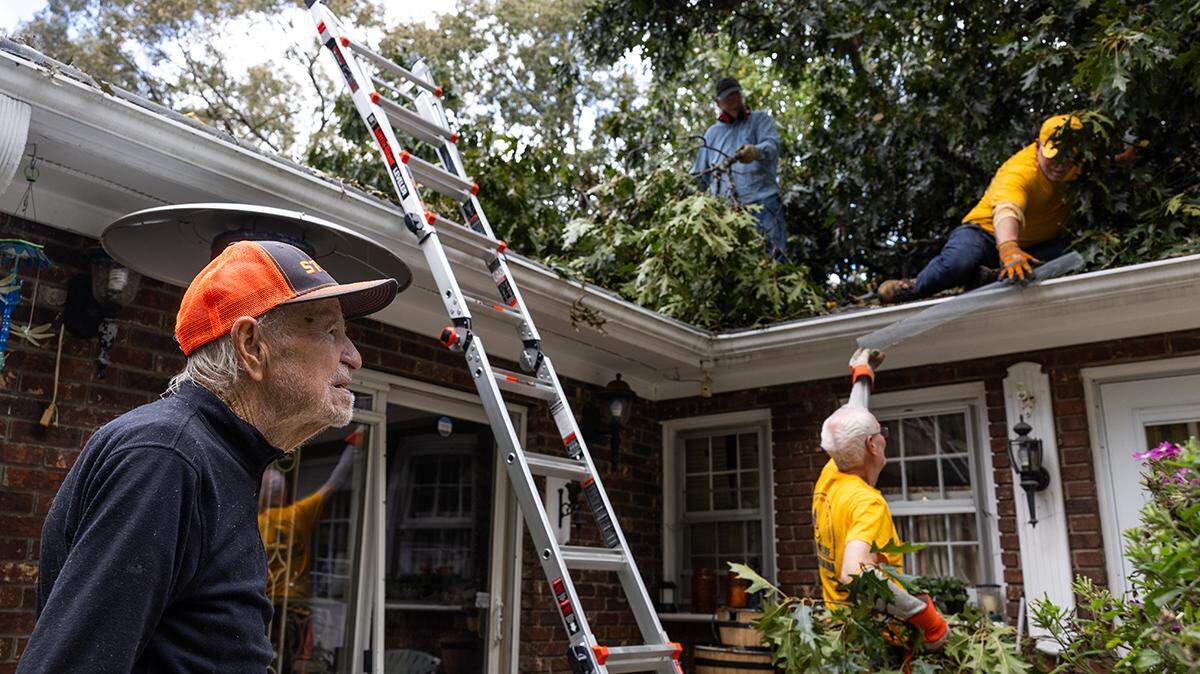
“As people are out there moving debris around and getting their property back in order, I think they’re probably coming in contact with these things more than they normally would,” Stellwagen said.
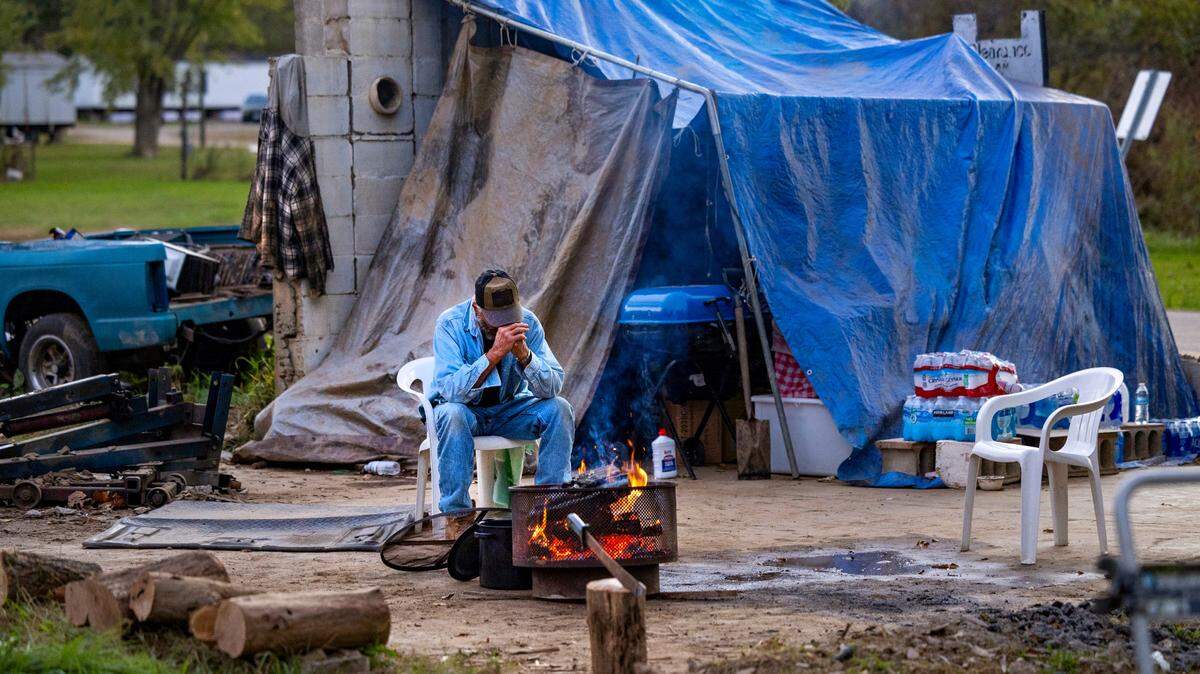
People also may be around bugs more regularly because they’re living without power and spending more time outside, or because of structural damage, homes may not sealed off.
More about stinging insects
Insects, just like squirrels and other animals, also are preparing for winter so there’s more competition for food. “There’s lots of (insects) cleaning up the organic material as well,” Stellwagen said, such as waste and rot after the flood.
She suggested wearing bug spray and watch for nests during cleanup in the mountains. And this time, Mother Nature may be helpful.
“Because it’s getting cooler, I think people will start seeing some relief from these things for sure,” Stellwagen said, “particularly when we get some regular frosts.”
This story was originally published October 16, 2024 at 11:41 AM with the headline "Helene wrecked their Western NC towns and homes. Then came the bees and fire ants."






.jpg)

.jpeg)
.JPG)















.JPG)