
Rethinking your homeowners insurance after Helene? What to know about what policies cover
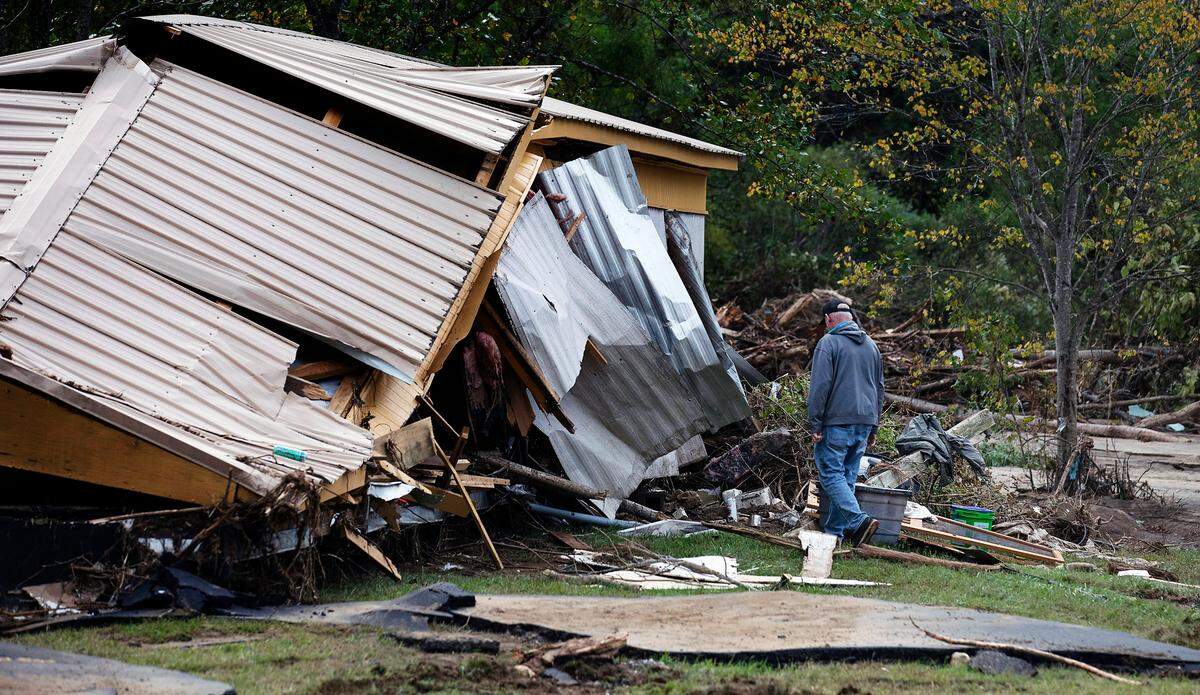
The road to recovery after Hurricane Helene, one of the worst storms in U.S. history, is expected to be a long one, especially for many in Western North Carolina.
After catastrophic flooding that swept through much of the western part of the state, the NC Department of Insurance is working with law enforcement agencies, emergency management, first responders and other groups to help those in need, including the processing of insurance claims.
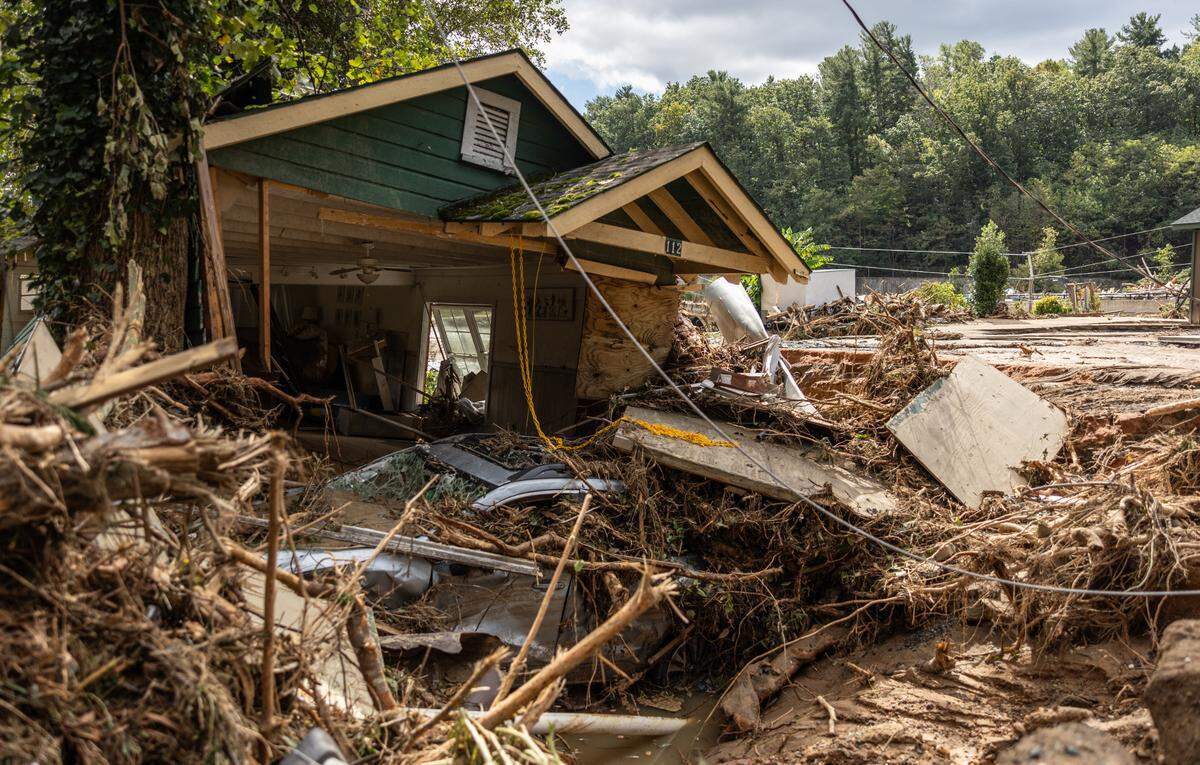
With nearly two months left of the Atlantic Hurricane Season, more storms could be on the way that could have just as much of an impact as Helene.
“It is extremely important that every North Carolinian know what to do well before, during and after a storm occurs to best mitigate any damages and loss of life,” state Commissioner of Insurance Mike Causey said in a release ahead of Helene’s hit.
“These storms are powerful, but precious lives and property can be spared if you take the time in advance to familiarize yourself with these tips.”
Here’s what to know.
‘Know exactly what your policies do or do not cover’
Taking inventory of your belongings at home and making sure you have the right coverage are among the most important things to do to prepare for a storm, according to NCDOI, especially because you may need additional policies depending on the damage left behind.
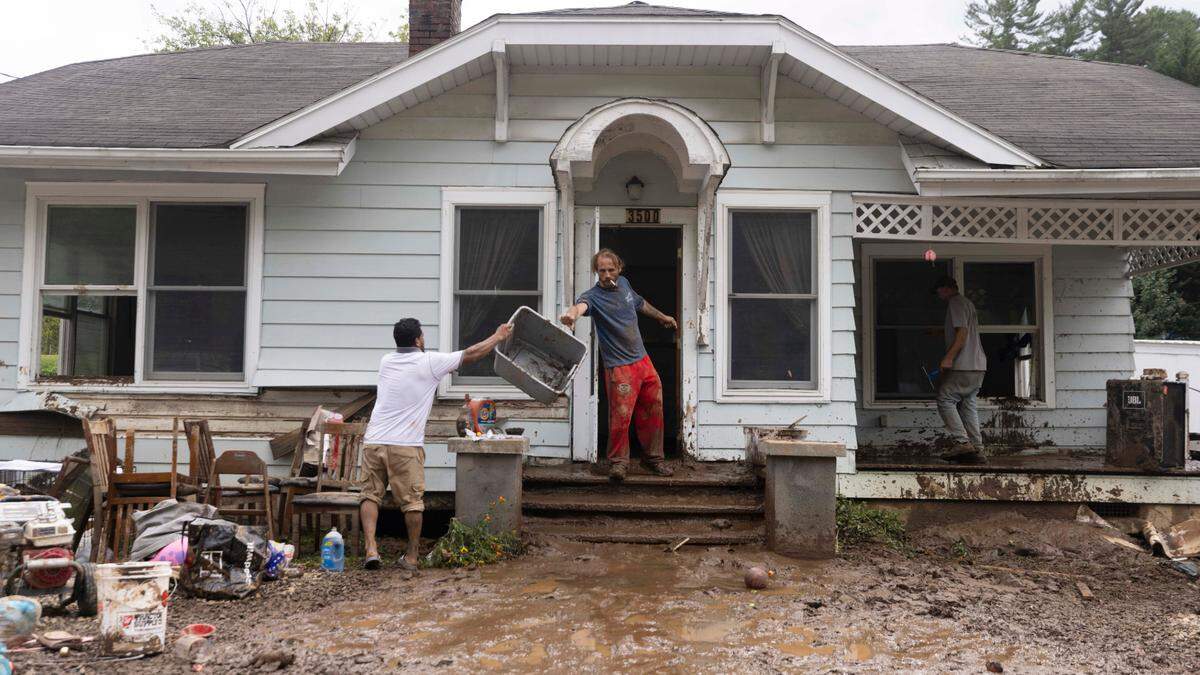
“Standard homeowners policies do not cover flood damage and, in some coastal areas, windstorm and hail coverages are also excluded from the standard policy,” the NCDOI website says.
“The only way to protect your property from flood losses is to purchase flood insurance from the National Flood Insurance Program. Policies must be in place for 30 days before coverage takes effect.”
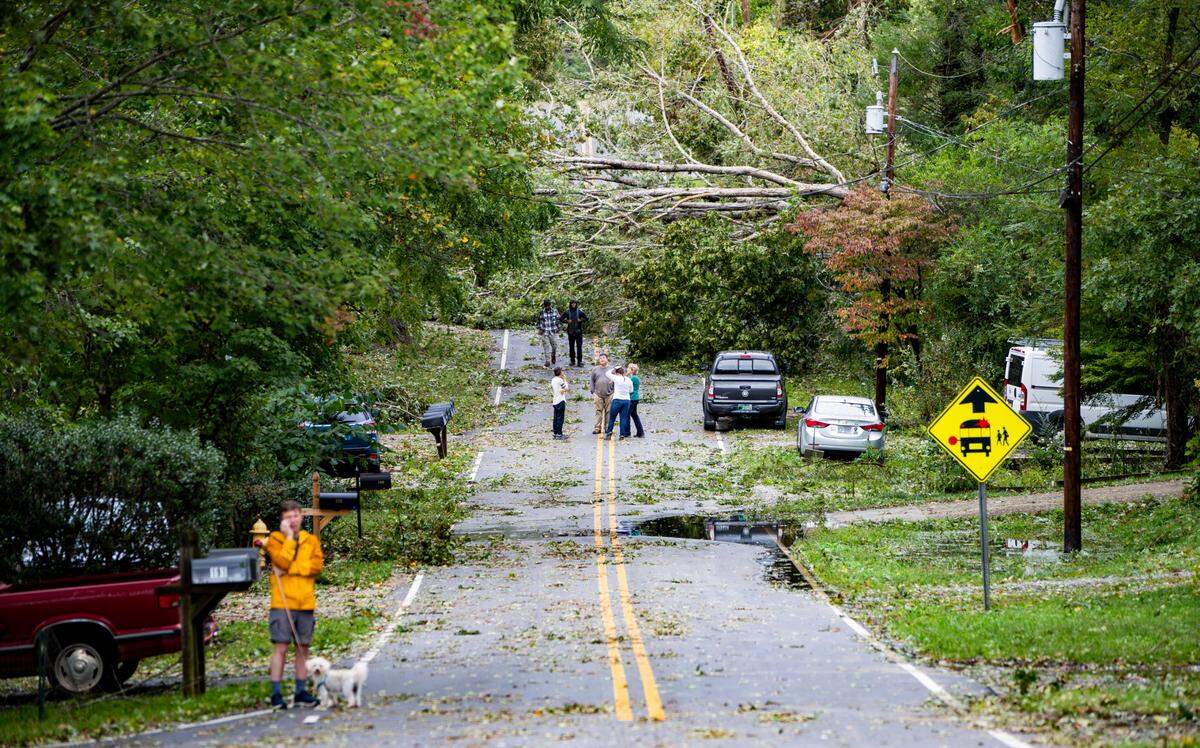
For those that rent their homes, a landlord’s insurance only covers the building, according to NCDOI, so you would need to buy your own renters’ policy to make sure your personal belongings could be protected.
In the event that your home has been damaged in a storm, here’s what the agency recommends to do after a storm:
Report any loss to your homeowners’ insurance agent or company
Document any damages before making any temporary repairs
Do what you can to prevent any further damage
Do not dispose of any damaged materials or make permanent repairs until your insurance company has done an inspection.
If your home is inhabitable, contact your insurance company about which expenses will be reimbursed.
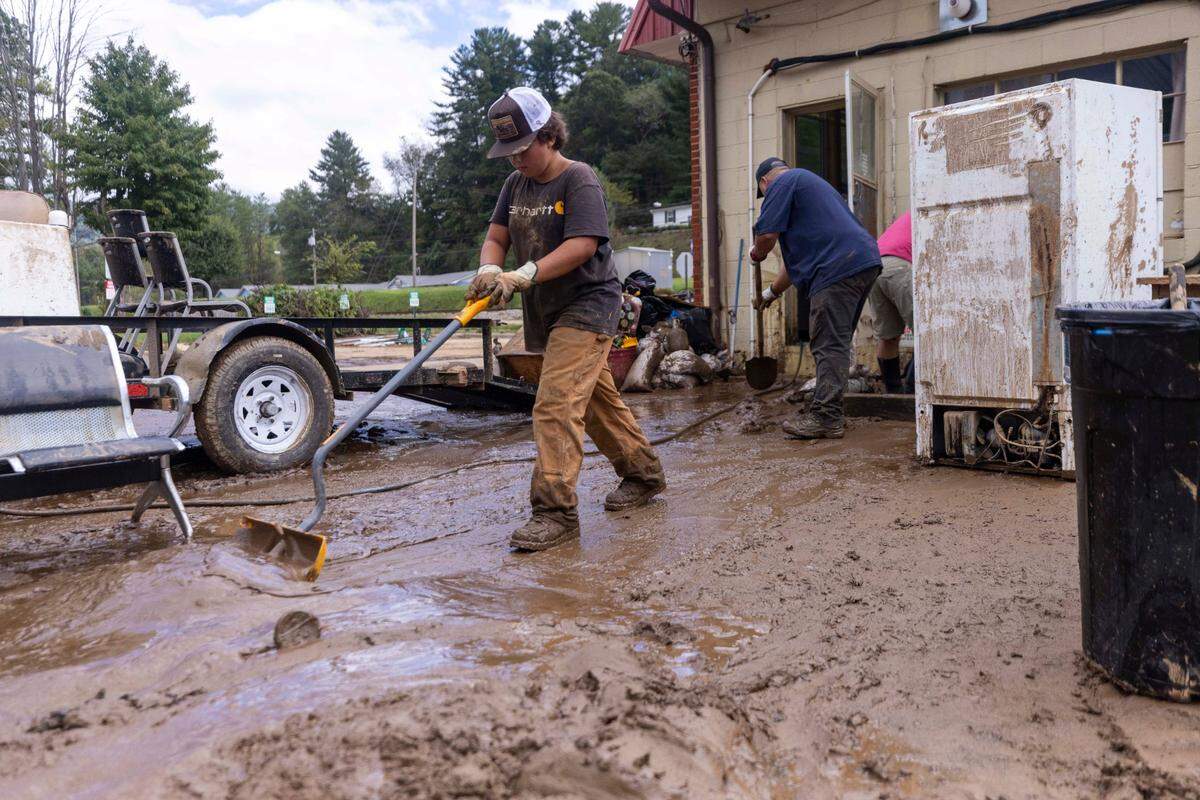
Assistance for Helene storm victims
As recovery efforts continue for Helene, NCDOI announced that two Victim Assistance Centers will be opening soon to help those in need at the department’s North Wilkesboro and Gastonia offices:
Oct. 4 and Oct. 7: 307 Ninth St., North Wilkesboro, N.C. 28659.
Oct. 7: 1422 Burtonwood Drive, Suite 101, Gastonia, N.C. 28054
“These Victim Assistance Centers will help to give in-person and on-the-ground recovery assistance and provide insurance-related support to those directly impacted by Hurricane Helene,” Causey said in a release. “Our goal is to open more VACs in other locations and to provide valuable resources in the coming days and weeks.”
The centers will be open for assistance between 9 a.m. to 4 p.m. to help those affected.
You can find more information about storm-related insurance policies and updates online at ncdoi.gov/helene.
This story was originally published October 3, 2024 at 1:49 PM with the headline "Rethinking your homeowners insurance after Helene? What to know about what policies cover."
.jpg)