DAs want independent review of rocky digital courts launch. Why that looks unlikely
READ MORE
North Carolina’s eCourts system
As North Carolina courts prepare to expand eCourts, intended to be a “virtual courthouse” of operations, critics have been persistent about its implementation and how some have been wrongly arrested. Read coverage of the issue from The News & Observer and The Charlotte Observer.
Expand All
Two top North Carolina prosecutors have urged state leaders to order an independent review of the rollout of the state’s new digital court software, which remains plagued by sluggish operation and downtime.
Their push has drawn support from other district attorneys working with the eCourts software, even as the state agency managing the rollout insists issues with the technology are “consistent with the scope of a project this vital for the public.”
Part of a modernization years in the making, the N.C. Administrative Office of the Courts launched the Odyssey case management software in four pilot counties in February. It’s one major component of a suite of eCourts tools provided by Texas-based Tyler Technologies Inc. that will ultimately cost North Carolina taxpayers more than $100 million over the next decade.
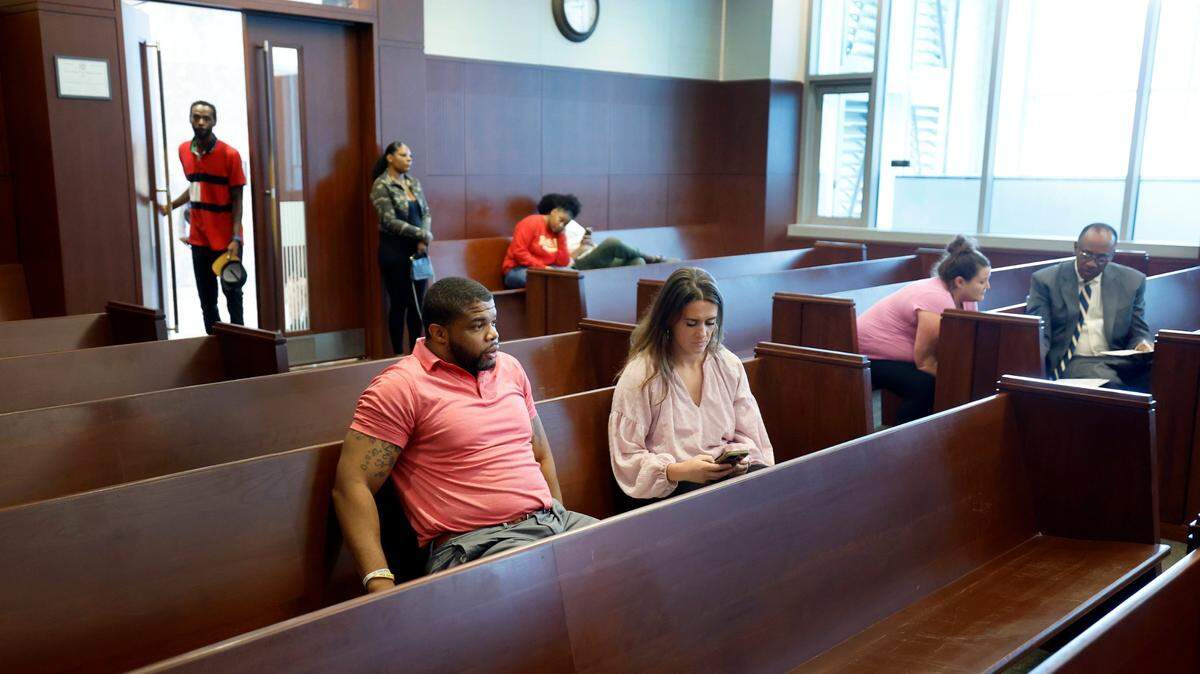
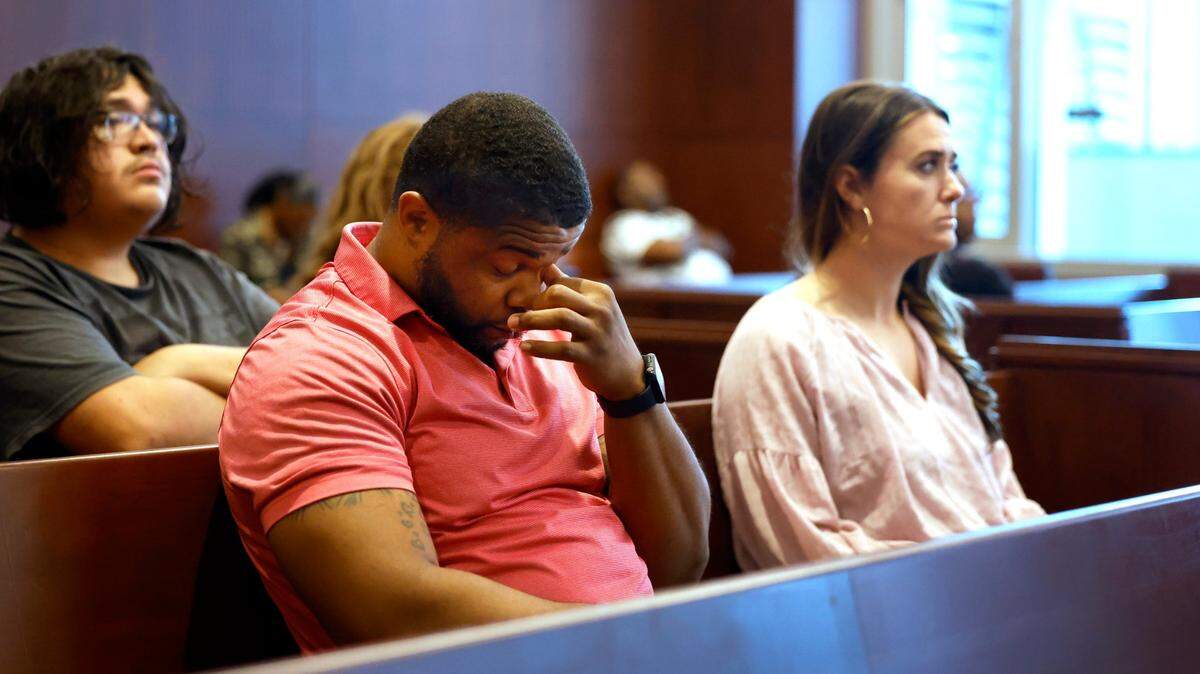
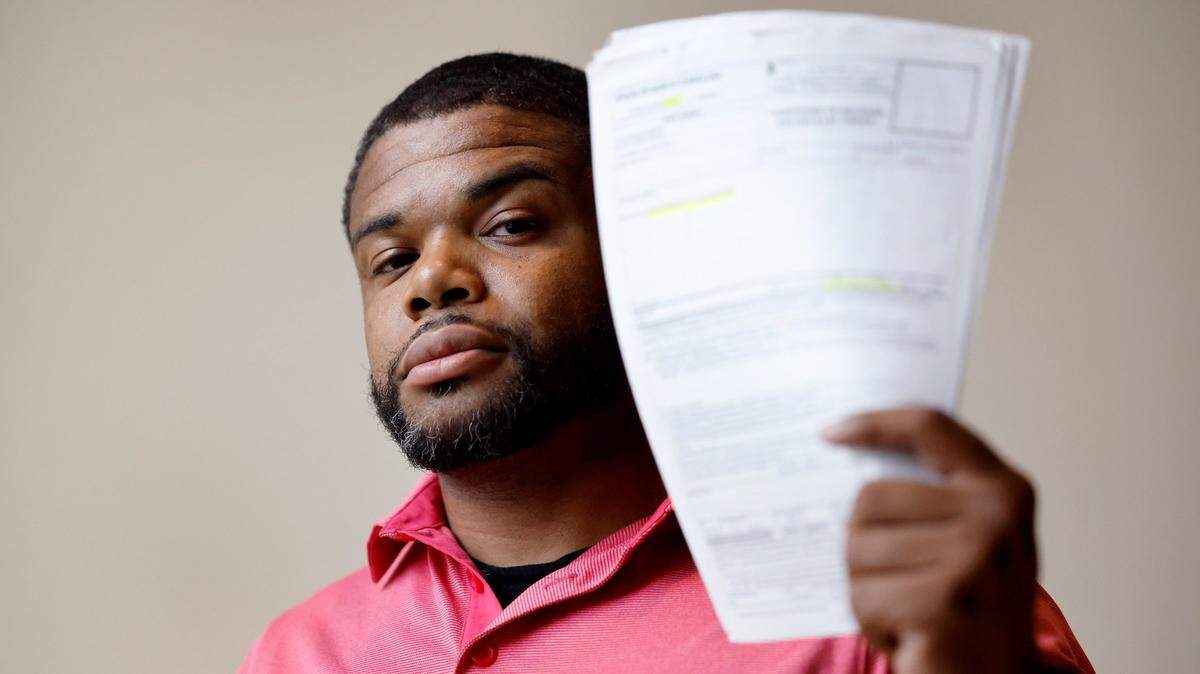
The promise of the eCourts transition was a more efficient, virtual courthouse. But the company is facing a federal civil rights lawsuit over a growing list of what attorneys say are wrongful arrests linked to problems with its rollout. And both prosecutors and defense attorneys in pilot counties continue to complain about the software’s slow operation and downtime.
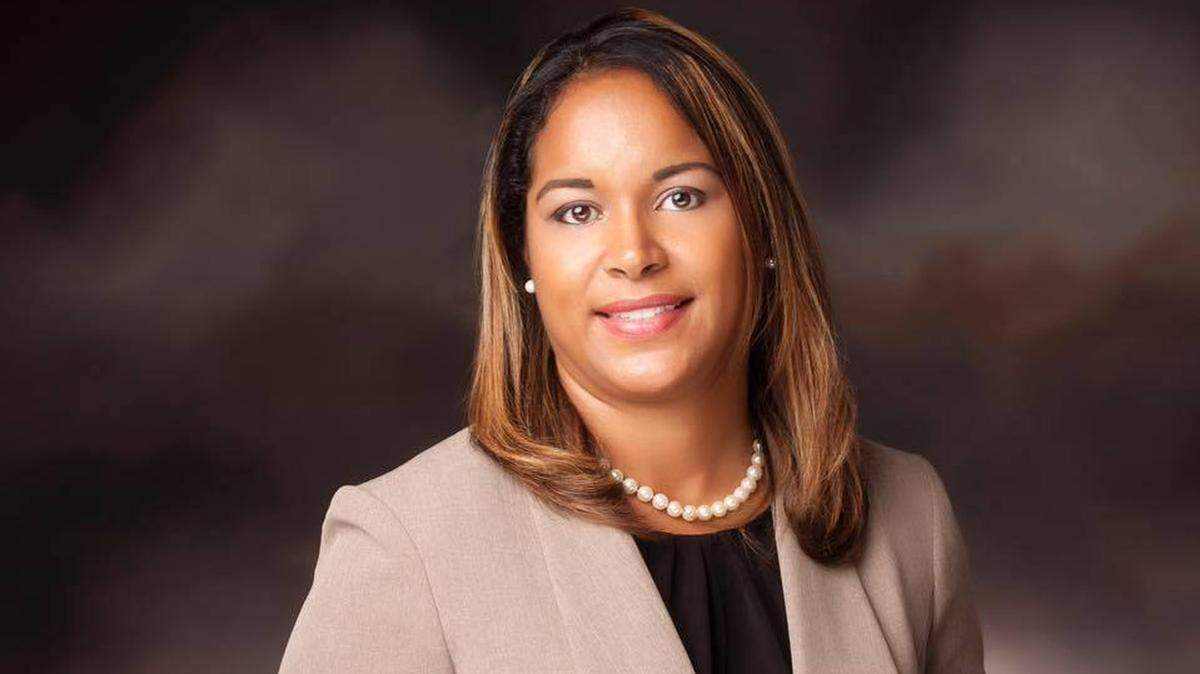
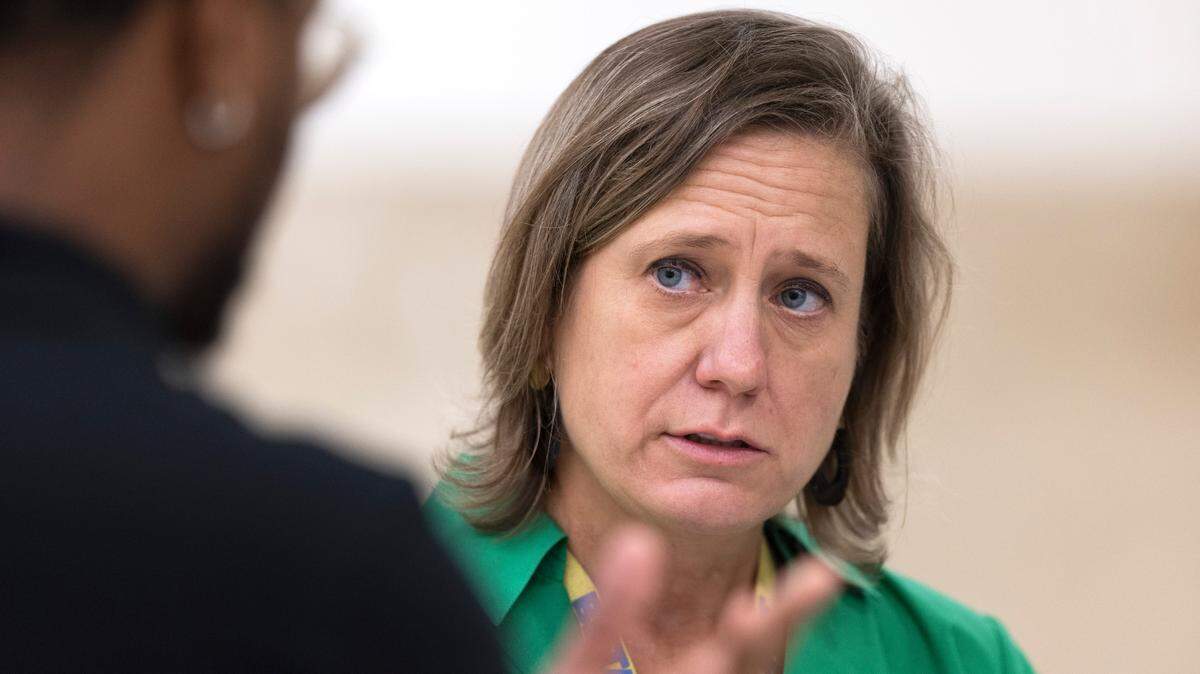
“If we cannot get to a place where we’re able to more efficiently run court, and where we don’t have the system coming to a halt because of stability issues, then I think that that frustrates the public,” Wake County District Attorney Lorrin Freeman said in an interview with The News & Observer. “That is not a positive outcome.”
Freeman said she began calling on AOC leadership to bring in technology experts independent of the agency who can review the launch — and whether Tyler Technologies has lived up to its contractual promises to the state — around late April.
Given the $100 million price tag, “it is a good idea to bring in and to have an independent entity evaluate whether the project is meeting reasonable benchmarks,” she said.
AOC responded “as if they would take it into consideration,” said Freeman, a Democrat whose staff prosecutes criminal cases in the second busiest courthouse in the state.
Johnston County District Attorney Susan Doyle said she has echoed Freeman’s call for a review. It’s needed “to determine if Tyler is in breach of that contract based upon services that were promised but not provided,” she wrote in an email to The N&O.
But Doyle, a Republican, received no response from AOC, she said. Nor did she receive a response when she told the agency that several legislators had also asked for a similar assessment.

“When I pressed further asking AOC how am I supposed to respond to these legislators, their response was for me to tell those legislators to reach out and speak directly to AOC,” Doyle wrote in an email to The N&O.
Doyle declined to provide the names of the lawmakers to The N&O.
AOC declined repeated requests over four weeks from The News & Observer and The Charlotte Observer to make Director Ryan Boyce available for an interview.
When asked about the calls for a review in written questions over email, AOC spokesperson Graham Wilson said the agency was “encouraged by the progress” as they move from the pilot phase to Mecklenburg.
“Based on the progress that has been made during the pilot process, there are no plans for an external review at this time,” Wilson wrote in an email to The N&O on Sept. 14.
Suzanne Matthews serves as the district attorney for both Harnett and Lee counties, the other two courthouses where the system is in its pilot phase. Although she hasn’t called for an independent review, she said she’d support an external evaluation of the rollout and whether the company is delivering on the promises in its contract.
“Transparency is never a bad thing in state government,” she said.
Problems persist, DA says
Freeman noted that since her push for a review in April, Wake County court leaders in regular meetings with AOC staff have repeatedly reported issues caused by the sluggish system and the additional labor it requires to operate. Other counties, including Doyle’s, have done the same.
“Based on these complaints, Tyler Technologies sent individuals to observe our court operations on June 20, 2023,” Freeman told The N&O. “By way of email, each of the pilot county district attorneys again raised concerns about the slowness of the system (latency concerns) as recently as Aug. 16, 2023.”
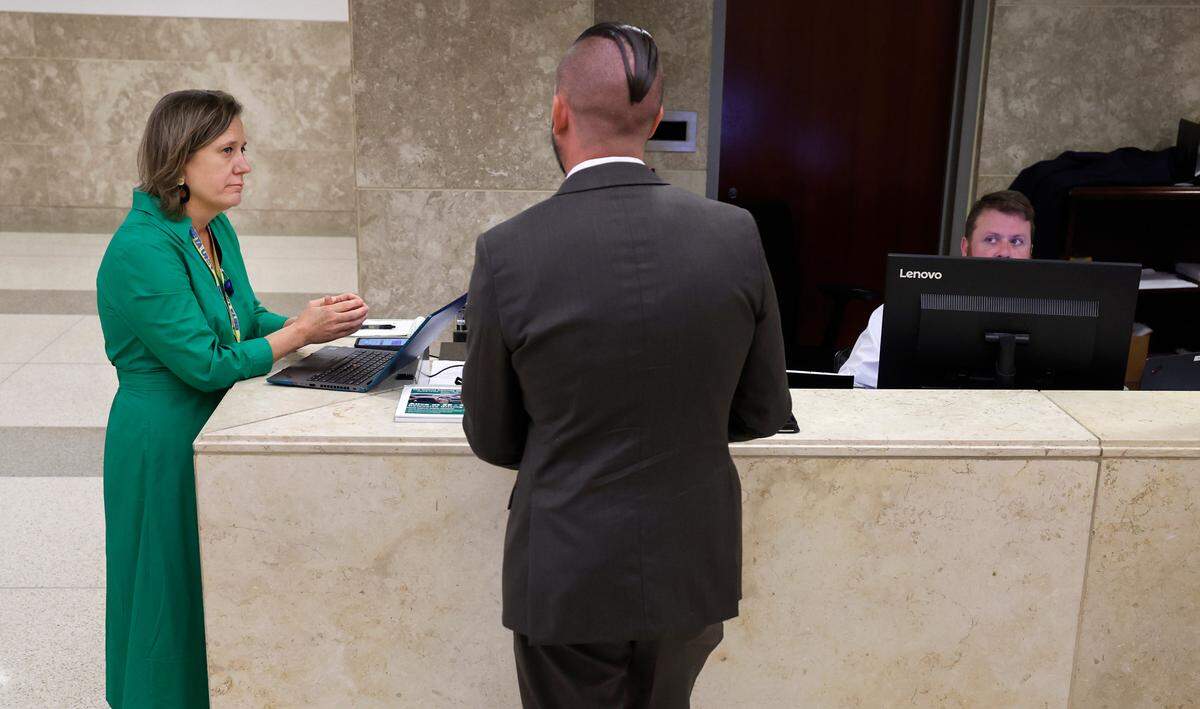
In response to questions from The N&O, Wilson emphasized that given the enormity of moving the paper- and mainframe-based court system to one operating in the cloud, some “intermittent issues” are to be expected.
The change also requires users to adjust while developers tweak and adapt its functionality in response to users in pilot counties.
“The confluence of these transitions in a pilot phase present challenges that are necessary and consistent with the scope of a project this vital for the public,” Wilson said.
Freeman said she needs more information to assess that the problems she sees are inevitable during such a massive technology shift. A review independent of Tyler Technologies and AOC could help distinguish normal hiccups from more serious and persistent ones, she said.
“If AOC’s statement basically in a nutshell is: this is all in range with what we would anticipate, OK? Great. Bring somebody in,” Freeman told The N&O. “Prove it.”
DAs not alone
Lindsey Granados, a Cary-based defense attorney who still serves on an advisory committee for the technology’s rollout, also supports an independent review, she said. That would provide more clarity on the performance of the system and “how to move forward from here.”
She does not believe the system is an upgrade from what the state had before. And she’s tired, she said, of “screaming into the void.”
“The state has the right to make sure that they are receiving the benefit of what we’ve paid for,” Granados said.
It’s a sentiment shared by officers of the court beyond the four eCourt pilot counties of Wake, Johnston, Harnett and Lee.
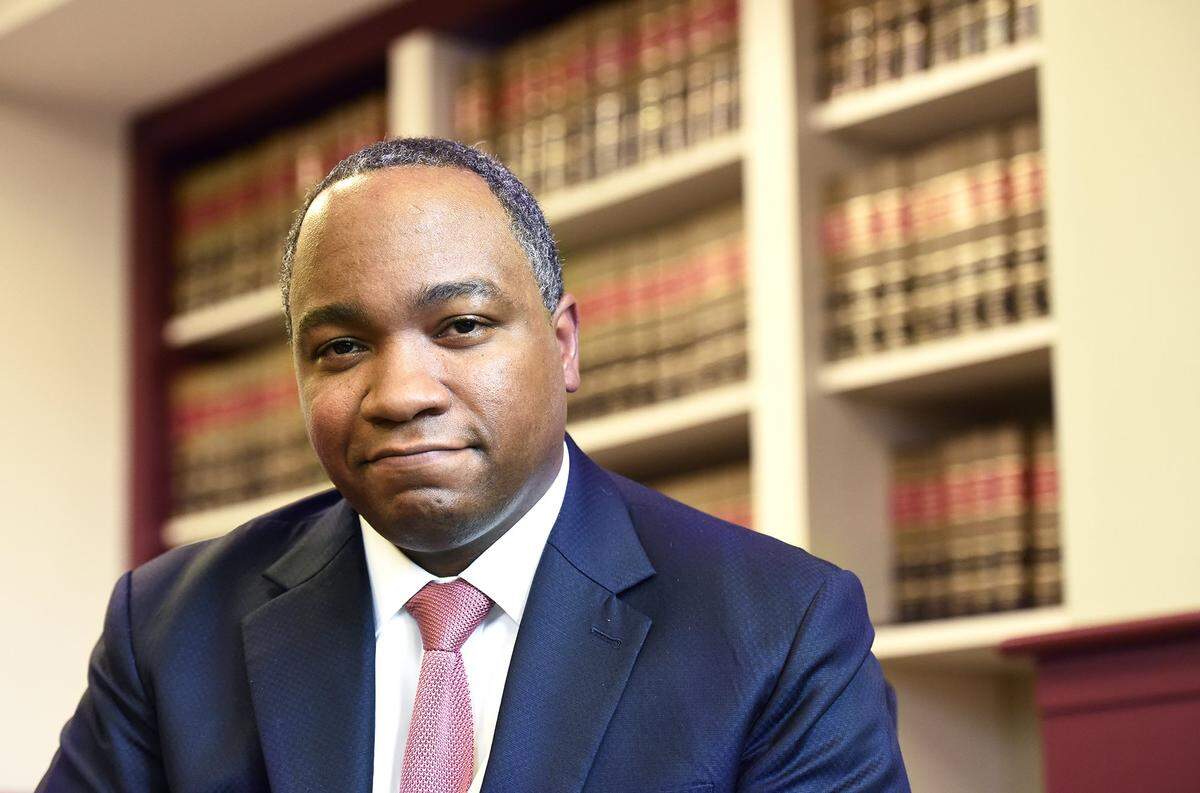
When asked about the call for a review, Mecklenburg District Attorney Spencer Merriweather — days away from the rollout of the Odyssey software planned for Oct. 9 — was blunt.
“I, along with my fellow DAs and other court stakeholders — not to mention the general public — are the customers to whom services are to be rendered,” Merriweather wrote in a text message to The Charlotte Observer on Sept. 20.
“Why in the world wouldn’t I want to see that kind of review?”
Charlotte Observer investigative reporter Ryan Oehrli contributed to this story.
This story was originally published September 27, 2023 at 5:30 AM with the headline "DAs want independent review of rocky digital courts launch. Why that looks unlikely."