At a dangerous time for North Carolina workers, workplace safety inspections plunged
READ MORE
Charlotte Scaffolding Collapse
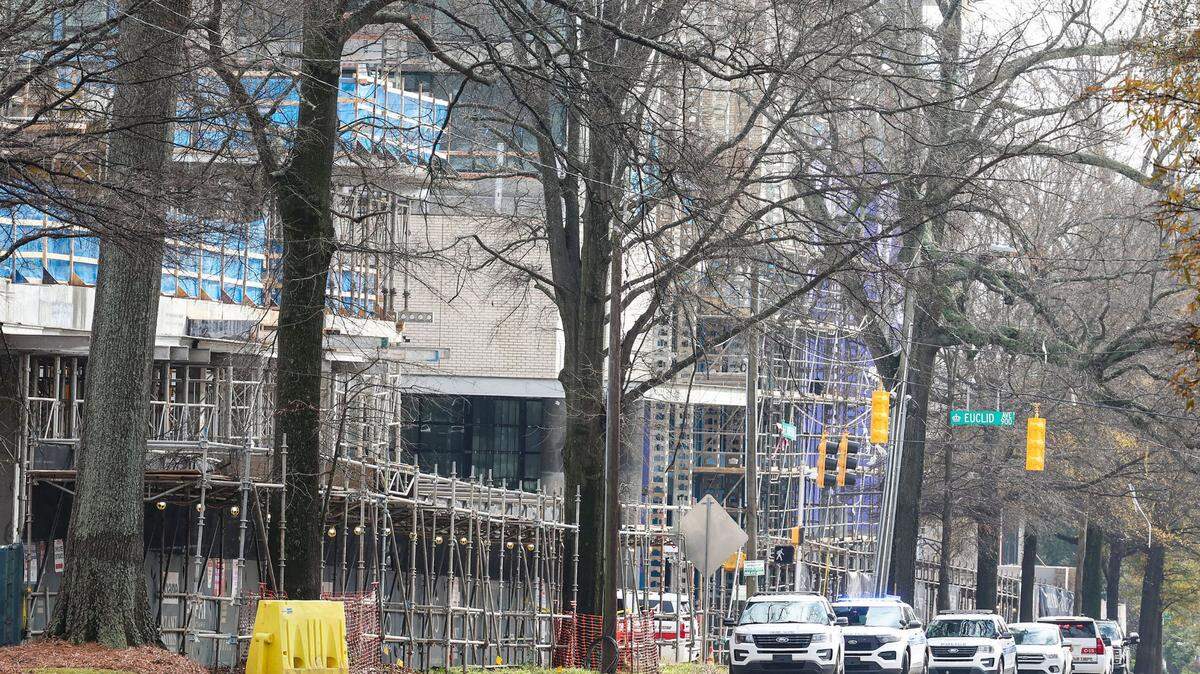
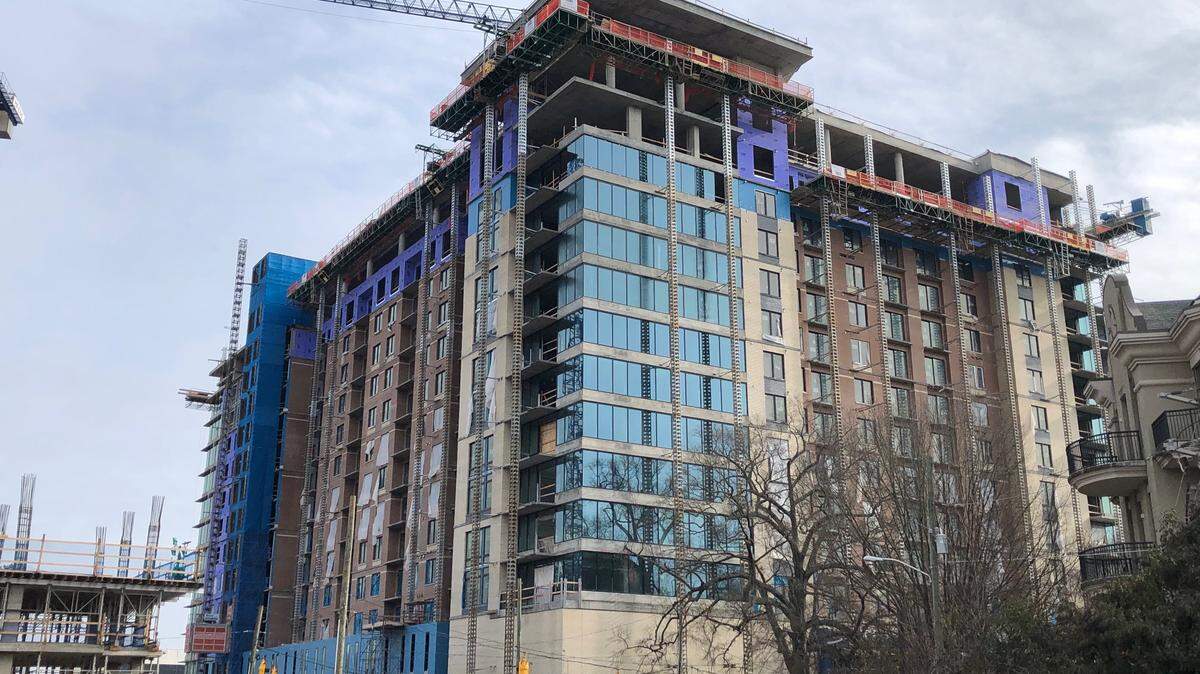
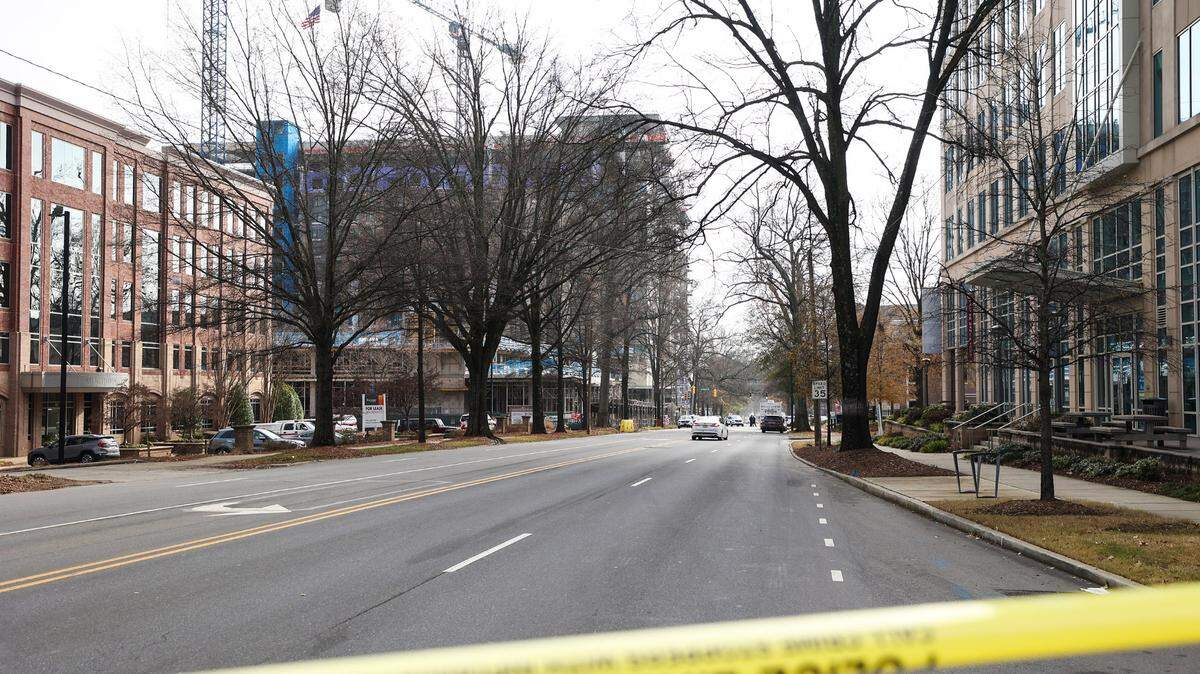
On Jan. 2, 2023, scaffolding collapsed at a construction site in Charlotte, killing three workers.
Expand All
Until last week, North Carolina workplace safety inspectors knew little about the Charlotte construction site where three workers fell 70 feet to their deaths on Jan. 2.
They had never inspected it.
The fatal workplace incident — one of dozens that unfolds on job sites across North Carolina each year — happened at a time when occupational safety inspections have been dropping sharply.
The number of workplace safety and health inspections in the state has fallen by more than half over the past decade. Officials for the North Carolina Division of Occupational Safety and Health conducted fewer than 2,000 inspections last fiscal year — just one inspection for every 172 employers.
At the same time, the number of workplace deaths in this state has climbed since 2019.
One reason for the declining inspections: The state has struggled to hire and retain inspectors. More than a quarter of the state’s 109 workplace safety officer positions are currently unfilled, state data show.
The percentage of vacancies rose from 15% in fiscal year 2018 to 32% last year, state figures show.
“If you decrease their ability to inspect worksites, whether it’s less inspectors or less inspections, you’re asking for unsafe conditions that can lead to a tragedy,” said Travis Parsons, associate director of the Laborers’ Health and Safety Fund of North America.
A fatal fall
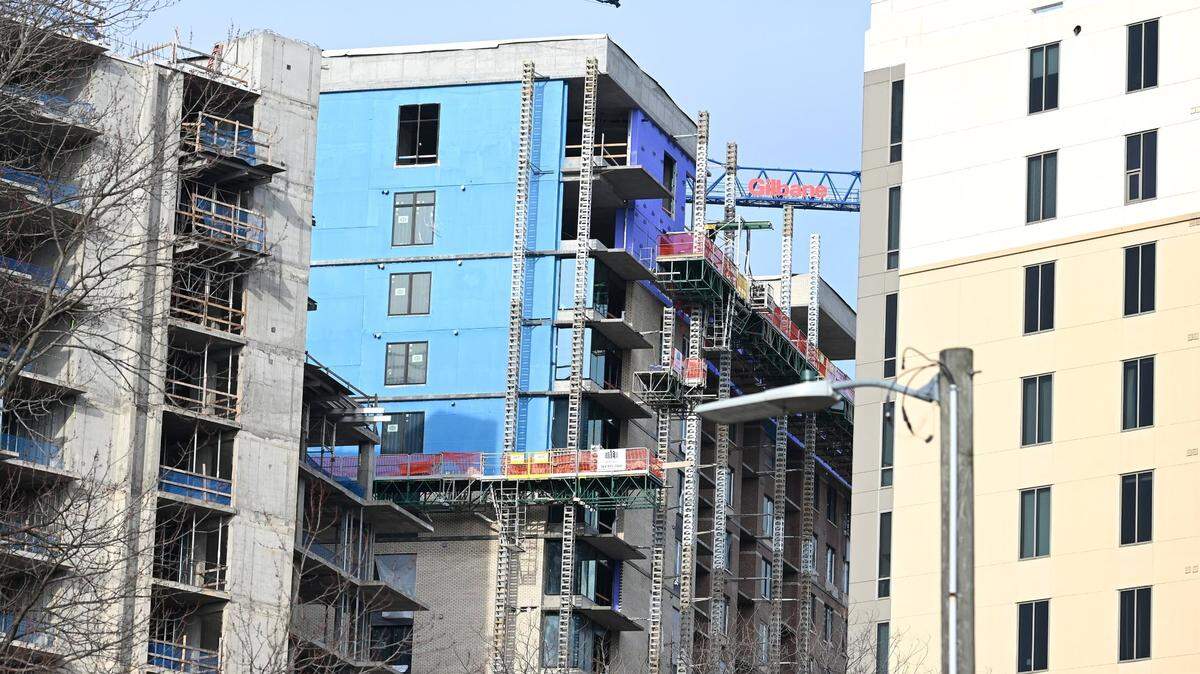
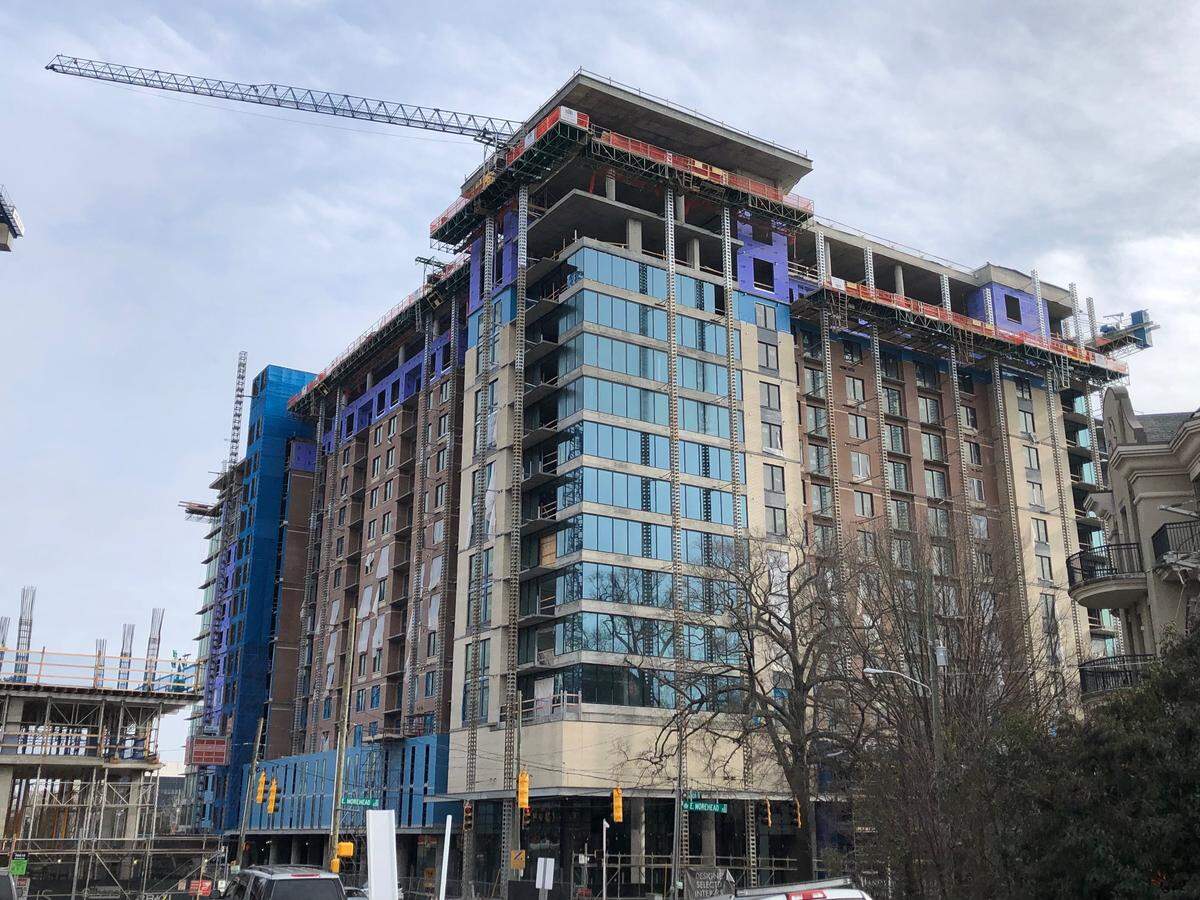
On the morning of Jan. 2, a construction crew was working on a residential tower near Charlotte’s Dilworth neighborhood when a “mast climber” scaffold collapsed. Three workers — Jose Canaca, Gilberto Monico Fernández and Jesus “Chuy” Olivares — plunged 70 feet to their deaths. Two other workers were injured.
It’s not the first time accidents involving mast climbers have claimed lives in North Carolina. In 2015, a mast climber scaffold tore from the side of a building under construction in downtown Raleigh, killing three workers. Crews were dismantling the scaffold at the time of the collapse.
Mast climber scaffolds, which are attached to the sides of buildings under construction, carry equipment and people up and down the structure, much like an elevator.

The equipment arrives at construction sites largely prefabricated. Most mast climbers are supported by an anchorage system that bolt it to the building being worked on. It’s tied to the building at different points and can carry heavy loads.
Because those ties can fail or the scaffold can become overloaded, training and proper planning are necessary, Parsons said.
State inspectors issued 222 citations for safety violations involving scaffolds and aerial lifts at North Carolina construction sites last fiscal year. That number has dropped 36% since fiscal year 2018 despite the state’s continued growth.
A dangerous place for construction workers
The Jan. 2 deaths in Charlotte add to a grim toll.
The number of workplace deaths in North Carolina — while lower in 2022 than in the two previous years, when COVID ravaged some workplaces — has climbed since 2018. There were 49 occupational deaths in fiscal year 2018, 92 in 2021 and 64 last fiscal year, state labor department figures show.
(Federal Bureau of Labor Statistics figures show significantly larger numbers of workplace deaths in North Carolina, largely because federal officials, unlike the state, count work-related deaths due to vehicle accidents and fatalities among the self-employed.)
The rate of workplace deaths in North Carolina — about 4.4 for every 100,000 workers in 2020 — was well above the national average of 3.4, according to a recent report by the AFL-CIO, a federation of labor unions.
Many of those deaths happened on construction sites like the one in Charlotte.
From 2011 through mid-2022, a recorded 280 construction workers died on the job in North Carolina — a higher number than all but four other states, according to data from the Center for Construction Research and Training, a nonprofit working to reduce injuries and fatalities at construction sites.
During that time, Charlotte registered 30 construction site deaths, the 12th highest number among U.S. cities, the data show. Raleigh ranked 21st.
About half of the state’s 1,954 workplace safety inspections last year were visits to construction sites.
North Carolina OSH and the Charlotte-Mecklenburg Police Department are investigating last week’s fatal incident, which has placed a spotlight on occupational deaths among Latinos, safety experts say.
More than 40% of the workers who died on the job in North Carolina last fiscal year were Hispanic, according to Department of Labor statistics.
Language barriers — and a failure to communicate safety instructions effectively to non-English speakers — sometimes make work more dangerous for Hispanic workers, safety advocates say.
“If you don’t understand ‘Duck your head,’ you don’t do it,” former state labor commissioner Harry Payne said.
As vacancies rose, inspections dropped
The precipitous drop-off in workplace inspections troubles many safety advocates.
MaryBe McMillian, president of the North Carolina AFL-CIO, said that when inspections decline, some employers cut corners on safety.
“And without inspections, some of the hazards won’t be exposed — like the ones that led to the collapse of this scaffolding in Charlotte,” she said.
Ashley Hawkins, president of the Charlotte-Metrolina Labor Council, expressed alarm when a reporter told her about the falling number of inspections. Fewer inspections, she said, mean fewer chances to “catch something that could end in an injury or fatality.”
The North Carolina labor department did not make an OSH official available for an interview. But in written answers to The Charlotte Observer’s questions, department spokeswoman Erin Wilson said that it has become difficult to recruit and retain inspectors.
“As an initial matter, the job is very challenging, as it involves not only identifying safety and health hazards, but documenting violations so that citations and penalties are legally defensible,” Wilson wrote.
“Our department’s goal is to fill these vacant positions with qualified staff as quickly as possible,” she added. “...This is a priority for (state Labor Commissioner Josh Dobson) and the OSH Division.”
The department has increased salaries for compliance officers 20% over the past year and now provides sign-on bonuses of up to $7,000 for new inspectors, Wilson said.
But some workplace safety advocates say the pay is still too low. Starting pay for safety officers in North Carolina is $58,000 — much lower than many jobs in the private sector.
Advocates also point to another obstacle to making workplaces less hazardous: low fines for safety violations.
In fiscal year 2021, the average penalty for violations was $1,892, compared to a national average of $3,315, according to the AFL-CIO report. Starting on Oct. 1, the state doubled the maximum penalties for workplace safety violations.
“If the cost of getting caught is not high, you might take that gamble,” said Clermont Ripley, Co-Director of the North Carolina Justice Center’s Workers’ Rights Project. “We need to make it cheaper to comply than not comply.”
This story was originally published January 9, 2023 at 5:55 AM with the headline "At a dangerous time for North Carolina workers, workplace safety inspections plunged."