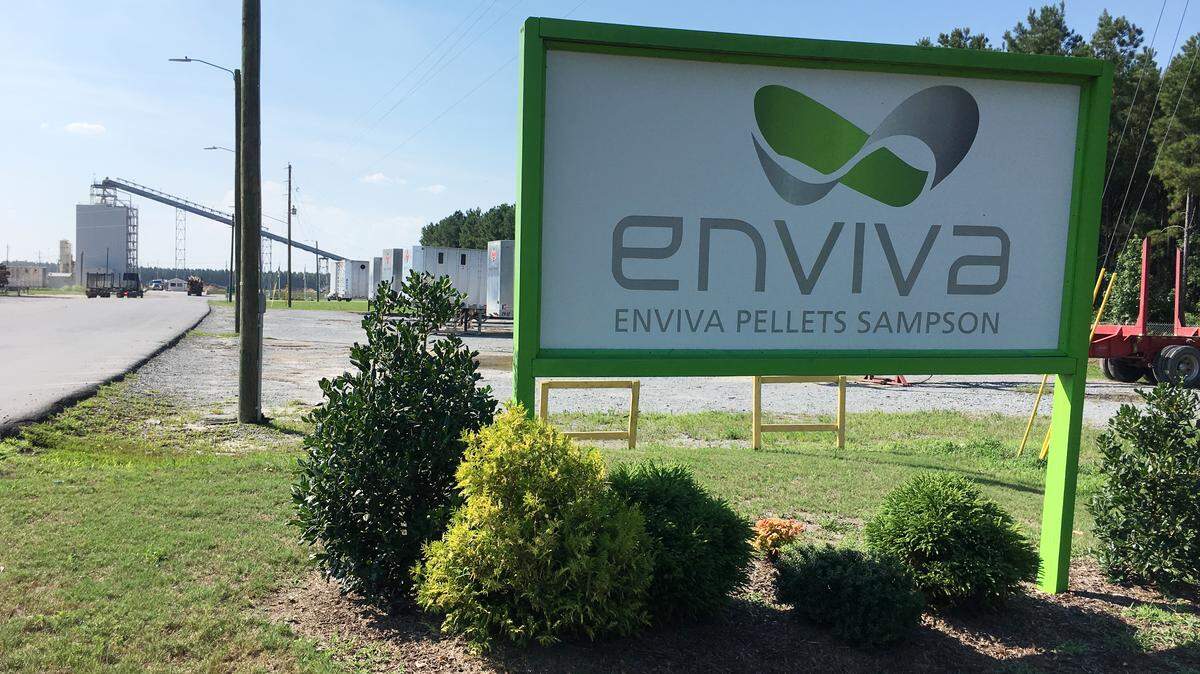
Enviva facilities have generated hundreds of tons of air pollution a year, critics say
READ MORE
Wood pellets, climate change and North Carolina
This series on the wood pellet industry and the different views on the role of North Carolina forests in combating climate change took six months to put together, but drew on years of experience and reporting. It was produced in partnership with The Pulitzer Center on Crisis Reporting.
Expand All
Every day, Silverleen Alston walks out the door of her Northampton County home and finds a powdery dust everywhere: around the house, on the car.
“I can wash it away, but it comes right back,” said Alston, who lives in Garysburg near the wood pellet manufacturer Enviva, which opened in 2016. “It’s an everyday thing. We used to have cookouts in the backyard. Can’t do that like we used to because of the stuff that’s out there. It’s everywhere.”
In addition to their concerns about biomass worsening climate change rather than reducing it, critics of the wood pellet manufacturer Enviva have accused the company of generating large amounts of air pollution in the communities where its plants operate in North Carolina.
“The biomass industry is nothing like the clean, sustainable answer to climate change it paints itself to be,” said Patrick Anderson, an attorney with the Environmental Integrity Project in Atlanta, which has investigated wood pellet manufacturers and their smokestack emissions nationally. “In fact, it is a major source of air pollution.”
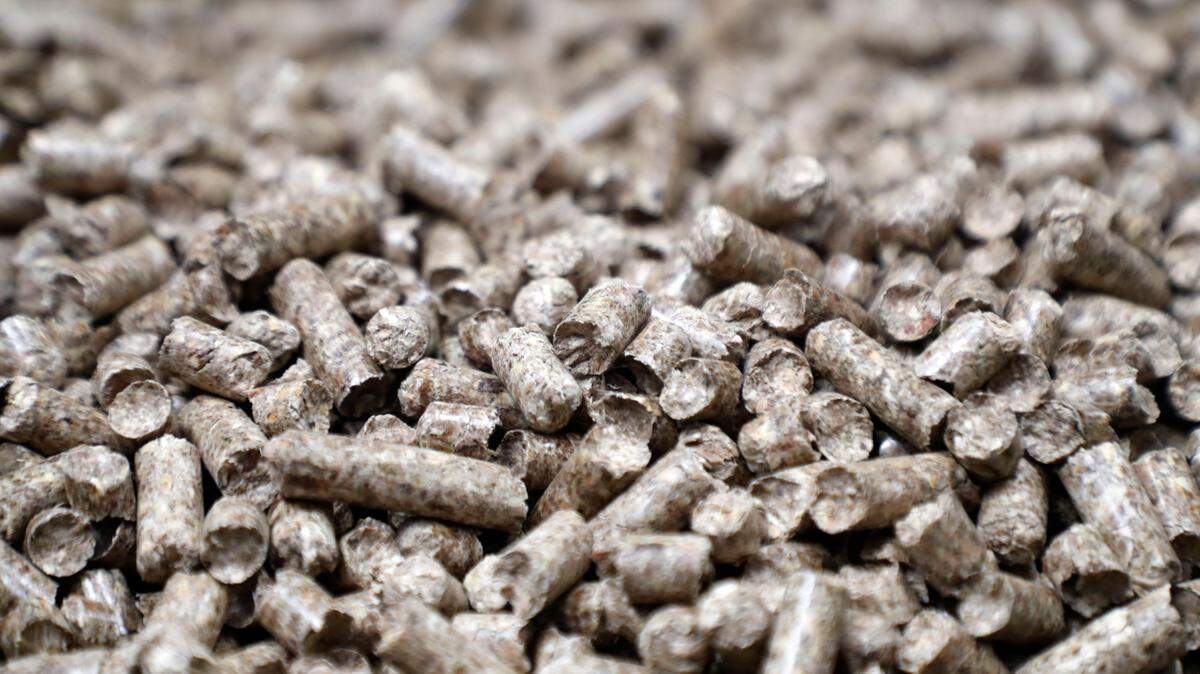
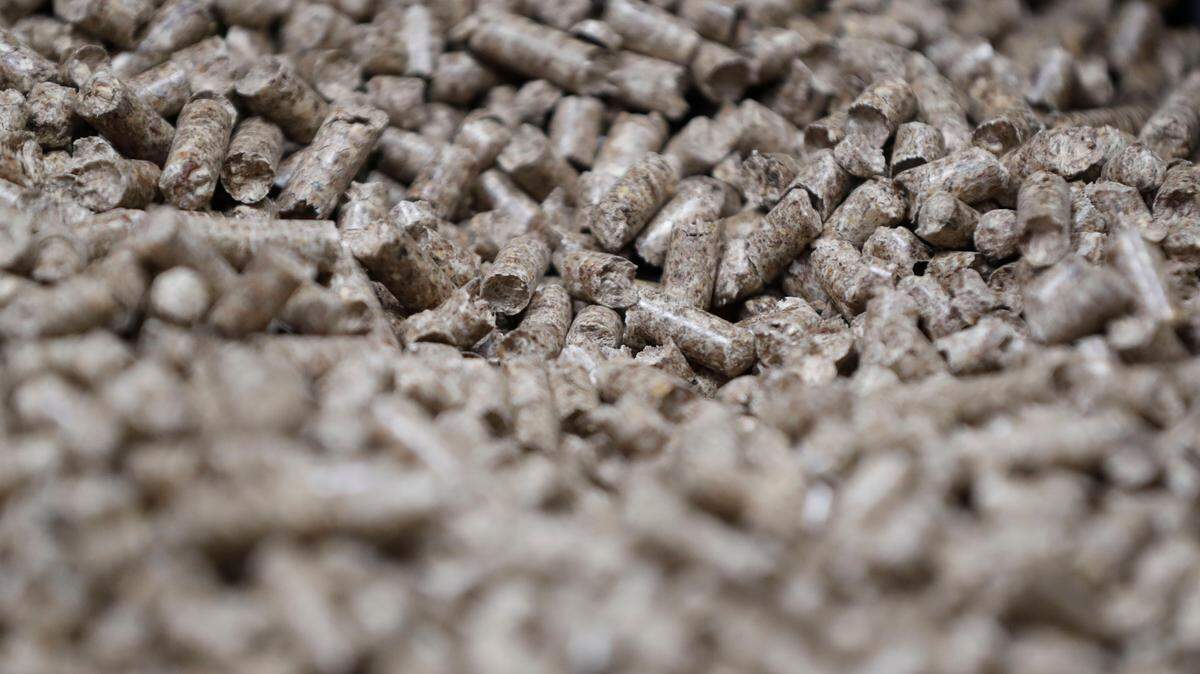
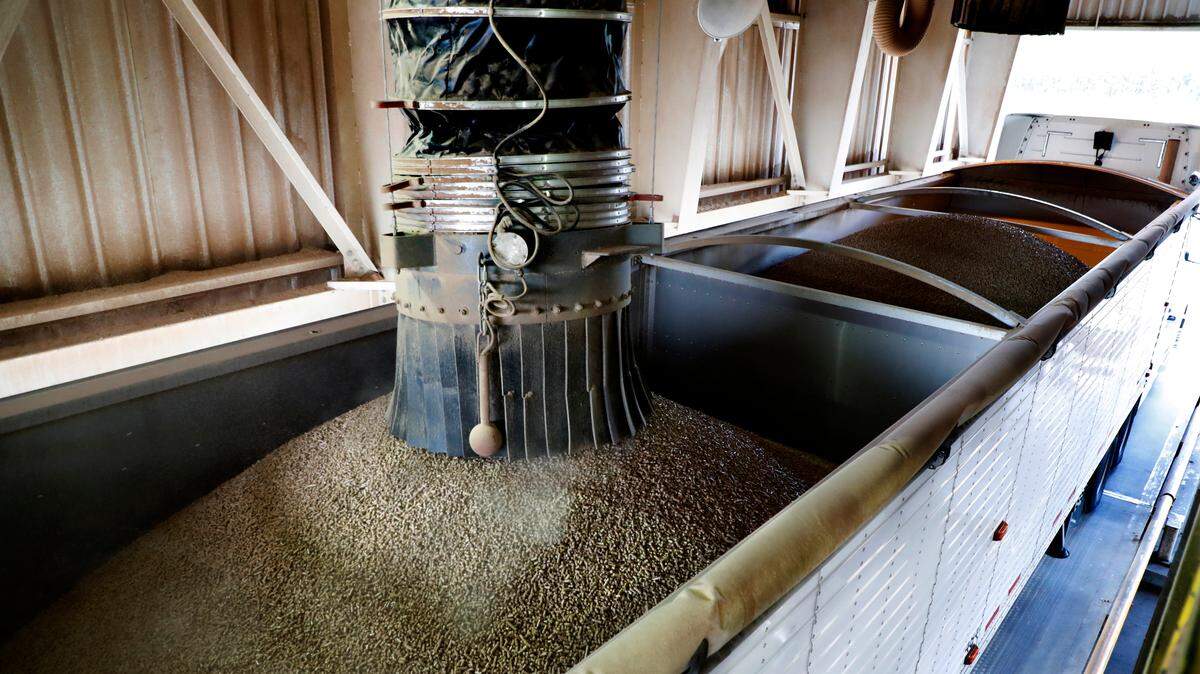
Turning green tree trunks, wood chips and lumber scraps into wood pellets — all natural, organic material Enviva uses from softwood pine farms, private hardwood forests and lumber mill scraps — generates tons of hazardous emissions through its smokestacks, according to its reports to the state Department of Environmental Quality.
The wood must be dried, and that intense heating process emits fine particulate matter, carbon monoxide, nitrogen oxide and greenhouse gases – each of which carry health risks. The drying process also generates volatile organic compounds (VOCs), which once in the atmosphere combine with sunlight to produce ground-level ozone, better known as smog. That generates more health risks.
“Ozone is actually the most widely known air pollutant for most people since it affects asthma pretty directly,” said Rachel McIntosh-Kastrinsky, a public health advocate with Clean Air Carolina. “But it can affect a whole host of other health issues, and these communities where these facilities are located already have a lot of pre-existing conditions and have a lot of poor health outcomes.”
Until this year, Enviva didn’t have industry-standard pollution reduction technology at its first three plants in the state.
That was before a 2018 investigation by the Environmental Integrity Project, which analyzed years of records regarding air permits and emissions for 21 wood pellet mills from Virginia to Texas.
EIP found that Enviva’s first three North Carolina plants — all permitted by DEQ — emitted 1,285 tons of hazardous air pollutants a year, with the Sampson County plant deemed the biggest wood-pellet polluter in the country.
The EIP report said North Carolina “has been the most egregious in terms of allowing unnecessary” pollution in the wood pellet industry.
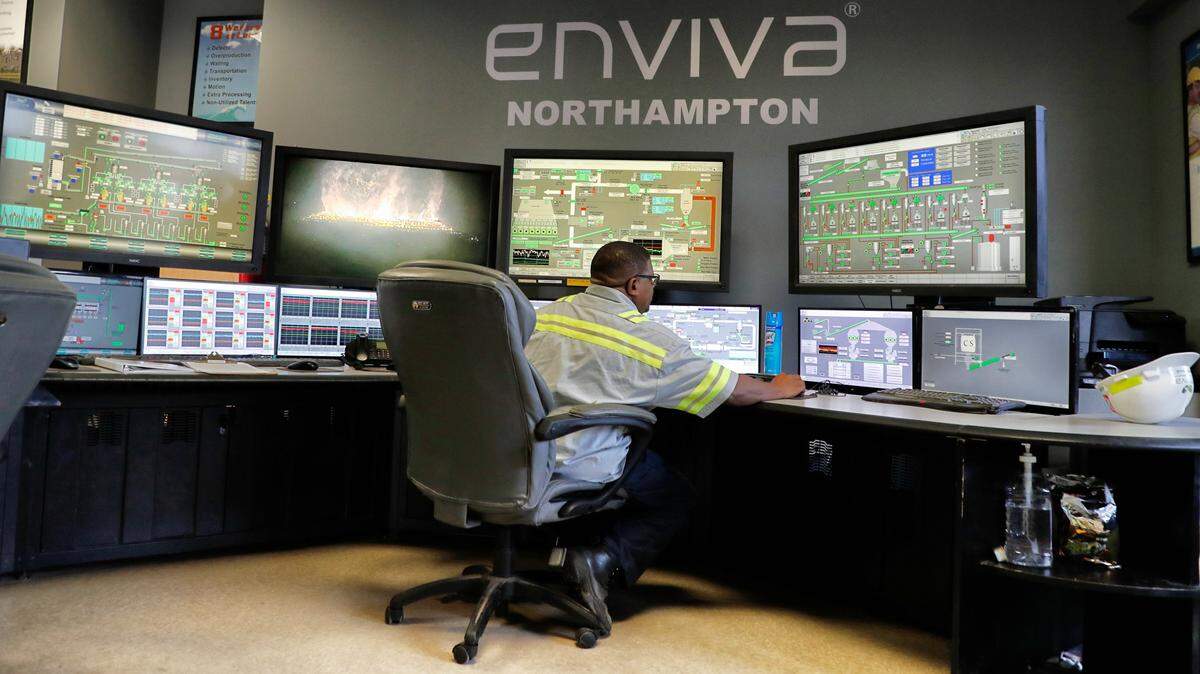
That could change. With DEQ facing a lawsuit from Clean Air Carolina and the Southern Environmental Law Center alleging violations of the Clean Air Act, Enviva — which was seeking permits to expand production capacity — agreed earlier this year to install high-level pollution-reduction technology at its plants in Richmond, Sampson and Northampton counties.
The pollution controls are expected to reduce by at least 95% hazardous air pollutants with cancer risks such as methanol, acrolein and formaldehyde as well as emissions of smog-producing volatile organic compounds. In the process, annual hazardous emissions will be reduced from hundreds of tons annually to dozens of tons.
DEQ Secretary Michael Regan said that under Gov. Roy Cooper, the state has raised its regulatory expectations when it comes to air quality, and Enviva complied.
“In looking at the permitting of these facilities since I’ve been in this position (January 2017),” Regan said, “we have ratcheted down on regulations and Enviva has gone above and beyond what we could require from a legal or regulatory standpoint to ensure that we don’t have any exacerbations of those emissions.”
When asked why Enviva did not install existing pollution control technology years earlier, Royal Smith, Enviva’s vice president for operations, said the controls weren’t required for the permits the company was seeking at the time.
“It’s just that we’ve learned as we’ve gone through this learning curve of pioneering this industry that we know that as we scale the business,” Smith said, “we’re going to need to put controls in place.”
This story was originally published January 3, 2020 at 10:15 AM with the headline "Enviva facilities have generated hundreds of tons of air pollution a year, critics say."