
Battleground districts near Charlotte and Raleigh could decide abortion’s future in NC
Across North Carolina, Democratic candidates want one message to ring louder than maybe any other: “Abortion is on the ballot.”
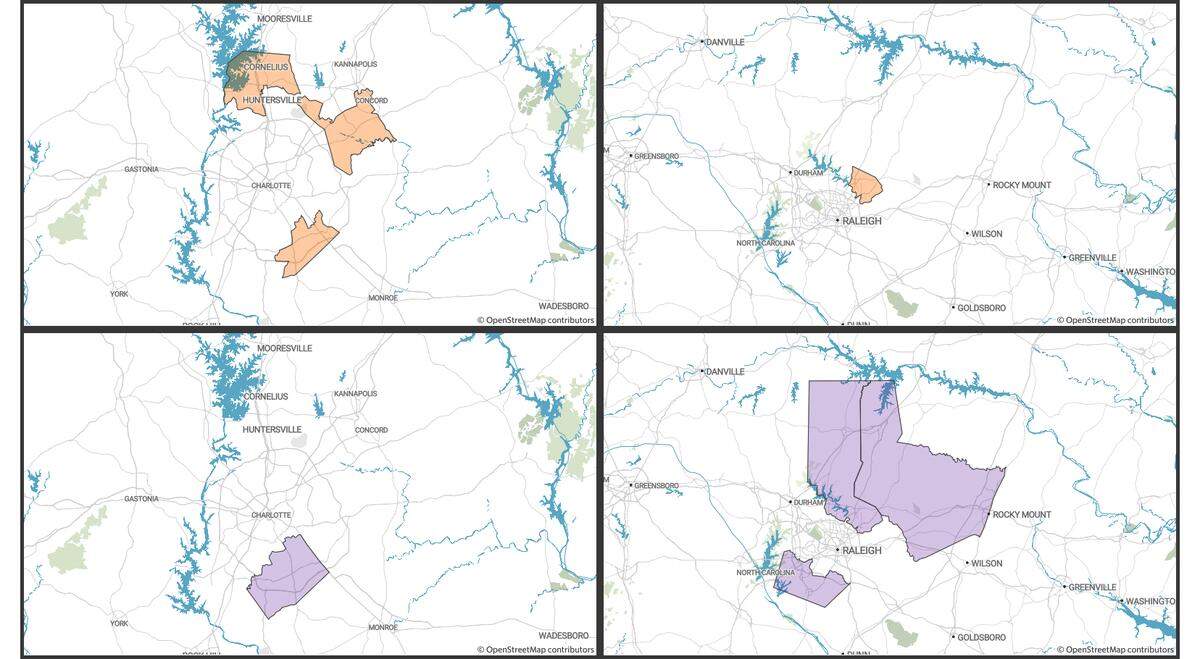
Voters in the battleground districts near Charlotte and Raleigh and their suburbs could play a decisive role in determining which party gains seats in the state legislature during the November election — and possibly in writing the future of abortion rights in North Carolina.
The Charlotte Observer and The News & Observer identified at least eight N.C. House and Senate districts around the state’s two largest cities likely to be competitive, based on state data on past races. Some have incumbents running, and others don’t.
After the U.S. Supreme Court overturned Roe v. Wade and gave state legislatures control over whether people can legally seek abortions, the races have taken on renewed importance for some candidates and voters.
Democrats hold enough seats in the General Assembly to uphold Gov. Roy Cooper’s vetoes of any anti-abortion legislation — but their grasp is tenuous: three seats in the state House and two in the state Senate.
If Republicans gain those seats and secure a three-fifths majority in both chambers, they’d secure a “supermajority” that allows them to override the governor’s vetoes.
“They’d be able to do whatever they want,” said Ashton Pollock, a boutique owner in Concord who lives in state House District 73, one of four battleground districts near Charlotte identified by the Observer.
Pollock said she moved to Concord about six months ago to open her business. Pollock identifies as conservative and a “huge Trump fan,” but because of the Supreme Court’s abortion ruling, she plans to vote Democrat in the November general election for her state House seat.
Though Pollock said she’s “historically pro-life,” she worries Republicans might go further than she wants by banning abortion in all cases and restricting some types of contraceptives like IUDs. Pollock added she is wary of government interference in people’s personal lives and too many restrictions on reproductive health care would contradict her conservative values.
When the government starts interfering with a person’s medical decisions, “it just gets problematic all the way around,” she said.
“I feel like a lot of people are in that middle ground,” Pollock said, “and (abortion) is going to be a deciding factor.”
In some of the most competitive districts, Democrats hope Pollock’s right.
“This is perhaps, maybe, the most important election we’ve ever had,” said Jane Whitley, chair of the Mecklenburg County Democratic Party.
Chris Cooper, a political scientist at Western Carolina University, isn’t optimistic about the Democrats’ chances.
“I think the odds of the Republicans getting a supermajority are greater than the odds of the Democrats getting a majority,” Cooper said. “I don’t think it’s the most likely outcome — I think the most likely outcome is some version of a Republican majority in both houses. But it’s certainly not outside of the realm of possibility.”
Charlotte, Raleigh districts loom large
The Observer identified three state House and one state Senate district near Charlotte as competitive. Around Raleigh, The News & Observer also identified four: three in the state Senate and one in the state House.
The districts include voters in Concord, much of Huntersville, Cornelius, Davidson, Matthews, southwest and north Wake County and Granville, Franklin, Vance and Nash counties.
Whether abortion pulls a significant number of votes for Democrats is unclear. A review of recent polling by FiveThirtyEight shows slight gains for Democrats after the Supreme Court’s ruling, but the news outlet added that it’s still too early to know with any semblance of certainty whether the gains are lasting.
And while abortion could give Democrats a boost, there are other factors working against them: economic issues such as inflation and the fact that the president’s party typically suffers during midterm elections, said Michael Bitzer, a political science professor at Catawba College.
Bitzer’s model in determining the partisan lean of North Carolina’s legislative districts uses a composite of the “big three” 2020 elections — president, U.S. Senate and governor. He identified 22 competitive districts in the state House and 10 in the state Senate. Of the state House, 15 lean Democratic and seven lean Republican. In the Senate, six lean Democratic and four lean Republican.
Across those districts, candidates’ willingness to speak on abortion varies.
Candidates speak out
On Monday night, at a small bar in Youngsville, a 2,000 person town north of Wake Forest, Mark Speed, Democratic candidate for Senate District 11, stood over a picnic table talking politics with locals. Several of them knew Speed, who grew up in the area and whose father served in the state legislature.
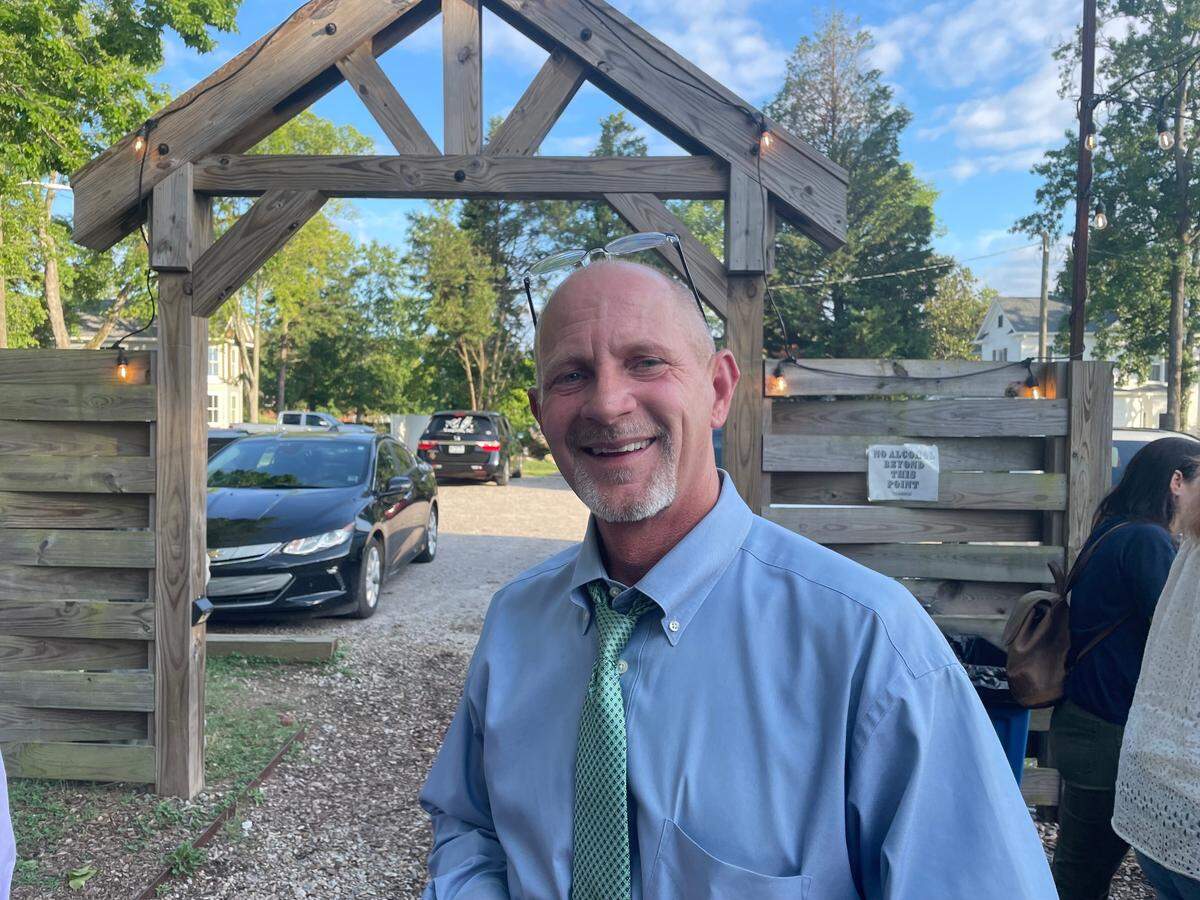
Speed describes himself as a centrist: a gun owner who supports some restrictions on firearms; a supporter of expanding Medicaid, which is an idea now supported by top N.C. Republicans; and an advocate for public schools. On abortion, though, Speed hasn’t taken as clear of a stance as many others in his party.
Speed said he doesn’t see a need for new abortion restrictions in the state.
“I live in a very purple district and and I am a purple candidate,” he said. “I have to kind of address that whenever it’s presented. As far as a bill, I would have to look at that and see if that would be something that most could live with.”
Abortion is still legal in North Carolina, though top Republicans are attempting to enforce a 20-week abortion ban that was thrown out by a federal court in 2019. Senate leader Phil Berger and House Speaker Tim Moore, both Republicans, have called on Democratic state Attorney General Josh Stein to ask the court to lift its injunction given the reversal of Roe v. Wade, but Stein has so far declined to do so.
None of the Republican candidates around Charlotte responded to requests for an interview for this story. Neither did the Mecklenburg County Republican Party.
Near Raleigh, Senate District 17 pits a pro-abortion rights incumbent, Sen. Sydney Batch, against an anti-abortion rights challenger, Mark Cavaliero. Batch, a Democrat, has been outspoken about her disagreement with the Supreme Court’s decision.
“Many of us are angry, devastated and scared about #RoeVsWade being overturned,” Batch wrote in a tweet after the decision. “We can’t change the Supreme Court’s decision. But we can control what happens on Nov 8th.”
Cavaliero said the state should work to reduce abortions while also ensuring that mothers’ lives are protected.
“Certainly you want fewer abortions — an abortion is not a win for anybody,” Cavaliero told the N&O in a phone interview. “To me, an abortion — every one is a tragedy. But you have to have compassion for folks.”
It’s a similar story in Senate District 18, in Granville County and north Wake. Democrat Mary Wills Bode has been outspoken on protecting abortion rights. Her Republican opponent, E.C. Sykes, said enforcing the 20-week ban would be a “good start.”
“But as we get in there, I think we also need to listen to the voice of the people and understand exactly where they think a fair boundary line is,” he said. “Some states have moved a little tighter than that.”
In House District 98 in north Mecklenburg County, Democratic challenger Christy Clark said she saw a boost in fundraising and volunteers following the Supreme Court’s ruling. She’s running against Republican incumbent John Bradford, whom she beat in a state House race in 2018 before losing in 2020.
“We will be bringing everything we’ve got to the field this time,” Clark said. “All our blood, sweat and tears.”
Where are NC’s battleground districts?
HOUSE DISTRICT 35
▪ What communities are in the district: Wake Forest, Rolesville
▪ How it leans politically: In the state composite of 2016 and 2020 election results the district leans 50.13% Democrat and 48.61% Republican.
▪ Who’s running: Rep. Terence Everitt, the Democratic incumbent, is a lawyer who represents small businesses. He’s up against Fred Von Canon, a Republican business owner who ran for the same seat in 2020 but lost by about 3,000 votes.
▪ What else to know: Von Canon described himself as “180 degrees out of phase” with his opponent, specifically on their views on abortion. Von Canon is staunchly anti-abortion while Everitt has voted against restricting abortion.
HOUSE DISTRICT 73
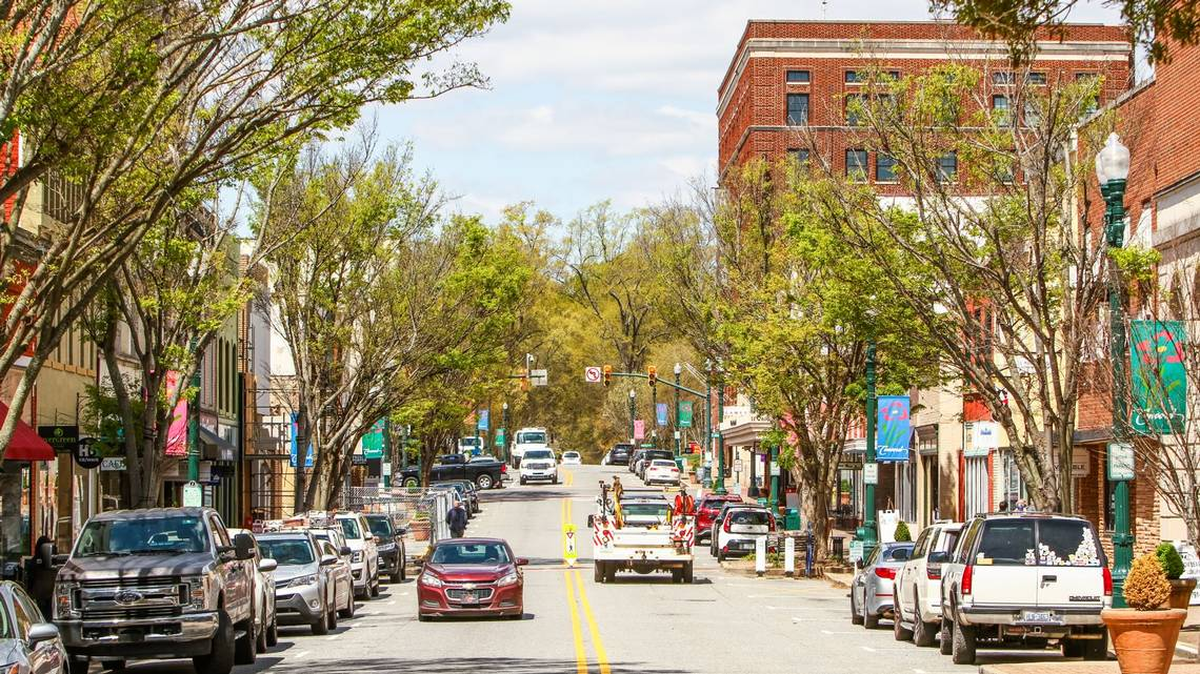
▪ What communities are in the district: Most of Concord; all west Concord; Harrisburg; Rocky River; Pharrs Mill
▪ How it leans politically: In the state composite of 2016 and 2020 election results the district leans 50.44% Democrat and 48.25% Republican.
▪ Who’s running: Diamond Staton-Williams, the Democrat, is a nurse who has twice been elected to the Harrisburg Town Council. Brian Echevarria, the Republican, says on his website that “right to life begins when life begins” and “women have a right to their bodies and the babies have a right to theirs.”
▪ What else to know: Staton-Williams said she’d be the first African American woman elected to represent this area in the state House. Much of House District 73 is currently represented by Larry Pittman, a Republican.
HOUSE DISTRICT 98
▪ What communities are in the district: Cornelius; Davidson; much of Huntersville; Caldwell; Hicks Crossroad
▪ How it leans politically: In the state composite of 2016 and 2020 elections results the district leans 47.48% Democrat and 51.27% Republican.
▪ Who’s running: Rep. John Bradford is the Republican incumbent. He faces Christy Clark, who ran against Bradford in 2018 and won, but lost to him in 2020.
▪ What else to know: Bitzer called this district “one of the most coin-toss districts in the state.”
HOUSE DISTRICT 103
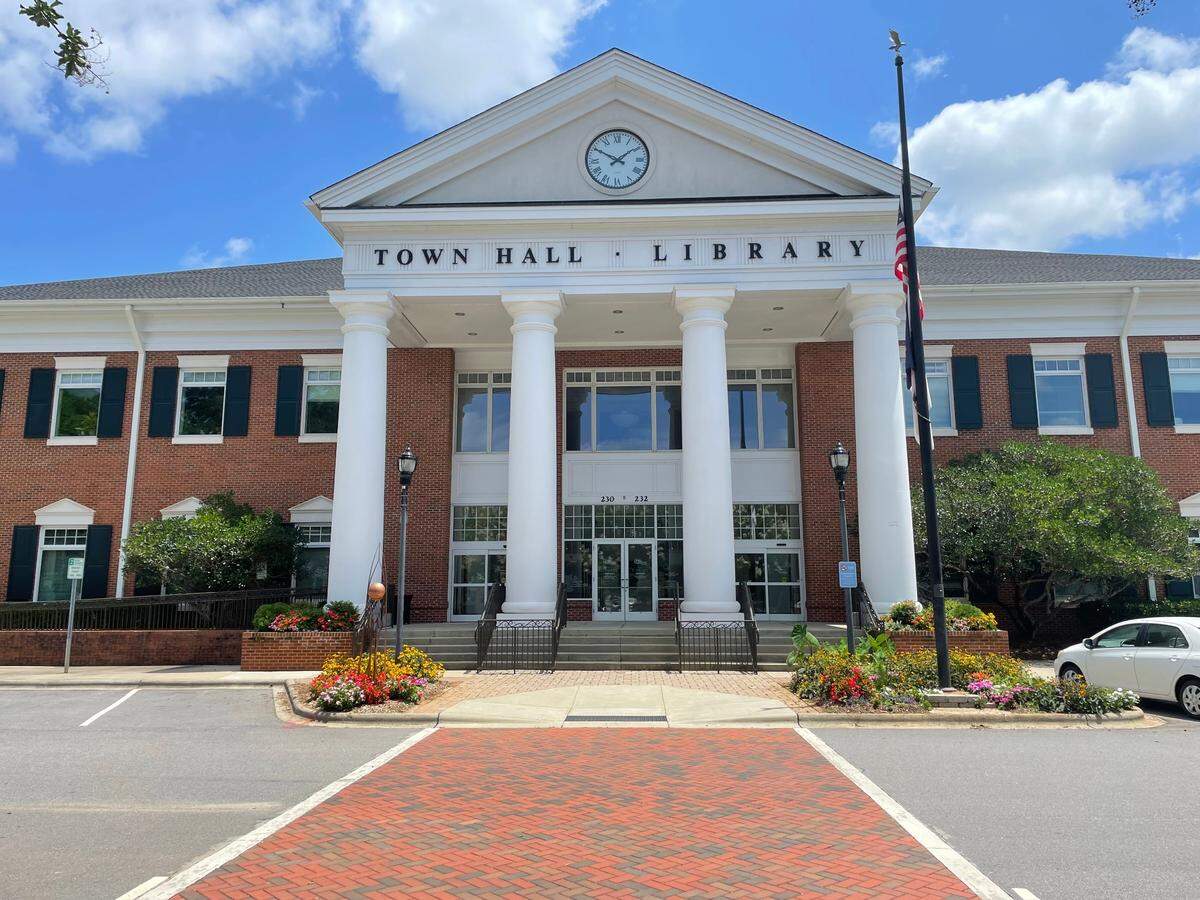
▪ What communities are in the district: Matthews; Providence
▪ How it leans politically: In the state composite of 2016 and 2020 elections results the district leans 49.96% Democrat and 48.84% Republican.
▪ Who’s running: Laura Budd, the Democrat, is an attorney, member of the Board of Directors for the Mecklenburg County Bar Association and a member of the Matthews Chamber of Commerce. Bill Brawley, the Republican, is a veteran who has campaigned on supporting pay raises for teachers, tackling human trafficking and fiscal responsibility in Raleigh. He served in the state House from 2011 to 2019.
▪ What else to know: In 2018, Rep. Rachel Hunt, who is now running for state Senate, beat Brawley by just 68 votes. She beat him in 2020 by 4,810 votes.
SENATE DISTRICT 11
▪ What communities are in the district: Franklin, Vance, Nash County. The area was recently redistricted and used to include Johnston County.
▪ How it leans politically: In the state composite of 2016 and 2020 election results the district leans 50.57% Democrat and 48.57% Republican.
▪ Who’s running: Sen. Lisa Barnes is the Republican incumbent. Barnes was elected to the Senate in 2020 after serving one term in the House. Her opponent, Mark Speed, is a Democrat who has served on the Franklin County Board of Commissioners since 2017.
▪ What else to know: Barnes is endorsed by the National Rifle Association and has received an “A” rating from the group. Speed’s father, James Speed, served in the state legislature for over 30 years.
SENATE DISTRICT 17
▪ What communities are in the district: southwest Wake, which includes Holly Springs and Fuquay-Varina
▪ How it leans politically: In the state composite of 2016 and 2020 election results the district leans 49.82% Democrat and 48.80% Republican.
▪ Who’s running: Sydney Batch is the Democratic incumbent. Batch was appointed to the Senate last year to fill a vacancy and previously served one term in the House. She faces Mark Cavaliero, a Republican Marine Corps veteran who founded a local information technology company. He ran for this seat in 2020 but lost to Democratic incumbent Sam Searcy.
▪ What else to know: Chris Cooper said that abortion could be the make-or-break issue for this district and District 18.
SENATE DISTRICT 18
▪ What communities are in the district: Granville County and North Wake, including Wake Forest
▪ How it leans politically: In the state composite of 2016 and 2020 election results the district leans 50.12% Democrat and 48.73% Republican
▪ Who’s running: E.C. Sykes, a businessman who has served as CEO of several companies, is the Republican candidate. In 2020, Sykes ran for secretary of state and won the primary but was defeated in the general election by Elaine Marshall. Mary Wills Bode is the Democratic candidate. Bode is a lawyer who previously worked as the executive director of North Carolinians for Redistricting Reform, a coalition of nonprofits which advocated for an apolitical, independent redistricting process.
▪ What else to know: The current senator for this district, Sarah Crawford, decided not to run for reelection due to redistricting, so neither candidate is an incumbent.
SENATE DISTRICT 42
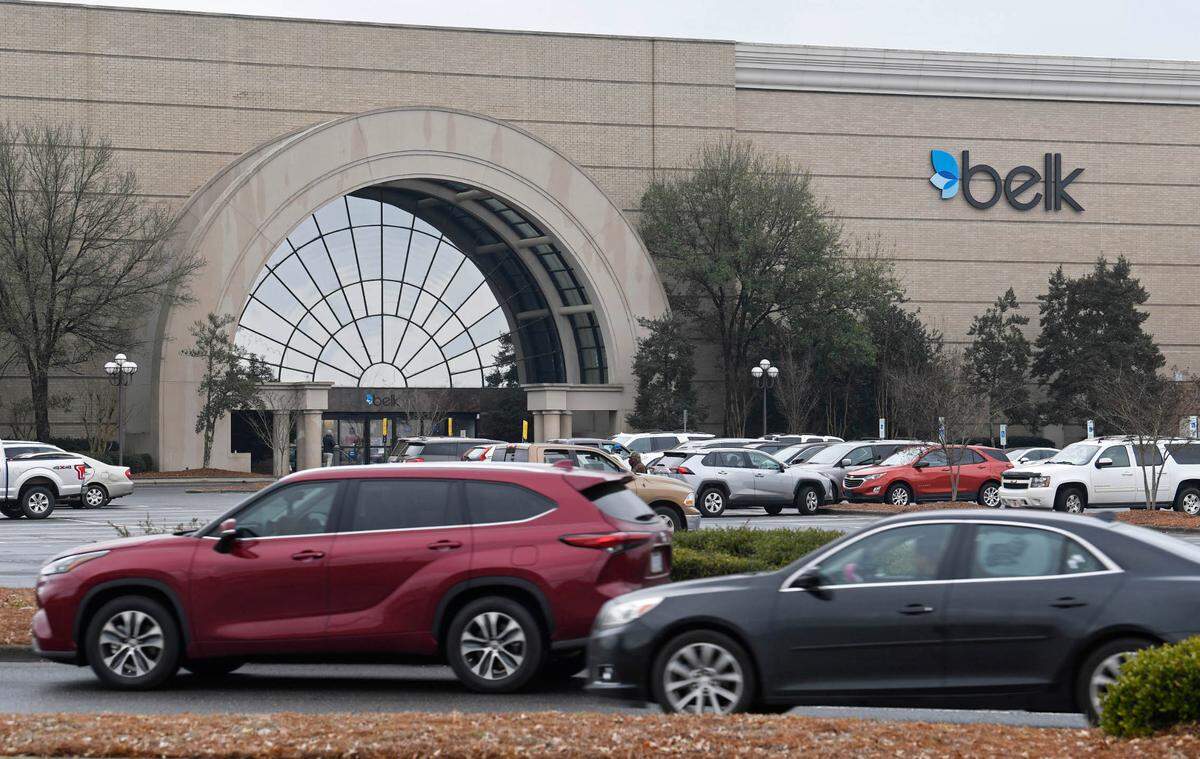
▪ What communities are in the district: Matthews; Providence; the area just east of Pineville, including Carolina Place Mall
▪ How it leans politically: In the state composite of 2016 and 2020 election results the district leans 53.28% Democrat and 45.48% Republican.
▪ Who’s running: Rep. Rachel Hunt, the Democrat, is leaving the House to make her bid for Senate. Hunt framed the stakes of the race in an Observer interview: “We have to get people to come and vote like their lives depend on it, because they do.” Cheryl Russo, the Republican and a cardiologist, has been named “Top Doctor” by Charlotte Woman Magazine for her commitment to patient care “because she’s always thought of the patient as ‘the most important person in the world to somebody,’” according to her website. “She’ll take the same approach in Raleigh,” her website reads.
▪ What else to know: Of the four Charlotte-area battleground districts highlighted in this story, Bitzer said Senate District 42 would be the most difficult for Republicans to win. Still, he said economic factors, dissatisfaction with President Joe Biden and the historical precedent for difficulty during midterm elections for the president’s party gives Republicans a fighting chance.
This story was originally published July 15, 2022 at 6:00 AM with the headline "Battleground districts near Charlotte and Raleigh could decide abortion’s future in NC."
.jpg)