Months-long Medicaid funding impasse ends as Gov. Josh Stein signs $319M deal
AI-generated summary reviewed by our newsroom.
- Gov. Josh Stein signed a $319 million Medicaid bill two days after legislative approval.
- The bill requires some Medicaid recipients to work starting Jan. 1, 2027.
- It cuts coverage for lawfully residing children and pregnant individuals, officials say.
The months-long impasse over Medicaid funding came to an end on Thursday.
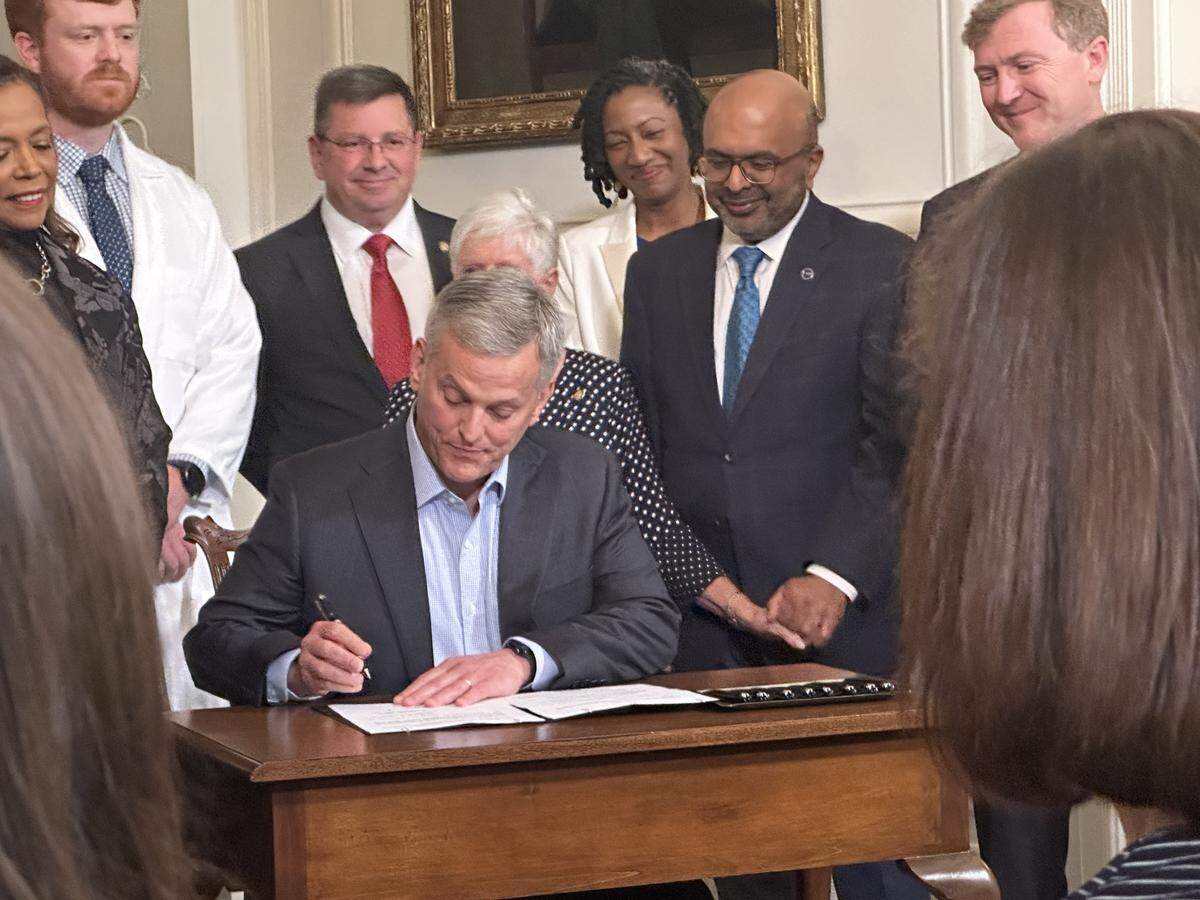
Democratic Gov. Josh Stein moved quickly, signing the bill into law just two days after it received final bipartisan approval from the GOP-led House and Senate.
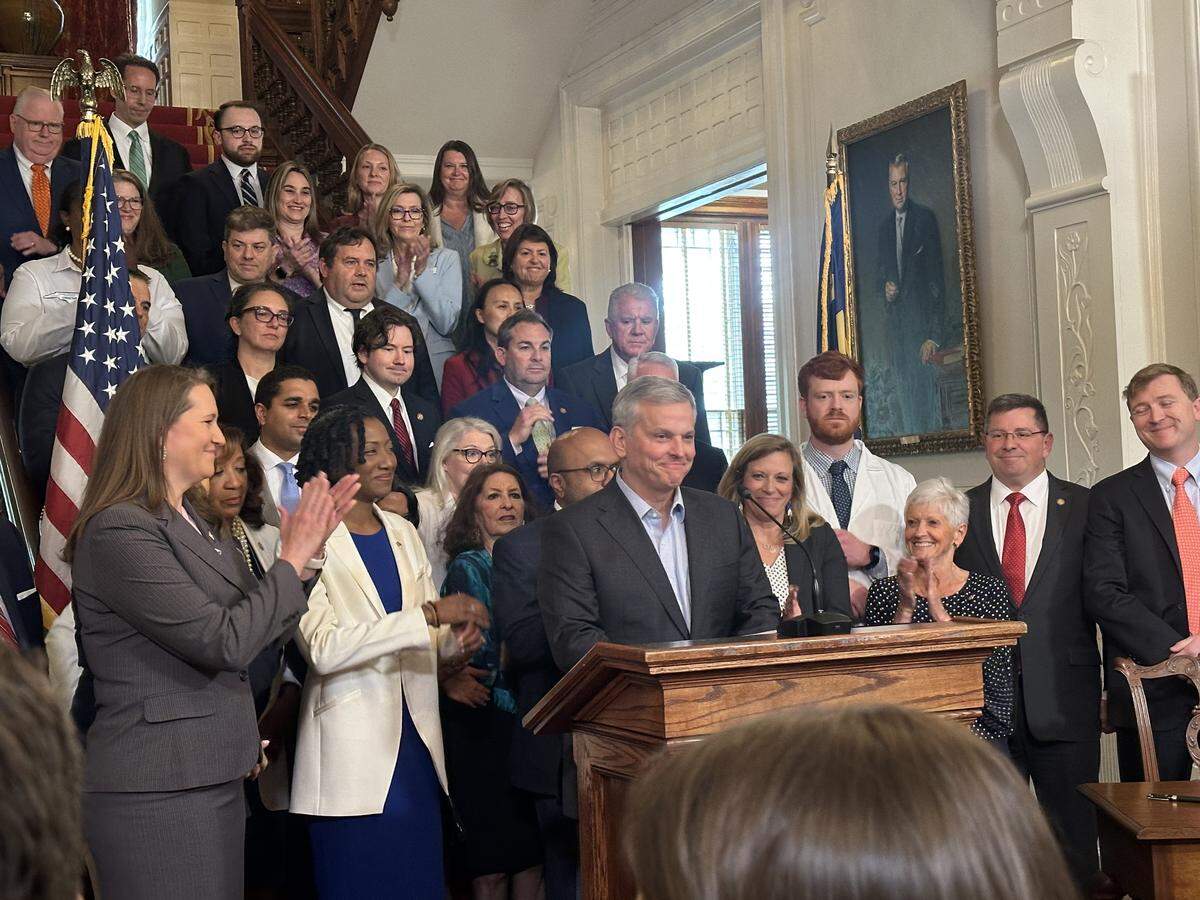
“We are reinforcing the state’s health care system by fully funding Medicaid. When it really matters, state leaders of both parties can come together and do the work of the people,” Stein said during a bill signing event at the governor’s mansion attended by health care leaders, including those from the state’s Department of Health and Human Services, the association representing hospitals, and lawmakers from both parties.
“For months, the status of Medicaid in North Carolina has been in unnecessary Jeopardy,” Stein said, but the Medicaid deal “will provide certainty and care that the people and the providers of this state need and deserve. The bill also protects the state’s Medicaid expansion population, more than 725,000 of our neighbors.”
Passage of the bill into law marked a significant breakthrough after Republican lawmakers in both chambers were unable to reach an agreement among themselves last year and also failed to strike a deal with the Stein administration on additional Medicaid funding to cover a projected shortfall. The Stein administration enacted cuts to provider rates in October, citing the shortfall that was eventually reversed following provider and patient lawsuits. Lawmakers had already provided about $600 million, but the state’s health and human services department said more was needed to keep the program financially stable through June.
At stake was ensuring Medicaid — which provides health coverage for 3 million North Carolinians — remained fully funded through the end of the fiscal year in June, so providers could be paid and continue delivering care to Medicaid patients.
The bill cleared both chambers with near-unanimous support, though some Democratic lawmakers raised concerns about certain provisions, primarily those related to immigration.
Rising costs
Spanning 33 pages, the legislation does several things: It aligns the state with Medicaid rules passed by Congress to enact President Donald Trump’s agenda. That includes rules requiring some Medicaid recipients to work or participate in community service beginning Jan. 1, 2027.
The bill also includes provisions to tighten oversight of the program, curb spending and limit access to the insurance program for immigrants.
On oversight, Stein said DHHS and the state’s Department of Justice “have a very strong track record here, but we can always look for ways to do even more, and we are.”
On rising costs, Stein said they needed to be “clear eyed” and “commit to longer term actions to constrain them.”
Noting that the next fiscal year begins in July, Stein said lawmakers should appropriate recurring funding for Medicaid so that “we can avoid this painful process every year.”
Sen. Benton Sawrey, a Clayton Republican who chairs health care committees, spoke after Stein and said the state is looking at a $1 billion Medicaid rebase next fiscal year — the same type of funding adjustment at issue this year. A rebase is an update to funding levels to reflect actual program costs.
“The cost of Medicaid in North Carolina has increased over 90% over the past five years. The billion dollars, that’s money that we could send back the taxpayers in income tax relief, that’s money for state employee raises. That’s investments in our colleges and our community colleges. That’s investments in our state buildings and infrastructure, roads across the state,” Sawrey said.
He said while the legislation provides “important tools” to manage rising costs and he’s “proud of the work that we did to get this across the finish line,” he doesn’t “have any illusion at all that this is the current solution that’s going to fix everything going forward. We’ve got more work to do. We’re going to do it with DHHS, with our partners at the General Assembly, with our partners at the provider community.”
What’s in the deal on immigration
One immigration provision in the law would require, beginning in October, that any Medicaid applicant or recipient whose citizenship or “satisfactory” immigration status cannot be verified be referred to the federal government.
Another provision would cut Medicaid coverage for thousands of lawfully residing immigrant children and pregnant individuals, according to DHHS. North Carolina Medicaid is currently covering about 27,000 of those lawfully residing individuals, including 26,193 children and 505 pregnant women, a DHHS spokesperson said.
Stein noted the immigration piece of the legislation, saying that “based on conversations we’ve had, I believe that it is the General Assembly’s intention to fix this.” He also said the bill has “red tape,” flagging a provision that establishes a three-month work history requirement before Medicaid eligibility, compared with a one-month federal requirement, and another provision he said would impact families already reeling from high health care costs, requiring DHHS to annually establish Medicaid copayments at the maximum allowed by the federal government. In response to a question from The News & Observer, he told reporters conversations are also occurring about these other topics with lawmakers, and “we’ll see if there is appetite.”
Concerns were also brought up by a coalition of about 50 organizations, including the ACLU of North Carolina, Action NC, the North Carolina Justice Center, El Pueblo, and MomsRising. This coalition sent a letter to lawmakers this week opposing several provisions in the bill and calling on lawmakers to pass a “future cleanup bill.”
“The administrative burdens from many of these changes will especially impact North Carolinians with disabilities and those in rural areas who may experience greater difficulty obtaining and returning required paperwork, causing eligible individuals to lose needed health coverage,” the letter states.
Beyond Medicaid funding and policy, lawmakers also provided funding to address shortfalls in the Department of Adult Correction, the State Bureau of Investigation, and the Division of Motor Vehicles, and funding to extend a scholarship for children of veterans.
DAC Secretary Leslie Cooley Dismukes told lawmakers in January that the state’s correctional staffing situation was dire and more funding was needed. On Thursday, she told reporters that DAC had a shortfall of almost $100 million this year and that part of the money provided by lawmakers ($80 million) would go towards medical care for those in custody. For next year, “it is absolutely critical that we take a look at what our base budget should be to account for the rising medical costs, but also all of the rising costs for our agency, so that we can not be in this position next year,” she said.
Lawmakers were supposed to pass a new budget by last June. Instead, they’ve passed limited spending bills to fill some gaps as the state continues to run at the funding levels laid out in the budget passed in 2023.
As for the reason for the long Medicaid impasse?
Lawmakers in the Senate and House disagreed on policy provisions to include in the bill. For example, the Senate sought to include funding for a children’s hospital being developed by Duke and UNC Health, a proposal previously agreed upon with former House Speaker Tim Moore. Senate leader Phil Berger has said that negotiations on that will continue with budget talks.
Lawmakers also initially disagreed with Stein and his administration’s $319 million estimate, instead pointing to lower figures from the General Assembly’s Fiscal Research Division. They further pushed back after Stein’s administration implemented cuts to provider reimbursement rates in response to the shortfall. Those cuts were later reversed following lawsuits filed by providers and health care recipients.
This story was originally published April 30, 2026 at 11:31 AM with the headline "Months-long Medicaid funding impasse ends as Gov. Josh Stein signs $319M deal."