Agreement reached on pay, NC Speaker says. Here’s why raises still won’t come soon.
Raises for tens of thousands of state employees and teachers continue to be delayed as summer drags on and budget negotiations in the North Carolina General Assembly simmer at an impasse. And Medicaid expansion is on hold, too.
This week has been another one of no votes in the House and Senate, which each have Republican supermajorities. House Speaker Tim Moore and Senate leader Phil Berger each presided over non-voting sessions on Thursday.
Moore said during the brief House session that veto overrides would be put on the House calendar for Aug. 7, with the budget likely to soon follow. That’s more than two weeks before a final budget bill would even be revealed.
He told reporters after the brief session that they “have agreed on raises for teachers and state employees. And so we haven’t released what that is, but we’re very pleased with that number.”
The raises will likely be between what each chamber has already pitched. For the Senate, that’s 5% raises over two years for most state employees, with 4.5% over two years for teachers, though that percentage varies by teacher. The House wanted 10.2% average raises for teachers, with 7.5% for state employees and higher for some employees in harder-to-fill positions.
That upcoming legislative session week of Aug. 7 is likely to be a busy one if lawmakers wrap up the long session.
”I suspect that just like you get, into in the final weeks of session, that there’ll be a lot of other bills that have been parked in both chambers that start moving very rapidly,” Moore said.
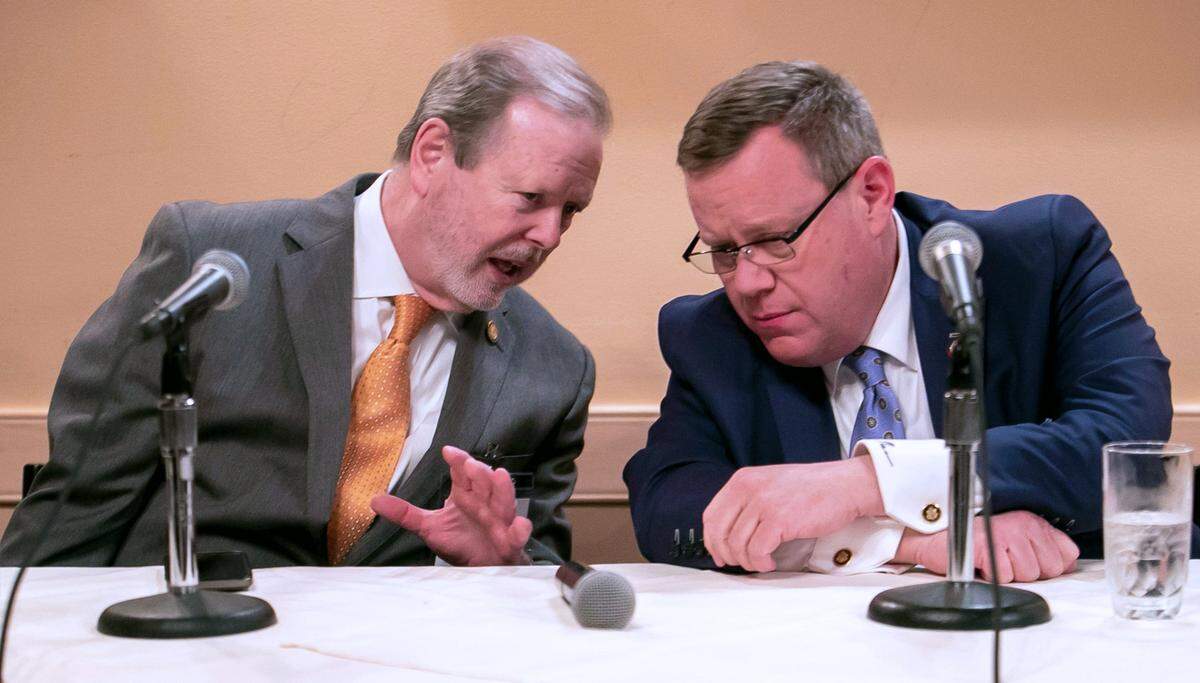
The budget deal is still hung up on two major factors, according to Berger: how much money to put in reserves, and “certain tax aspects.”
“There’s movement. There’s no resolution,” he said. Berger said they are not yet at the point of passing a series of smaller budget bills, like the General Assembly passed in 2019, when no comprehensive budget became law.
Berger said “compensation issues” would be characterized as a “must do,” but that it has not come to that yet.
What’s holding up the budget
Other items at play in the budget could include legalizing more casinos in the state, which has been floated by some senators.
Moore explained the budget delay as being because they “have some really hard negotiation that’s happening between the two chambers. And there’s some strong difference of opinion on tax policy on on some other matters. ... And so we’re doing our due diligence and asking questions, digging in finding out more information. I would much rather us get it right, instead of getting it done quick.”
Another policy change that Republican senators want is to legalize medical marijuana, a longtime priority for powerful Senate Rules Chair Bill Rabon, who used it during his cancer battle years ago.
But the House doesn’t have the votes to pass medical marijuana legislation this session. Asked if the issue could be put into the budget bill, Berger told reporters that had not been discussed. Nor, he said, had the idea of putting a bill dealing with boards and commissions appointments into the budget.
That bill would take away some more power from the governor, and is now in the conference process, meaning leaders in both chambers will work out what the final bill will be before another vote.
Aside from the bogged-down budget negotiations, the continuing summer break is due to lawmakers’ vacations and next week’s American Legislative Exchange Council conference that some Republicans attend. Democratic Gov. Roy Cooper’s vetoes cannot be overridden unless every Republican is present.
“We are prepared to come in and take votes when there are substantive things, and enough for us to call everybody back,” Berger said. Those are veto overrides and a budget deal, he said.
Cooper said Thursday that Republicans have no one to blame but themselves for the budget impasse. In previous years, budget delays were about negotiations between the governor and Republicans when they did not have a supermajority.
Cooper noted that the lack of Medicaid expansion, which became law this spring but was tied to passage of a budget for its start, is costing people health care coverage.
“Republican leaders have two supermajorities and no one to blame for this impasse but themselves. When they are here, they care more about divisive national politics than helping working people,” Cooper said in an emailed statement.
“They should return from vacation, get to work, turn the switch to start Medicaid expansion and pass an education budget that helps middle class families and stops tax cuts for the wealthy and corporations,” Cooper said.
This story was originally published July 20, 2023 at 12:40 PM with the headline "Agreement reached on pay, NC Speaker says. Here’s why raises still won’t come soon.."
.jpg)