
Where’s the money? When NC’s state employees, teachers could see raises in their paychecks
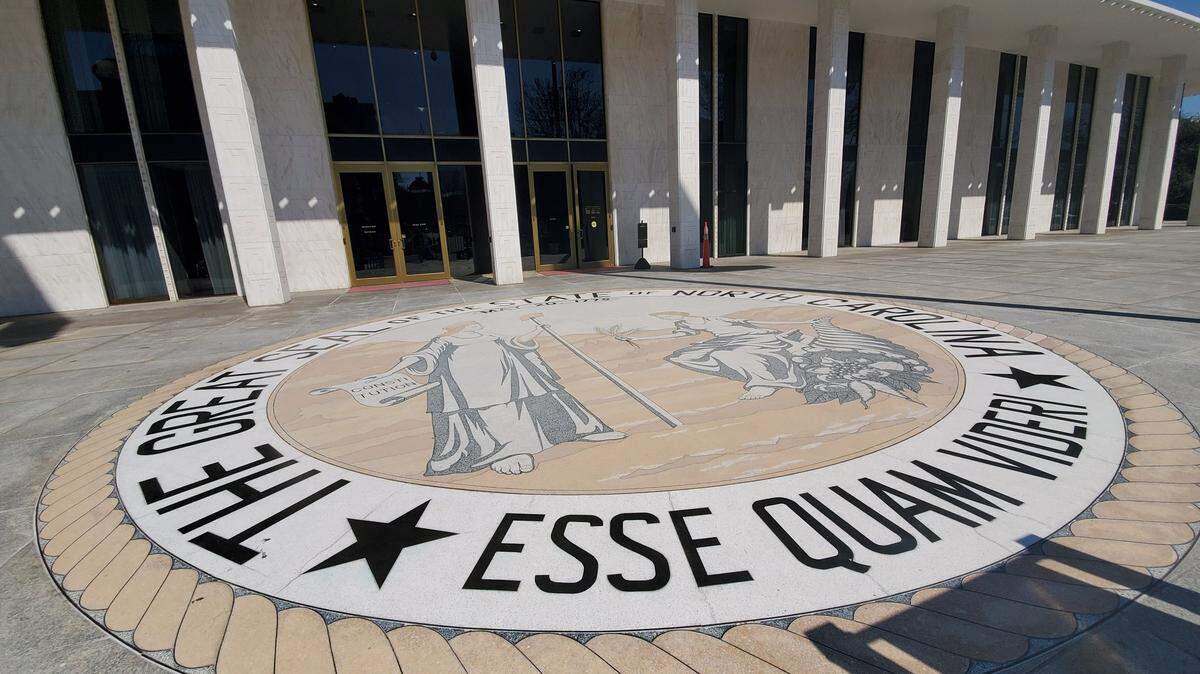
Happy new fiscal year, but the time to celebrate has not yet arrived for tens of thousands of state employees.
The state fiscal year started on July 1, which is when raises would start showing up in government employee paychecks.
In theory, anyway.
The only way for raises to arrive during these sweltering summer months is if the North Carolina General Assembly passes the budget, and it becomes law. But that hasn’t happened yet. Top Republicans said on July 12 that could be mid-August.
What kind of raises state employees and teachers get this year is an especially acute issue given nearly a quarter of positions are vacant.
Here’s what state employees and teachers need to know about where things stand in the budget process and when they’ll get their money. In the meantime, if you’re paid by the state, you’re still getting your usual paycheck as we all wait on the budget.
The General Assembly reconvened this week after taking a break for the Fourth of July.
How much will state employee, teacher raises be?
The Senate and House are still negotiating a budget deal. Raises are a priority of Republicans serving on appropriations committees, but negotiations on the two-year spending plan are still bogged down over taxes and other issues.
The final amount of raises will be somewhere between what each chamber has already pitched. For the Senate, that’s 5% raises over two years for most state employees, with 4.5% over two years for teachers, though that percentage varies by teacher.
The House budget proposed 10.2% average raises for teachers, with 7.5% for state employees. Some employees in harder-to-fill positions would get higher raises — including school bus drivers, who would get 9.5% raises over two years, or state Highway Patrol officers, who would get 11%. Because raises are over two years, employees would get about half of that each year.
Why are raises so important now?
“I think raises are important every year, because this is how our state employees and teachers feed their families,” Sen. Todd Johnson, a Union County Republican, told The News & Observer in June. “And so we get into this push-pull with ... we would love to give as much as we possibly can, without getting back into situations (like in the past) where we’re laying folks off and hiring freezes and all that.”
Economists expecting a “slow-cession” on the horizon means Republican budget leaders are wary of future recurring spending.
But they still need to solve the problem of the growing vacancy rate. There are tens of thousands of state workers and 10 million North Carolinians that benefit from their work, including vital services like elevator and bridge inspections.
The state employee vacancy rate stands at nearly 25%. That means fewer employees are carrying the same workload, leading to further turnover. It’s a bipartisan problem, so it’s not just Democrats who advocate for higher raises. Republican state agency leaders such as Labor Commissioner Josh Dobson and Agriculture Commissioner Steve Troxler have repeatedly told lawmakers the key to solving the vacancy and turnover rate problem is obvious: pay people more money.
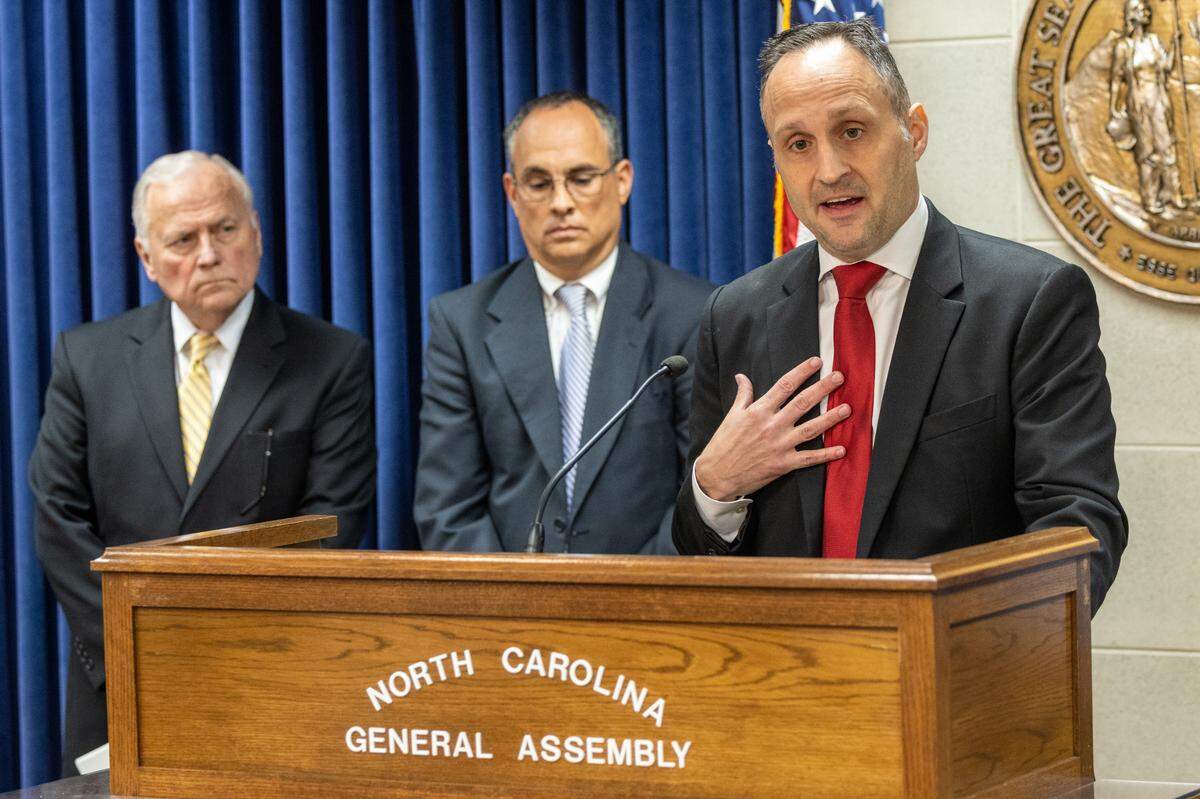
Dobson, a former House member from McDowell County, said in May he hopes the House’s budget proposal of 7.5% raises over two years for state employees is the “starting point.” He supports the 10% raise pitched by the State Employees Association of North Carolina.
“One out of every four state positions being vacant should alarm anyone — if nothing else, because you’re paying for 100% of services, and you’re getting at best 75%,” said Ardis Watkins, executive director of SEANC.
When is the budget coming?
Given that House Speaker Tim Moore and Senate leader Phil Berger have repeatedly said they want to wrap up the legislative session when there’s still summer left, probably later this month.
When the House and Senate send Democratic Gov. Roy Cooper the budget bill, Cooper has 10 days to sign, veto or let it become law without his signature. Given that Medicaid expansion is tied to the budget and Republicans have a supermajority, he is likely to sign it into law. Once that happens, state agencies will work to implement raises. If the General Assembly sends Cooper the budget by the end of July, it could become law in August.
How long until employees see it?
The last time the budget was significantly late, becoming law in November 2021, raises and bonuses were in paychecks in December and January. So, employees can expect a month or two lag time.
When raises showed up, they were also retroactive, meaning that employees received their raise as if the money starting flowing on July 1.
This story was originally published July 10, 2023 at 6:00 AM with the headline "Where’s the money? When NC’s state employees, teachers could see raises in their paychecks."
.jpg)