What we know about NC governor’s call to Nikole Hannah-Jones during UNC tenure fight

READ MORE
The hire and the fury: Nikole Hannah-Jones at UNC
Read all of The News & Observer’s coverage of the University of North Carolina’s decision to hire the Pulitzer Prize-winning New York Times journalist and the controversy that ensued.
Expand All
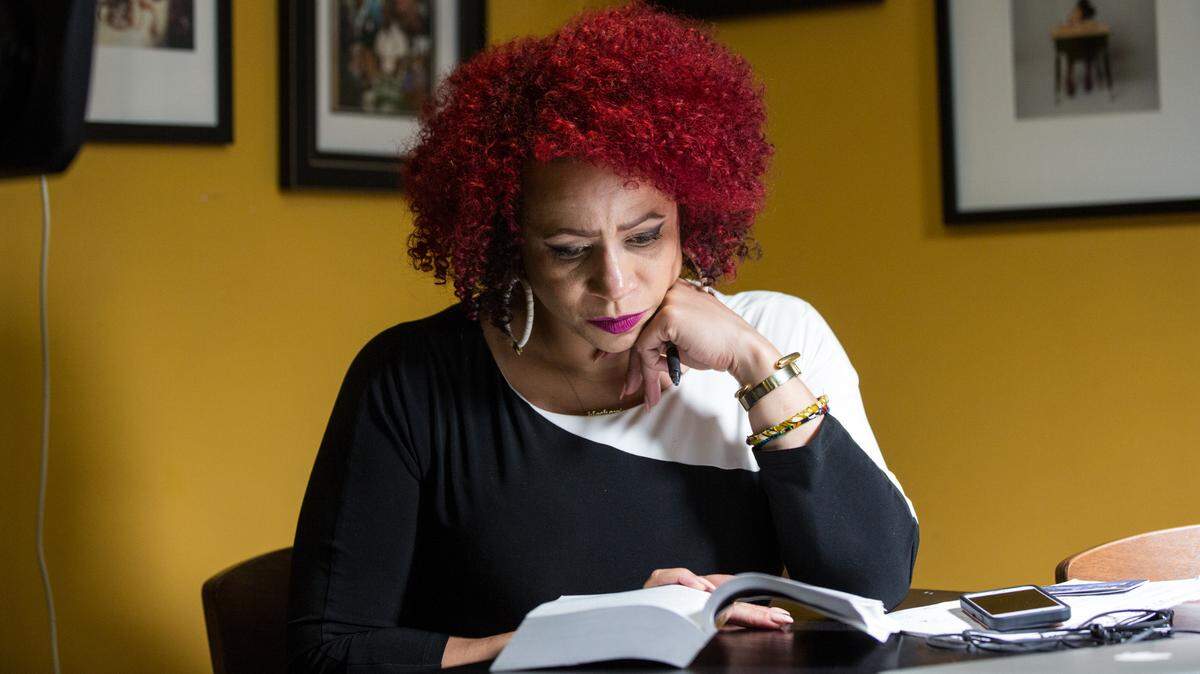
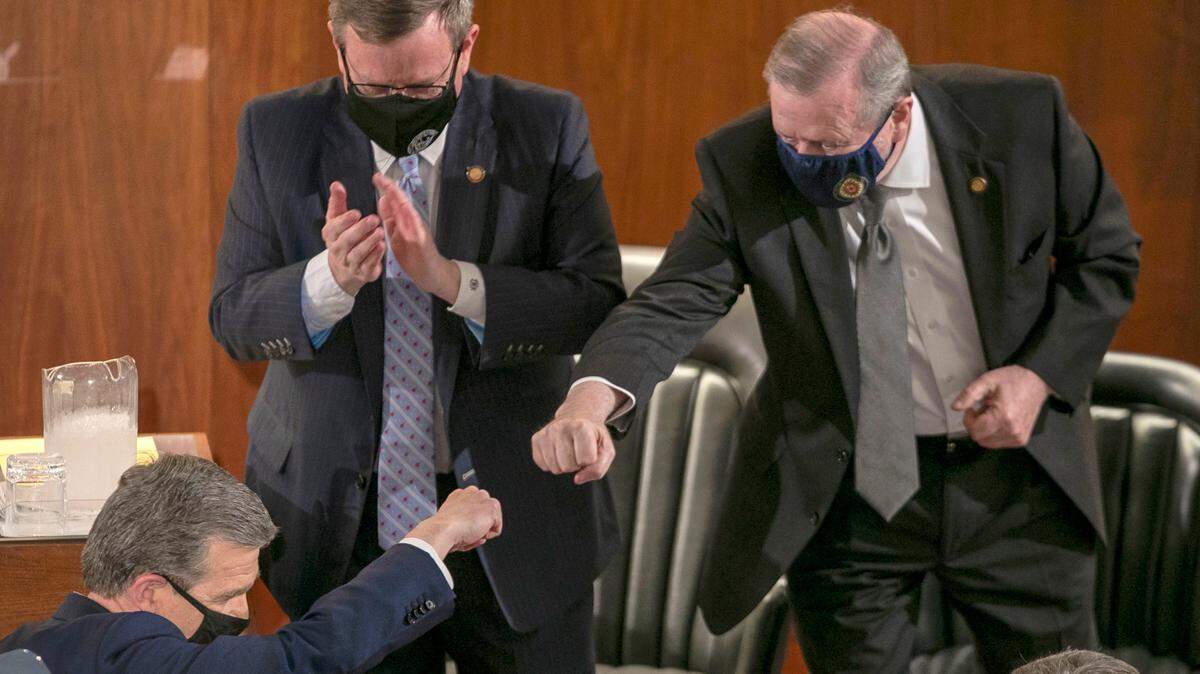
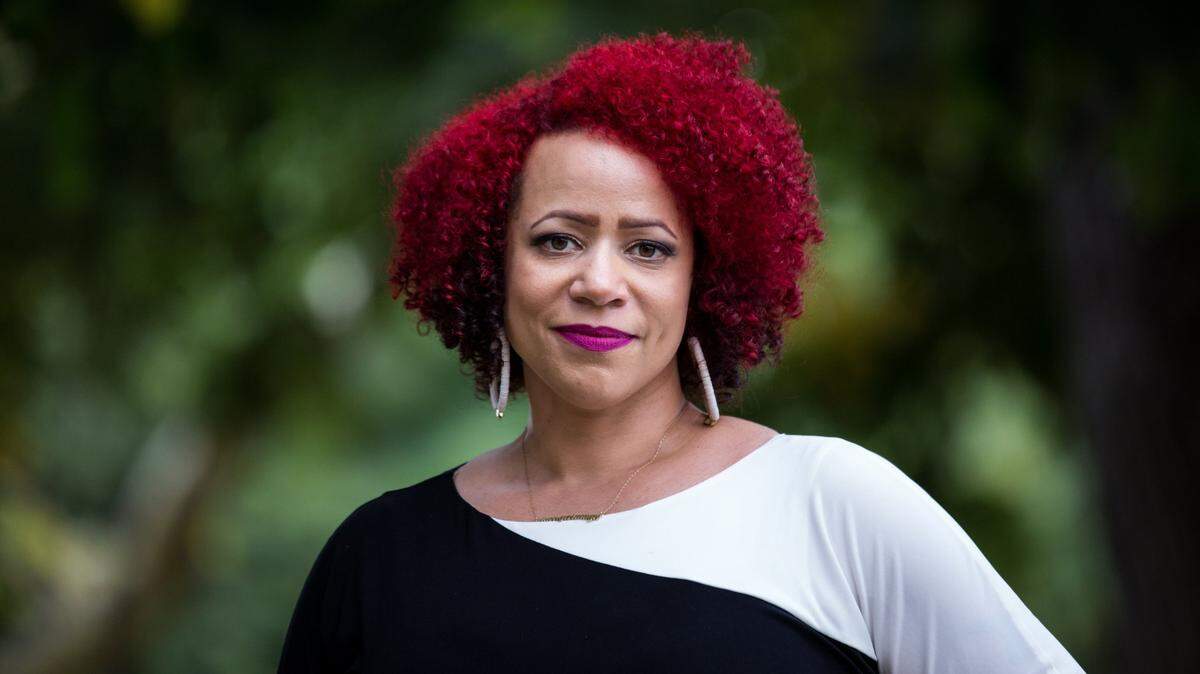
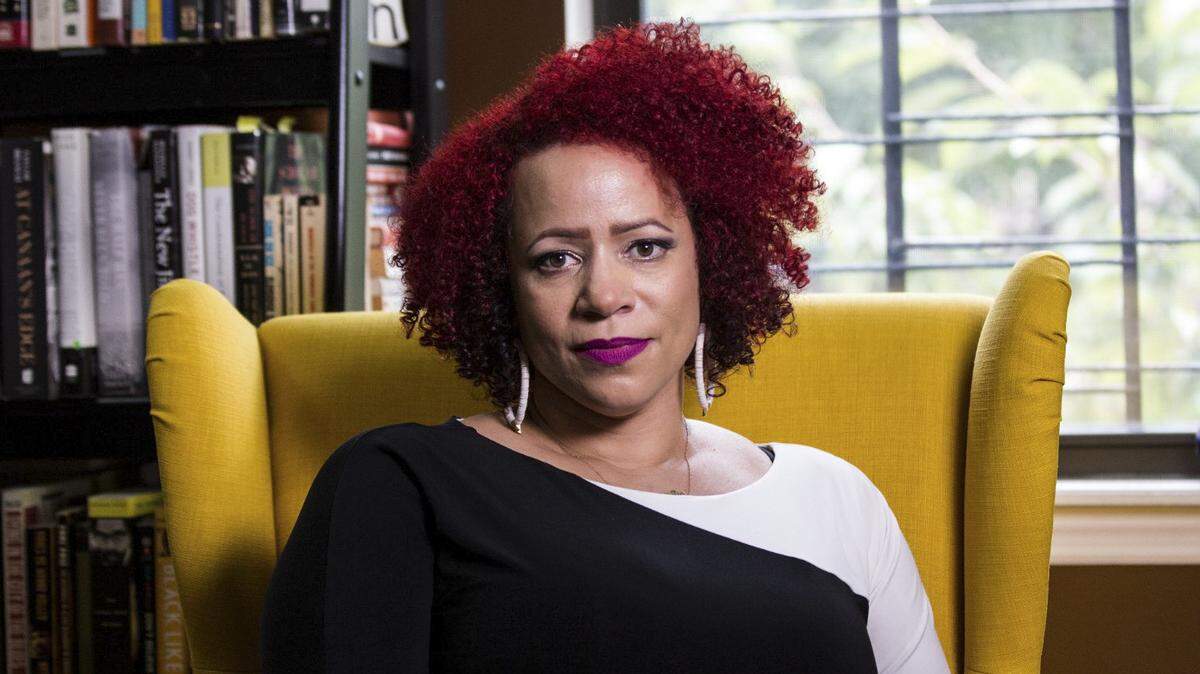
Days before UNC-Chapel Hill’s Board of Trustees voted in late June to grant tenure to award-winning journalist Nikole Hannah-Jones, North Carolina’s governor says he gave Hannah-Jones a call to say he was standing with her.
A UNC graduate himself, Cooper contacted Hannah-Jones in the weeks after news broke that Hannah-Jones would not have tenure at UNC-CH. Instead, the school offered her a five-year, fixed-term contract for a position as Knight Chair for Race and Investigative Journalism at the Hussman School of Journalism and Media, which she originally accepted.
The university’s initial failure to offer tenure to Hannah-Jones, a Black woman who is an UNC alumna, ignited a national controversy about race, politics and discrimination. At the center of it was her Pulitzer Prize-winning work, The 1619 Project, which reframes U.S. history by putting Black Americans and the legacy of slavery at the forefront.
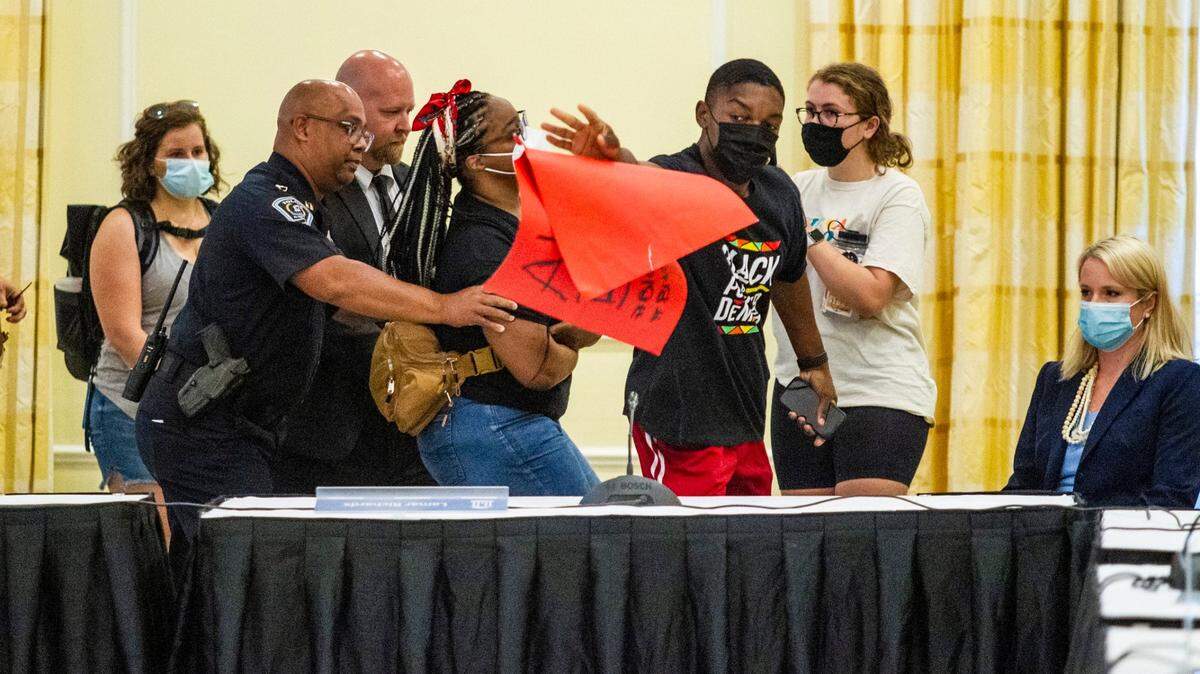
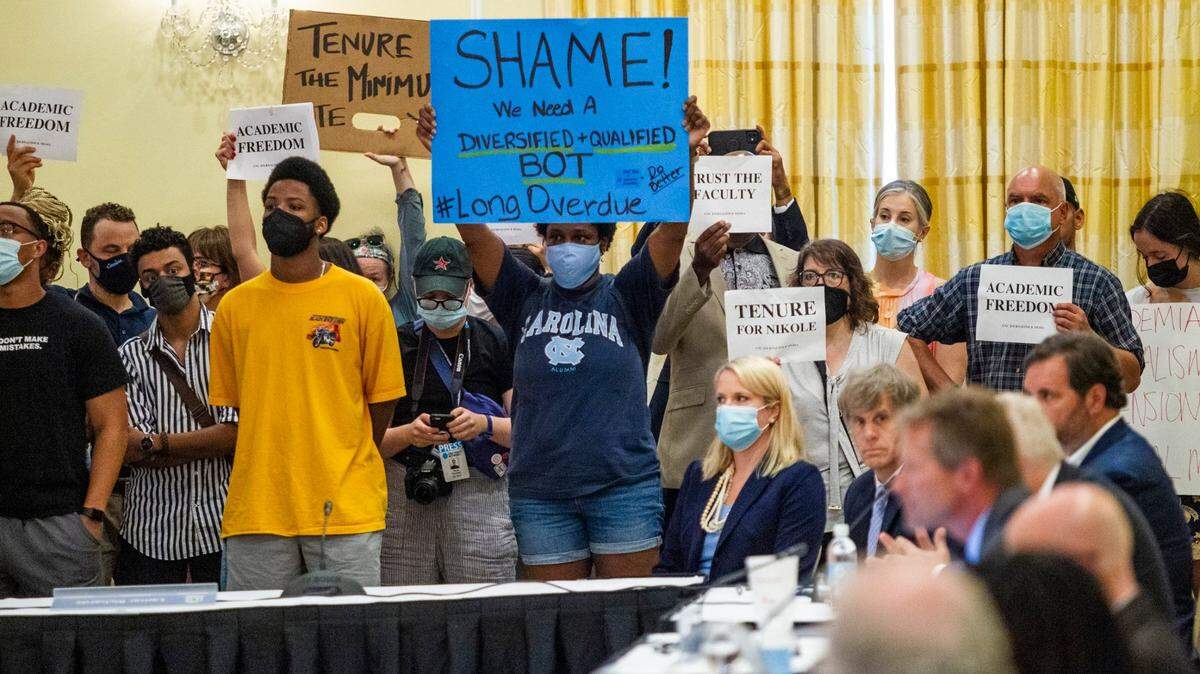
After weeks of media attention, public pressure and Hannah-Jones threatening to file a federal lawsuit, UNC-CH trustees scheduled a meeting to vote on her tenure.
In an email statement to The News & Observer, the governor’s office said Cooper twice reached out to Hannah-Jones ahead of that vote to express his support, saying he hoped she would be granted tenure and that she would be an “important and valuable addition to the faculty.”
“Her university and many of her fellow alumni were proud to stand with her,” Cooper told Hannah-Jones in June, according to the governor’s office.
It’s unusual for a governor to reach out to a potential UNC faculty member, but Cooper’s decision to do that signals how, as Hannah-Jones’ tenure at UNC drew national attention, the issue became increasingly difficult for the governor to ignore. Cooper’s wading into the issue also shows how UNC and North Carolina politics are deeply enmeshed.
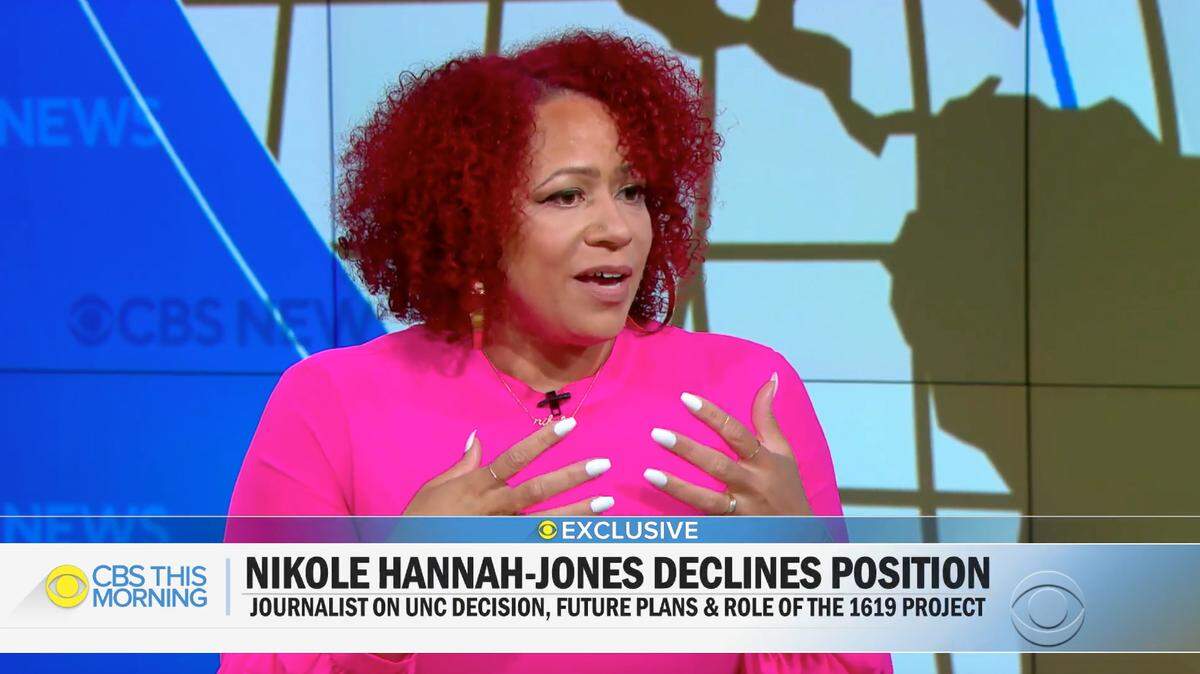
Though the trustees eventually voted to give Hannah-Jones tenure, she turned the job down and will instead be the inaugural Knight Chair with tenure at Howard University, an historically Black university in Washington, D.C.
Hannah-Jones could not be reached for comment about her conversations with Cooper.
Cooper has made previous public statements of support for Hannah-Jones that came after trustees voted to grant her tenure and after she announced she wouldn’t be joining UNC-CH.
Last week, Cooper blamed the university’s loss of Hannah-Jones on conservative politics.
“It is but one symptom of a Republican legislative leadership that has broken university governance by appointing mostly ultra-conservative trustees and members of the Board of Governors who toe the legislature’s right-wing line and don’t reflect the diversity of our state,” Cooper said in a statement. “Our great university’s faculty and students and most North Carolinians value diversity and inclusion and we must change the system so that our appointed university leadership values it too.”
Since Republicans took control of North Carolina’s General Assembly for the first time in a century, conservative legislative leaders made significant changes to the bodies that govern higher education in the state.
North Carolina governors had the ability to make some appointments to university boards of trustees across the state until 2016, when the legislature took away that power weeks before Cooper took office. Lawmakers also shrunk the UNC System Board of Governors. Conservative legislative leaders’ appointments to the 24-member Board of Governors have given them influence over the system’s 16 public universities, including UNC-CH.
Every current member of the UNC System Board of Governors and the UNC-CH Board of Trustees has been appointed under a Republican-dominated legislature.
The newly-appointed board of trustees is made up of eight white men, two Black men, one Asian-American man, one Black woman and one white woman.
UNC-CH enrollment data shows more than half of the student body is female (59%), yet only two women are on the 13-person board. The board is 70% white, while the student body is 58% white.
Hannah-Jones has said her tenure was not taken up because of political opposition, discriminatory views against her work and her race and gender.
“These last few weeks have been very dark. To be treated so shabbily by my alma mater, by a university that has given me so much and which I only sought to give back to, has been deeply painful,” Hannah-Jones said in her statement.
“The only bright light has been all of the people who spoke up and fought back against the dangerous attack on academic freedom that sought to punish me for the nature of my work, attacks that Black and marginalized faculty face all across the country,” she said.
Hannah-Jones told The News & Observer that the federal discrimination lawsuit against the university is still on the table.
For more North Carolina government and politics news, listen to the Under the Dome politics podcast from The News & Observer and the NC Insider. You can find it at link.chtbl.com/underthedomenc or wherever you get your podcasts.
This story was originally published July 13, 2021 at 2:01 PM with the headline "What we know about NC governor’s call to Nikole Hannah-Jones during UNC tenure fight."


.JPG)