
Ancient creature with porcupine-like quills found in amber. It’s a new species
Fossils offer the opportunity to look at an era of time permanently frozen in stone. Dinosaurs swallowed by mud or plants pressed into the ground over millions of years create imprints of a world long extinct.
Another material, however, allows researchers in the modern day to see a specific moment in time, from an insect stuck in flight to a creature’s last breath still captured in a bubble.
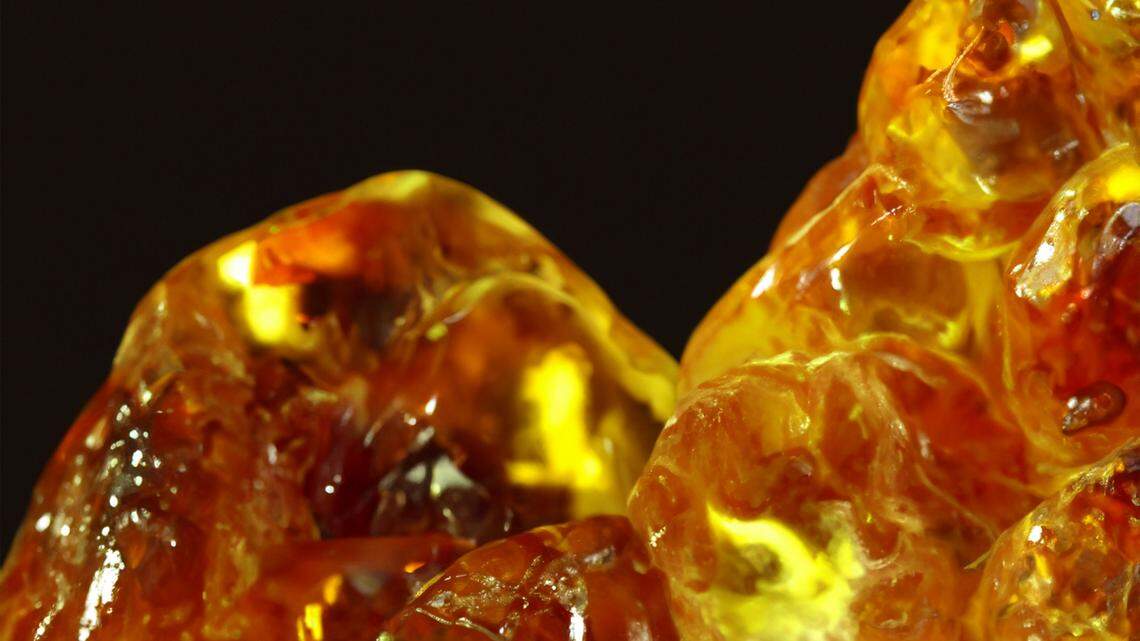
That material is amber and it’s created when gloopy, sticky tree resin hardens over millennia.
In Myanmar, amber has been discovered throughout the Kachin State — including one piece with a new species hidden inside.
The amber was discovered and sold into trade in 2014, before political conflict surrounded the amber mines, and later moved to a lab at Capital Normal University in Beijing, according to a study published Aug. 4 in the peer-reviewed journal Fossil Record.
The piece was trimmed and polished, providing a window to the animal caught inside, according to the study.
The new species is a mite and it represents the first species in a new genus, researchers said.
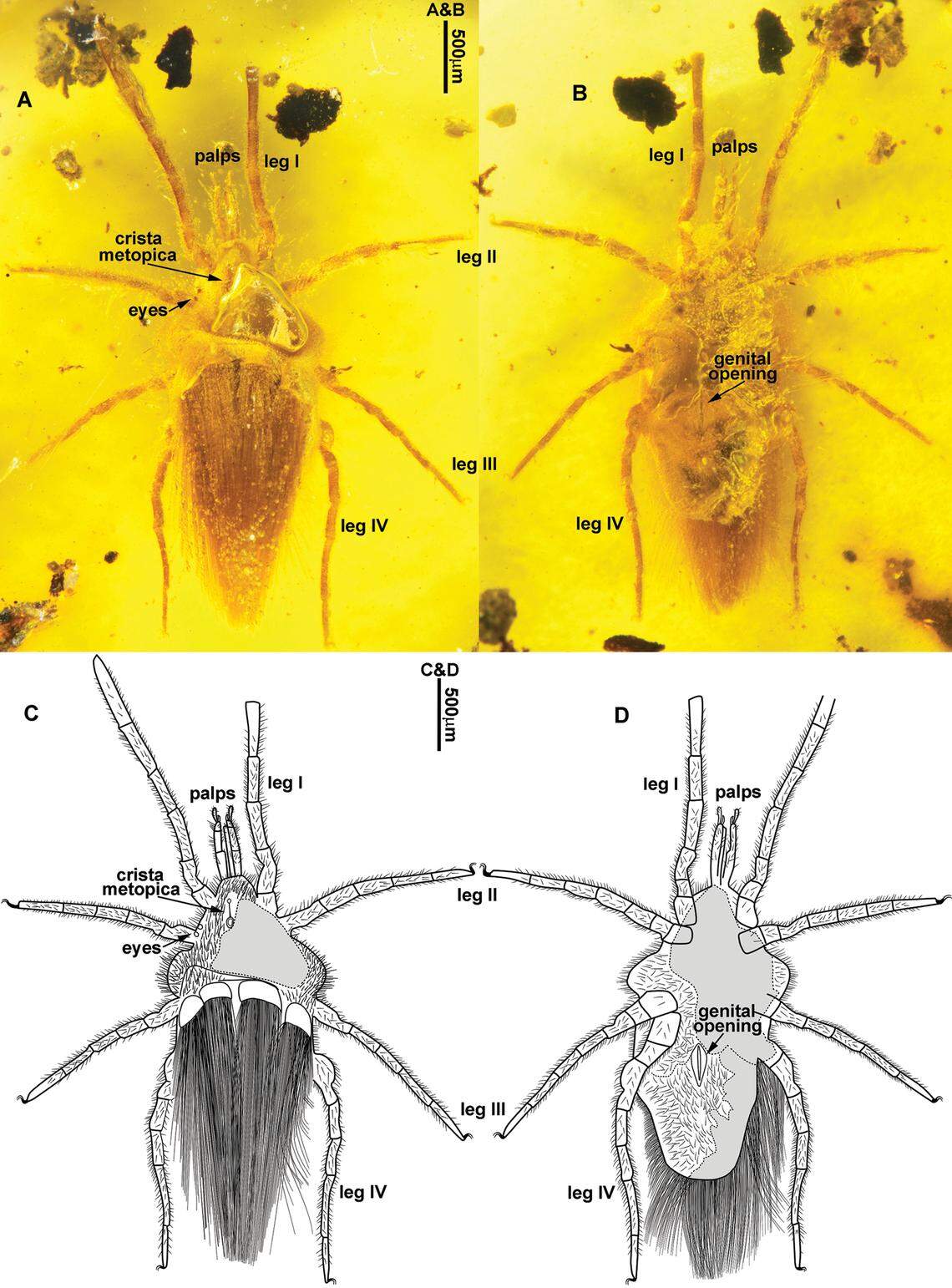
The amber dates to the Cretaceous period about 98 million years ago, according to the study.
The mite looks like something you might find today, except for one key feature.
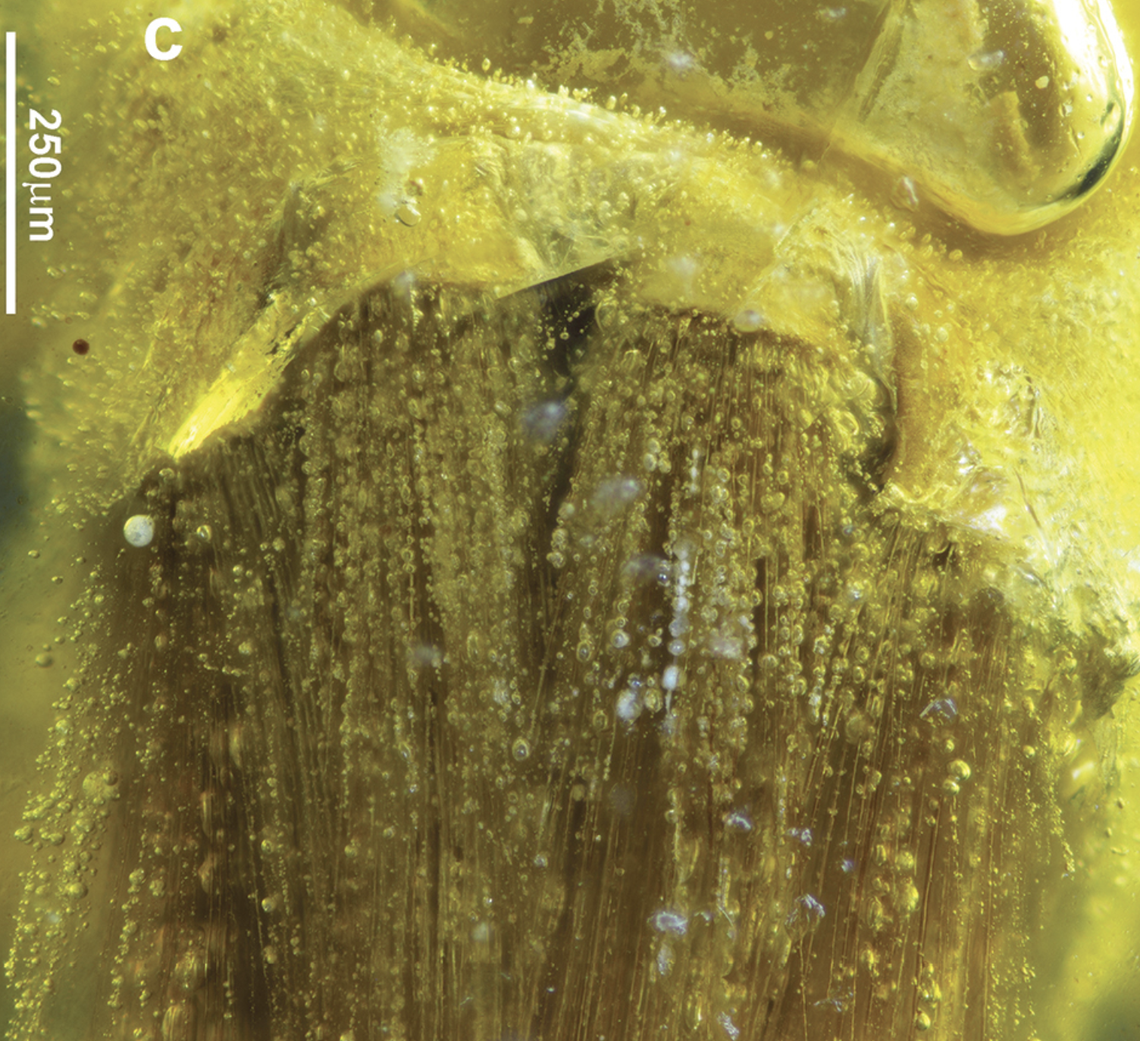
The critter has “ultra-long” dorsal setae, or hair-like structures that cover the back of the body, according to the study.
“The dorsal setae of Cretachyzeria macroseta (a new genus and species) are extremely long and dense, resembling the quills of a porcupine,” researchers said. “This unusual morphological structure likely served specific biological functions.”
In modern mites, small hair-like features on the body are used to provide shelter to their larvae, making it easier for them to transport and disperse the larvae, according to the study.
The prehistoric mite may have used them for the same purpose, or at least for protection as the specimen trapped in amber is covered with small grains of sand or earth.
“This suggests that the ultra-long setae may provide some protection from impurities, safeguarding the fragile abdomen. This feature would enhance the survival of the mite inhabiting tree or soil environments,” researchers said.
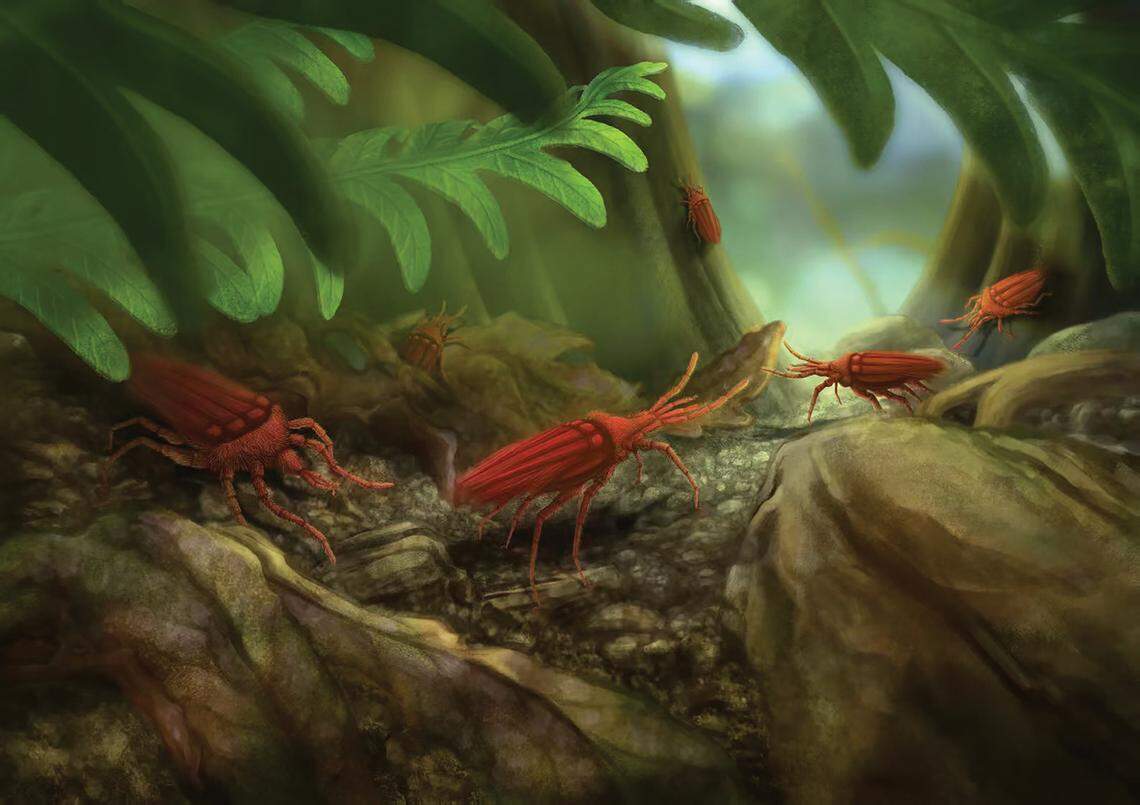
The scientists also hypothesized that the mite might have been red in color, which would have made it less likely to be eaten by predatory insects or spiders, according to the study. The long setae could have also made it hard for predators to grab on to the small critter.
“The discovery of a new species in Cretaceous Myanmar amber suggests that this feature was already present 99 million years ago,” researchers said, also suggesting this mite group “evolved at a slow rate and that its ancestral traits have remained relatively unchanged from those (living) species.”
Kachin State is in northern Myanmar, along the border with China.
The research team includes Yu Liu, Qing-Hai Fan and Dong Ren.
This story was originally published August 7, 2025 at 5:21 PM with the headline "Ancient creature with porcupine-like quills found in amber. It’s a new species."
