2-foot-long ocean predator with ‘blade-like’ teeth discovered as a new species

Off the southern coast of India, shrimp trawlers hauled in their nets and realized they’d accidentally caught a 2-foot-long deep-sea predator. They took it to port and gave it to scientists — and for good reason.
It turned out to be a new species.
A team of researchers visited a fishing harbor in Kerala several times in 2023 to survey the hauls brought in by shrimp trawlers. Their focus wasn’t shrimp, though; their focus was the other accidental catches, according to a study published May 25 in the peer-reviewed Indian Journal of Fisheries.
During their visits, researchers collected a few “dusky” sharks from the trawlers, the study said. Intrigued, they took a closer look at these sharks, analyzed their DNA and realized they’d discovered a new species: Iago gopalakrishnani, or the Indian houndshark.
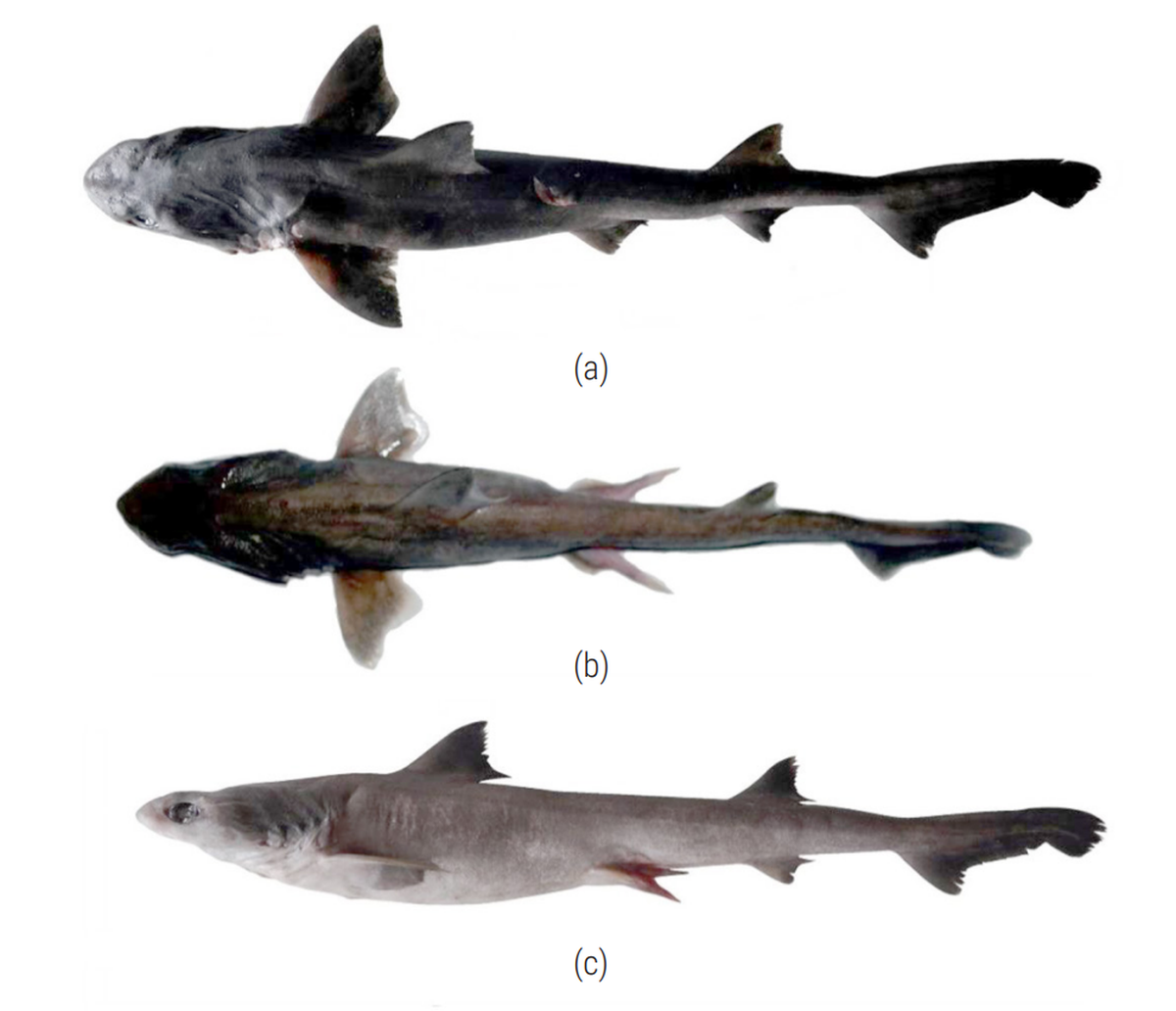
Indian houndsharks are considered “small,” reaching up to 35 inches in length, the study said. They have “slender” bodies and rough-textured skins. Their “short” heads have a “pointed” snout, “large” oval eyes and “arched” mouths with “sharp and blade-like” teeth.
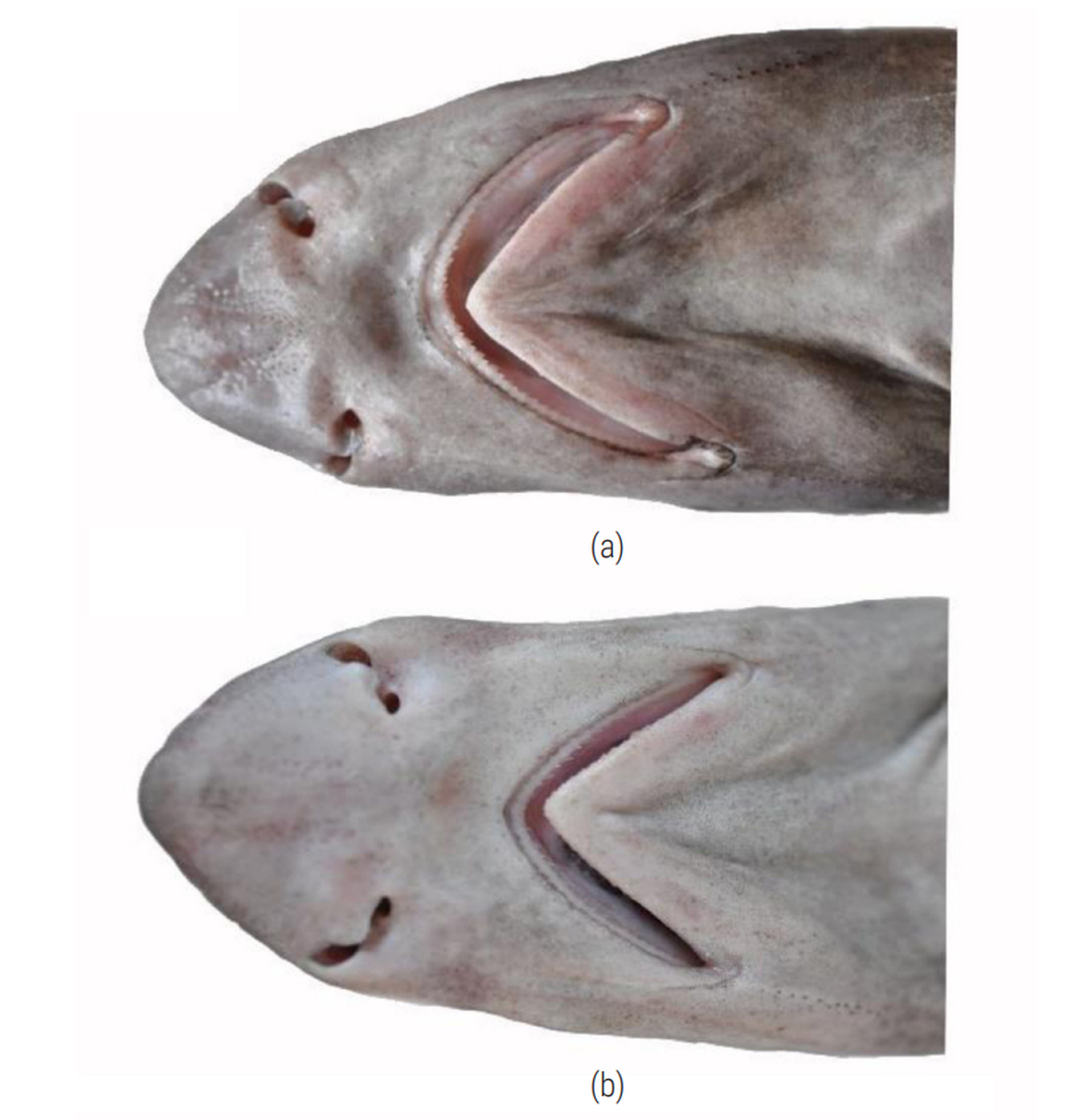
Photos show the coloring of the new species, which varies between males and females.
Male sharks have a darker hue and look “blackish to dark brown” when freshly caught, researchers said. Females have a lighter hue and look “dark chocolate brown to blackish brown.”
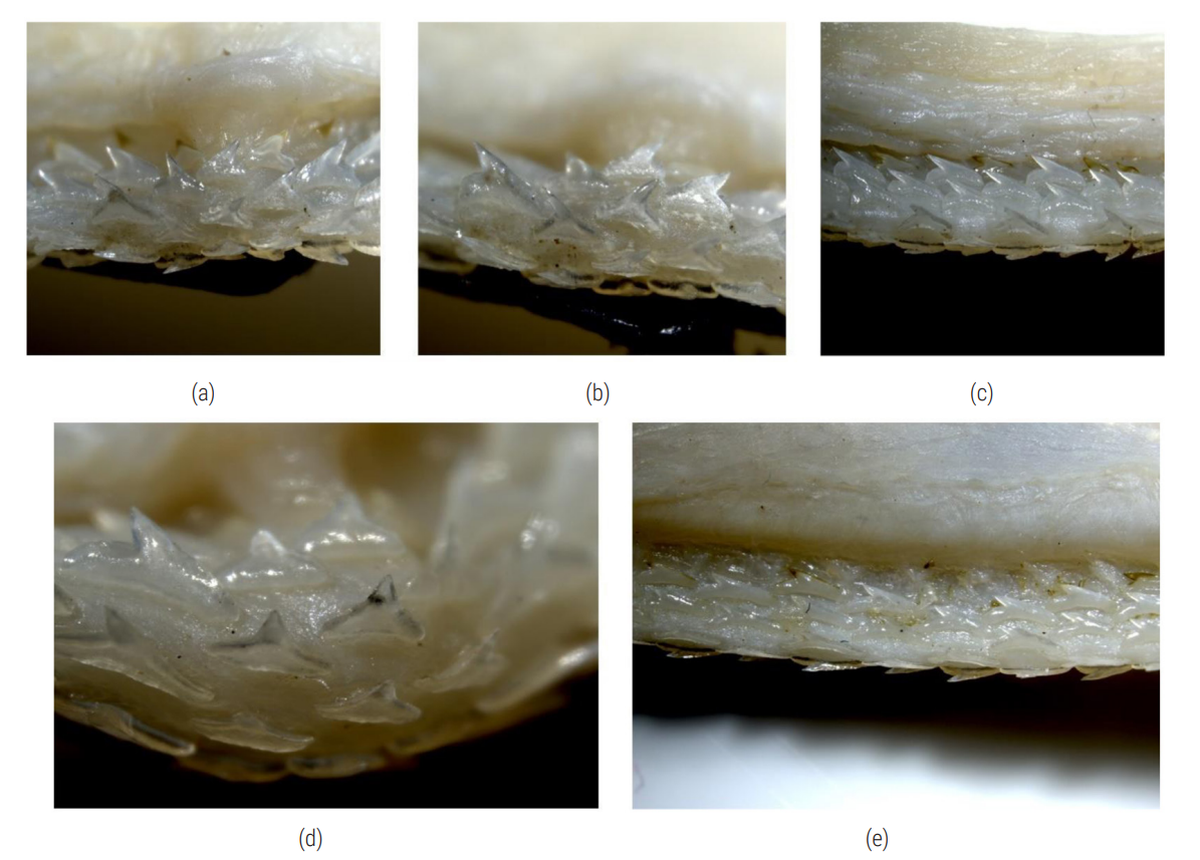
Much about the lifestyle of Indian houndsharks remains unknown.
Shrimp trawlers caught these deep-sea sharks between depths of about 1,000 to 1,300 feet, the study said. “This species is abundant in the fishery bycatch in the south-west coast of India and forms a minor fishery.”
Researchers said they named the new species after the late A. Gopalakrishnan, an “eminent marine fish geneticist,” because of “his valuable contributions to fish conservation, sustainable management of Indian fisheries and his support” for the study co-authors.
So far, Indian houndsharks have been found in the Arabian Sea off the southwestern coast of India, the study said.
The new species was identified by its body proportions, coloring, gills, fin shape, mouth shape and other subtle physical features, the study said. DNA analysis found the new species had at least 4% genetic divergence from related species.
The research team included K. K. Bineesh, Sweta Beura, Moumita Das, M. Nashad and K. V. Akhilesh.
This story was originally published June 4, 2025 at 10:26 AM with the headline "2-foot-long ocean predator with ‘blade-like’ teeth discovered as a new species."