‘Armored’ creature with ‘whip’-like tail pulled from river. It’s a new species
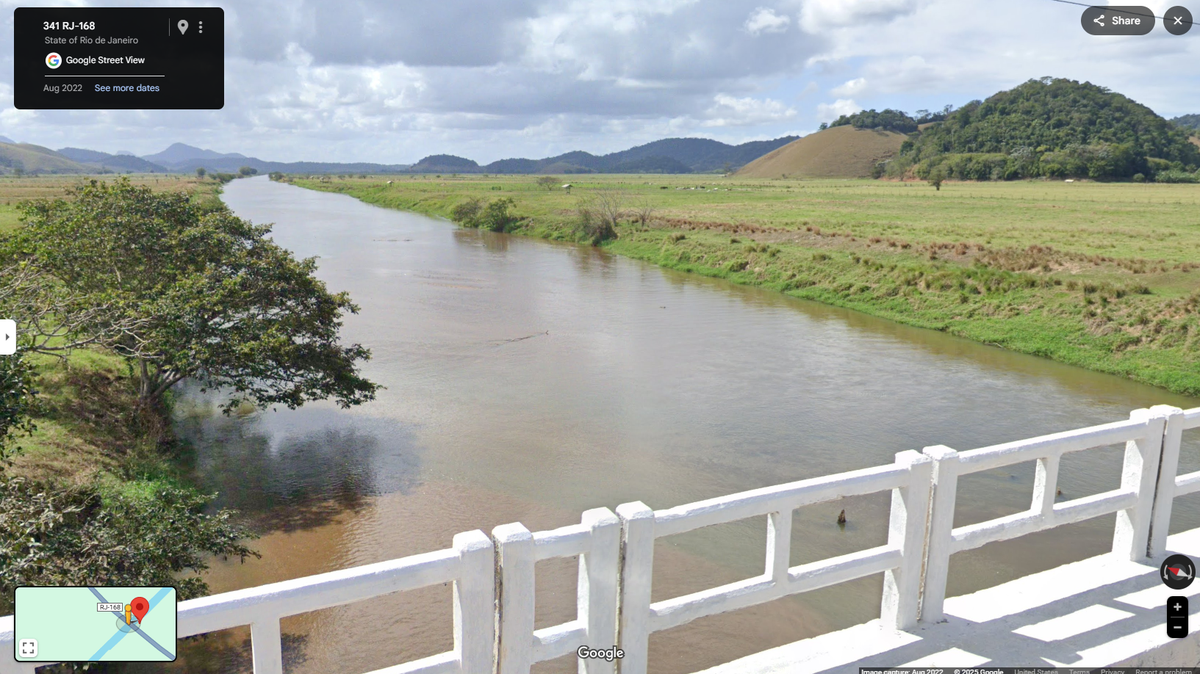
In a river of southeastern Brazil, an “armored” creature with a “whip”-like tail moved through the shallow water. At least, it tried to, but something caught it and pulled it toward the surface.
Scientists looked at the blotchy animal — and discovered a new species.
A team of researchers visited some rivers near Rio de Janeiro “as part of a long-term study” of the region’s aquatic diversity, according to a study published May 26 in the peer-reviewed journal Neotropical Ichthyology.
During their surveys, researchers caught several unfamiliar-looking catfish and, after taking a closer look, realized they’d discovered a new species: Rineloricaria buckupi, or Buckup’s whiptail catfish.
Buckup’s whiptail catfish are covered in “armored” body plates and can reach about 7 inches in length, the study said. Their teeth are “strong,” and their lips have “irregularly sized” bumps.
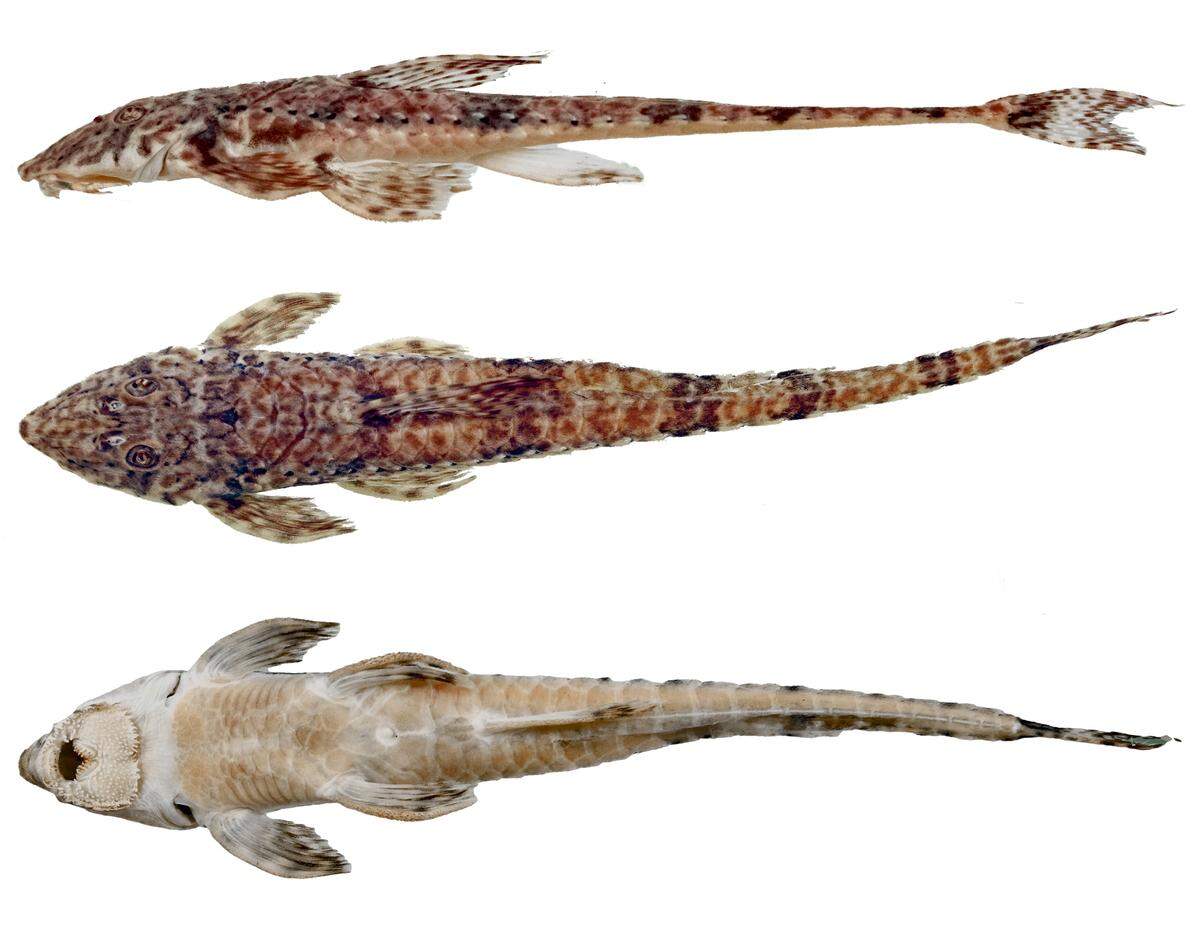
Photos show the new species’ coloring and its long, skinny tail. Seen from above, the fish has a mixture of reddish brown and black blotches. Seen from below, its belly is uniformly creamy.
Much about the lifestyle of Buckup’s whiptail catfish remains unknown. The fish were found in “shallow streams” often under or near bridges and along highways, the study said.
Researchers said they named the new species after Paulo Buckup “in recognition of his valuable teachings as an advisor to numerous students, including the authors of this paper,” and his “numerous” research contributions “over the past 25 years.”
So far, the new species has been found in seven tributaries of two “coastal rivers flowing directly to the Atlantic Ocean” in the State of Rio de Janeiro in southeastern Brazil, the study said.
“The discovery of another undescribed species of whiptail catfish close to one of the largest metropolitan areas in Brazil further illustrates the incomplete knowledge about fish diversity,” researchers said. “It highlights the need to document this unknown diversity before it faces potential extinction due to increasing human occupation.”
The new species was identified by the arrangement of its body plates, head shape, fin placement, texture and other other subtle physical features, the study said. DNA analysis found the new species had at least 4% genetic divergence from related species.
The research team included Eduardo Mejia, Gustavo Ferraro and Igor Souto-Santos.
This story was originally published May 30, 2025 at 10:27 AM with the headline "‘Armored’ creature with ‘whip’-like tail pulled from river. It’s a new species."