Deep-sea creature with ‘massive eyes’ discovered in canyon. It’s a new species
Thousands of feet below the surface of the Indian Ocean, a reddish sea creature with “massive eyes” used its “long” arms to move through the water. Something approached the deep-sea animals, caught it and pulled it toward the surface.
Aboard a research vessel, scientists looked at their catch. It turned out to be a new species.
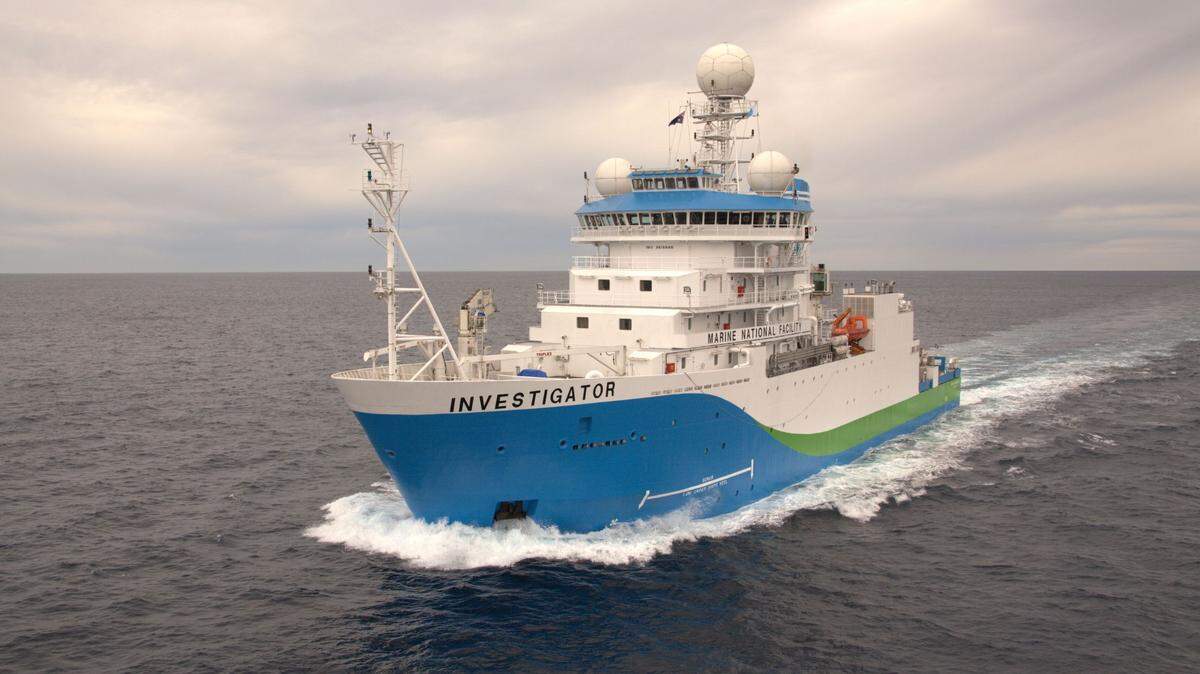
Researchers set out on the RV Investigator for a monthlong expedition in late 2022 to survey the seabed and document the deep sea biodiversity off the western coast of Australia, according to Commonwealth Scientific and Industrial Research Organisation (CSIRO), the organization that led the project.
During the trip, researchers collected five unfamiliar-looking octopuses and later showed them to Tristan Verhoeff, a marine biologist, according to a study published May 12 in the peer-reviewed Australian Journal of Taxonomy.
Verhoeff took a closer look at the octopuses, compared them with known species and soon realized they’d discovered a new species: Opisthoteuthis carnarvonensis, or the Carnarvon flapjack octopus.
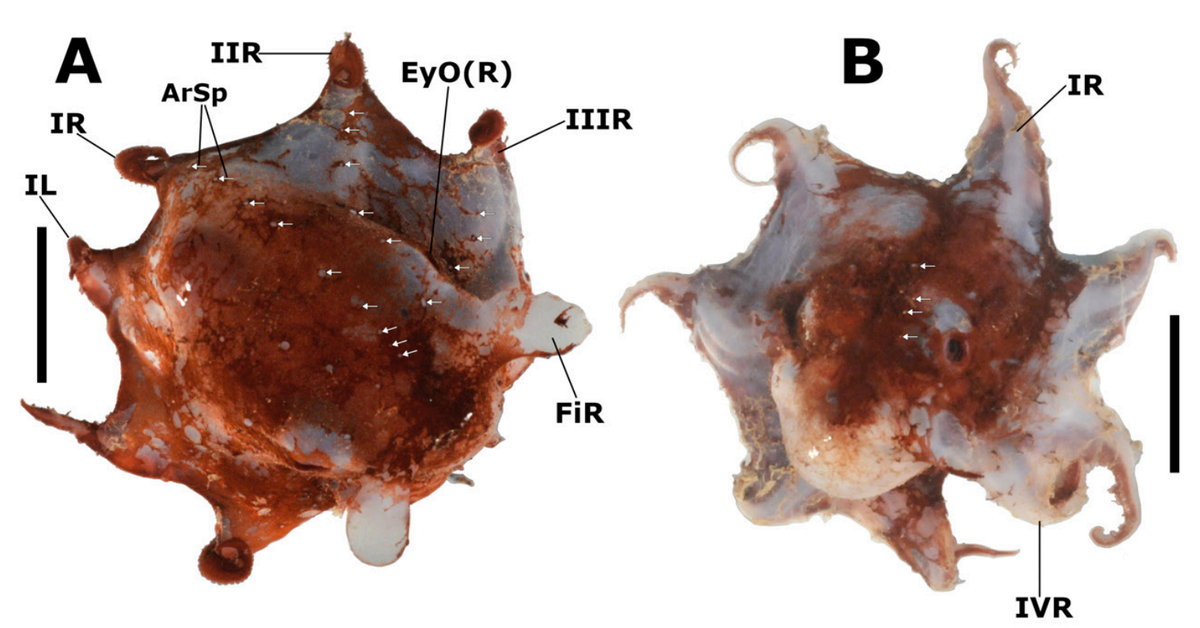
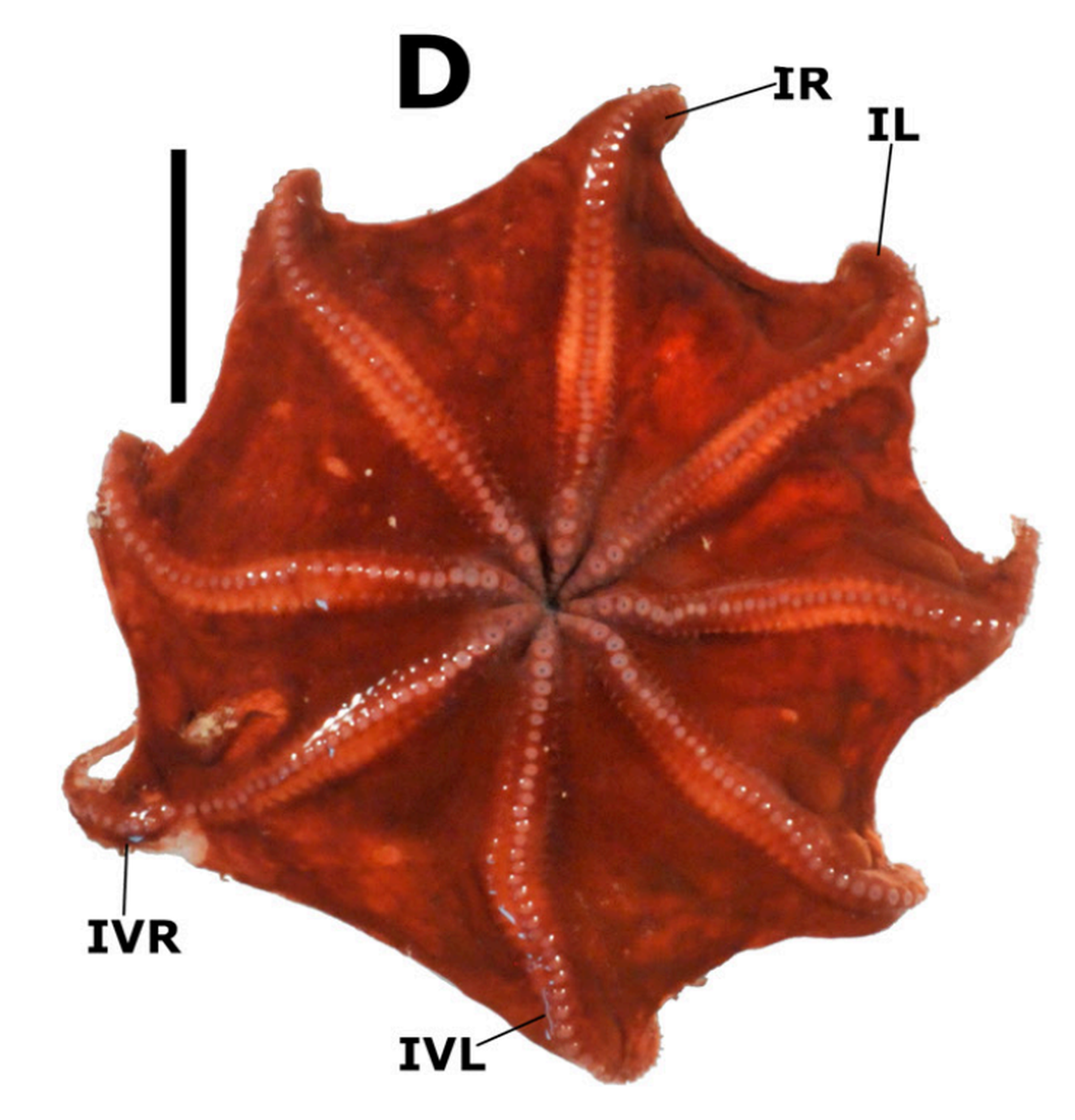
Carnarvon flapjack octopuses can reach about 7.5 inches in length but shrink after being preserved, the study said. They are “gelatinous” with a “dome-like” body and eight “thick, relatively long” arms with dozens of suckers. Their heads have “very large” eyes and “small” fins.
Photos show the new species and its “dark brown-red” coloring. Some pale “unpigmented” spots dot its body, the study said.
Much about the lifestyle of Carnarvon flapjack octopuses remains unknown. The octopuses likely live near the seafloor and were found in an underwater canyon at depths of about 3,400 to 5,000 feet, the study said.
A 2022 news release from CSIRO shows the research vessel that collected the new species.
Verhoeff named the new species after the Carnarvon Canyon Marine Park where it was first discovered.
So far, Carnarvon flapjack octopuses have only been found in a small region off the northwestern coast of Australia, the study said.
The new species was identified by its internal anatomy, reproductive system, arm suckers and other subtle physical features, Verhoeff said. The study did not include a DNA analysis of the new species.
“The waters around Australia and New Zealand, and the Pacific Ocean more broadly, host a high diversity of flapjack octopods, though this diversity remained largely undocumented until recently,” Verhoeff said.
This story was originally published May 13, 2025 at 4:28 PM with the headline "Deep-sea creature with ‘massive eyes’ discovered in canyon. It’s a new species."