Ancient Roman theater sat unnoticed under Croatia city hall — until earthquake
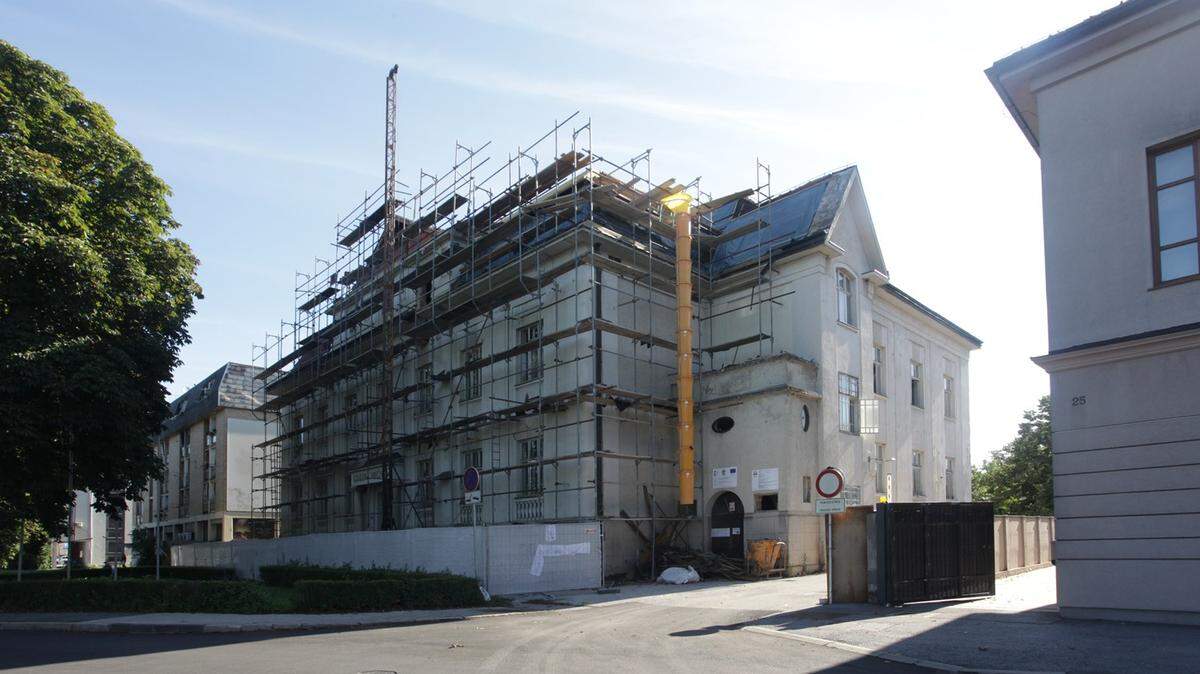
An ancient Roman theater sat along a river in modern-day Croatia, slowly worn down by the elements and buried by newer construction. Its existence had long been forgotten — until an earthquake hit.
A 6.4-magnitude earthquake, “the largest earthquake to occur in Croatia since the advent of modern seismic” measurements, shook central Croatia in late December 2020, killing eight people and causing extensive structural damage, according to the National Oceanic and Atmospheric Administration in the United States.
Sisak’s city hall was one of the significantly damaged buildings and, after the earthquake, underwent a complete renovation, Croatia’s Ministry of Culture and Media said in an April 15 news release.
While digging in the basement, construction crews and archaeologists were stunned to find some ancient Roman ruins, later identified as an odeon, or theater, officials said.
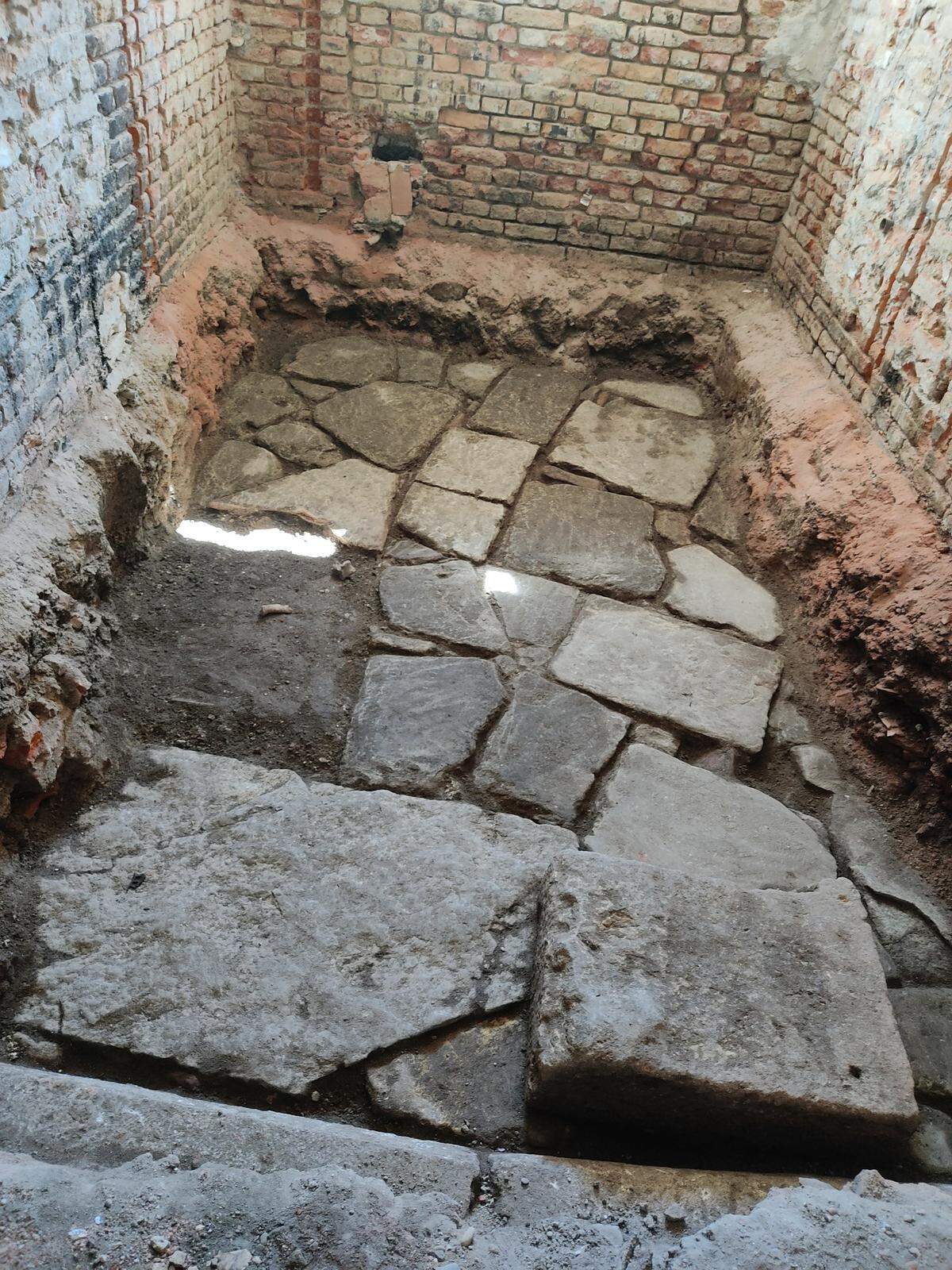
In ancient Greece and Rome, an odeon was a “comparatively small theatre … in which musicians and orators performed and competed,” according to Britannica. The Latin name for the structure translates to “concert hall.” Some experts think these smaller theaters were developed “because early Greek musical instruments could not be heard in the vast open amphitheatres in which dramatic performances were held.”
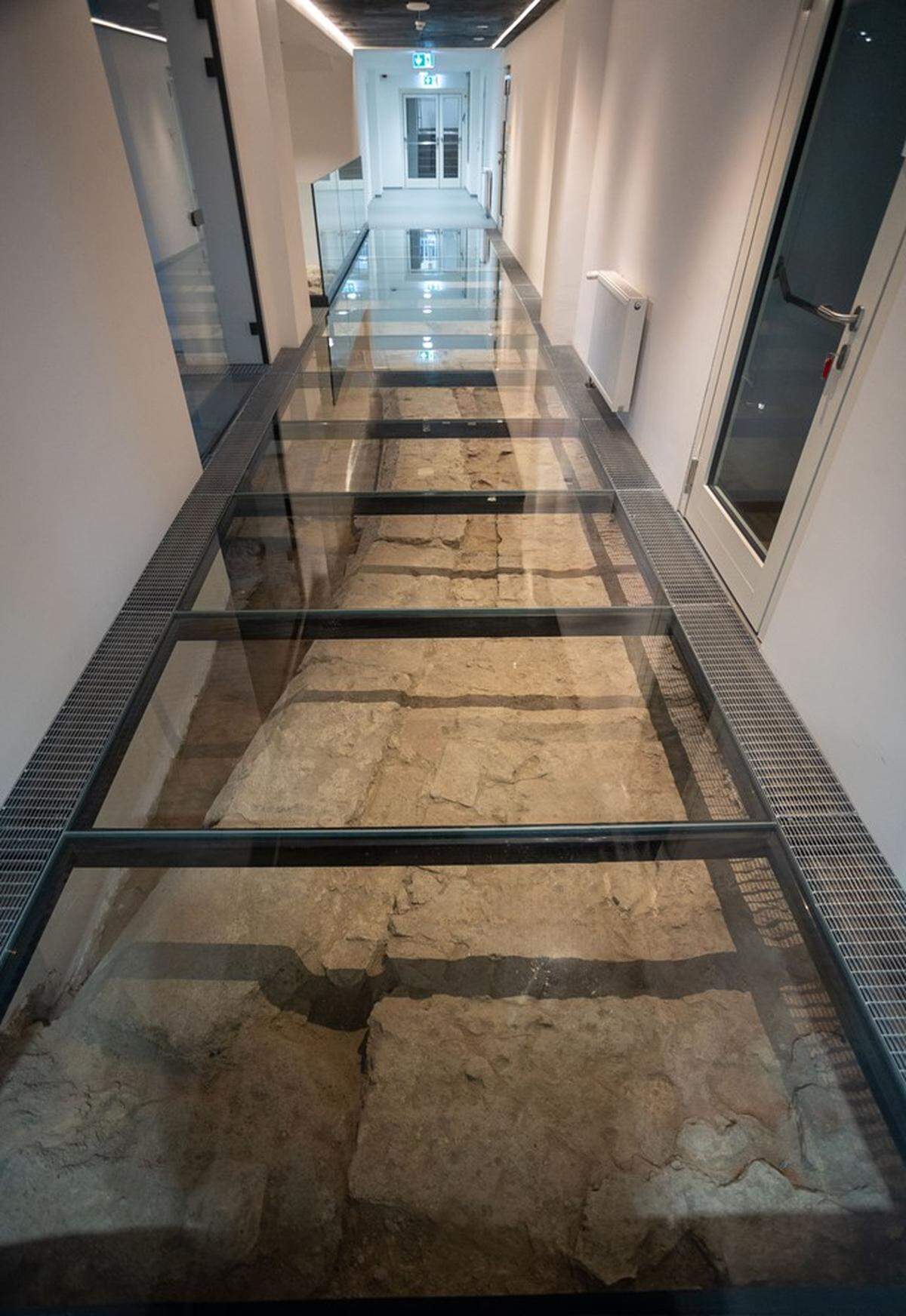
The surviving theater ruins included the podium, orchestra and several semi-circular rows of stone, measuring about 65 feet across, archaeologists said.
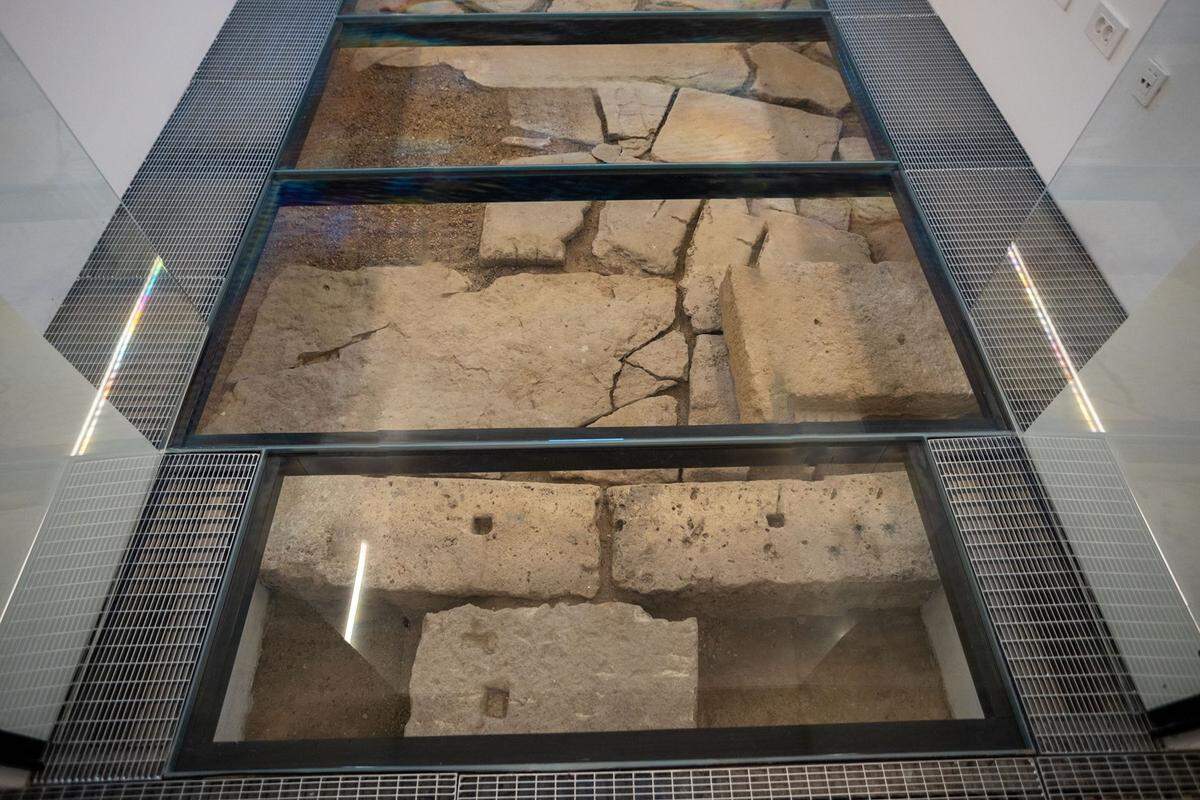
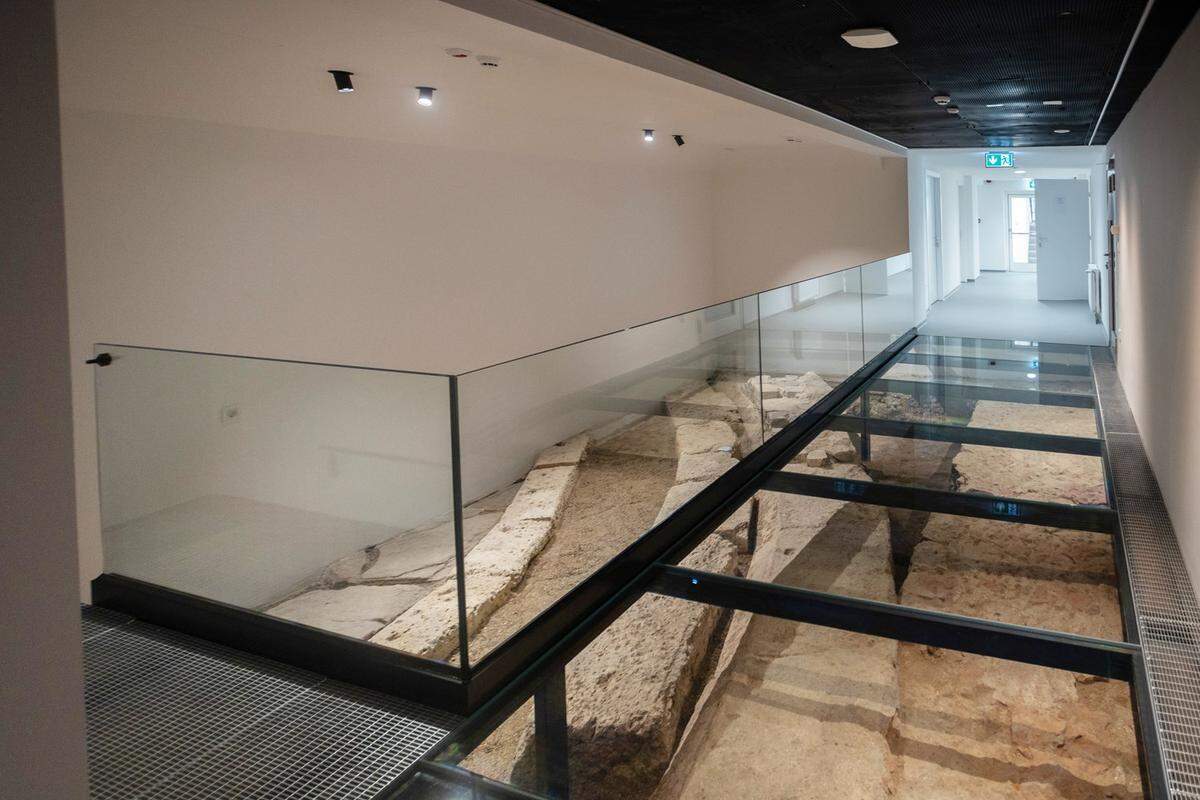
Photos shared by Croatia’s Ministry of Culture and Media on Facebook shows what the ancient Roman structure looked like during the excavation and after the renovation work finished. The ruins were preserved in place and partially visible under glass flooring.
Officials described the find as extremely valuable and a new glimpse into the ancient Roman city of Siscia.
Roman Siscia, now modern-day Sisak, was founded on top of a Celtic and indigenous Illyrian settlement around 35 B.C., according to city officials. The city began as a Roman military camp then developed into an economic, administrative and cultural hub. The city also minted money, and the coins circulated throughout the rest of the empire.
Ancient Siscia briefly served as one of the empire’s four capital cities then faded in prominence around the mid-400s A.D., according to Atlas Obscura.
Sisak is in northern Croatia, a roughly 40-mile drive southeast of the capital city of Zagreb.
Google Translate was used to translate the news release and Facebook post from Croatia’s Ministry of Culture and Media.
This story was originally published April 25, 2025 at 9:40 AM with the headline "Ancient Roman theater sat unnoticed under Croatia city hall — until earthquake."