Men, women, children killed in ancient conflict found buried with care in Peru
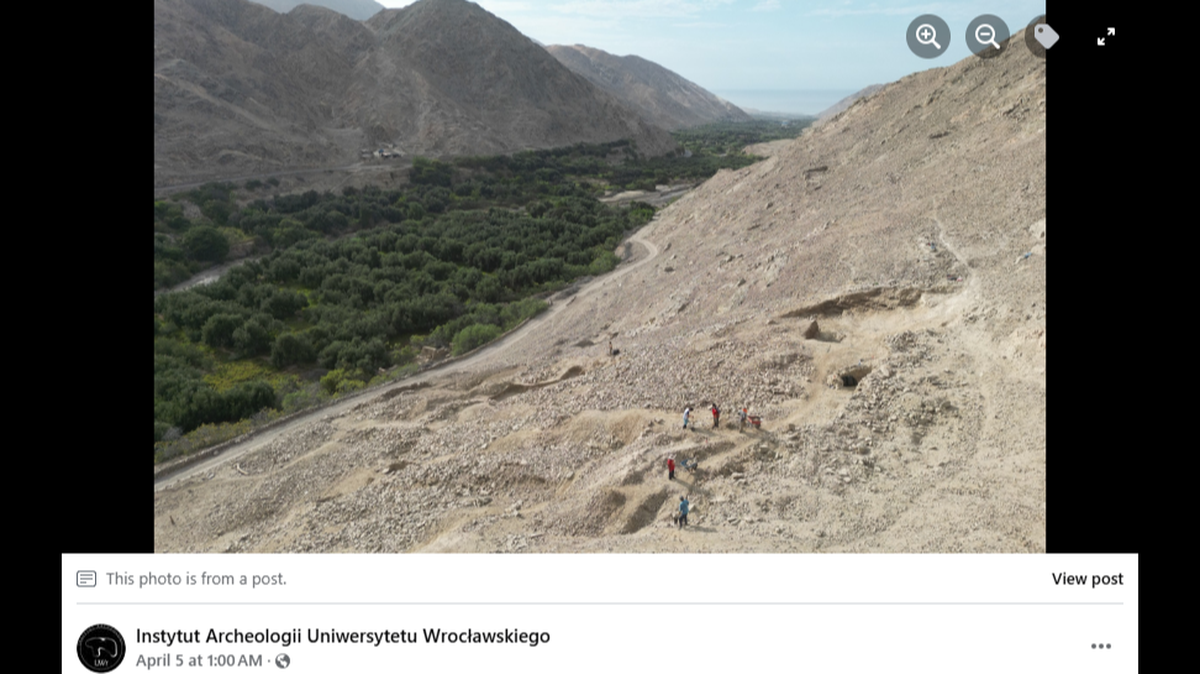
Long before the age of the Inca, the Chuquibamba culture called the mountains and valleys of southern Peru home.
The Inca, despite their fame and mark left on the country, belonged to “just a blip” in Peruvian history lasting around 300 years, according to visit Peru.
The rest of the time before Spaniards arrived, Peru belonged to a collection of nomadic tribes and some of the oldest cities in South America.
Researchers from the Institute of Archaeology at the University of Wrocław, Poland, were studying these ancient cultures at a site called El Curaca when they came across a special burial, according to an April 5 Facebook post from the institute.
The site is located in the Atico River valley, and previous excavation seasons have revealed stone structures and richly furnished collective burials, according to the institute.
The most recent archaeological season began in October, and a particular mass grave caught the researcher’s attention.
The burial was found in a cemetery and held 24 individual people, including men, women and children, according to the post.
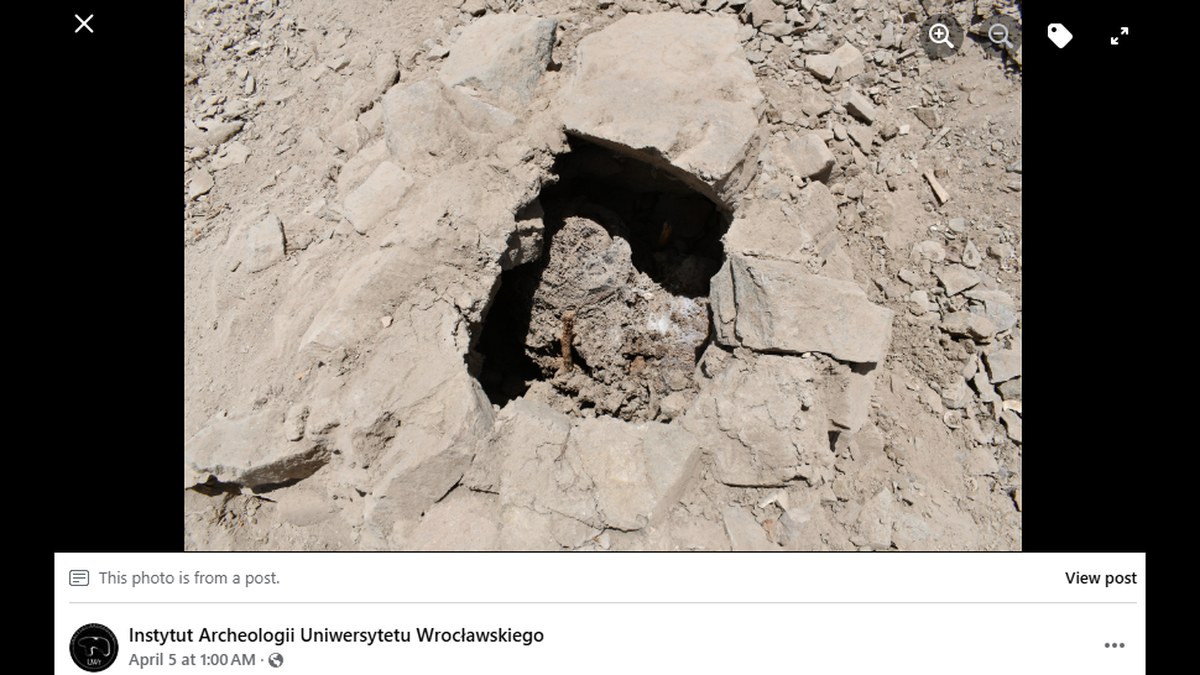
They were surrounded by stones and buried with elaborate grave goods, researchers said. Ceramics, bone, stone and textiles were found among the items, suggesting the bodies had been buried to a ritualistic standard and with a significant amount of care.
However, analysis of the human remains found the people had not died naturally, according to the institute.
All individuals exhibited a number of physical injuries to their bodies, all of which could be attributed as their cause of death, researchers said.
This suggests they were likely all killed in some sort of interpersonal conflict between their group and another, according to the post.
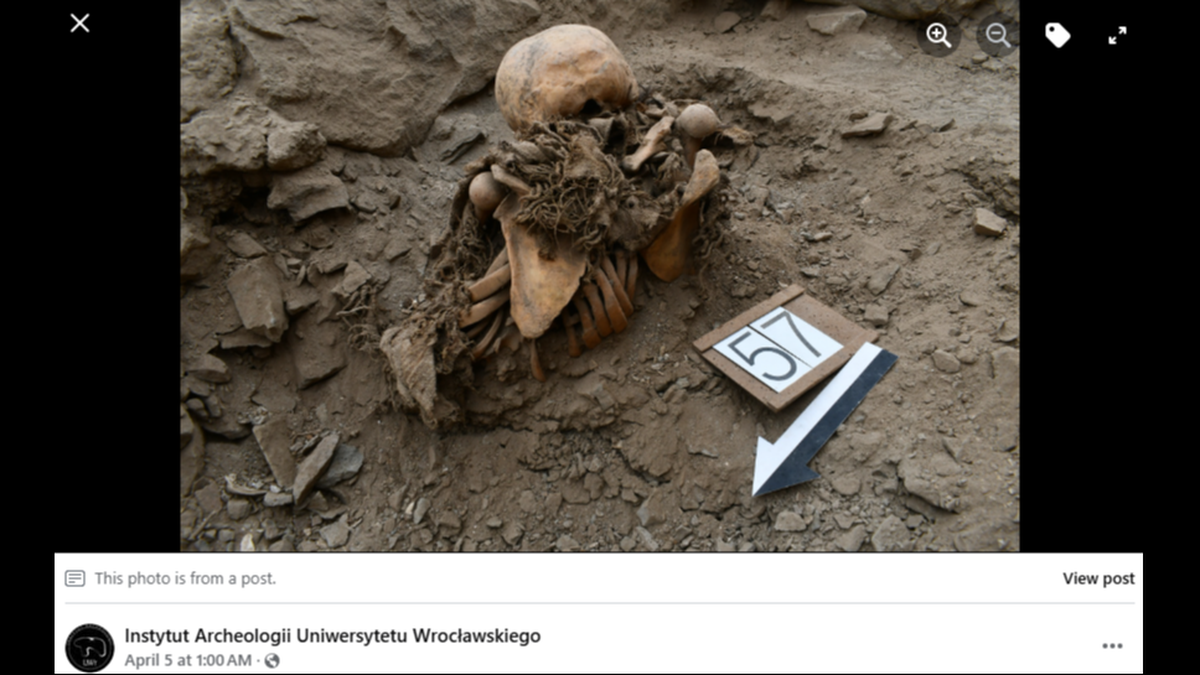
The combination of gruesome deaths followed by careful and loving burials also suggests their group was victorious in the conflict, researchers said.
A win for their community would mean the victors could bury their dead per their traditions, according to the post.
Ceramics from the site were dated to the early Formative period, researchers said, between 1800 and 1000 B.C.
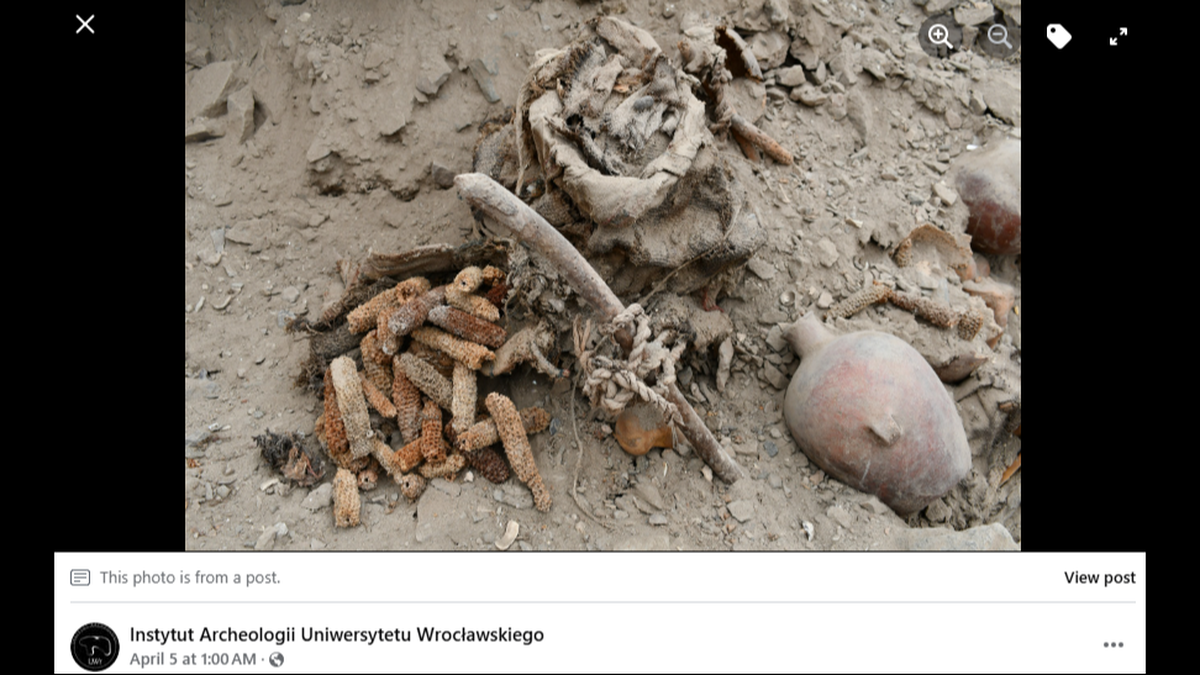
Researchers will continue to analyze the remains and grave goods found at the site to learn more about this largely unknown culture, according to the post.
The research is part of the Atico Valley Project, a collaboration between the university and the government of Peru.
Previous studies in the valley have led to the discovery of rock paintings, the remains of Inca roads and shell dumps from gathering and fishing communities along the coast, according to the university.
The Atico Valley is on the southern coast of Peru, about a 450-mile drive south along the Pacific Ocean coastline from Lima.
ChatGPT, an AI chatbot, and Facebook Translate were used to translate the Facebook post from the Institute of Archaeology at the University of Wrocław. Google Translate was used to translate the information page on the Atico Valley Project from the Institute of Archaeology at the University of Wrocław.
This story was originally published April 7, 2025 at 2:55 PM with the headline "Men, women, children killed in ancient conflict found buried with care in Peru."