
‘Nomad kings’ and cameras in Loch Ness: See latest archaeological discoveries
The summaries below were drafted with the help of AI tools and edited by journalists in our News division. All linked stories were reported, written and edited by McClatchy journalists.
Throughout history, cultures have left behind a trail of breadcrumbs for archaeologists to follow. New sites and artifacts are found all the time, revealing forgotten secrets of the past.
Here are some of the latest discoveries:
1,200-year-old graves reveal ‘rise of the nomad kings’ in Djibouti. Take a look
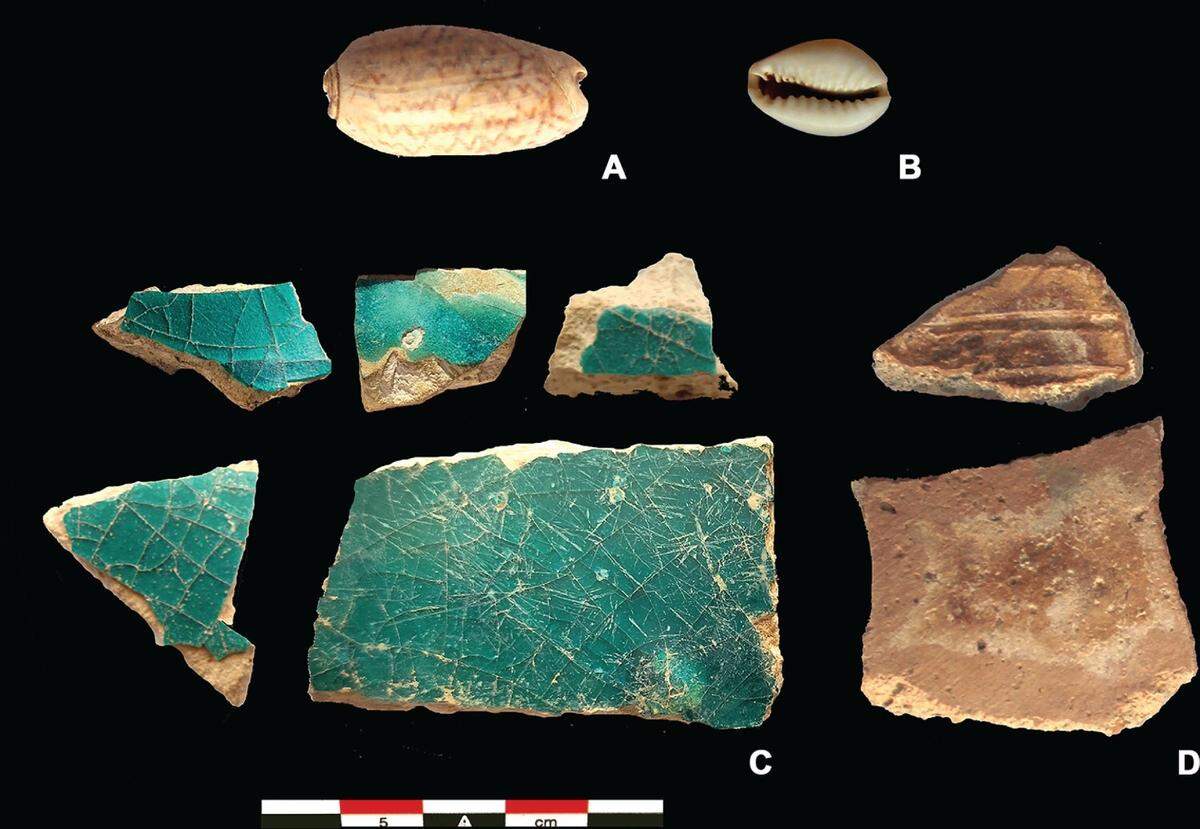
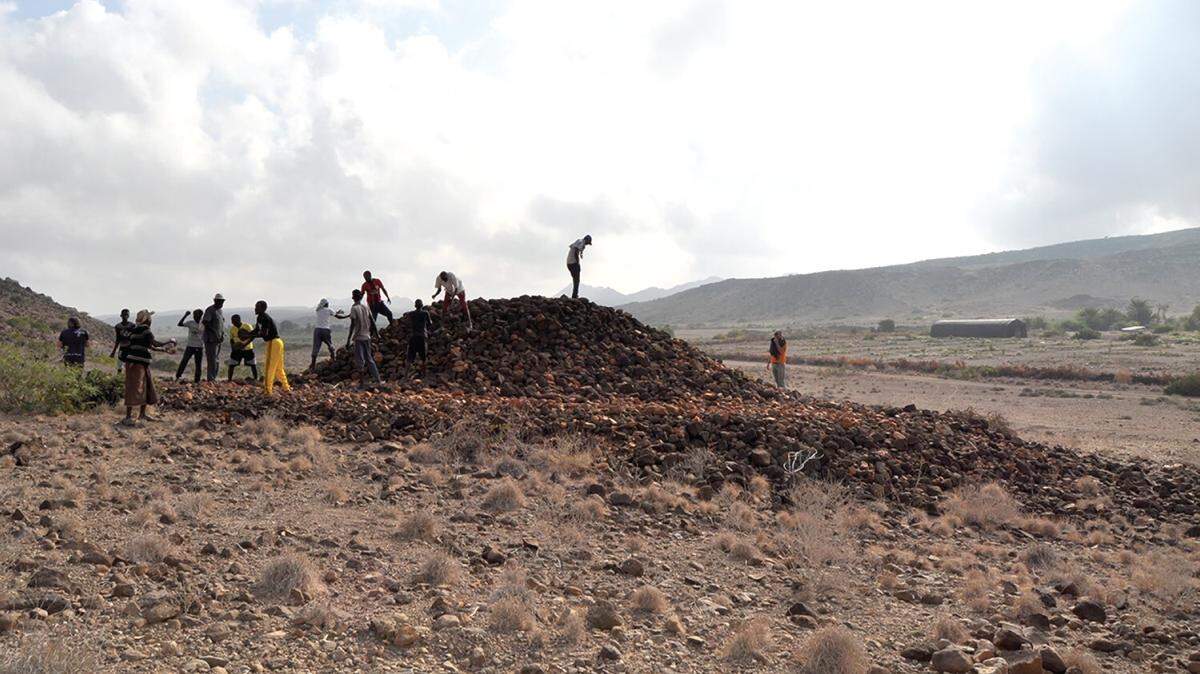
In Djibouti, archaeologists have excavated ancient stone graves known as cairns, revealing evidence of the “rise of the nomad kings” from over 1,200 years ago. These graves, built by nomadic groups, contained human and animal bones, pottery fragments, and other artifacts, suggesting a significant investment in labor for a small group of individuals. The findings indicate a period of monumental grave construction between 650 and 800 A.D., marking a departure from local traditions. | Published March 28 | Read More |
Metal detectorist helps unearth 3,000-year-old Bronze Age daggers in German cornfield

In a German cornfield near Kutenholz, metal detectorist Frank Hoferichter and researchers uncovered two Bronze Age daggers estimated to be over 3,000 years old. The daggers, found just 11 inches beneath the surface, are believed to have had cult-like significance due to their positioning and lack of associated burial ground. Experts consider the discovery a stroke of luck, as the daggers were not destroyed by agricultural equipment. | Published March 28 | Read More |
Volcanic hill hid hundreds of ancient artifacts — some 3,400 years old — in Hungary
_EIA%20Hoard2_fitted.png "Somló Hill (Veszprém County, Hungary)_EIA Hoard2_fitted.png")
On Somló Hill in Hungary, researchers discovered six large hoards of ancient artifacts, some dating back more than 3,400 years. These collections, found beneath the surface of the extinct volcano, include items from the Late Bronze Age and Early Iron Age, such as pendants, brooches, and spearheads. The findings offer a unique opportunity to study the creation and arrangement of these hoards, shedding light on ancient settlements. | Published March 31 | Read More |
Metal detectorists searching beach after storm find 2,500-year-old weapon. See it

In northern Poland, metal detectorists Jacek Ukowski and Katarzyna Herdzik discovered a 2,500-year-old dagger on a beach after a storm. The intricately designed weapon, dating back to the Hallstatt period, features crescent moon-like symbols and star-like shapes, possibly symbolizing constellations. The dagger’s purpose remains uncertain, but it may have had ritual significance or belonged to a wealthy warrior. | Published April 2 | Read More |
Eerie photos found after submarine scouring Loch Ness spots decades-old camera trap

In Loch Ness, Scotland, an ocean robot accidentally discovered a decades-old camera trap set in 1970 by the Loch Ness Investigation Bureau. The camera, found 600 feet deep, was intended to capture images of the legendary Loch Ness monster, “Nessie.” Although the film inside was in good condition, the images failed to capture Nessie, but the camera will be displayed as part of the history of Nessie hunting. | Published April 2 | Read More |
McClatchy News continues to follow the discovery of intriguing archaeological discoveries from around the globe. Check back to see the latest finds.
This story was originally published April 4, 2025 at 1:30 PM with the headline "‘Nomad kings’ and cameras in Loch Ness: See latest archaeological discoveries."