
Tombs of military leaders and local’s intuition: See latest archaeological discoveries
The summaries below were drafted with the help of AI tools and edited by journalists in our News division. All linked stories were reported, written and edited by McClatchy journalists.
Throughout history, cultures have left behind a trail of breadcrumbs for archaeologists to follow. New sites and artifacts are found all the time, revealing forgotten secrets of the past.
Here are some of the latest discoveries:
3,100-year-old tomb of military leader found in Egypt. Take a look at its treasures
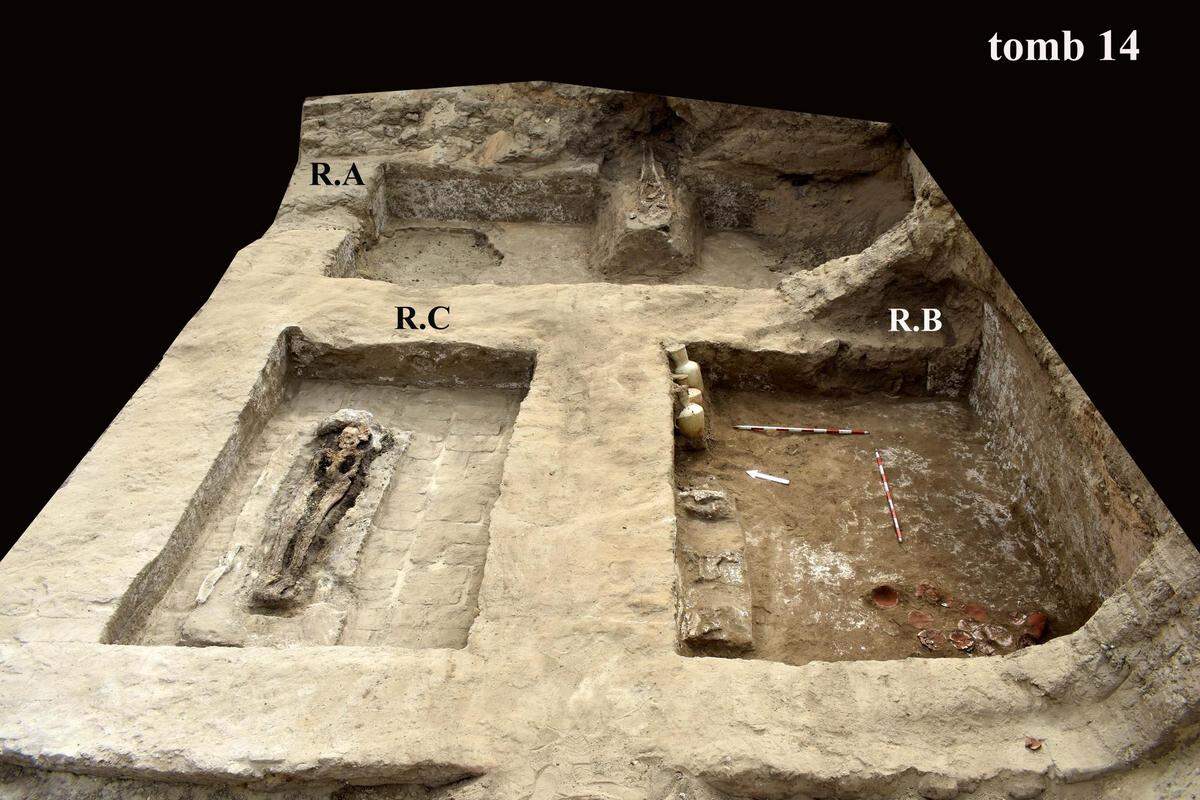
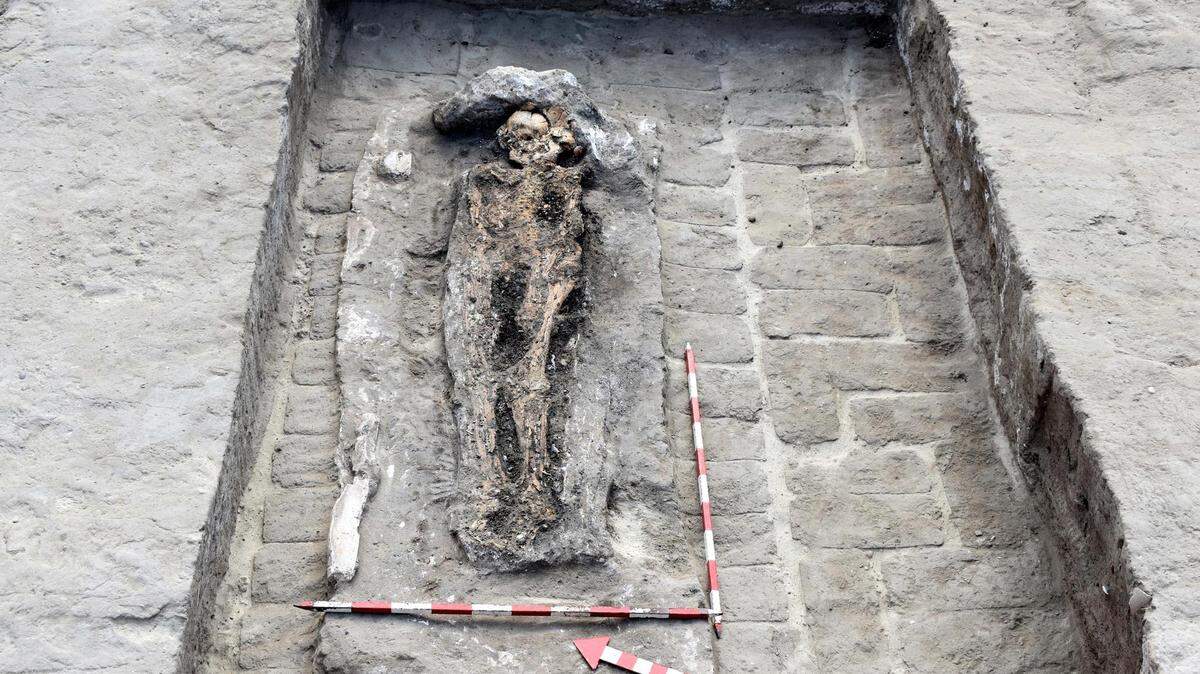
In Ismailia Governorate, Egypt, archaeologists uncovered a 3,100-year-old tomb belonging to a military leader under Ramesses III. The tomb contained bronze tools, arrowheads, alabaster jars and a gold ring, highlighting the leader’s importance. Surprisingly, a second, older skeleton was found, suggesting the tomb was reused. | Published March 21 | Read More |
Hidden paintings discovered under plaster in 13th-century church in France. See them

In Morlaix, France, restorations of the Jacobin convent revealed hidden paintings beneath plaster, dating back to the 13th century. The artwork includes coats of arms and a faded crucifixion scene, offering insights into the region’s noble families. The discovery is part of a larger restoration project to preserve the historic site. | Published March 24 | Read More |
Fossil hunter accidentally uncovers 4,000-year-old ax in Poland. See the discovery
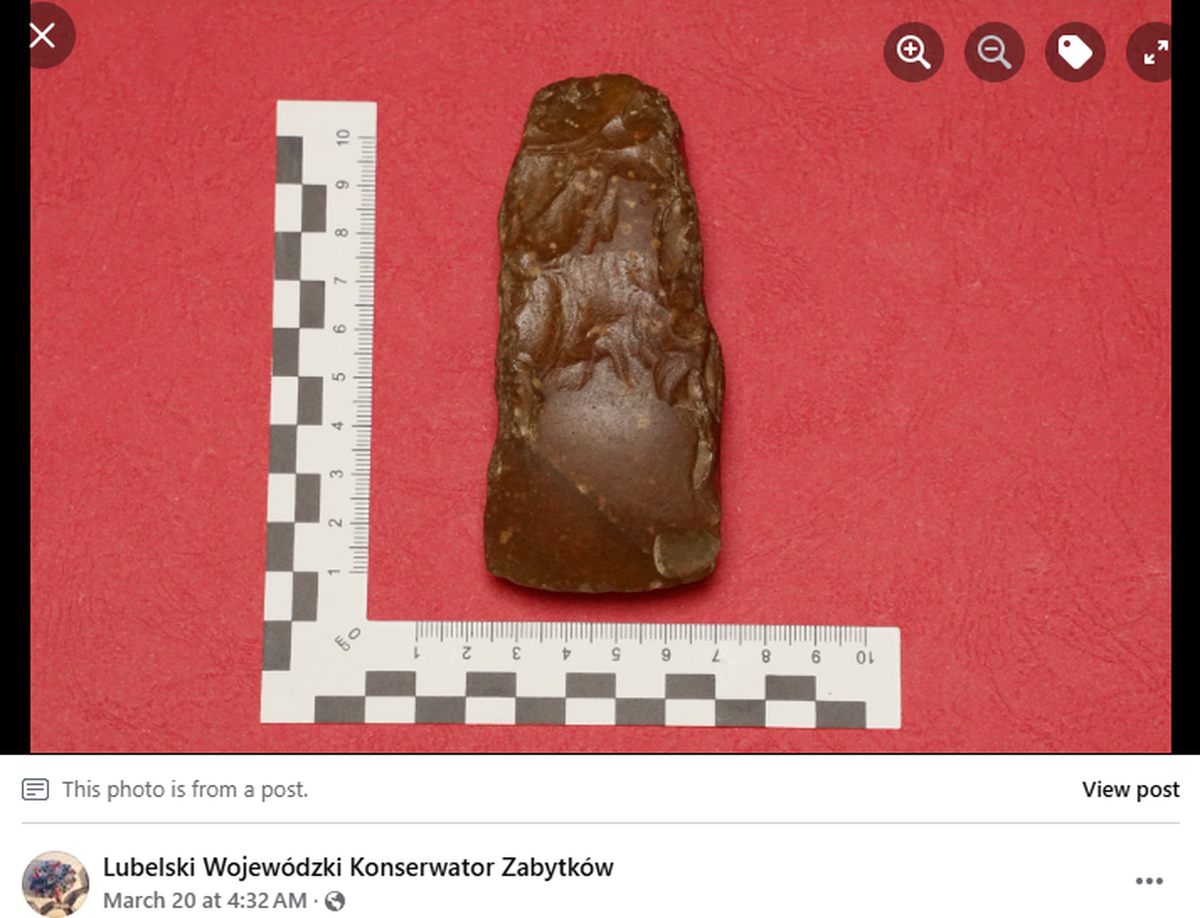
In eastern Poland, a fossil hunter stumbled upon a 4,000-year-old ax head, belonging to the Corded Ware culture. Made of silicon, the ax was well-preserved and offers a glimpse into the tools used by this ancient pastoral-agricultural society. The find adds valuable knowledge to the region’s archaeological collection. | Published March 24 | Read More |
Massive Iron Age hoard — one of largest ever — unearthed in the UK. See the finds
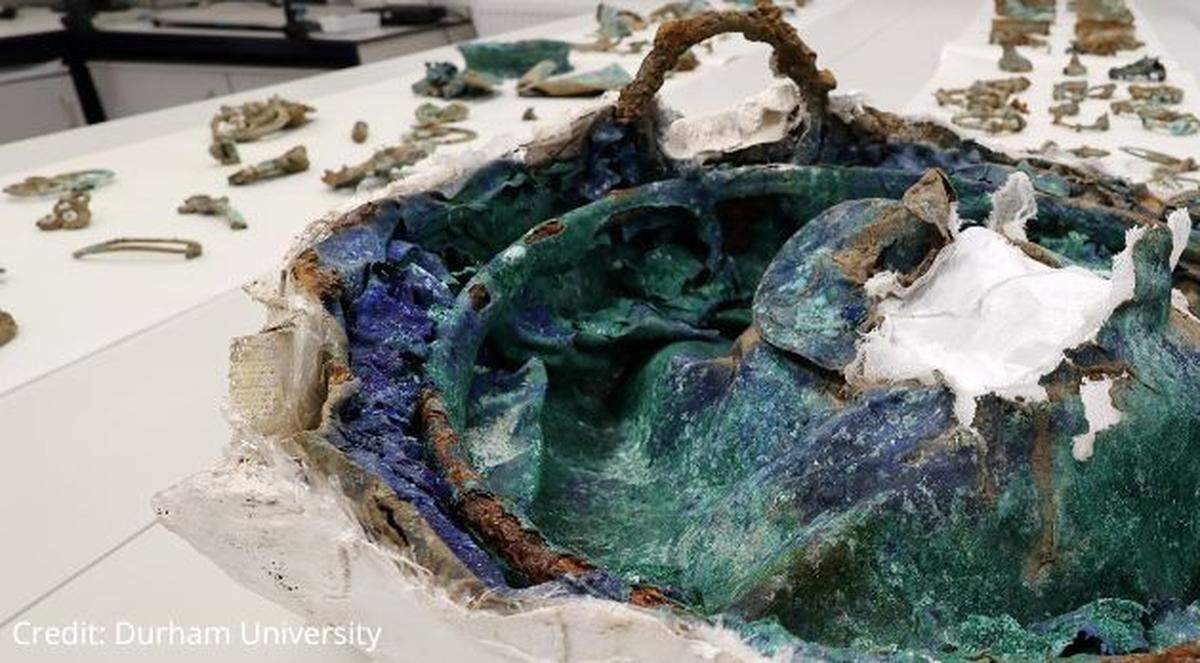
In North Yorkshire, England, a metal detectorist discovered a massive Iron Age hoard, including over 800 objects like chariot pieces and ceremonial spears. The items, many intentionally damaged, suggest displays of wealth and power by the region’s elites. This significant find enhances understanding of Iron Age Britain and its connections to Europe. | Published March 25 | Read More |
Local’s theory about ancient standing stone in UK forest turns out to be true. See it
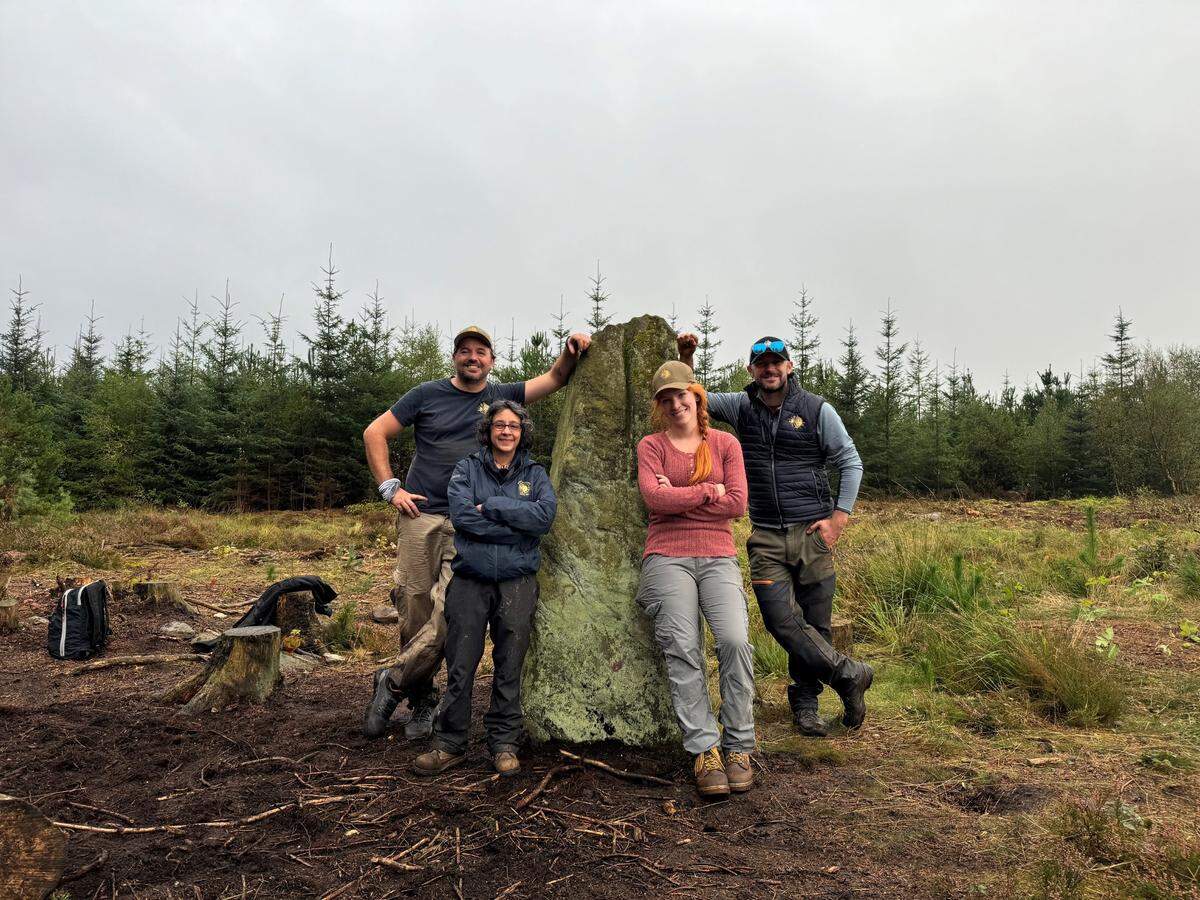
In Farley Moor, UK, a local enthusiast’s theory about a standing stone led to the discovery of a 3,700-year-old ceremonial complex. Archaeologists found evidence of a stone circle and ceremonial platform, revealing the site’s historical significance. This discovery transforms the understanding of the Farley Moor site and its Bronze Age rituals. | Published March 25 | Read More |
McClatchy News continues to follow the discovery of intriguing archaeological discoveries from around the globe. Check back to see the latest finds.
This story was originally published March 28, 2025 at 1:21 PM with the headline "Tombs of military leaders and local’s intuition: See latest archaeological discoveries."