Life-size sculptures — of a possible priestess and her husband — found at Pompeii
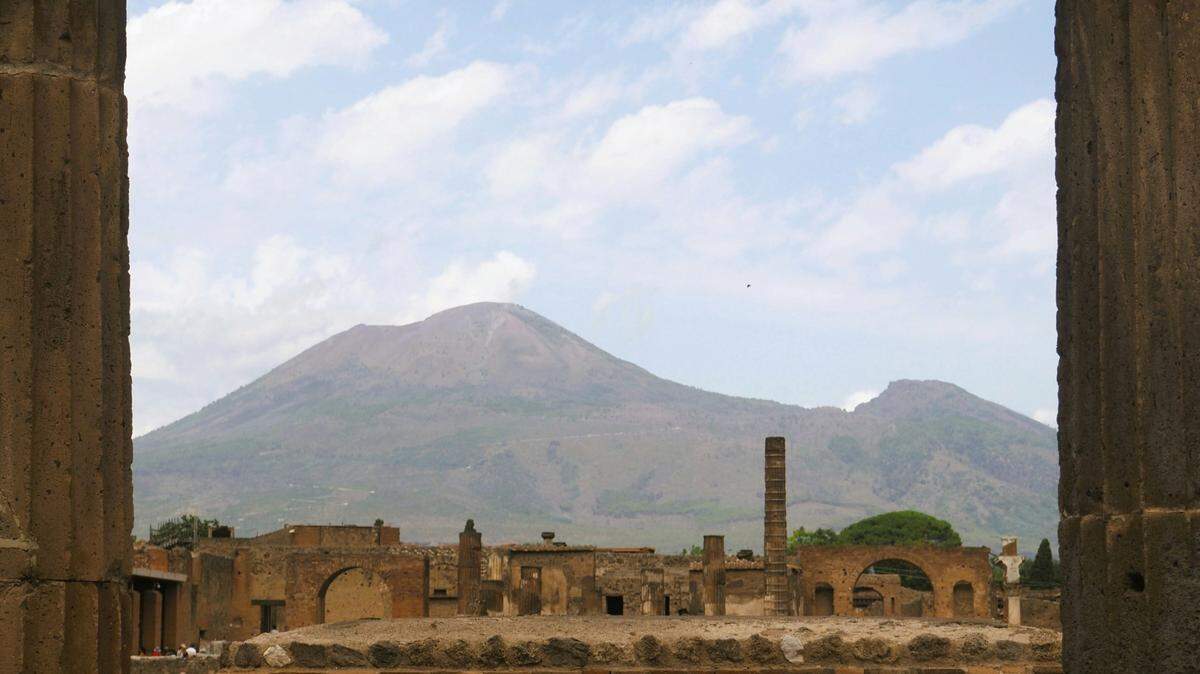
The architecture, artwork and history of Pompeii have been studied and researched for decades, but that doesn’t mean there isn’t still more to learn.
Nearly 2,000 years after a volcanic eruption caused hot ash to blanket the city, construction on railway lines revealed a necropolis in the Porta Sarno region of Pompeii, according to two April 1 news releases from Italy Ministry of Culture.
It was 1998, and despite its discovery, the site would go on to sit without excavation for another two decades, officials said.
More than 50 cremation burials were noted at the time, including those marked by steles and arched funerary monuments, but the rest of the site remained untouched, officials said.
Now, the necropolis has been cleared of ash and stone and the intricacies of the historic burials have been revealed.
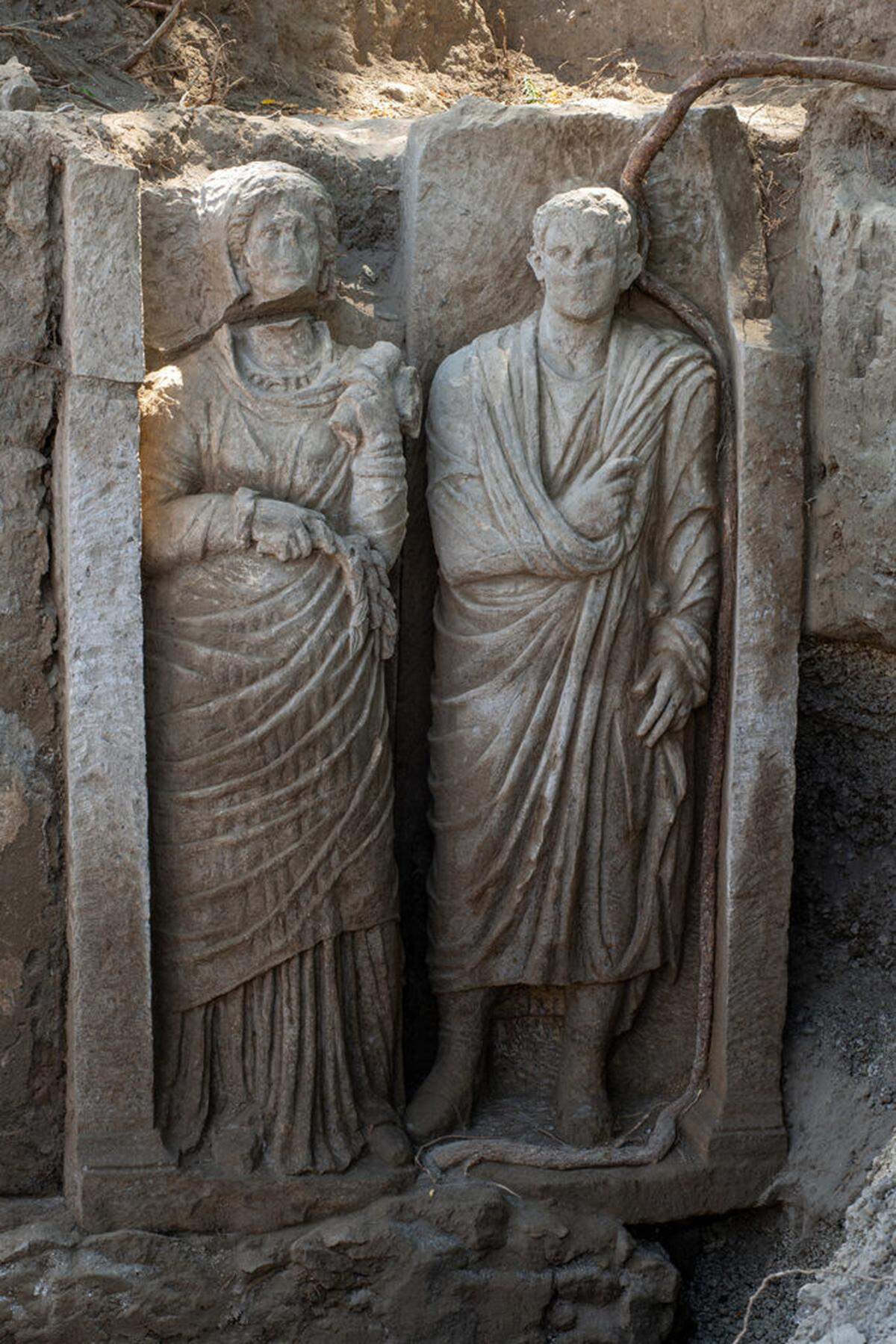
Officials announced the discovery of a funerary relief, or sculpture, that depicts a young married couple, according to the releases.
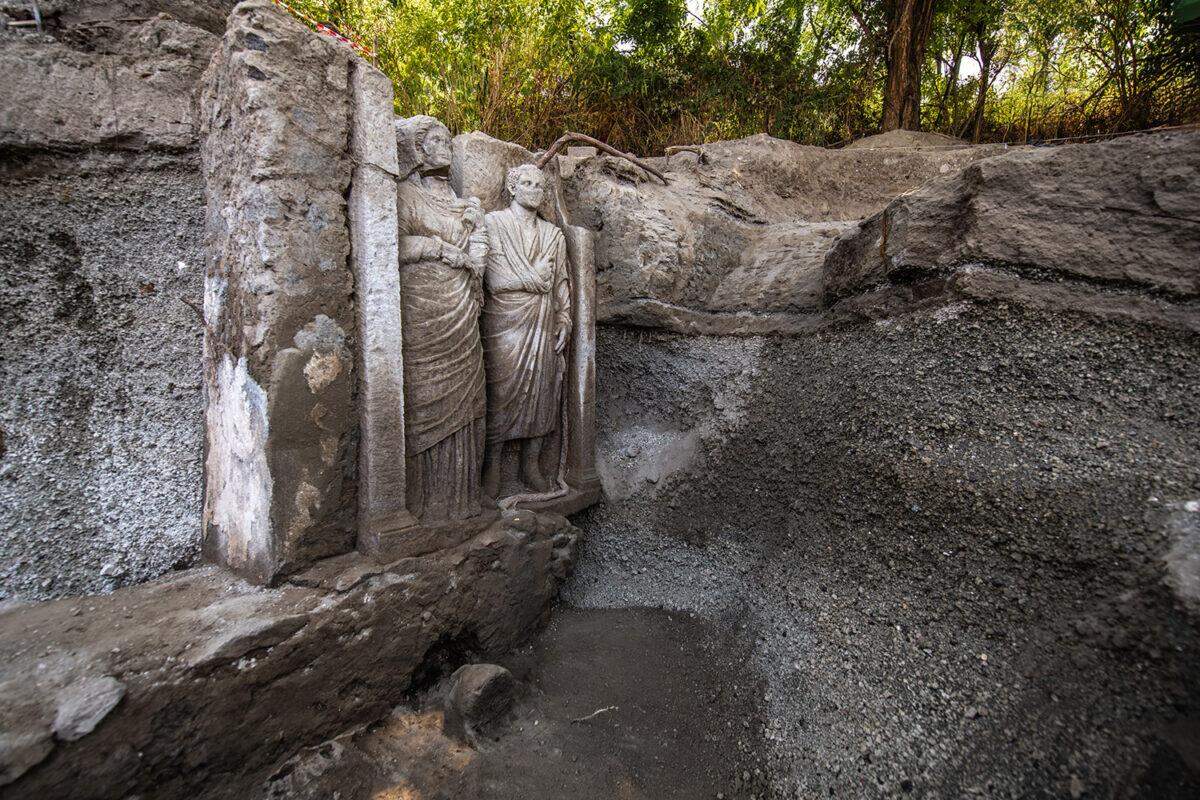
The reliefs are nearly life-size, officials said, and carved into a wall of stone belonging to a monumental tomb.
The quality of the sculptures and their features suggest they were created during the late Republic, a period from 133 to 31 B.C., marking the last period before the rise of Rome’s first emperor.
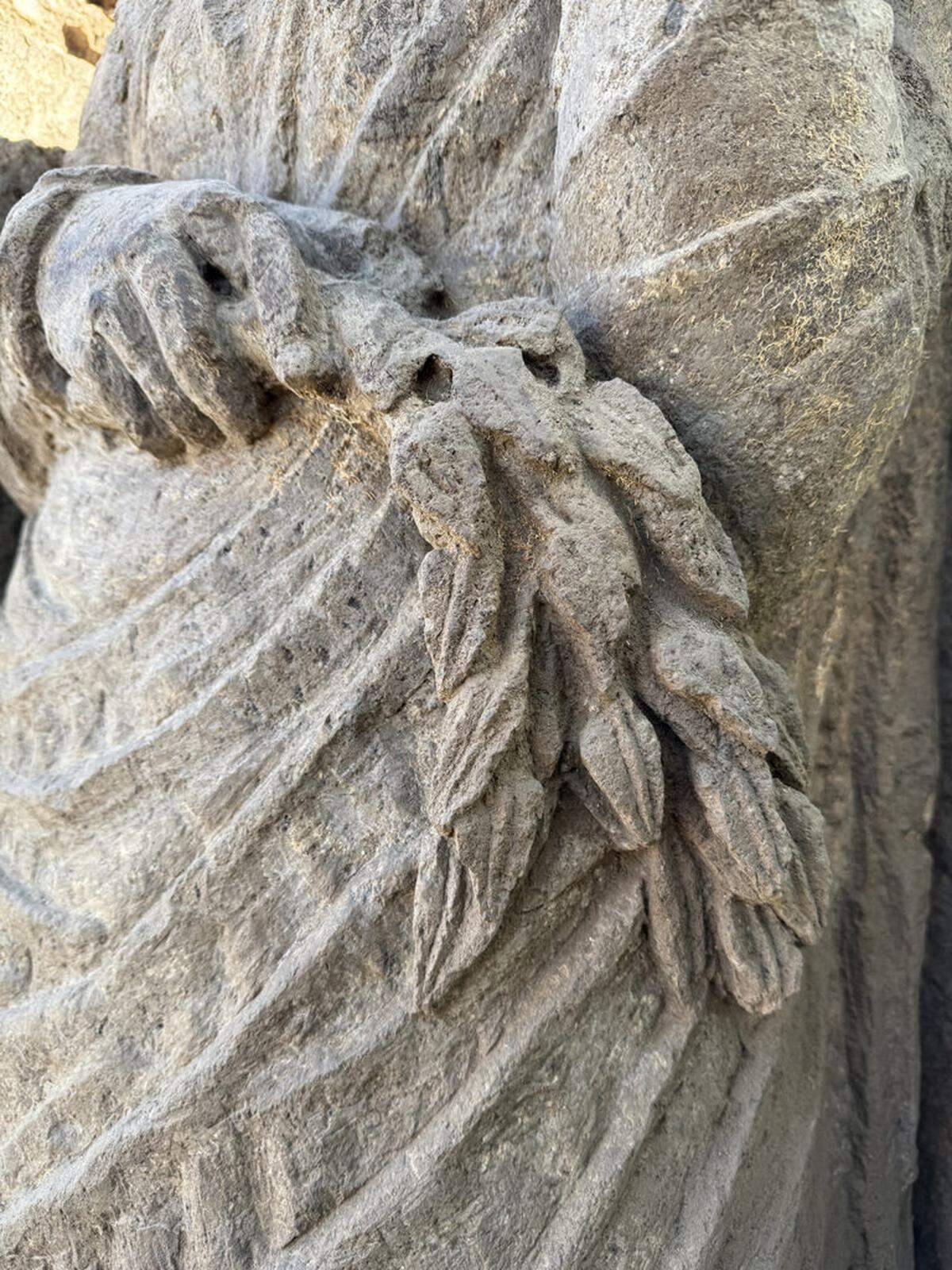
Archaeologists also noted the carved accessories on the wife’s body, according to the releases, along with the elaborate nature of the tomb.
The items suggest she was a priestess of Ceres, officials said.
Priestesses of Ceres, or sacerdotes Cereris, were women who devoted their lives to the worship and work of Ceres, goddess of harvest and agriculture.
They were some of the only public priestesses, and therefore typically came from prominent families and were regarded as being of “respectable descent and reputation,” according to the University of Amsterdam.
Archaeologists said the carvings were excavated and then relocated, and will be included in an exhibit highlighting the life of women in ancient Pompeii.
Pompeii is in southwestern Italy, along the coast of the Mediterranean Sea.
Google Translate was used to translate the news releases from the Ministry of Culture.
This story was originally published April 2, 2025 at 5:56 PM with the headline "Life-size sculptures — of a possible priestess and her husband — found at Pompeii."