Ritualistic burials of teenagers — 5,000 years old — found in Turkey. Who were they?
Throughout human history, the leaders of society have ranged from nomadic egalitarians to pharaohs and emperors.
Ancient communities of equals have seen the same success as those led by a king, but as time goes on, each form of governance eventually changes.
The area of modern-day Turkey during the Bronze Age was understood to be a “small-scale, egalitarian setting,” but new analysis of 5,000-year-old burials shed doubt on this conclusion — and raise more questions than answers.
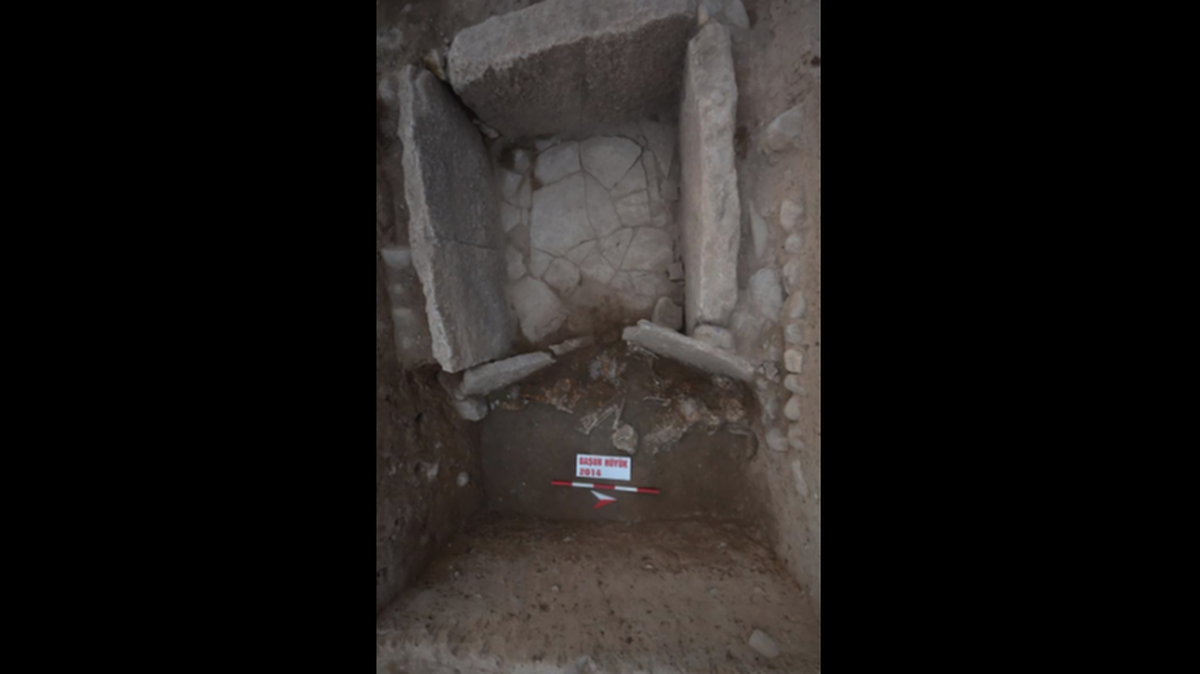
Başur Höyük is a site from the early Bronze Age located in Siirt, Turkey, that dates to the late fourth and early third millennia B.C., according to a study published March 17 in the peer-reviewed Cambridge Archaeological Journal.
The site is considered a “gateway” settlement in an obsidian-rich region near converging rivers, acting as a “transit point” for copper and other resources from the highlands to make their way south to Mesopotamia’s lowlands, according to the study.
When a nearby political system collapsed between 3100 and 2800 B.C., Başur Höyük “became a focus for the performance of conspicuous and sometimes violent funerary rites,” researchers said.
In the new study, researchers analyzed subsidiary burials, or the remains of people that were buried near or around a central burial.
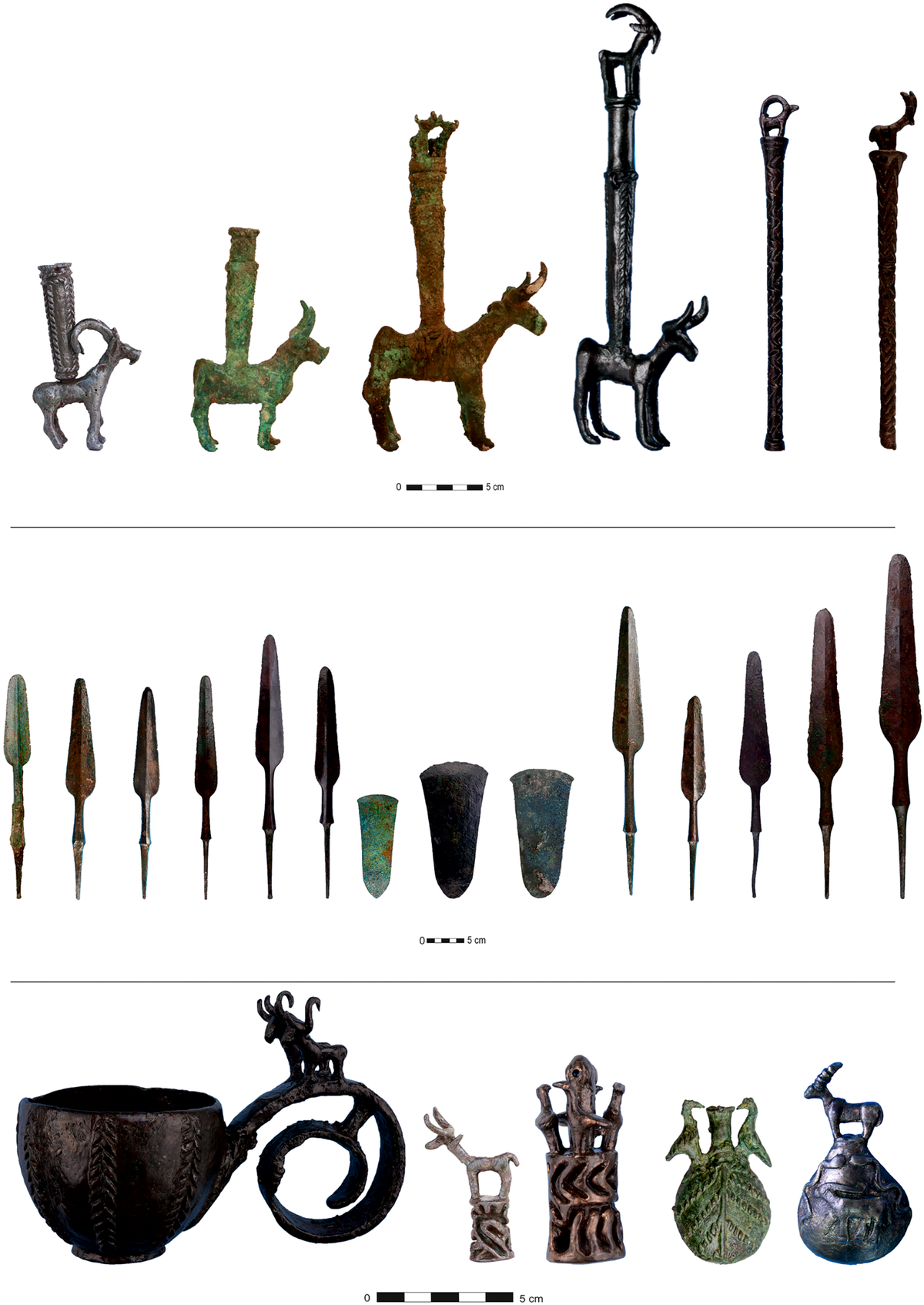
The burials were described as “impressive” and filled with tons of high-value goods like weapons, animal-topped amulets, sceptres, goblets, medallions and stone playing pieces, researchers said.
But the more intriguing features of the burials are the human bones.
“Based on skeleton fusion and dentition, they are identified mainly as adolescents aged between 12 and 16 years,” researchers said. “For instance, two individuals buried in a richly endowed stone tomb are estimated to have been 12 years old at time of death, while the eight subsidiary burials crammed against its entrance in Grave 17 ranged from 12 to 18 years.”
The bones showed “penetrating” blows to the head as likely causes of death, and one burial had “staggering quantities of metalwork” including textile pins and more than 100 spearheads, according to the study.
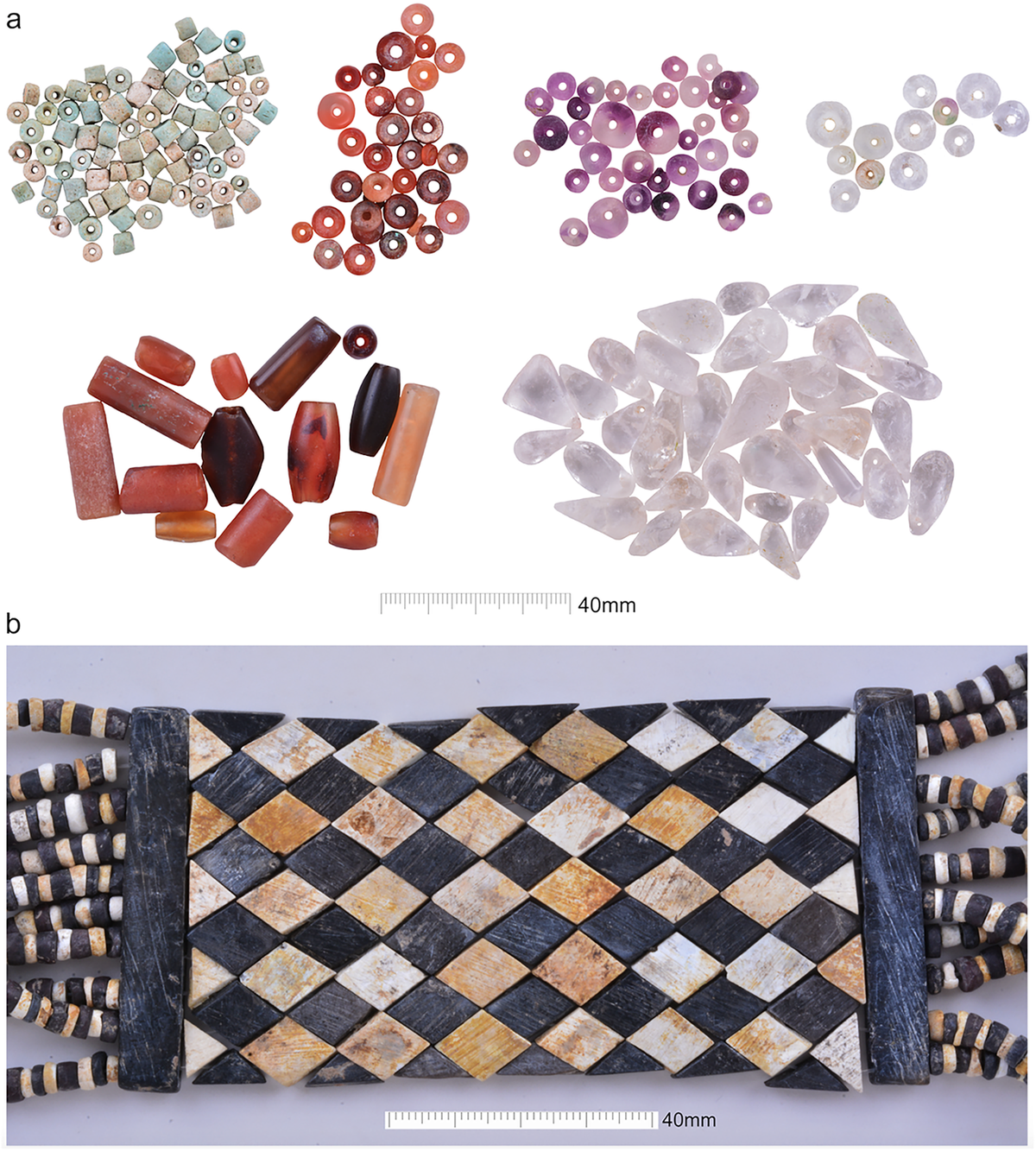
“All the bodies associated with this grand burial rite were clothed in elaborate costumes, decorated with non-local materials, of which only the associated beadwork and fragments of textile survive, along with metal fastening pins, some of which reached outsized proportions for a human wearer,” researchers said.
As researchers hoped to establish the biological relationships between the teenagers likely sacrificed together, they found that a significant portion of the bodies belonged to teen girls, suggesting a male warrior cult or initiation was unlikely.
“The fact that they are mostly adolescents is fascinating and surprising. It highlights how little thought scientists and historians have really given to the importance of adolescence as a crucial state in the human life cycle,” lead author David Wengrow told LiveScience. “So we are dealing with adolescents brought together, or coming together voluntarily, from biologically unrelated groups to carry out a very extreme form of ritual.”
However, why they were sacrificed is still a mystery.
When the burials were first discovered, archaeologists thought they may have belonged to young royals who then sacrificed their attendants. But with additional research suggesting Başur Höyük wasn’t a king-based society, it now seems more likely that they were buried together because of their age, and they may not be directly associated, Wengrow told the outlet.
“Much more likely, what we see in the cemetery is a subset of a larger group, other members of which survived the ritual process and went on to full adulthood,” Wengrow told LiveScience.
Siirt is in southeastern Turkey, near the borders of Syria and Iraq.
The research team includes Wengrow, Brenna Hassett, Haluk Sağlamtimur, William Marsh, Selina Brace, Suzanne E. Pilaar Birch, Emma L. Baysal, Metin Batıhan, İnan Aydoğan, Öznur Özmen Batıhan and Ian Barnes.
This story was originally published March 28, 2025 at 12:01 PM with the headline "Ritualistic burials of teenagers — 5,000 years old — found in Turkey. Who were they?."