Remains of legendary German outlaw on display for 220 years. It was the wrong body
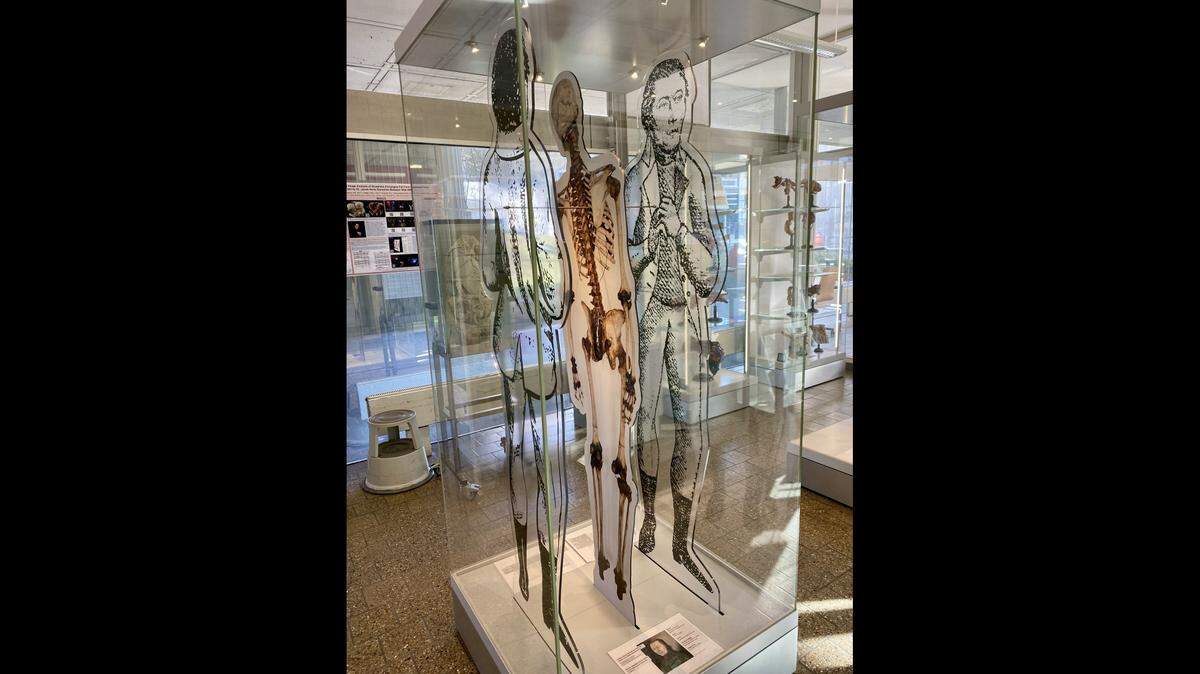
A centuries-old museum mix-up has been revealed in Germany after modern technology helped identify human remains — and prove it was the wrong body.
Johannes Bückler, known by the name “Schinderhannes,” was a legendary outlaw from the late 18th century, and his body was thought to be displayed in an exhibit at the Anatomical Collection of Heidelberg University, researchers said in a study published March 22 in the peer-reviewed journal Forensic Science International, Genetics.
Now, a genetic investigation of his body shows it’s not Bückler at all.
At least 211 crimes were attributed to Bückler over the course of his life, ranging in severity from theft and robbery to extortion and murder, according to the study.
Bückler met fellow professional criminal Christian Reinhard, known by the name “Schwarzer Jonas,” or “Black Jonas,” in 1799 when the two teamed up to hit grocer’s wagons and commit a slew of other burglaries, extortions and robberies, researchers said.
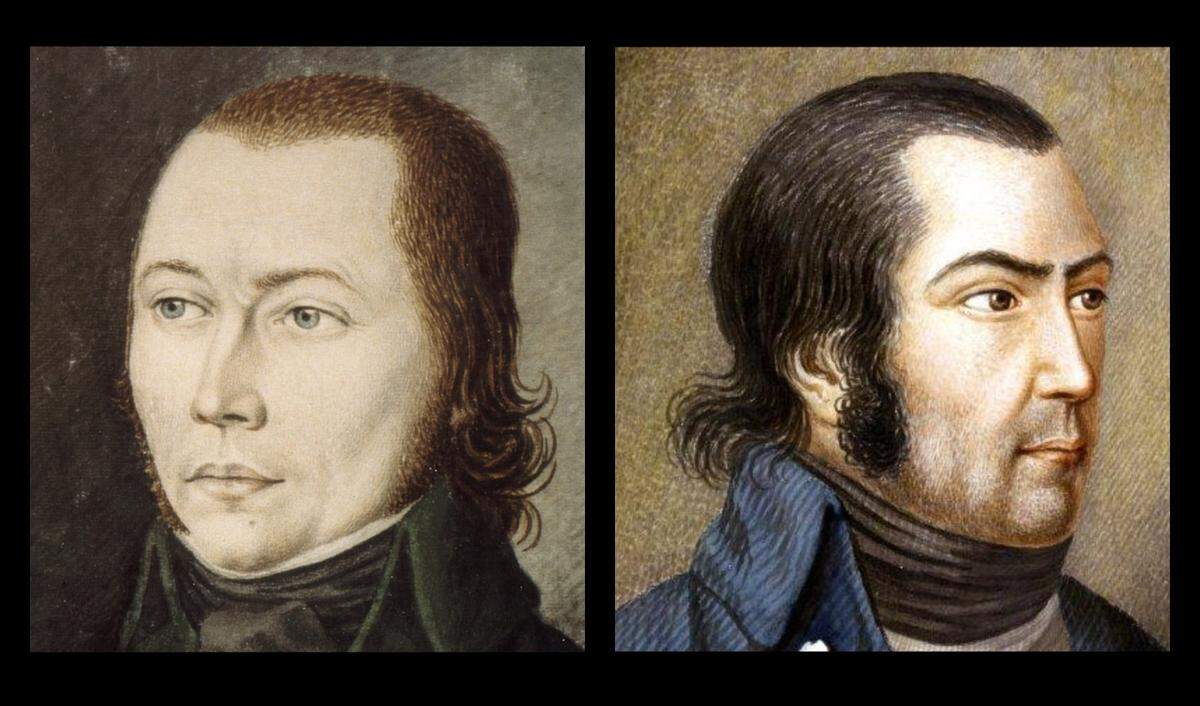
Two facts of Schinderhannes’ history would later become essential to his body’s future. First, in an argument between Black Jonas and Schinderhannes, Jonas is reported to have broken Schinderhannes’ arm. Second, during a short stint in custody in a German tower, Schinderhannes escaped by jumping from a second story and injuring his leg, according to the study.
A few years after they met, Schinderhannes and Black Jonas were apprehended with a group of criminals in Mainz, which fell under the jurisdiction of France at the time, researchers said, and the two bandits were sentenced to death.
On Nov. 21, 1803, Schinderhannes and Black Jonas were executed by guillotine, and their bodies were handed off to the first chair for Anatomy at Heidelberg University, researchers said.
Their bodies would stay there for the next 220 years, or so museum officials thought.
When researchers conducted an isotopic analysis — a kind of testing that can identify a place where someone spent their childhood and later years based on elements found in their environment — they found that they didn’t match the historical records, according to a March 24 news release from Heidelberg University.
Chemical analysis of the bones and radiological imaging then looked at the age, gender and medical history of the remains, researchers said, again suggesting the bones did not belong to who they claimed.
Then, the genetic information of a fifth-generation descendant of Schinderhannes was compared with the bones thought to belong to the outlaw, and it seemed unlikely they came from the same family.
The results were a match for the bones labeled “Black Jonas,” the university said. But who is the other skeleton?
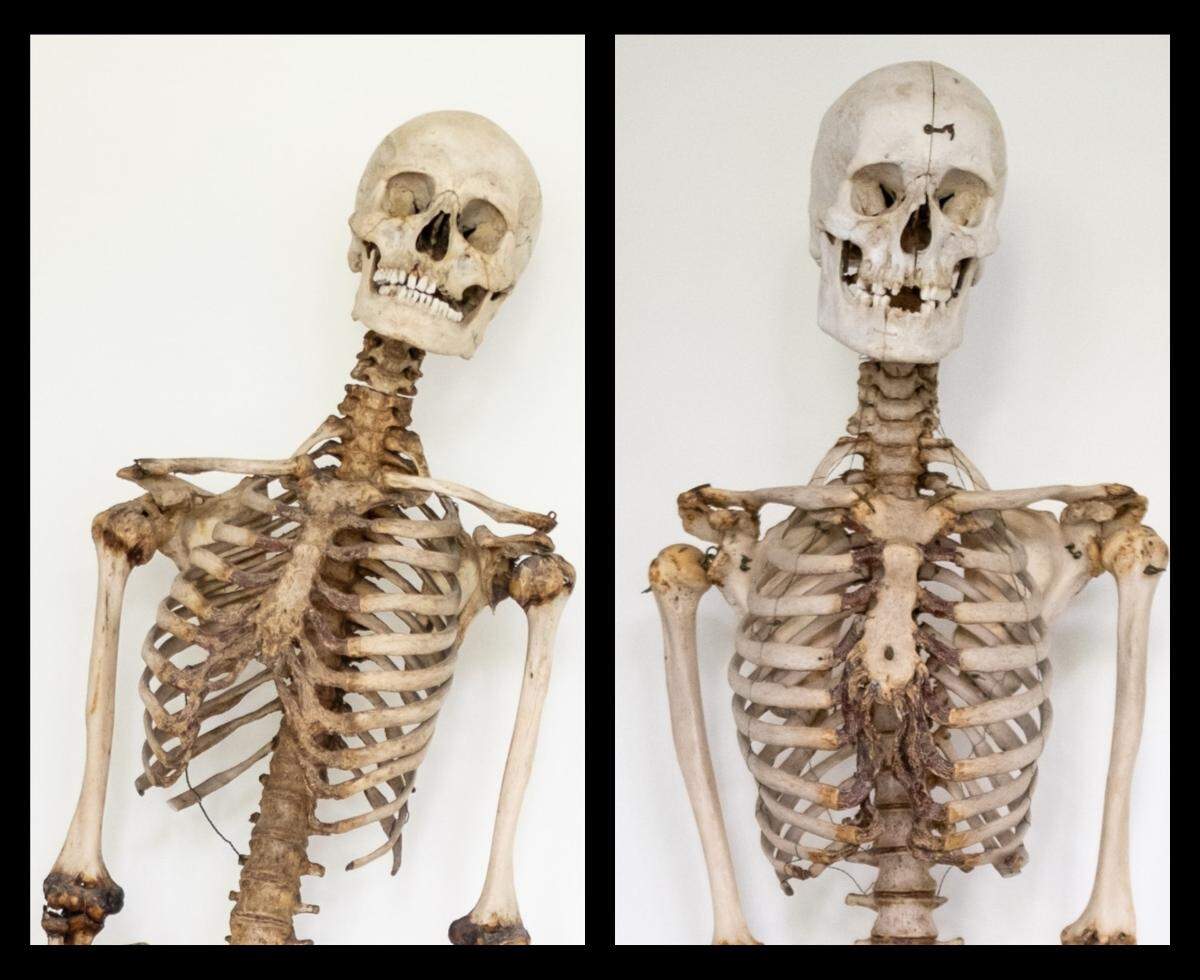
Sometime between when their heads were separated from their bodies, Schinderhannes and Black Jonas were mixed up, the museum said, resulting in their remains being misidentified for centuries. Schinderhannes was still there in the museum, just under the wrong name. Black Jonas is now considered missing.
“This study resolves a long-standing scientific and public debate regarding the potential mismatching of the skulls and postcranial skeletons, and whether none of the remains belonged to Schinderhannes,” according to the study. “After 200 years, the remains of the infamous outlaw Schinderhannes have been definitively identified, while the identity of the second skeleton remains unknown.”
The bones have been removed from the museum exhibit for conservation purposes, staff said, but the mystery of the missing Black Jonas skeleton remains ongoing.
Heidelberg is in southwestern Germany, near the eastern border of France.
Google Translate was used to translate the news release from Heidelberg University.
This story was originally published March 26, 2025 at 3:08 PM with the headline "Remains of legendary German outlaw on display for 220 years. It was the wrong body."