Local’s theory about ancient standing stone in UK forest turns out to be true. See it
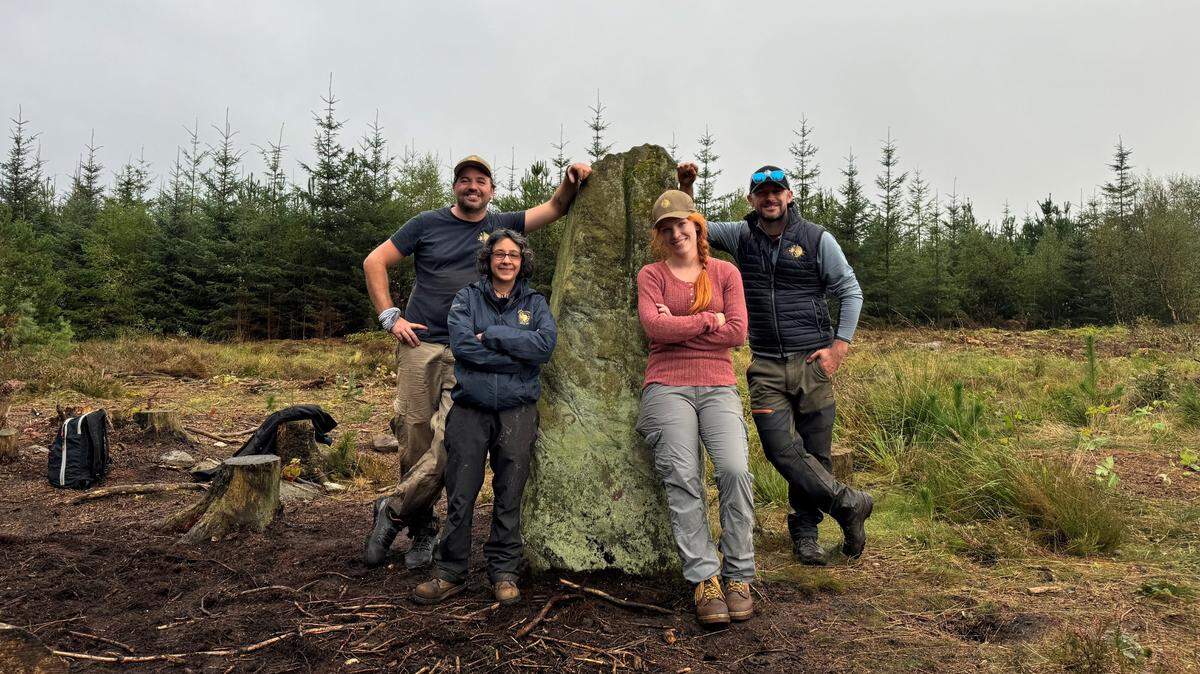
In a forest of the United Kingdom sits an ancient standing stone. For years, many believed the green-gray slab was just an “isolated monument,” but no one had investigated — until now.
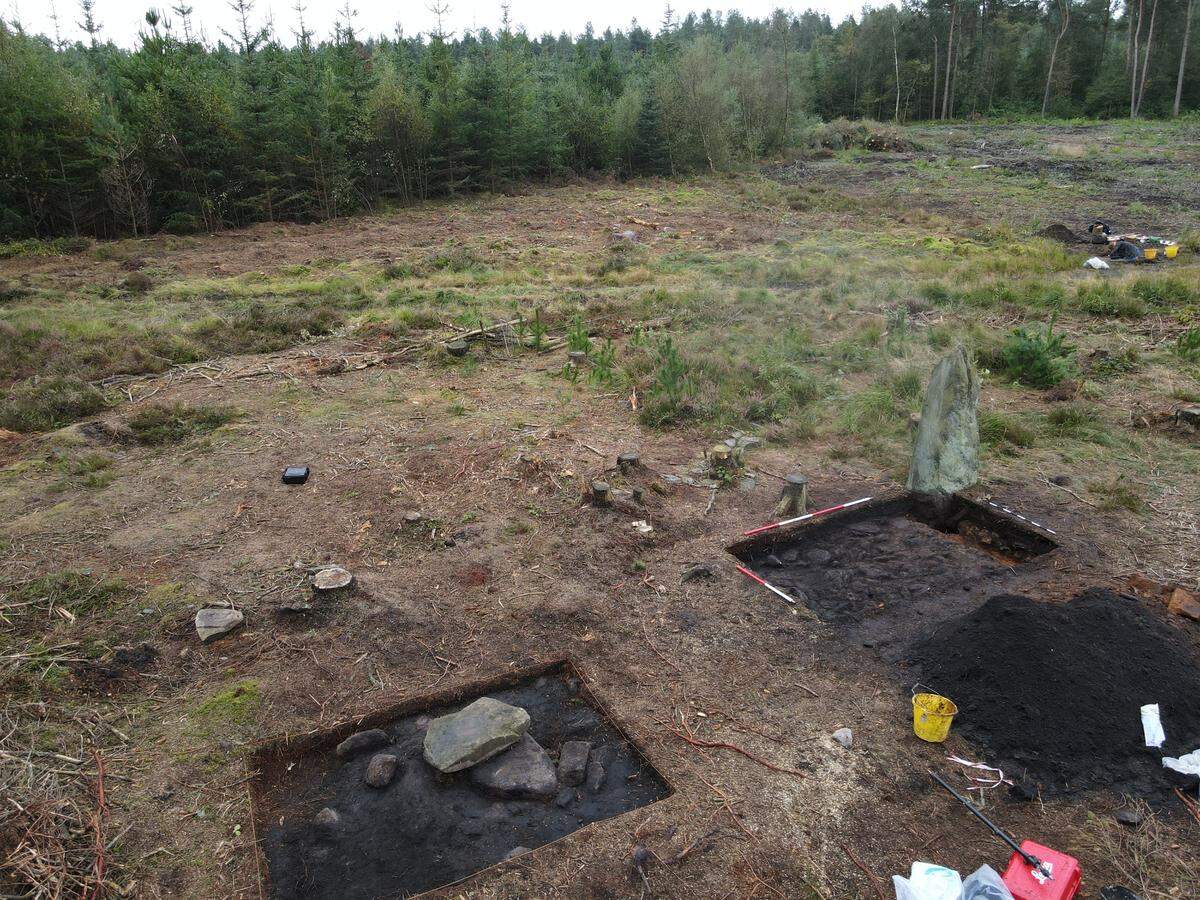
George Bird, a “local archaeology enthusiast,” had a theory about the Farley Moor standing stone. He suspected this decent-sized, slightly pointed, moss-covered rock in Farley Moor forest “might be part of a larger monument,” Forestry England said in a March 22 news release.
Bird’s theory caught the interest of the Time Team, a decades-long British television program focused on archaeology, which decided to investigate the site with radar scans, excavations and radiocarbon dating, according to a March 22 episode shared on YouTube.
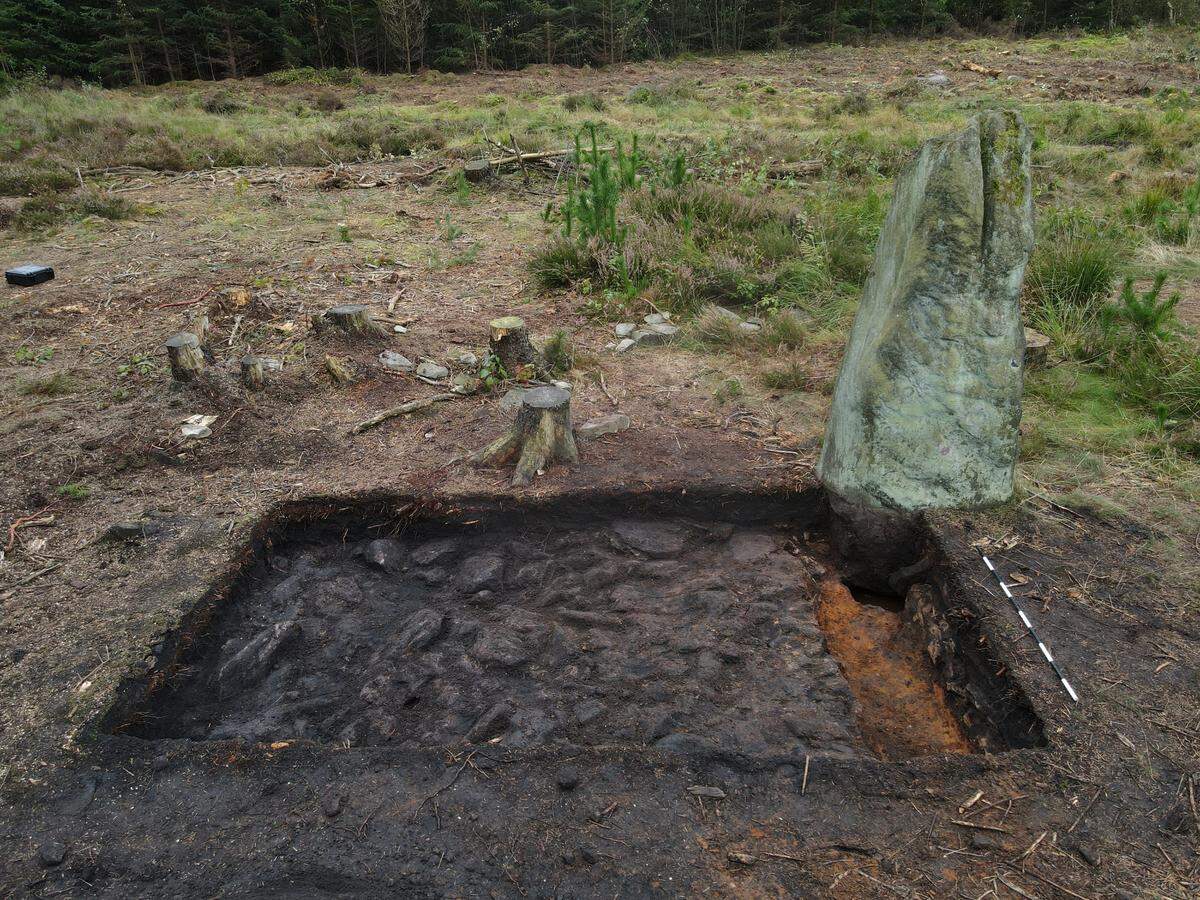
The more archaeologists looked around the Farley Moor standing stone, the more ruins they found, officials said.
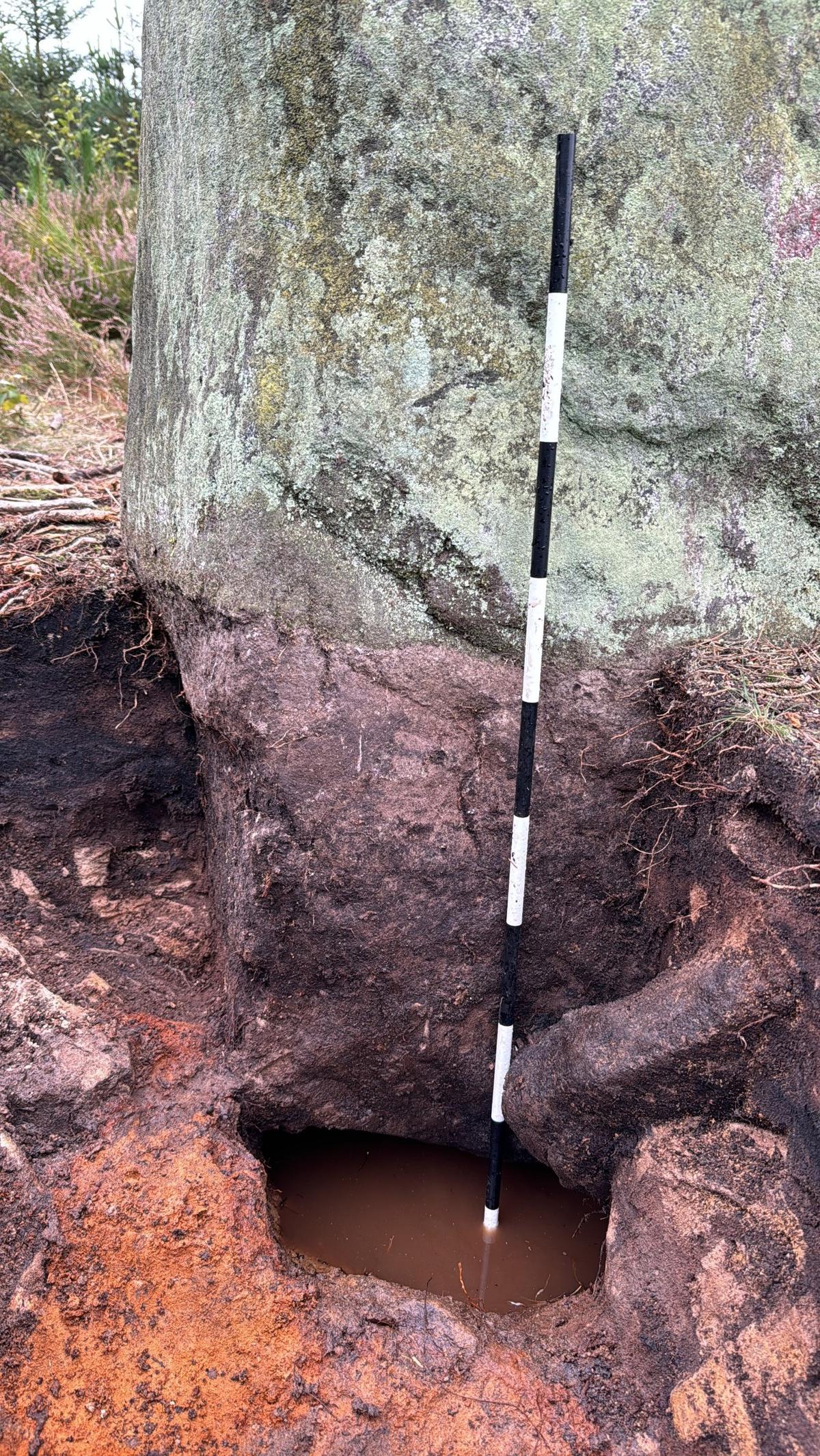
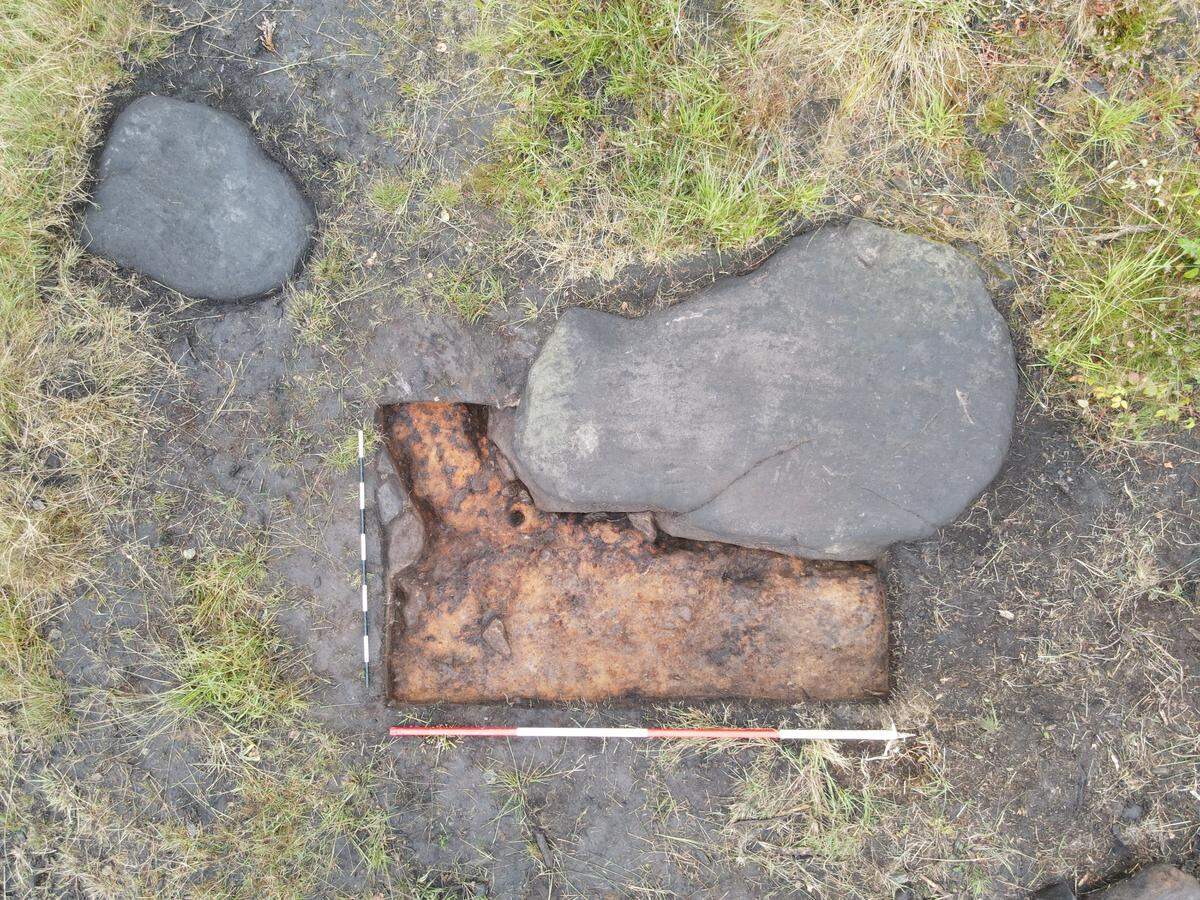
While digging near the standing stone, the team unearthed “evidence of a ceremonial platform,” officials said. Directly below the standing stone, they found a “natural spring.” Photos show these previously hidden features.
Further away from the standing stone, archaeologists found traces of several more standing stones, indicating the site once had a “stone circle” measuring about 80 feet across, officials said.
Archaeologists concluded Bird’s theory was right. The Farley Moor standing stone was part of a 3,700-year-old ceremonial complex, officials said.
“Stone circles and henges are amongst the most common ceremonial monuments of the second and third millennia B.C.,” or the Bronze Age, officials said. “The newly discovered Farley Moor stone circle is one of 25 other stone circles in the Peak District,” the surrounding national park.
“This discovery is hugely significant and transforms our understanding of the Farley Moor site,” Lawrence Shaw, the department’s lead historic environment adviser, said in the release. “What we’ve uncovered is evidence of a much more complex ceremonial landscape.”
“The stone platform predates the standing stone itself,” Shaw said, “suggesting continuous ritual use of this site over hundreds of years, strongly linked to the water and the importance it held for Bronze Age communities.”
Archaeologists hope to continue excavations at the Farley Moor ceremonial site next summer, officials said.
“It’s a dream come true to get to work on such a significant prehistoric monument,” Derek Pitman, an archaeology and anthropology professor with Bournemouth University, said in the release.
Farley Moor National Forest is in Matlock and a roughly 150-mile drive northwest from London.
This story was originally published March 25, 2025 at 2:49 PM with the headline "Local’s theory about ancient standing stone in UK forest turns out to be true. See it."