Hidden paintings discovered under plaster in 13th-century church in France. See them
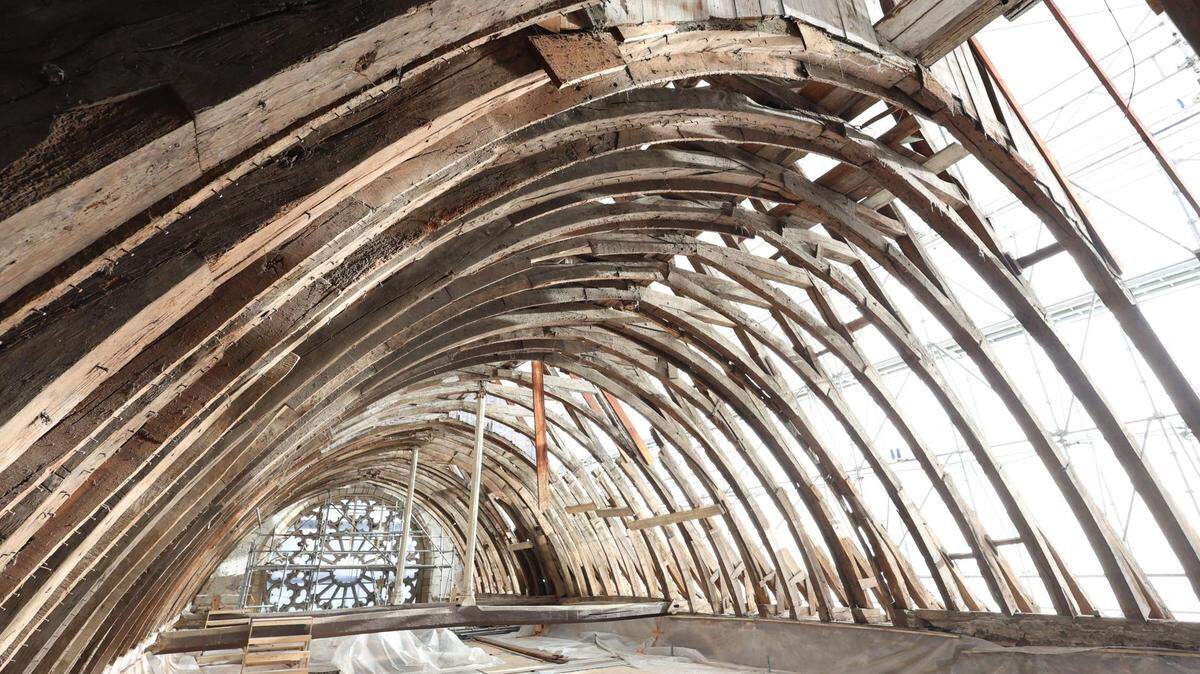
On the northwestern tip of France where the English Channel meets the Celtic Sea, the inlet city of Morlaix traces its history to the Romans.
The city was later passed between the lords and dukes of the era, eventually falling under power of the English in 1187 and then again in 1522.
But during the 13th century, Morlaix residents built a church and later a convent, and this building stands today as the oldest religious monument in the city.
Now, restorations of the Jacobin convent have revealed never-before-seen artwork dating back centuries, according to a March 21 news release from the French National Institute for Preventive Archaeological Research.
Researchers, archaeologists and historians began studying the building in September as part of the Musée des Jacobins restoration project, according to the institute.
The research began with graphic documentation from topographers and photogrammetrists and with an analysis of historical written and graphic documents, officials said.
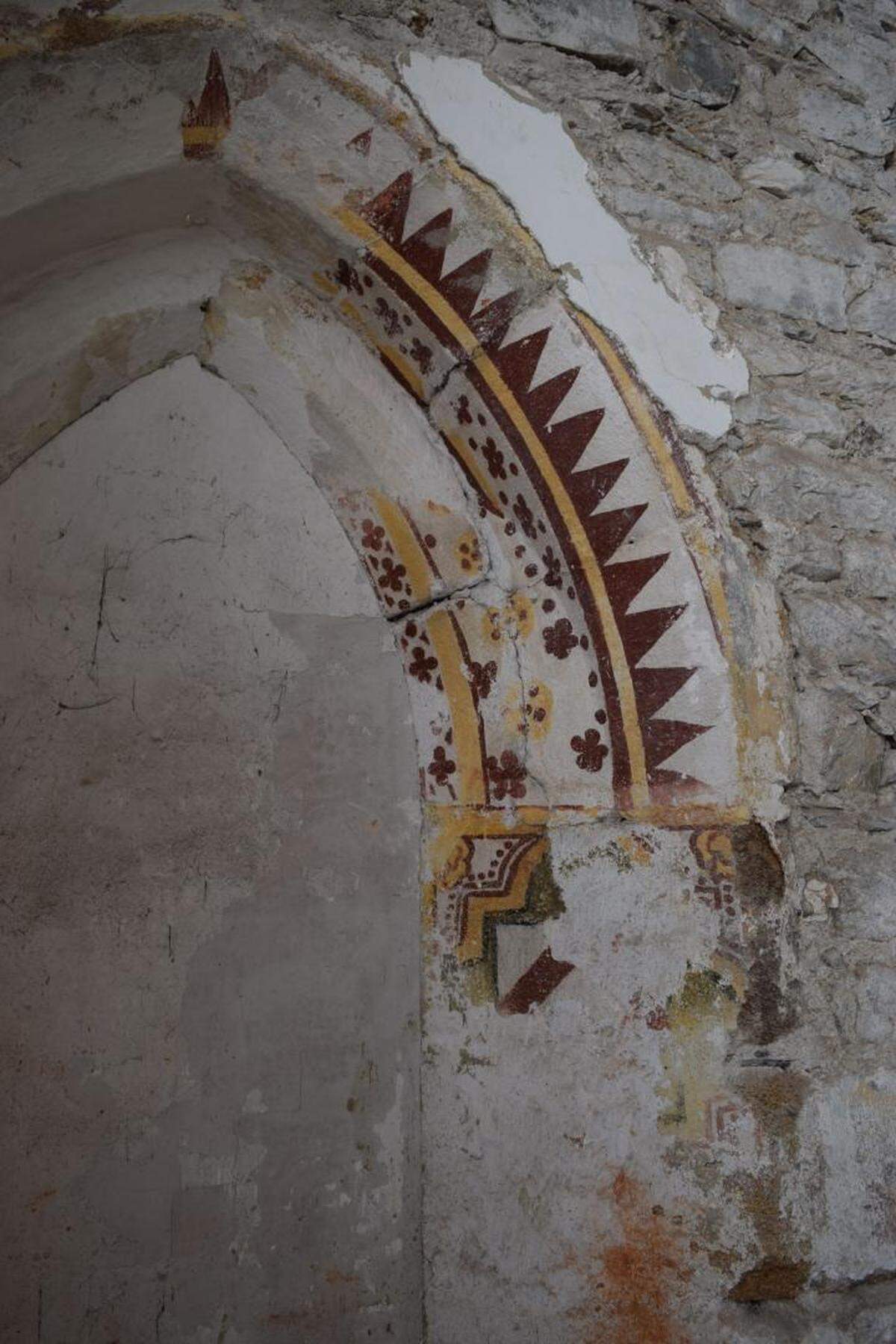
The entire building was built in three major phases, researchers said, the first of which started in the mid-13th century and included the original nave of the church. The convent was founded in 1234, and this section includes a simple rectangular plan with arched bays.
The second phase occurred in the 14th century when there were significant modifications to the building, according to researchers.
Workers added an aisle that separated the nave from the choir, and large arches and octagonal pillars formed the barrier, researchers said. In order to make this change, the north wall was demolished, part of significant changes documented in written sources in 1342 and 1371.
The third stage included the addition of a chapel which formed a transept-like structure on the north side, according to researchers. At the top of the chapel, the coat of arms of the Dukes of Brittany was painted, or possibly that of Anne of Brittany, the Duchess.
As they worked their way through the analysis for restoration, however, they noticed traces of polychromy, or use of multiple colors, in several areas and paint appearing behind layers of plaster, according to researchers.
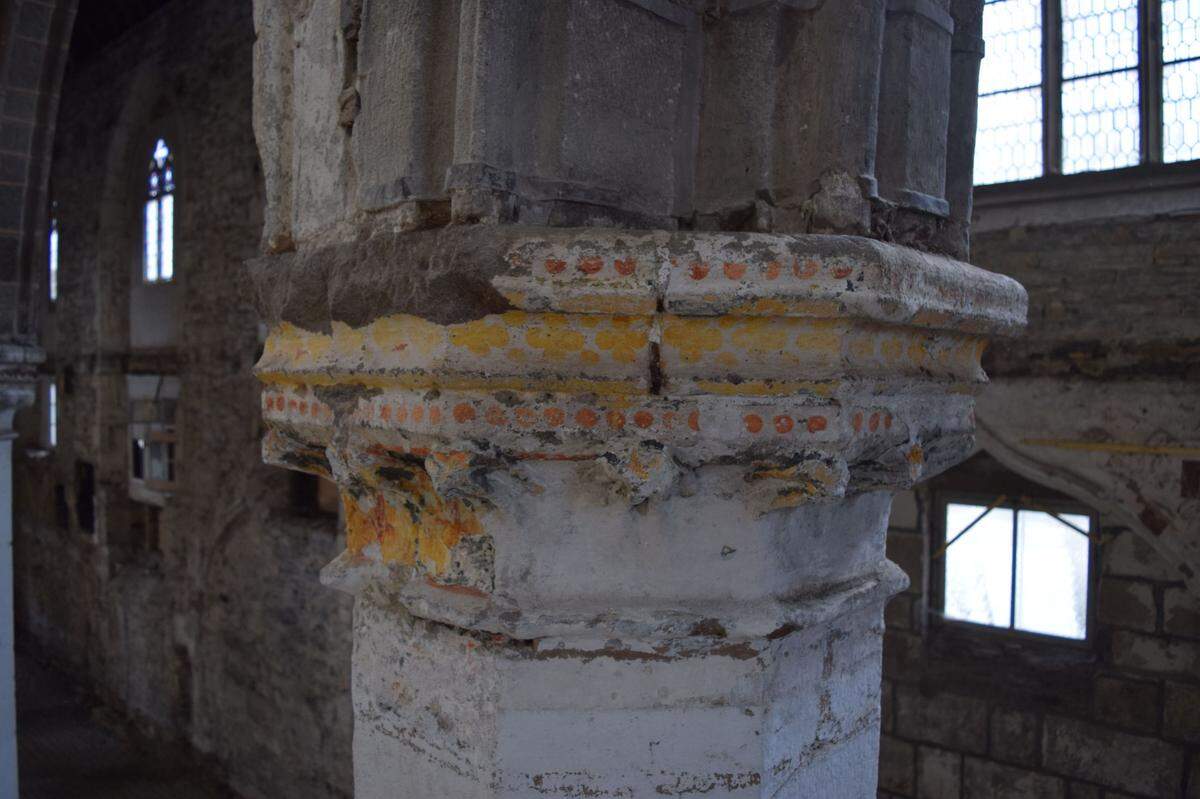
Multiple burial niches were also found when researchers removed modern plasterwork, including triangular decorative elements, according to the release.
Other coats of arms were found painted atop pillars and on frames, officials said, from at least four different families. The coats likely all belonged to noble families wishing to make their marks in a religious space, according to the researchers.
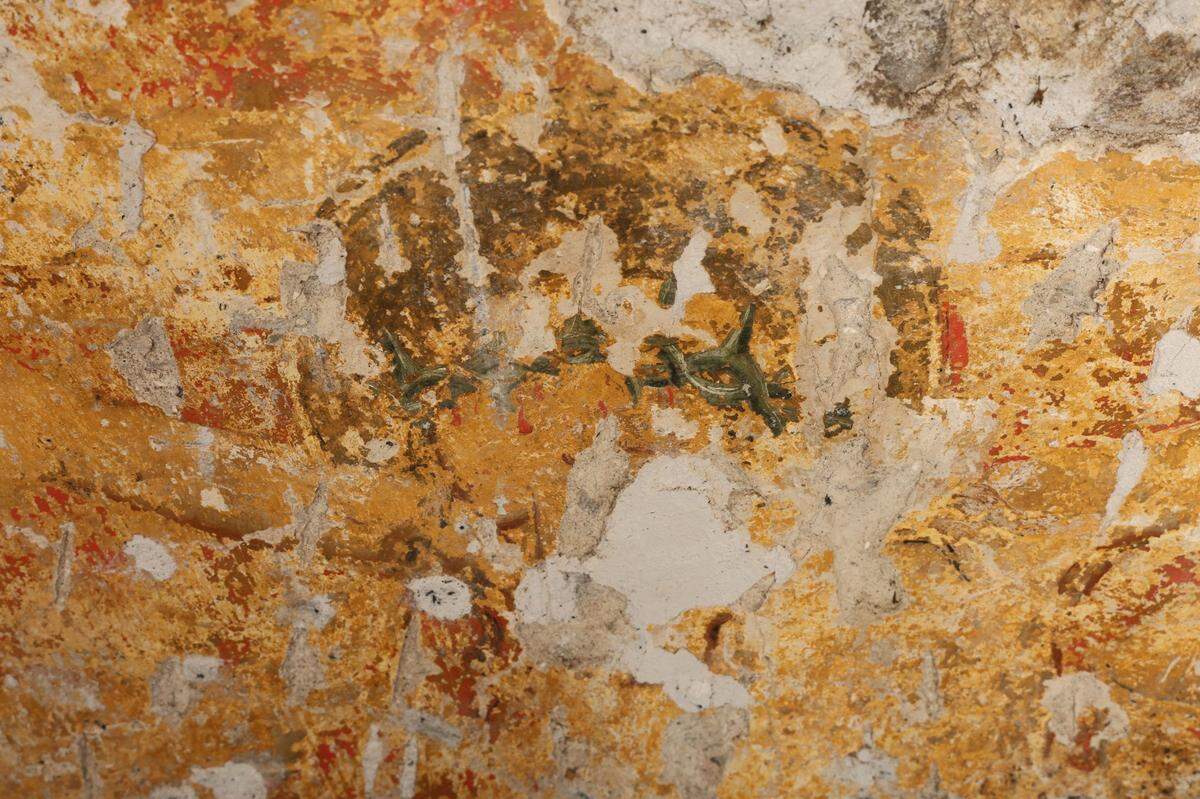
Notably, a very faded painting of the crucifixion scene with Jesus on the cross was also uncovered, the image of his crown of thorns sticking out from an orange and yellow backdrop. The figure of Christ is accompanied by two others, one of which appears to be a kneeling knight, officials said.
The paintings are being studied, and will be restored as part of the larger building project, according to officials.
Google Translate was used to translate the news release from the French National Institute for Preventive Archaeological Research.
This story was originally published March 24, 2025 at 6:20 PM with the headline "Hidden paintings discovered under plaster in 13th-century church in France. See them."