1,200-year-old graves reveal ‘rise of the nomad kings’ in Djibouti. Take a look
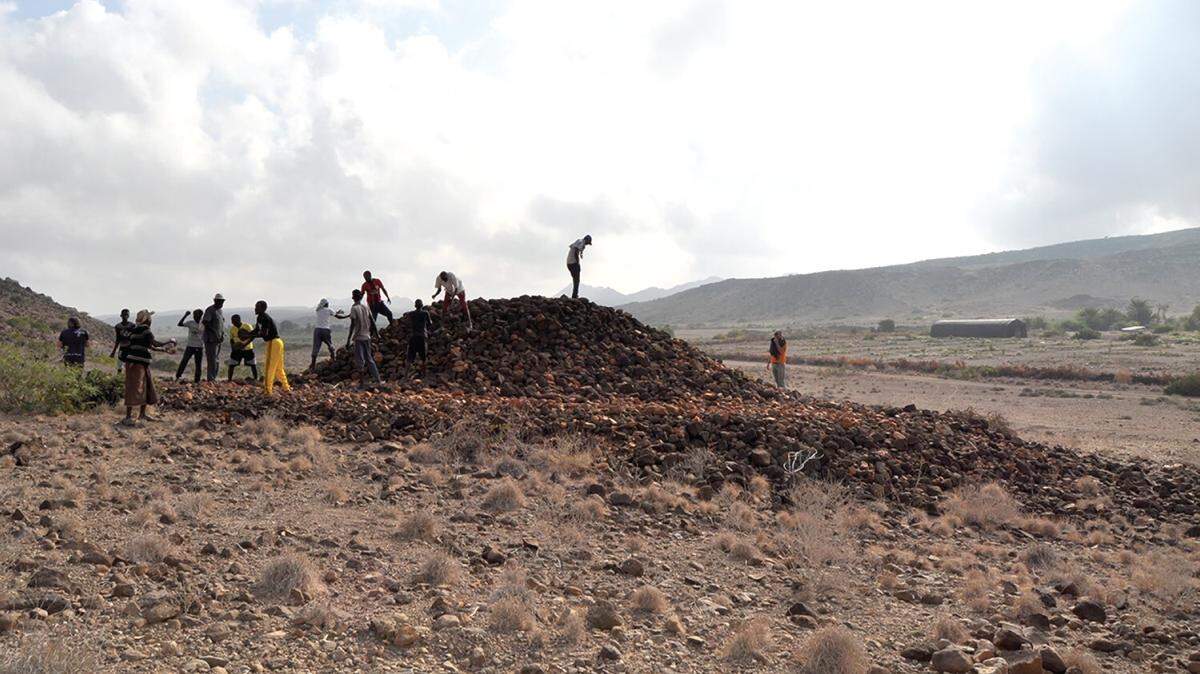
Scattered across the desert of Djibouti, a country in eastern Africa, are countless stone monuments built as graves over 1,200 years ago. Looters have frequented these circular structures for years, but professional archaeologists have largely ignored them — until recently.
When teams finally began excavating these ancient graves, they found evidence of the “rise of the nomad kings.”
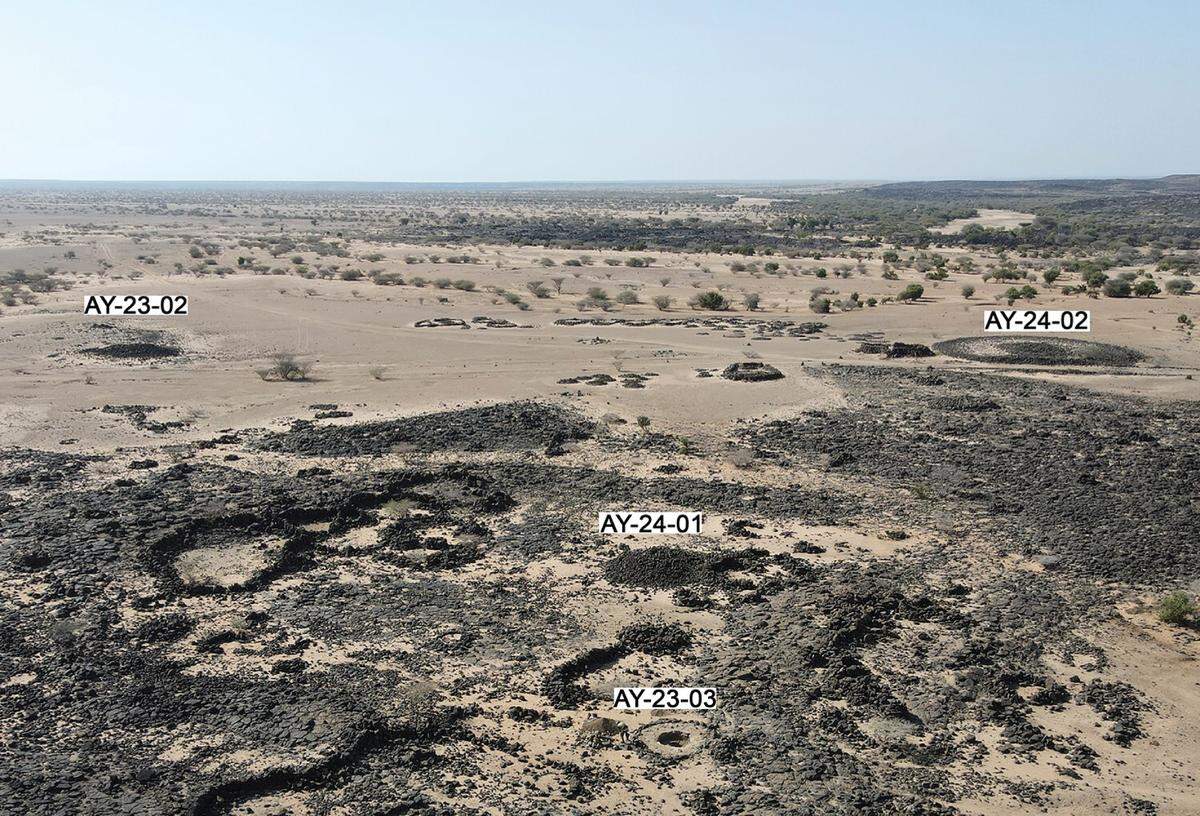
A joint team of Spanish and Djiboutian researchers spent three years surveying, mapping and excavating a series of ancient stone graves in southern Djibouti. These graves, known as cairns, were built by nomadic groups in the late first millennium A.D. and, today, are some of the only remaining archaeological sites linked to this understudied community.
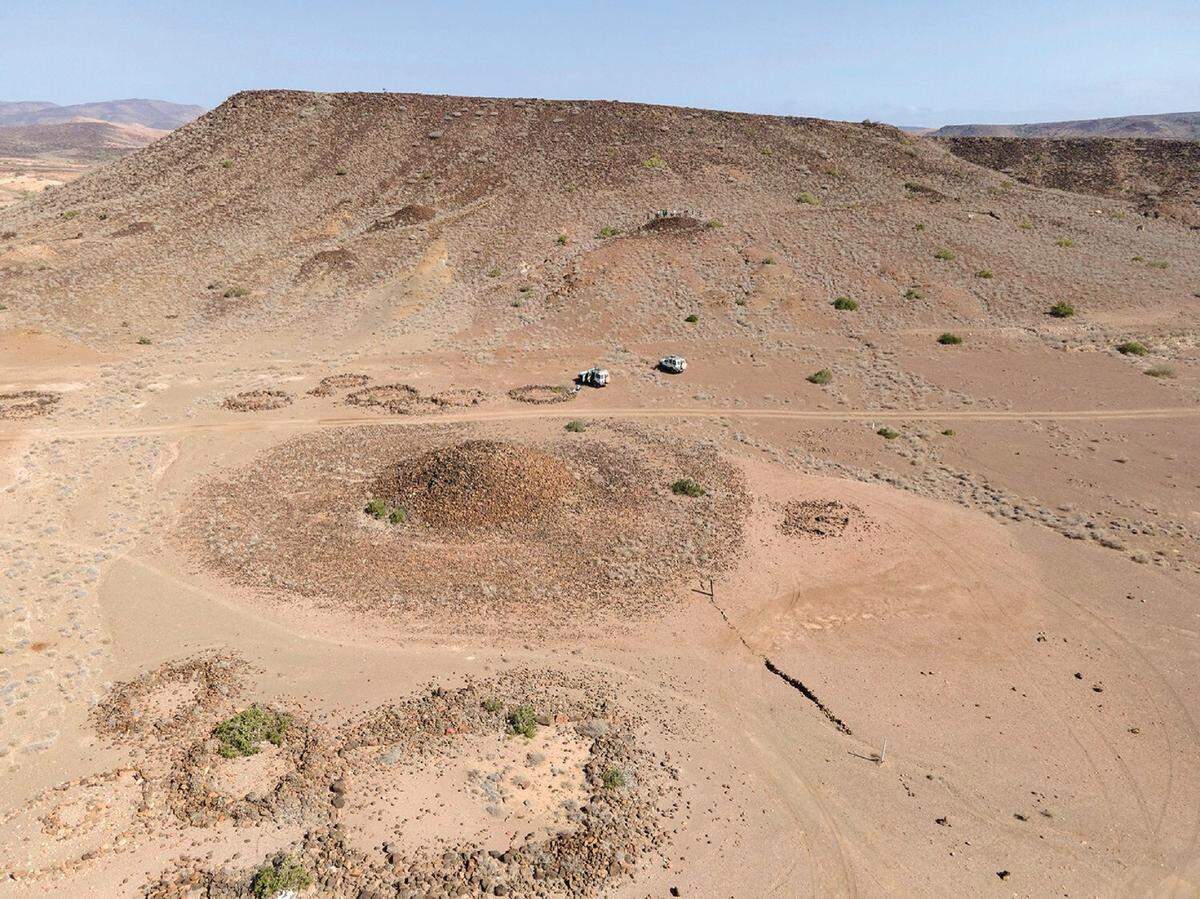
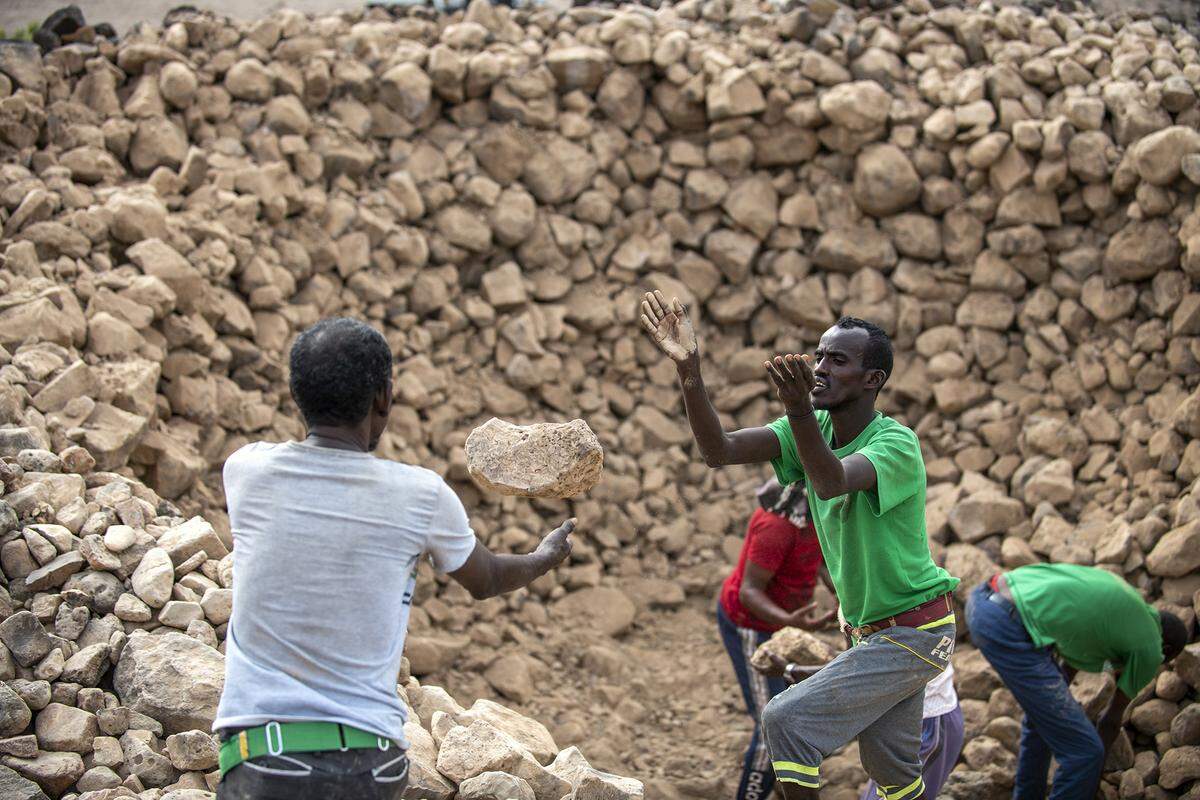
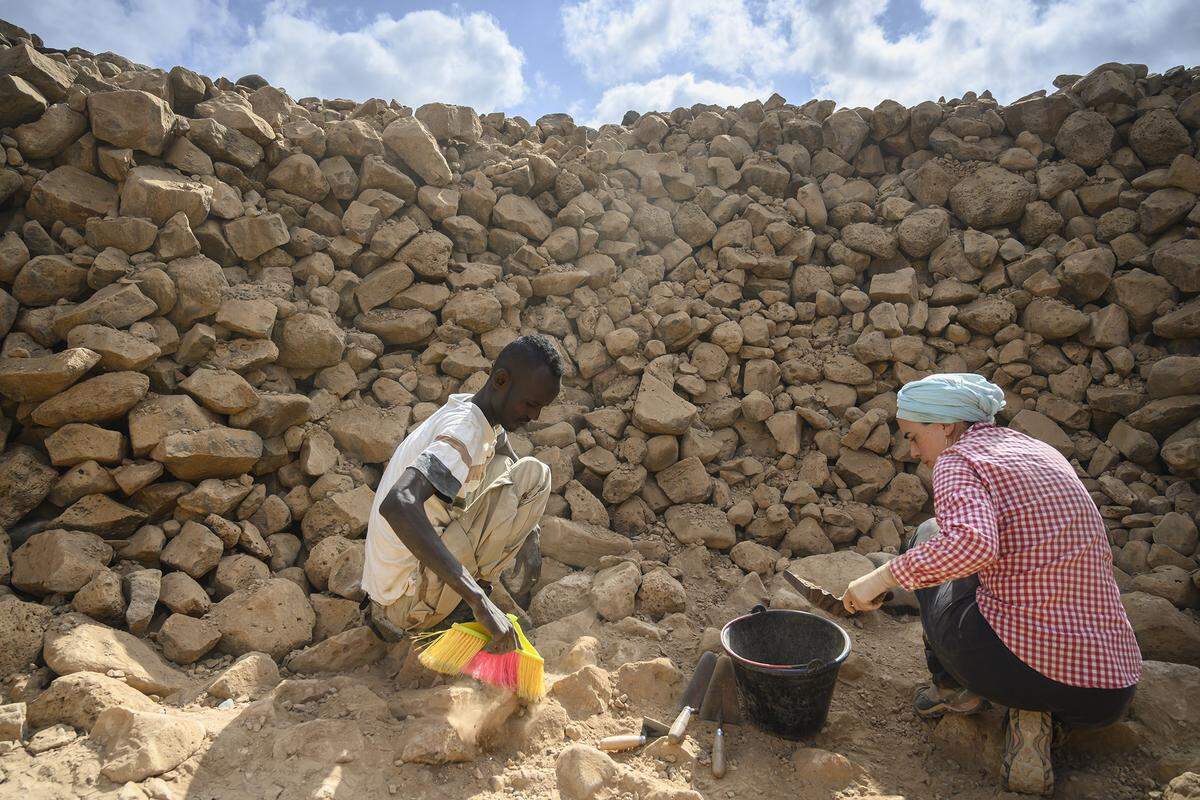
With the help of locals, archaeologists deconstructed 10 cairns, ranging from about 25 feet to almost 120 feet across, to see what was left inside, according to a study published March 26 in the peer-reviewed Journal of Field Archaeology.
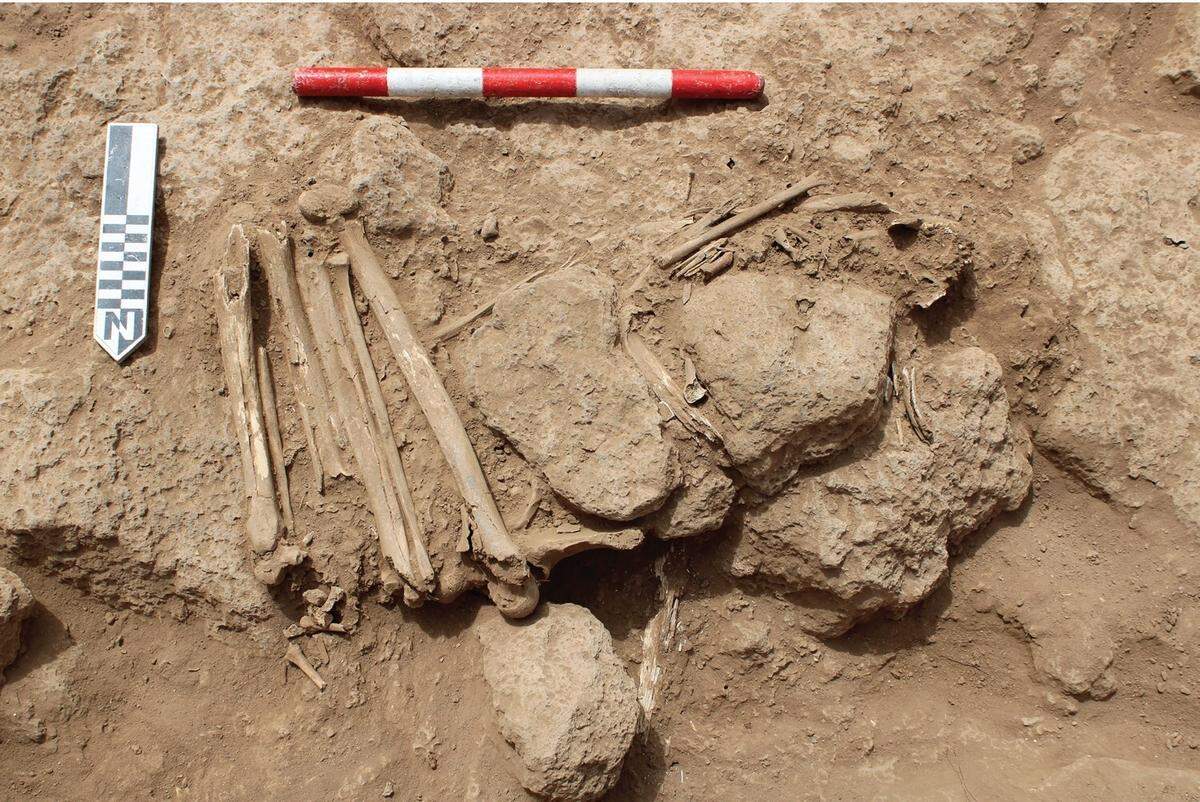
Inside every cairn, the team unearthed countless human and animal bones, often fragmented. Only “four skeletons were sufficiently preserved” to identify their original burial positions, the study said.
Of these better-preserved skeletons, three corpses showed signs of having their legs tied up, researchers said. Why is unclear, but the team noted that “tethered corpses” have been found previously in southern Djibouti and “may attest to shared notions of the afterlife.”
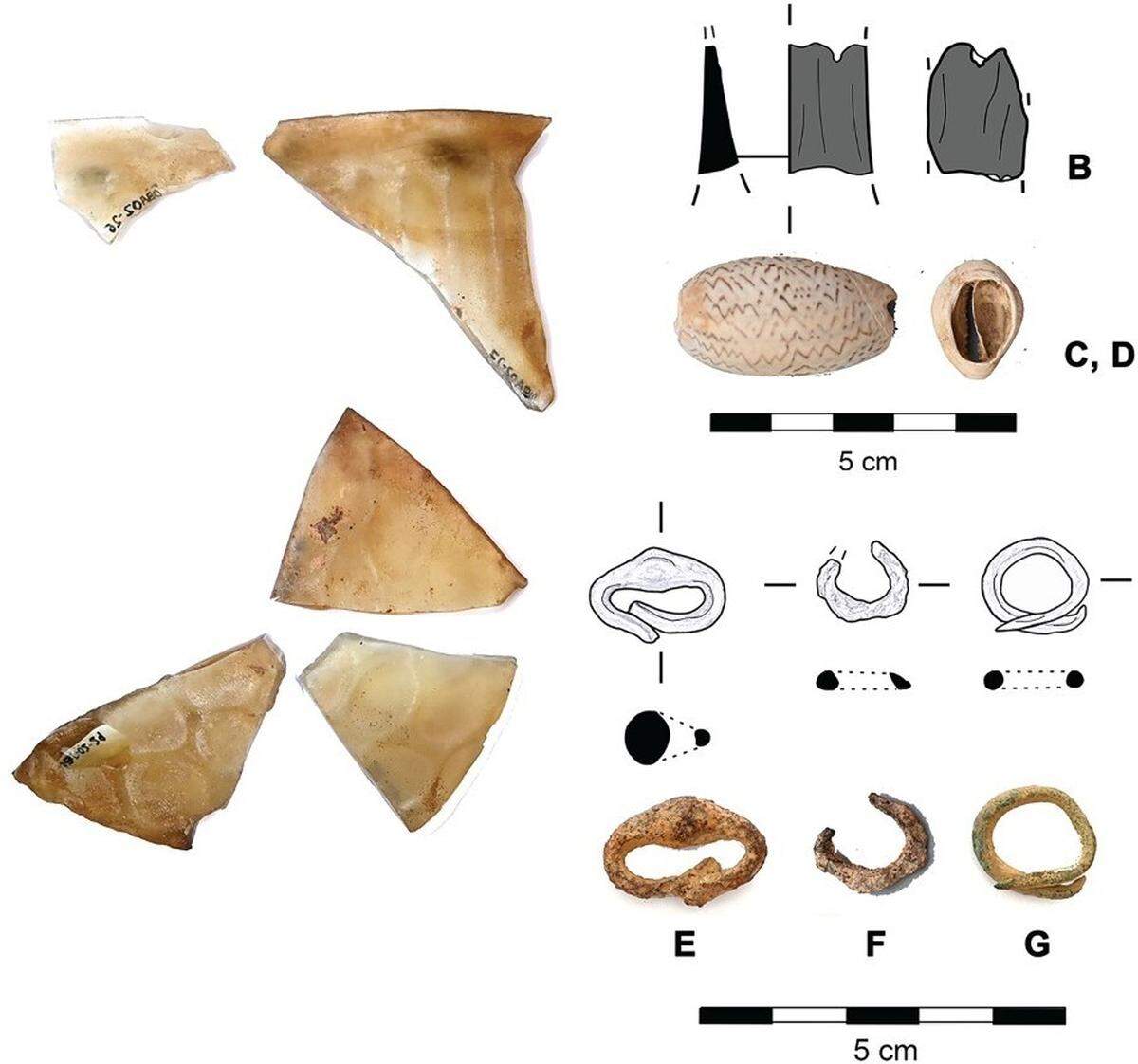
Excavations of the cairns also found a variety of small artifacts, such as pottery fragments, cut shells, stone tools, glass bottles and metal rings, the study said. Some of these artifacts were “imported materials,” from regional and long-distance trade.
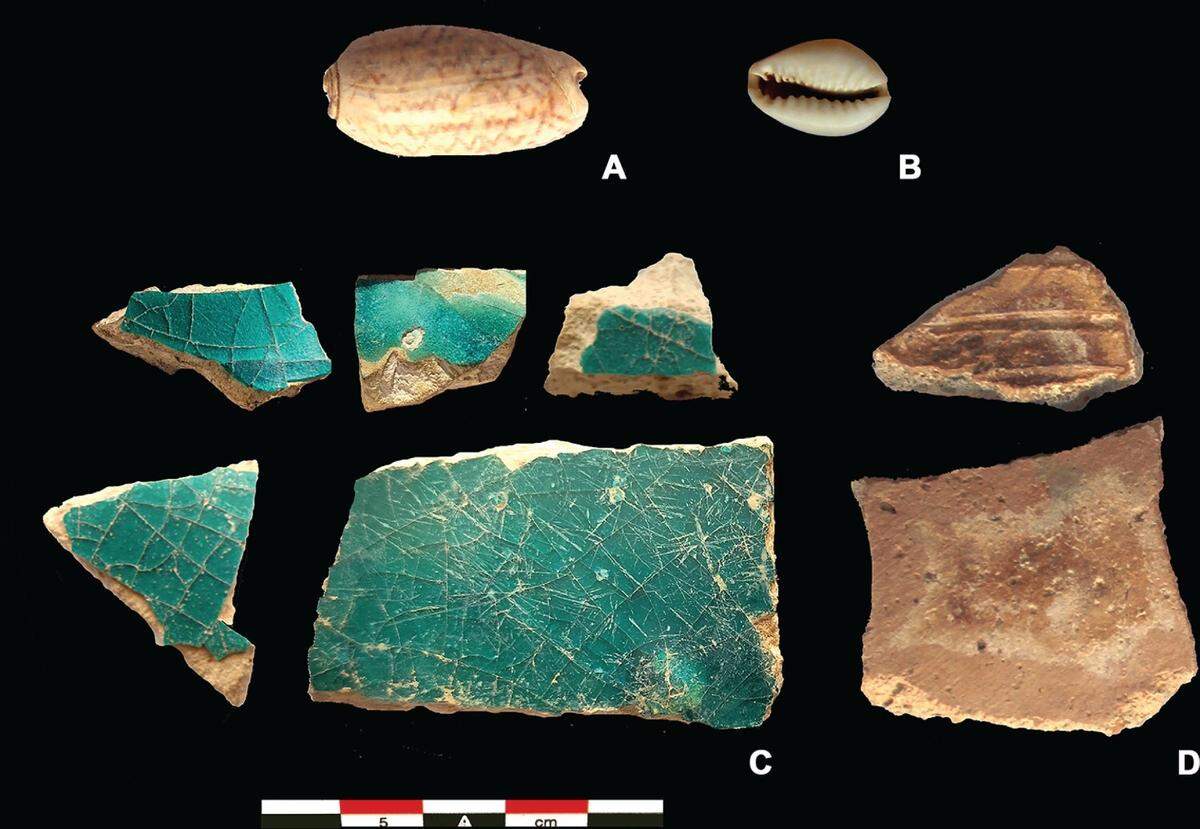
Photos show a few of these treasures, such as “turquoise-glazed pottery” from an imported jar and a distinctive “honeycomb bowl” possibly used as a lamp or kept as a family heirloom.
Based on their finds and radiocarbon dating, archaeologists concluded that “all tombs, irrespective of size and shape,” were built between 650 and 1000 A.D., with a “more intensive construction” period between 650 and 800 A.D.
Additionally, funeral monuments from this period “are much bigger” than graves from any period “before or after,” researchers said.
“It is obvious that the cairns required a great investment in labor for honoring a very small group of individuals,” the study said. Researchers estimated one “simple” cairn could take 360 hours of work and larger cairns could take much longer. “Differences in size and shape are probably best explained as relating to different ranks,” the study said.
Researchers concluded that these cairns showed the “rise of the Nomad Kings (and Queens)” during the late first millennium.
“During the 7th-8th centuries A.D., something happened in the territories of present-day Djibouti,” the study said, “something that broke with local, nomadic traditions and norms and drastically changed the landscape: a short-lived building frenzy that led to the construction of thousands of large, monumental graves of a size never seen before or afterwards in the region.”
The cairns of southern Djibouti left researchers with more questions they hope to answer through further analysis and excavations.
Djibouti is a coastal country in eastern Africa bordering Eritrea, Ethiopia and Somaliland.
The research team included Alfredo González-Ruibal, Álvaro Falquina Aparicio, Candela Martínez Barrio, Pedro Rodríguez Simón, Manuel Antonio Franco Fernández, Jorge de Torres Rodríguez, Pablo Gutiérrez de León Juberías, Ibrahim Osman, Asma Youssouf, Laura Muñoz Encinar, Adrián de la Torre and Antonio Hidalgo Rodríguez.
This story was originally published March 28, 2025 at 1:32 PM with the headline "1,200-year-old graves reveal ‘rise of the nomad kings’ in Djibouti. Take a look."