11,000-year-old indigenous site — one of oldest on continent — found in Canada. See it
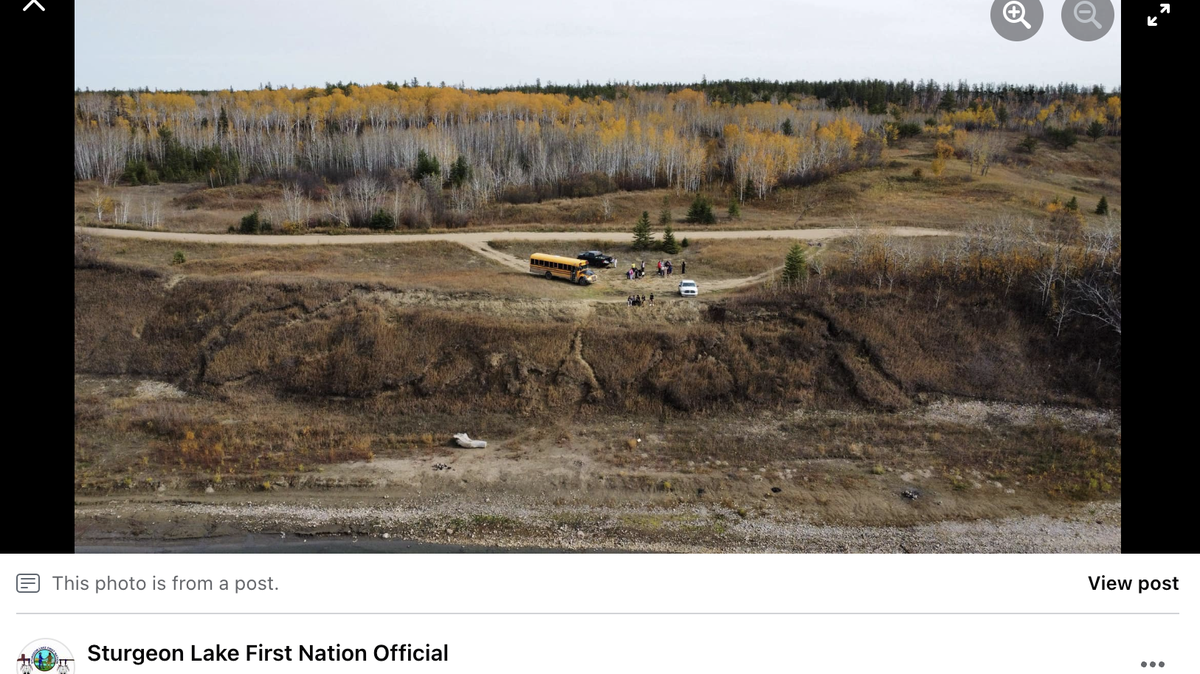
Just north of Prince Albert in central Canada, Dave Rondeau was surveying an area of the North Saskatchewan River.
The researcher and amateur archaeologist noticed erosion on the riverbank and went to take a closer look. Then, he saw artifacts sticking out from the soil.
“The moment I saw the layers of history peeking through the soil, I felt the weight of generations staring back at me,” Rondeau said in a Feb. 4 news release from the University of Saskatchewan. “Now that the evidence has proven my first instincts, this site is shaking up everything we thought we knew and could change the narrative of early Indigenous civilizations of North America.”
Members of the Âsowanânihk Council, from the Sturgeon Lake First Nation, identified the artifacts as belonging to a larger indigenous settlement dating back 11,000 years, according to the release.
This is 1,000 years earlier than indigenous groups were believed to be living in the area, CBC reported.
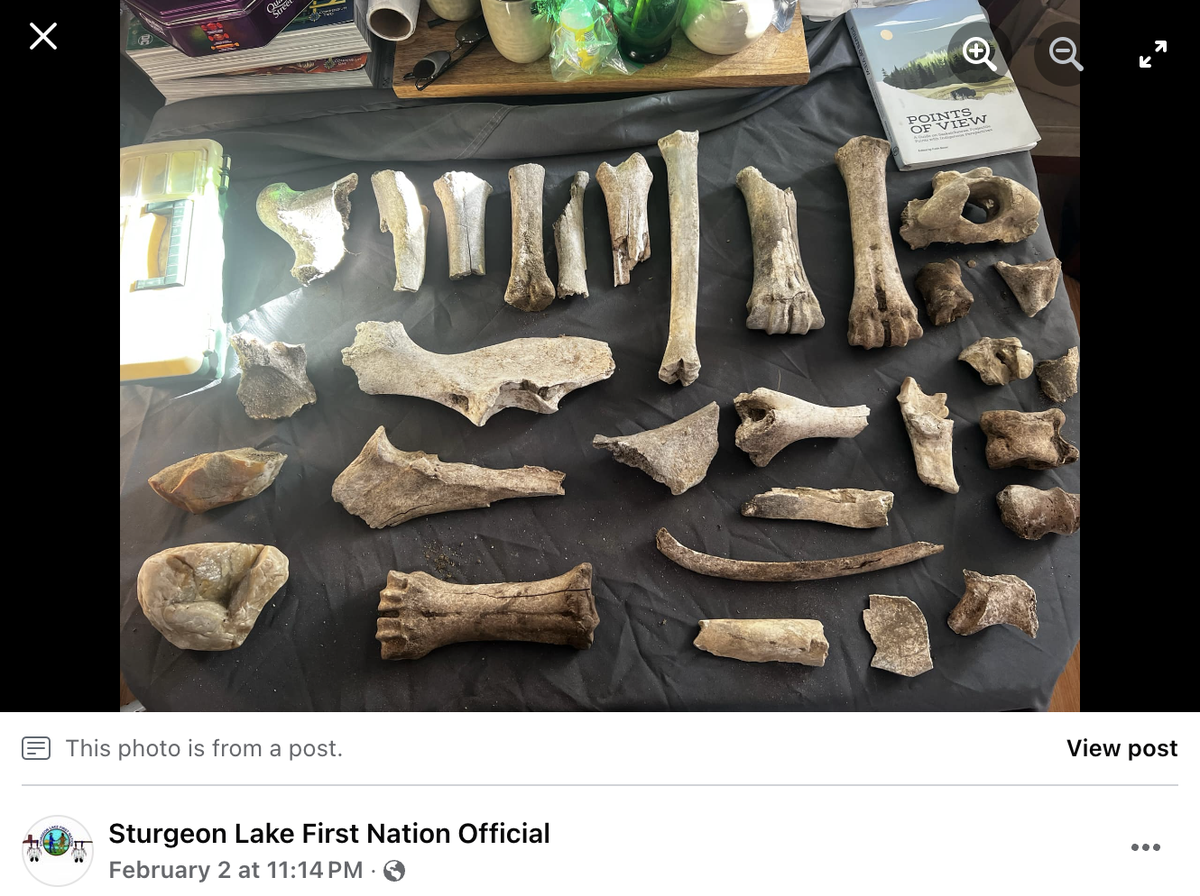
Excavations have revealed stone tools, fire pits and toolmaking materials, suggesting the site served as a permanent or long-term settlement and not just a temporary hunting camp or stop, according to the release.
Archaeologists also found charcoal fires and large bison remains, confirming long-told oral histories among indigenous groups.
“The revelation of an 11,000-year-old pre-contact settlement — one of the oldest known Indigenous sites on the continent — confirms that highly organized societies existed in the region far earlier than previously believed. This places it among some of the world’s most well-recognized ancient sites, such as the Great Pyramids of Egypt, Stonehenge in England, and Göbekli Tepe in Turkey—each known for their immense historical significance and their role in shaping human civilization,” the university said.
Before discovering this site, archaeologists studying early North American peoples believed they were primarily nomadic, Glenn Stuart from the University of Saskatchewan said in the release. Now, a more sedentary lifestyle would also mean there was an idea of land stewardship and a “deep-rooted” presence.
“It also raises questions about the Bering Strait Theory, supporting histories that Indigenous communities have lived here for countless generations,” Stuart said.
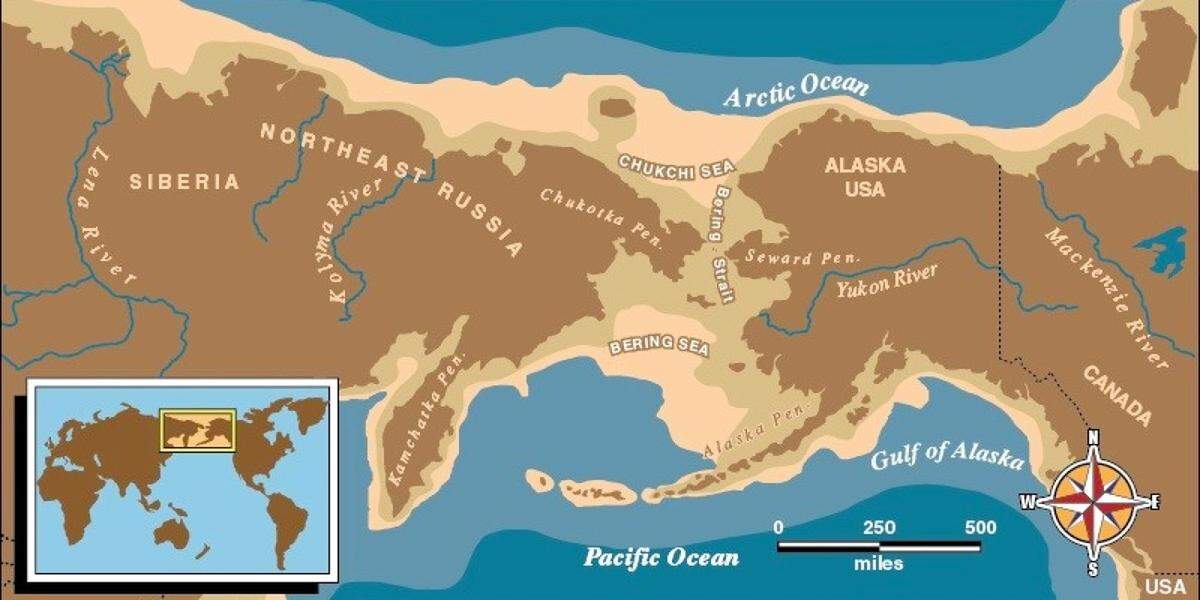
The Bering Strait Theory suggests there was a large wave of people that crossed a land bridge from Siberia into Alaska around 13,000 years ago to populate North America for the first time. However, many oral histories passed down in indigenous groups in Canada and the U.S. have contradicted this idea, suggesting that smaller groups made the journey over different periods of time and their ancestors told the tales of a great crossing, VOA News reports.
Oral histories also described this area of modern-day Saskatchewan as a center for cultural exchange and trade, but until now, it wasn’t backed up with physical artifacts, according to the release.
“This discovery is a powerful reminder that our ancestors were here, building, thriving, and shaping the land long before history books acknowledged us,” Chief Christine Longjohn said in the release. “For too long, our voices have been silenced, but this site speaks for us, proving that our roots run deep and unbroken. It carries the footsteps of our ancestors, their struggles, their triumphs, and their wisdom. Every stone, every artifact is a testament to their strength. We are not just reclaiming history — we are reclaiming our rightful place in it.”
The Âsowanânihk Council is calling for immediate protective measures for the site as it faces possible damage from nearby logging and industrial activity, the university said. Moving forward, the council hopes to develop the site into an educational and community engagement opportunity to teach youth about cultural knowledge and connection to the land.
Prince Albert is in central Saskatchewan, about a 340-mile drive north from Montana.
This story was originally published February 10, 2025 at 1:05 PM with the headline "11,000-year-old indigenous site — one of oldest on continent — found in Canada. See it."