
Hidden pyramids and ancient hunting grounds: See the latest discoveries
The summaries below were drafted with the help of AI tools and edited by journalists in our News division. All linked stories were reported, written and edited by McClatchy journalists.
Throughout history, cultures have left behind a trail of breadcrumbs for archaeologists to follow. New sites and artifacts are found all the time, revealing forgotten secrets of the past.
Here are some of the latest discoveries:
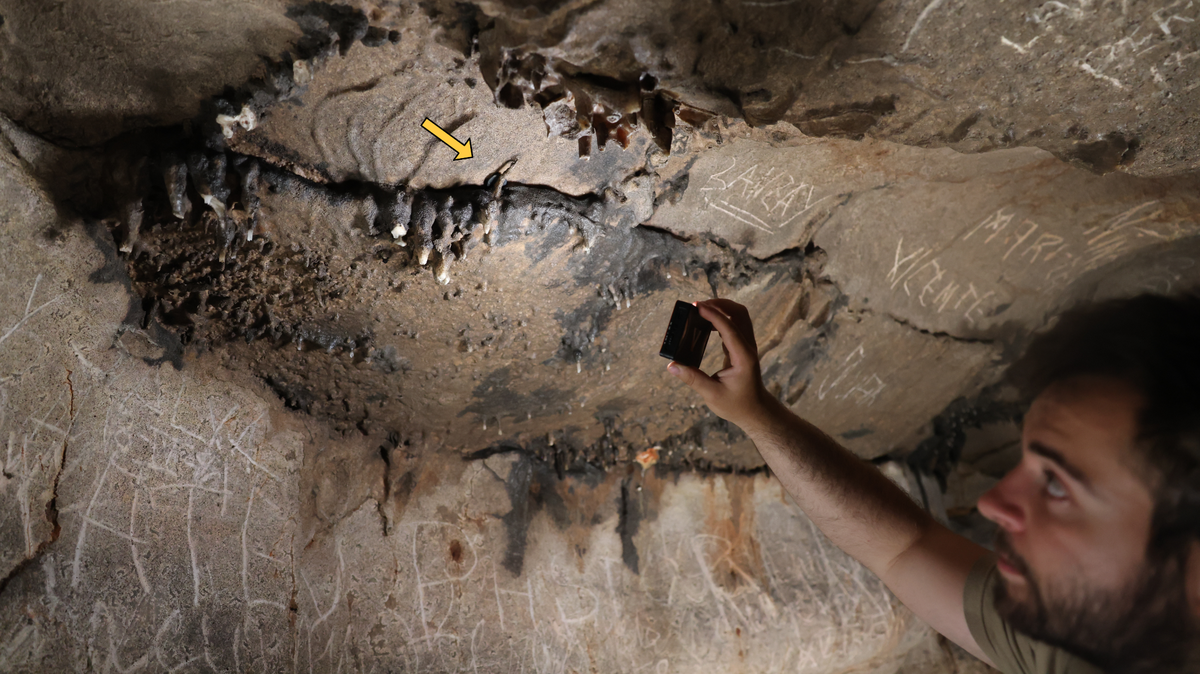
Cavers spot coin stuck between rock formations — and find ancient Roman site in Spain
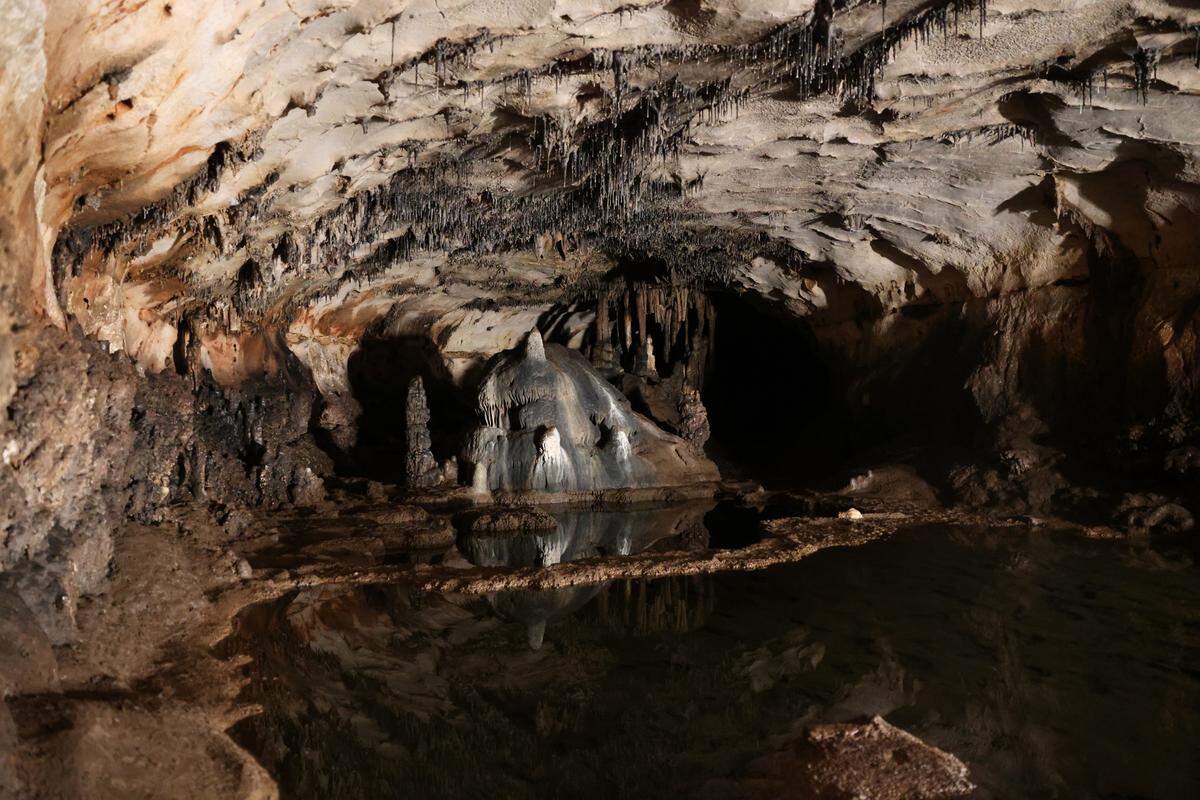
In eastern Spain, researchers exploring the Cova de les Dones discovered an ancient Roman sanctuary. The find included a Roman coin and at least 15 inscriptions on the cave walls, suggesting the site was used for rituals about 1,900 years ago. This unexpected discovery highlights the cave’s historical significance, previously thought to have scarce Roman activity. | Published Feb. 3 | Read More |
Overgrown trees hid 3,800-year-old pyramid-like structure in Peru — until now. See it
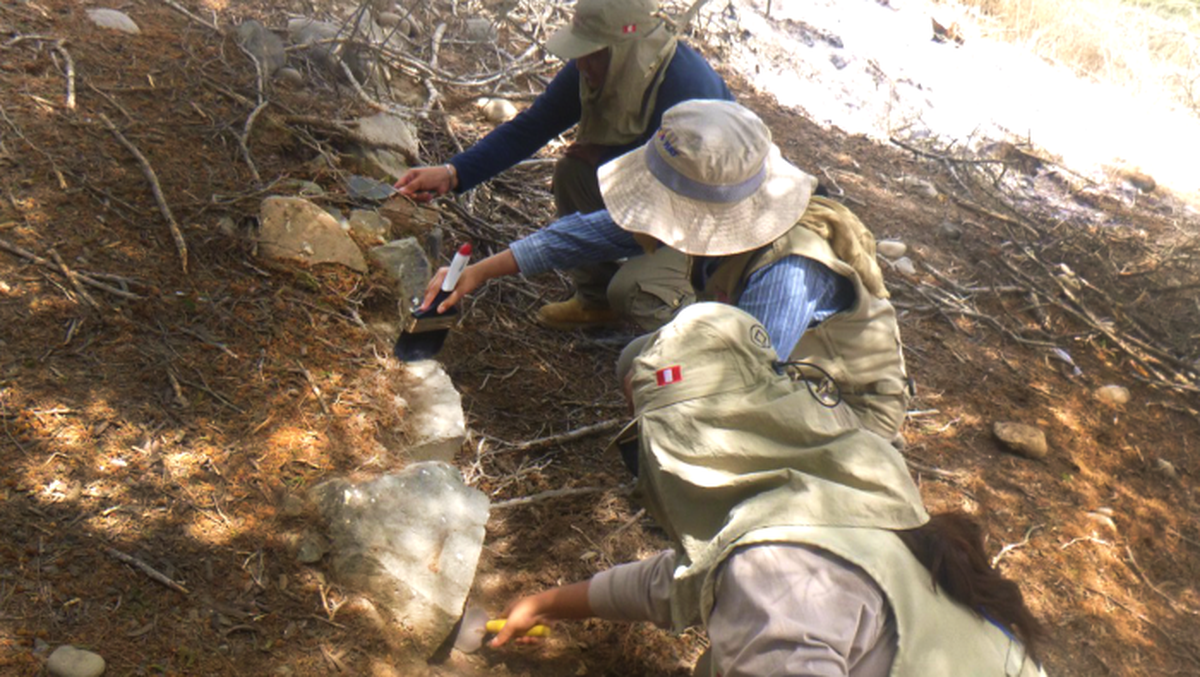
In Peru, workers clearing overgrown trees at the Chupacigarro archaeological site uncovered a pyramid-like structure dating back 3,800 years. This ancient building, linked to the Caral civilization, features three rectangular platforms and a central staircase. The discovery sheds light on the Caral civilization’s architectural prowess and their settlement’s historical importance. | Published Jan. 31 | Read More |
Ancient chief buried ‘extremely rare’ Roman equipment. Archaeologists just found it
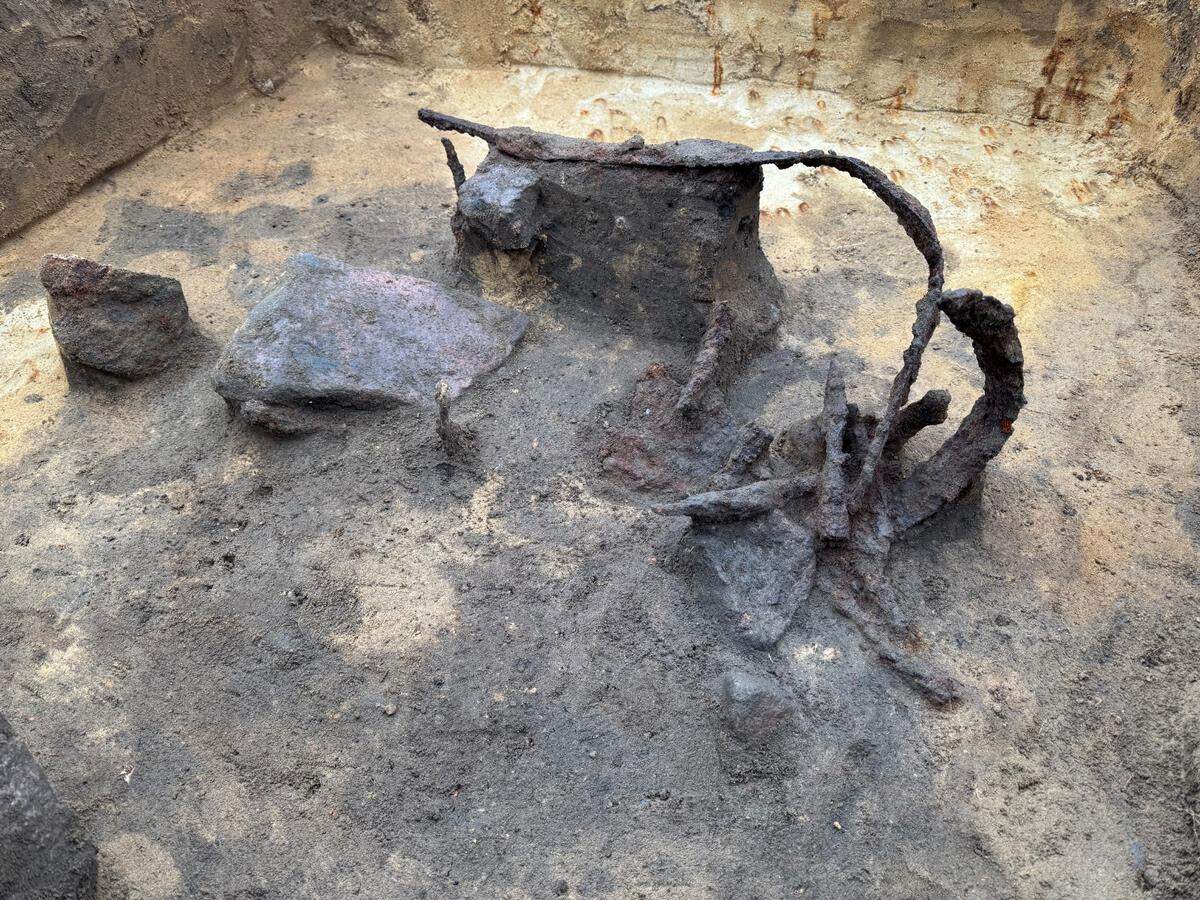
In Denmark, archaeologists unearthed a 1,500-year-old collection of weapons and Roman equipment buried by an ancient chief. Among the artifacts were two rare iron plates identified as parts of a Roman helmet. This find, including over 100 weapons, offers a glimpse into the region’s historical connections and the significance of Roman influence. | Published Jan. 31 | Read More |
Thousands of animal bones — and 13 mammoths — found at prehistoric hunting camp
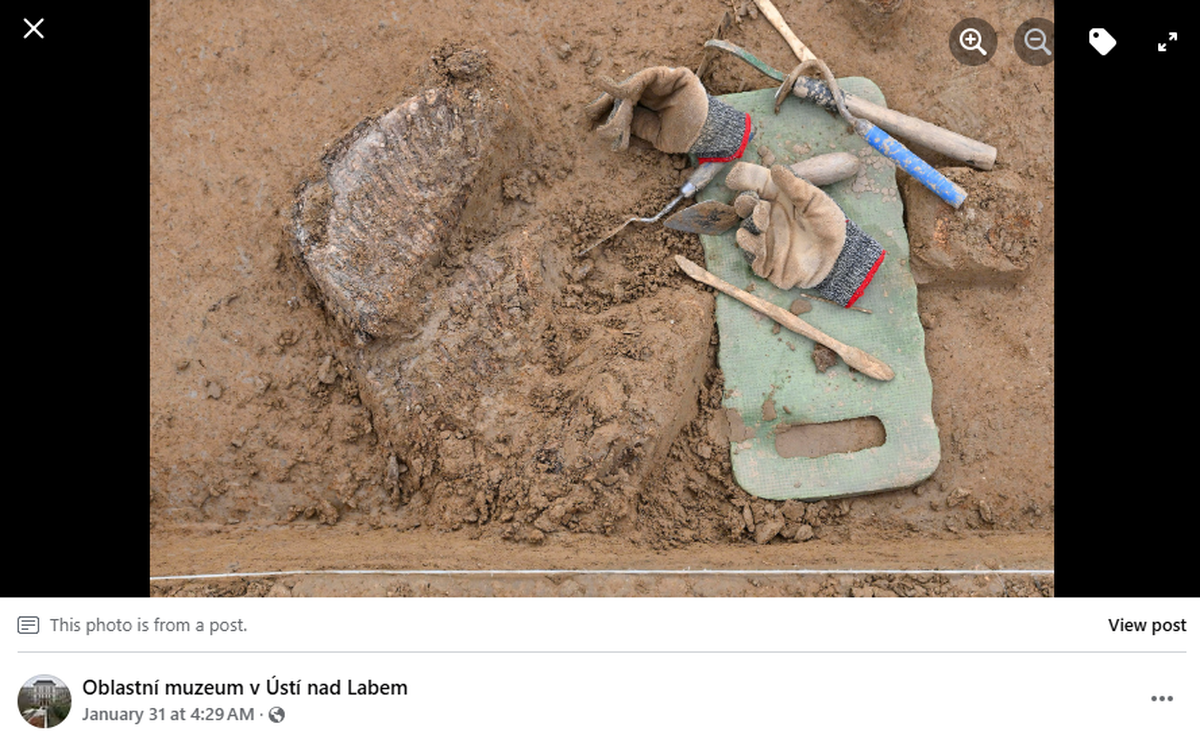
In Czechia, archaeologists discovered a prehistoric hunting camp with thousands of animal bones, including 13 mammoth skeletons, dating back 20,000 years. The site also revealed chipped stone tools, providing insights into the hunting practices of ancient humans. This find highlights the strategic hunting methods used to survive during the Pleistocene era. | Published Feb. 5 | Read More |
4,500-year-old graves of warriors unearthed in Germany. See the ‘intriguing finds’
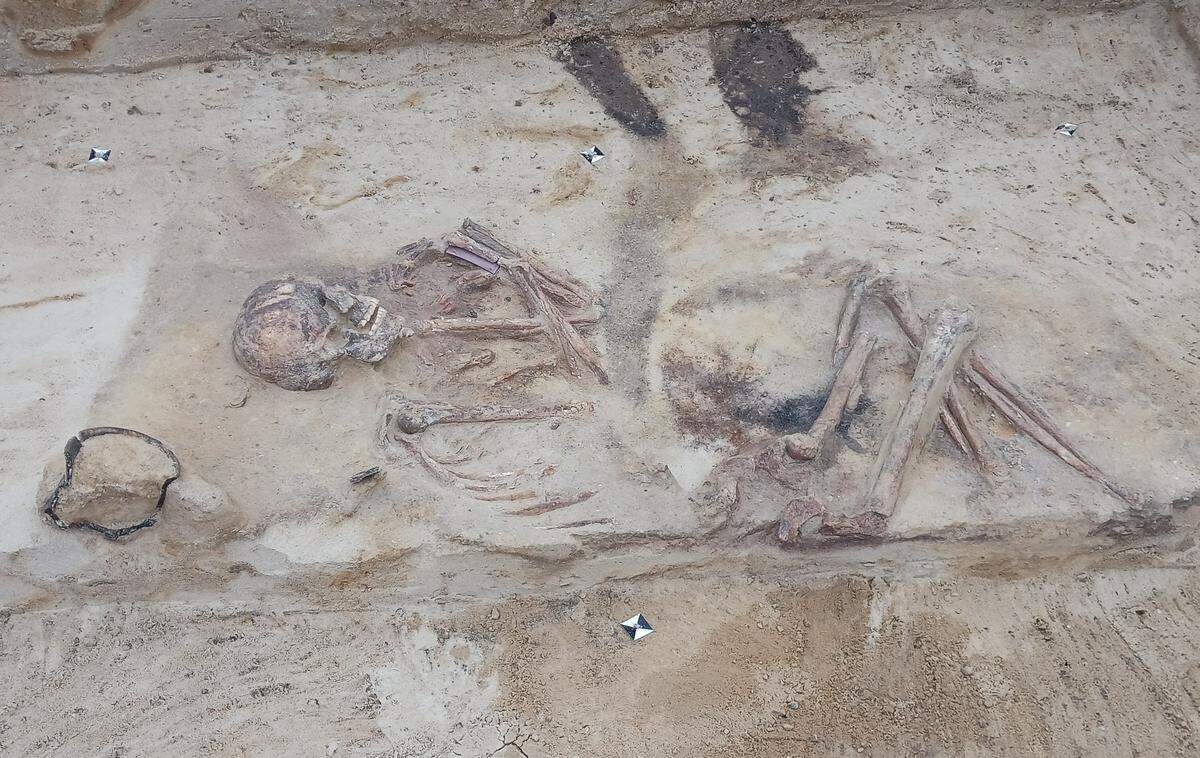
In Germany, archaeologists uncovered a 4,500-year-old graveyard belonging to the Bell Beaker Culture. The graves, including those of warriors, contained pottery and rare organic artifacts like a quiver. This discovery provides valuable insights into the burial practices and cultural significance of the Bell Beaker people. | Published Feb. 3 | Read More |
McClatchy News continues to follow the discovery of intriguing archaeological discoveries from around the globe. Check back to see the latest finds.
This story was originally published February 7, 2025 at 12:44 PM with the headline "Hidden pyramids and ancient hunting grounds: See the latest discoveries."