More pieces of oldest known rune stone unearthed in Norway. See the ancient puzzle
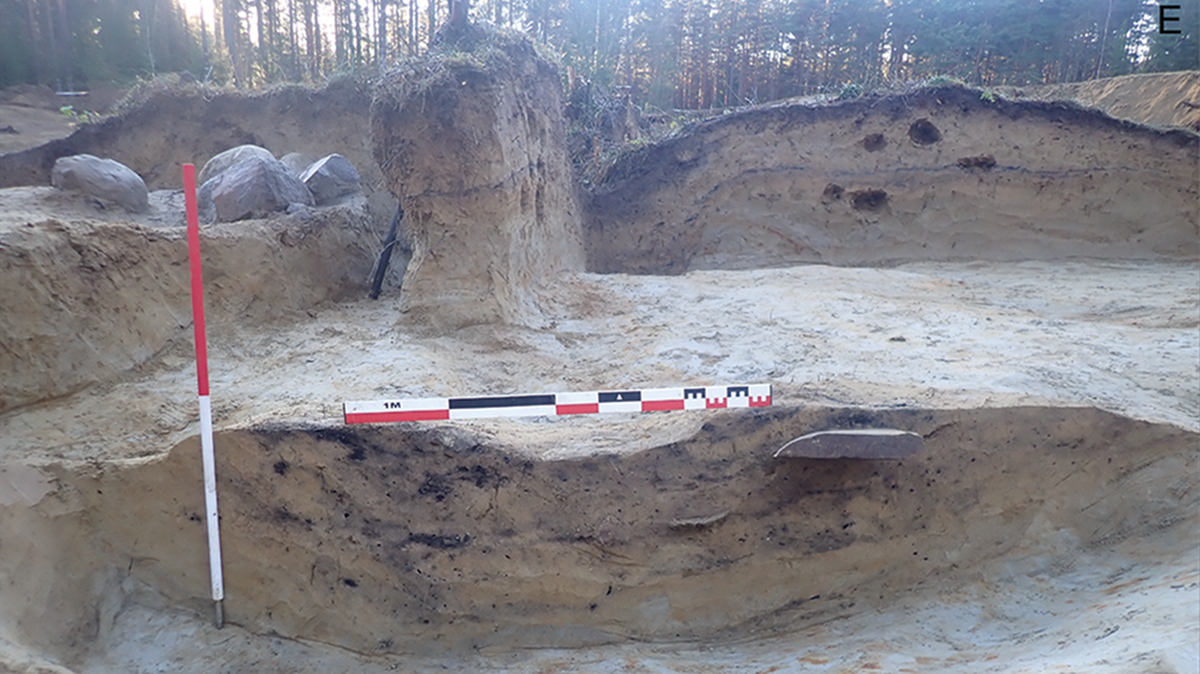
While archaeologists in Norway were excavating an ancient burial ground, they found themselves looking at a pile of rocks. Their attention settled on one reddish slab, which they identified as the world’s oldest known rune stone.
But that turned out to be just the first piece of a puzzle.
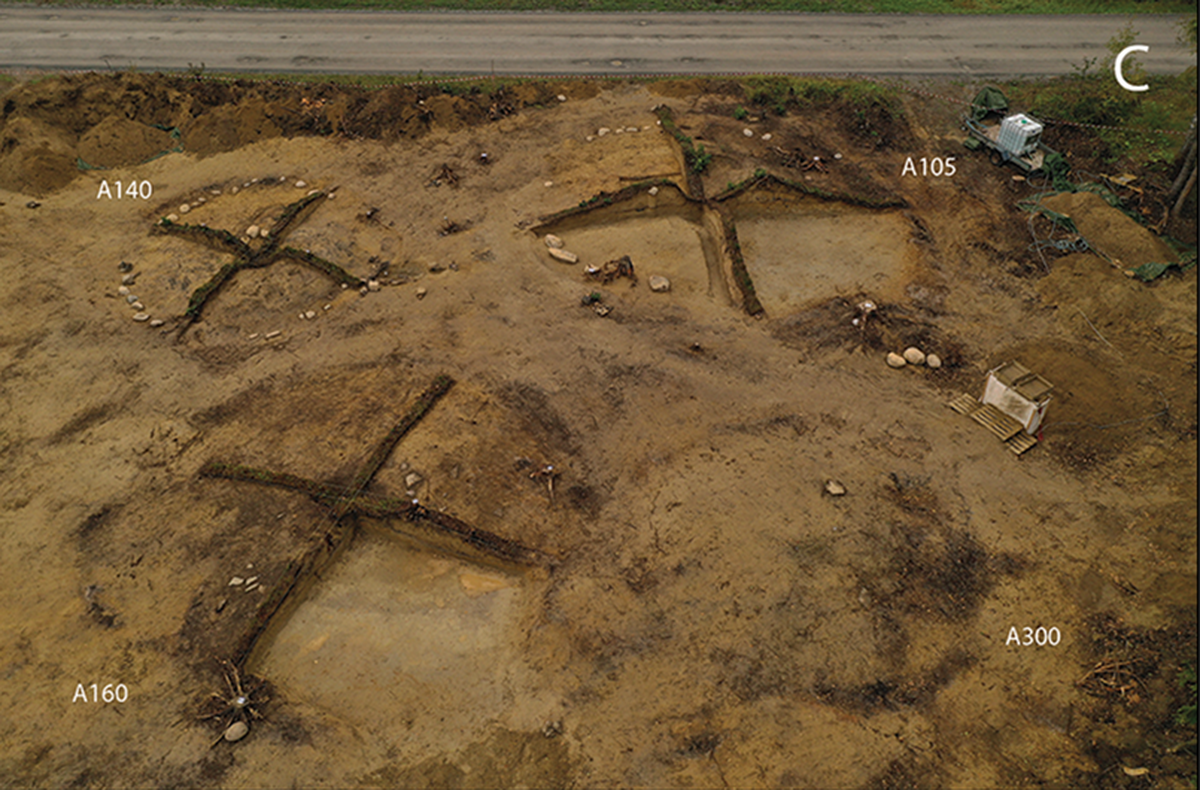
Archaeologists spent three years excavating the Svingerud grave field in Hole, Norway, and finished work in 2023. The site included four grave mounds and a pair of “flat graves,” all mostly filled with “typical” artifacts — except for one red stone.
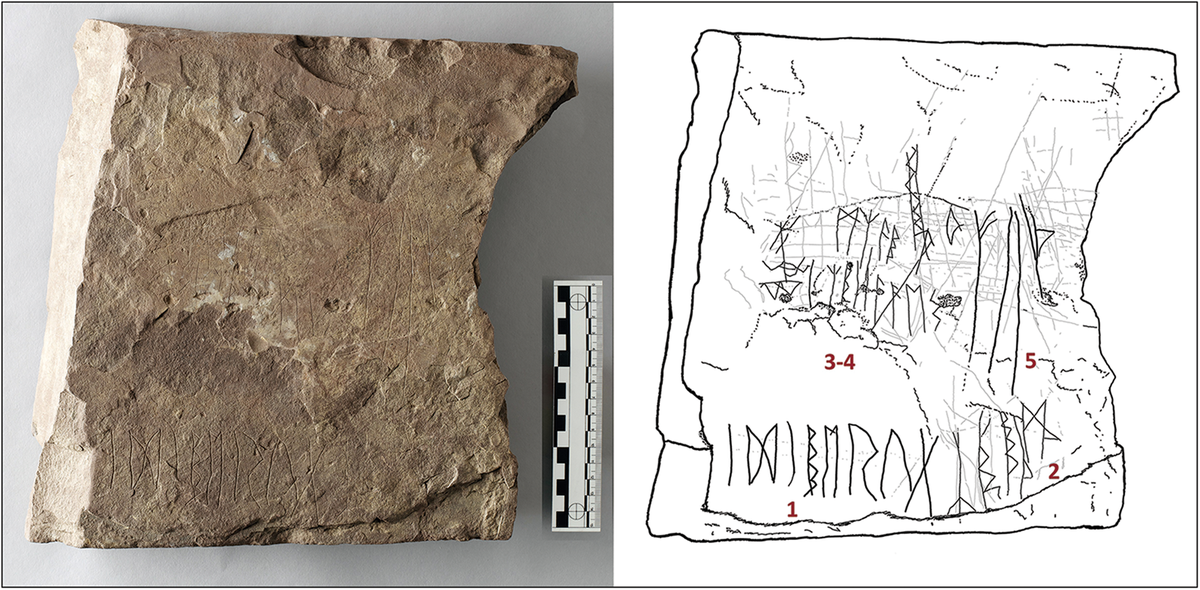
A photo shows the reddish sandstone slab and the several letter-like carvings on it. Based on a radiocarbon dating of the surrounding grave, archaeologists soon labeled it the world’s oldest known rune stone.
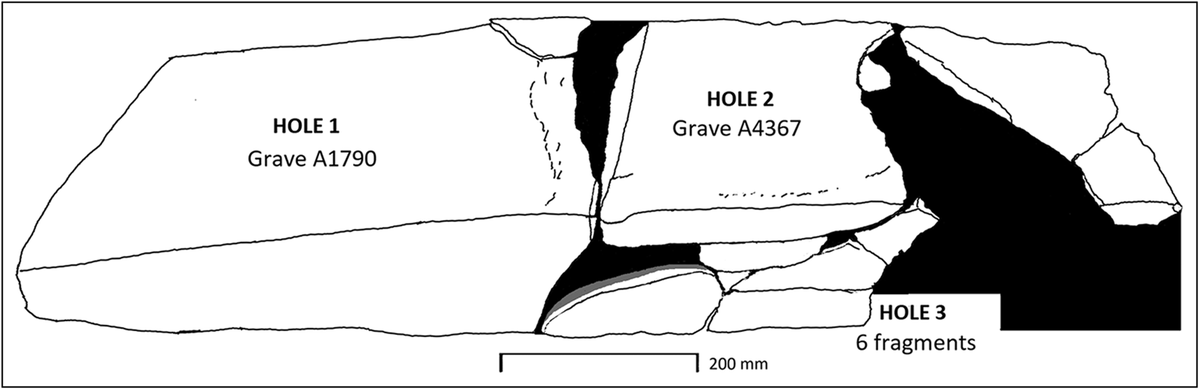
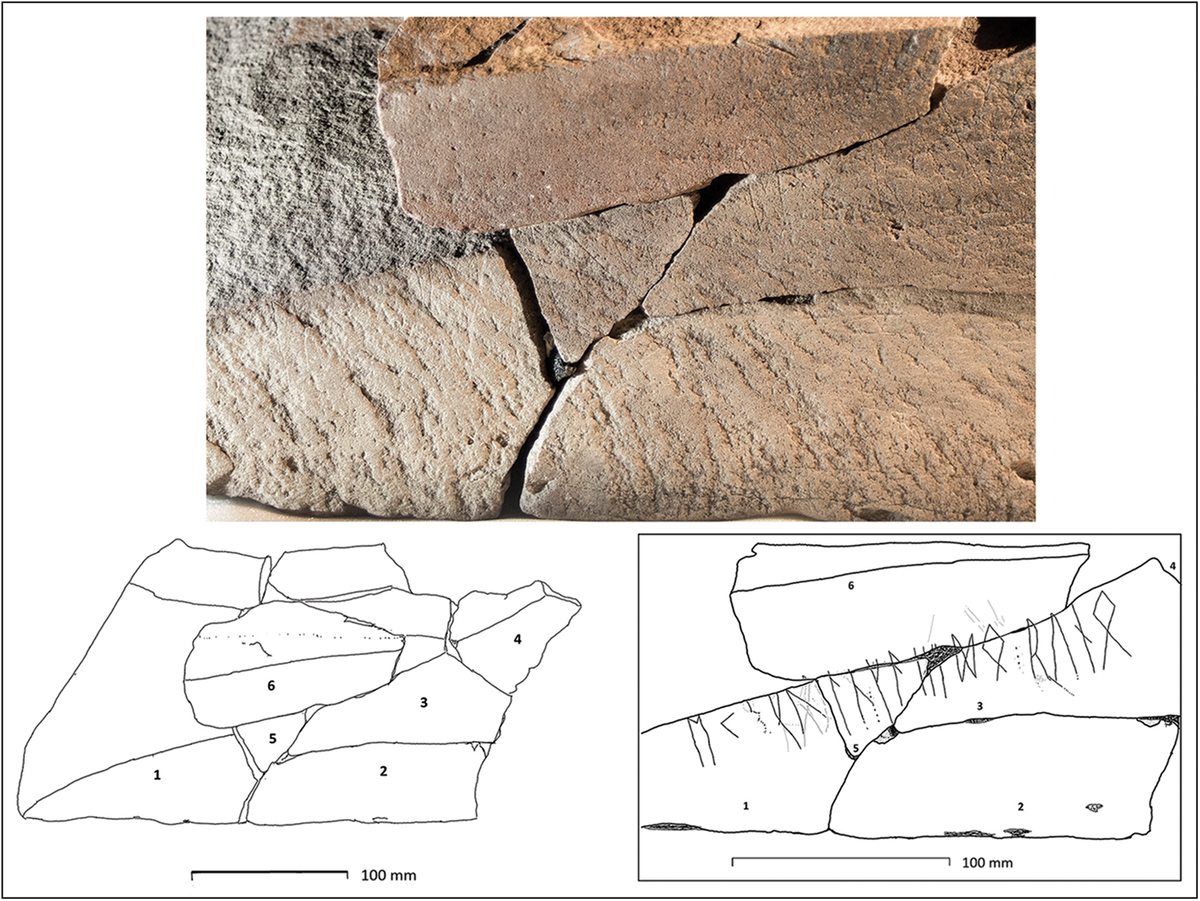
But when archaeologists looked closer at their finds from the rest of the Svingerud site, they noticed several similar-looking sandstone fragments. One large stone had a few cut marks but no discernible letters. Other smaller, marked-up stones looked almost like slices of something larger. Could these fragments all fit together?
Through trial and error, researchers eventually realized that 12 of the rock fragments from three different parts of the site were actually “a single standing stone,” according to a study published Feb. 3 in the peer-reviewed journal Antiquity.
A diagram shows the ancient rune stone puzzle, which has an “unusual mixture of runes and other markings.” The complete rune stone dated between 50 B.C. and 275 A.D., making it “the earliest known archaeologically dated rune-stone.”
But what does it say? And why was it broken into pieces?
The “main runic fragment” is “complex” with the phrase “idiberug” and “fuþ” carved into it, the study said. The former letters are “broader and more distinct than the rest,” and may refer to a name. The later phrase is less clear and includes an “early rendering” of one particular rune.
Other rune fragments were even less decipherable, the study said. One set of markings “may identify a female inscriber — the earliest such record” — but researchers don’t know for sure.
In general, the team found it hard to tell early rune writing from other decorative, non-writing markings because such early alphabets were constantly changing.
Researchers suspect the ancient rune stone originally had a “commemorative and dedicatory intent” but was later broken, “probably intentionally,” then reused in burials, the study said. The details of and reasoning for these activities remains a mystery.
Still, the Hole rune stones are “a rare example of finding several fragments of a rune-stone” in “well-preserved, datable archaeological contexts” and provide “insight into early runic writing practices in Iron Age Scandinavia,” the study said.
The research team included Steinar Solheim, Kristel Zilmer, Judyta Zawalska, Krister Sande Kristoffersen Vasshus, Anette Sand-Eriksen, Justin Kimball and John Asbjørn Munch Havstein.
This story was originally published February 5, 2025 at 1:44 PM with the headline "More pieces of oldest known rune stone unearthed in Norway. See the ancient puzzle."