7,000-year-old carved figurine from ancient Arabian culture found in Kuwait. See it
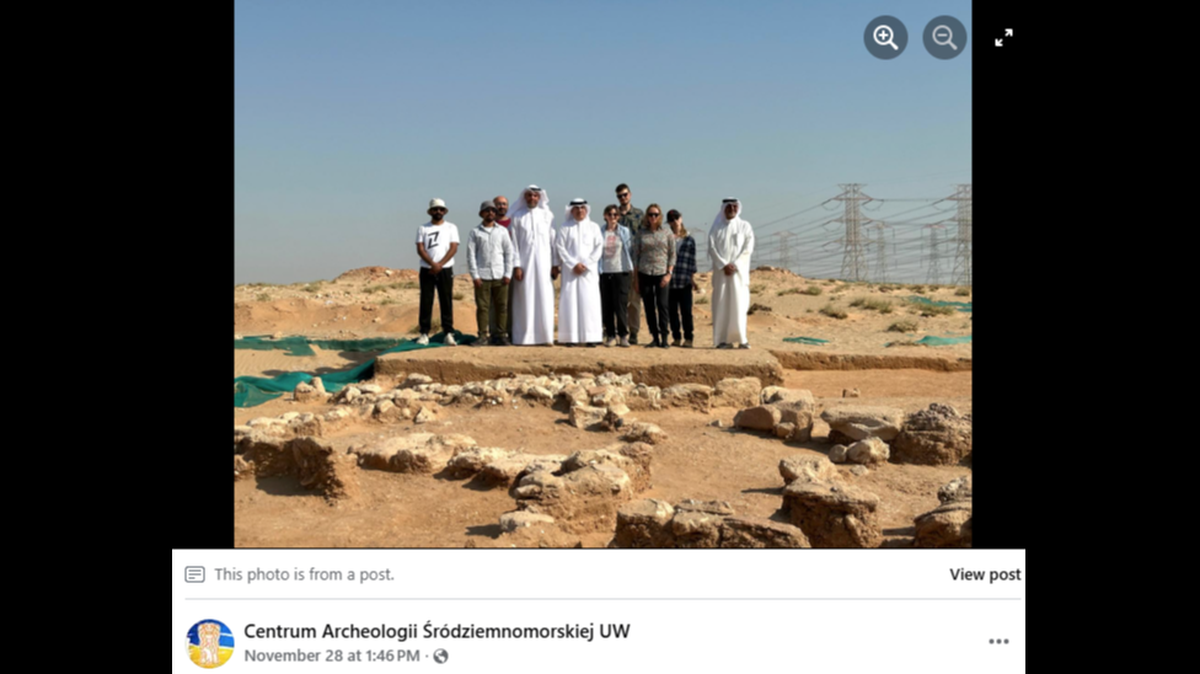
Since excavations began in 2009, the Bahra 1 archaeological site has been the gift that keeps on giving.
The settlement sits in the Al-Subiyah region of Kuwait and represents one of the oldest and largest settlements from the ancient Ubaid culture.
Pottery, workshops and even metal have been found, dating back to the Ubaid 2 and 3a periods, the time between 5500 and 4900 B.C.
Now, archaeologists have added another find to the list — an intricately carved figurine.
The clay head has an elongated skull, a flat nose and slanted eyes, a normal depiction of those from the Ubaid culture, researchers said in a Nov. 28 news release from the Polish Center of Mediterranean Archaeology at the University of Warsaw.
The figurine is estimated to be about 7,000 years old, researchers said.
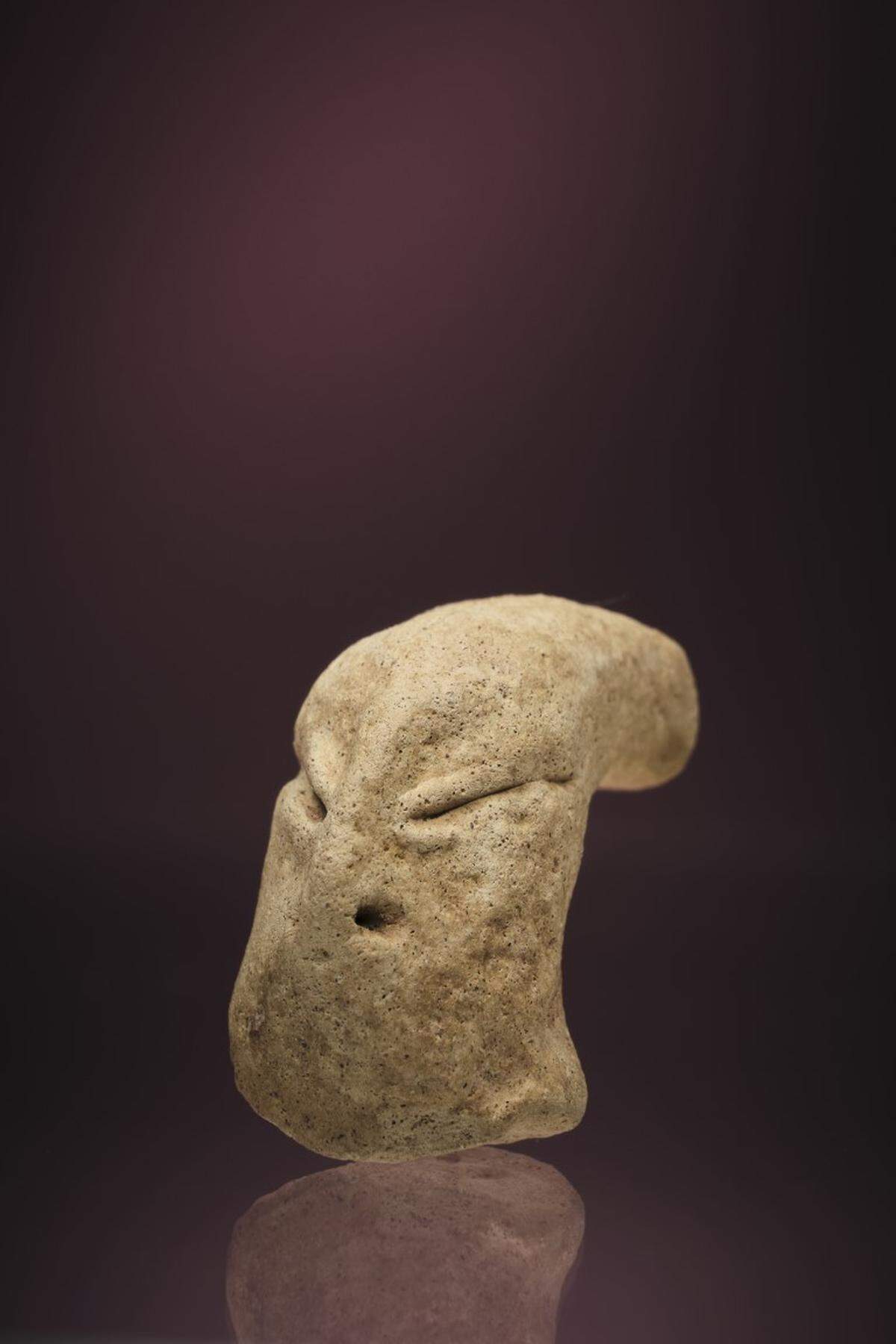
Similar carvings have been found in older regions of Mesopotamia, archaeologists said, but this is the first time an artifact of this kind has been found near the Arabian Gulf.
Polish archaeologist Piotr Bieliński, from the University of Warsaw, said the discovery of the figurine raises more questions than answers, including how it may have been used. Small carvings found in other regions were found with burials and on their own, making archaeologists wonder whether their purpose was symbolic or ritualistic, and what meaning the figurines held for the Ubaids.
Bahra 1 is the subject of the Kuwaiti-Polish Archaeological Mission, a collaboration between the two countries to better understand the ancient people of the Arabian peninsula.
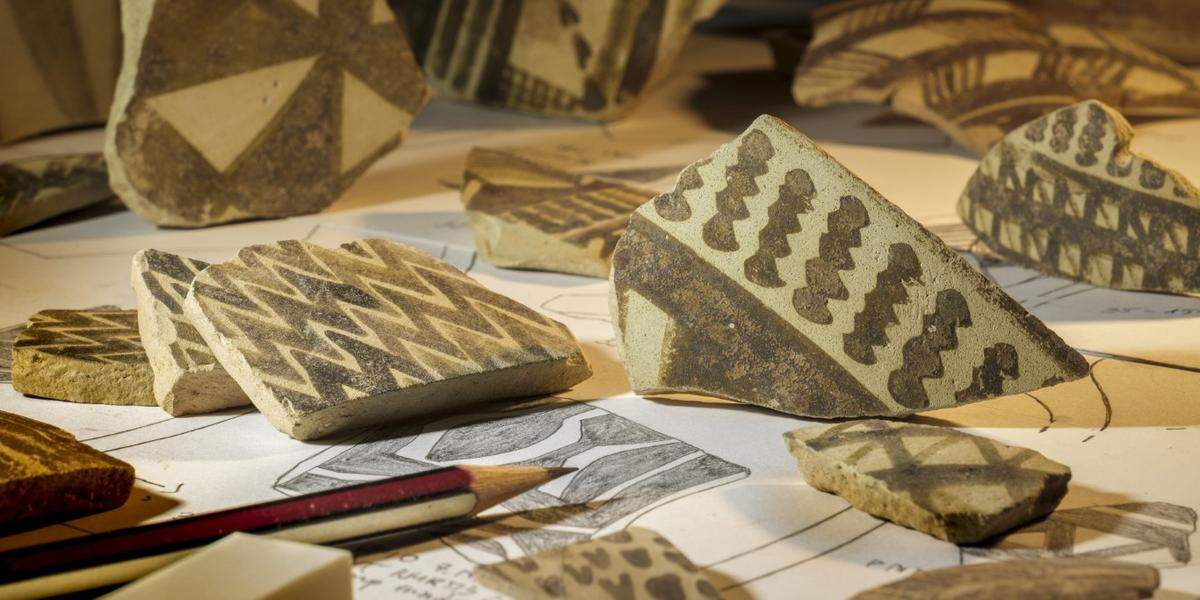
“During that time, the Ubaid culture was actively developing in southern Mesopotamia, not only expanding to the neighboring regions but reaching as far as Anatolia and the Levant on one side and Iran and the Arabian Gulf coast on the other,” according to the university.
Agriculture was becoming more established and excess food meant groups of people could start to settle in one place, trading a nomadic life for a sedentary one, according to Archaeology Magazine. The Ubaids had a “ruling elite” made of priests and administrators organizing trade, laborand rituals, while the lower class spent their time farming, fishing and herding.
The first evidence of this group was found in Tell al-’Ubaid in southern Iraq, earning the culture its name, Archaeology Magazine reports.
Archaeologists also shared the discovery of local pottery production, according to the university. Two kinds of pottery had previously been found at Bahra 1, including one that appeared to be imported from other Ubaid people, and others known as coarse red ware, often found in other parts of the Arabian Peninsula.
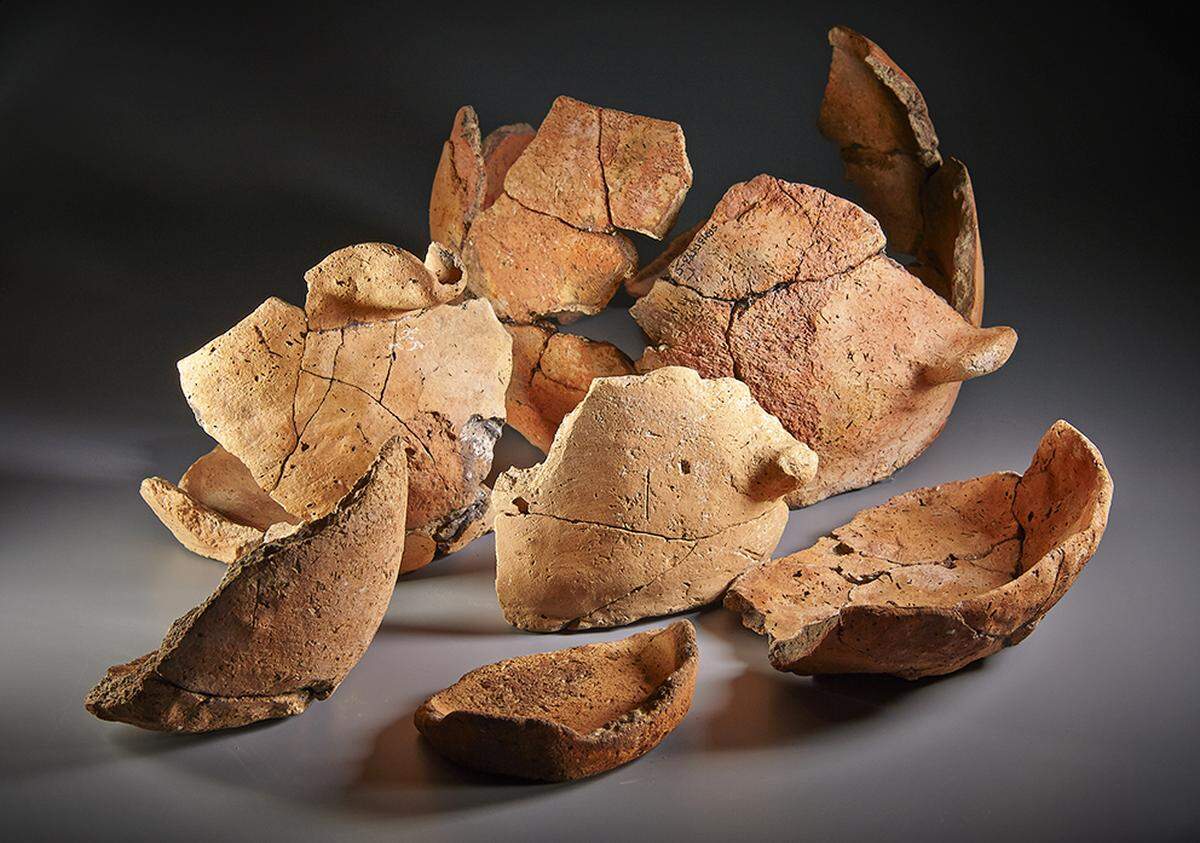
Until now, there was no evidence that the pottery had been made at the vast Bahra 1 site, archaeologists said. Then, they discovered pieces of an unfired clay vessel, meaning the pottery had been made on-site instead of being heated somewhere else.
Researchers said the pot will allow them to learn more not only about the settlement, but what the natural environment looked like at the time. Plant fragments were often added to clay, meaning pottery made locally would have traces of plants grown there at the time, while imported pottery would have evidence of plants that did not grow at Bahra 1.
The archaeological site is in the Bahra subregion of northern Kuwait, near the Persian Gulf and southern border of Iraq.
Google Translate and Facebook Translate were used to translate the news release and Facebook post from the University of Warsaw.
This story was originally published December 3, 2024 at 12:30 PM with the headline "7,000-year-old carved figurine from ancient Arabian culture found in Kuwait. See it."