Ancient Greek structure — over 200 feet long — unearthed in Croatia. Take a look
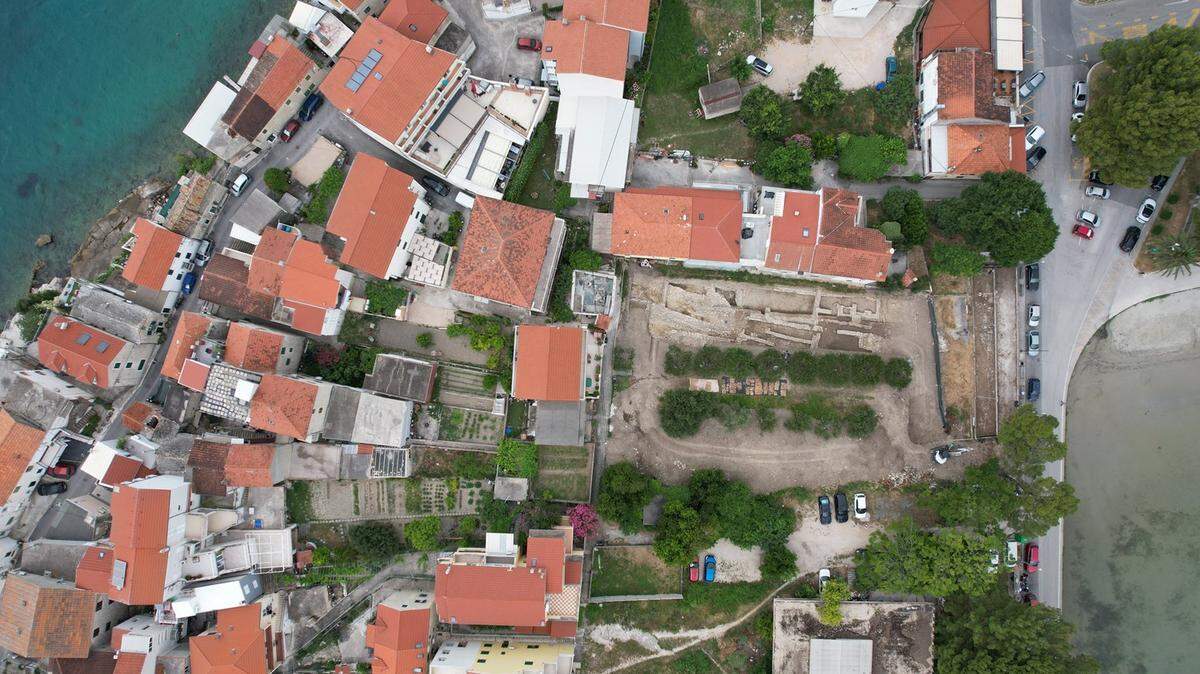
Along the picturesque coast of Croatia, archaeologists dug into the rocky soil. They suspected they’d find something valuable — but the massive ancient structure that reemerged surprised them.
A team of archaeologists began excavating an empty lot in Stobreč ahead of future construction projects, Croatia’s Ministry of Culture and Media said in a Sept. 26 news release. The lot was listed as a known historic site, but little research had been done there in recent decades.
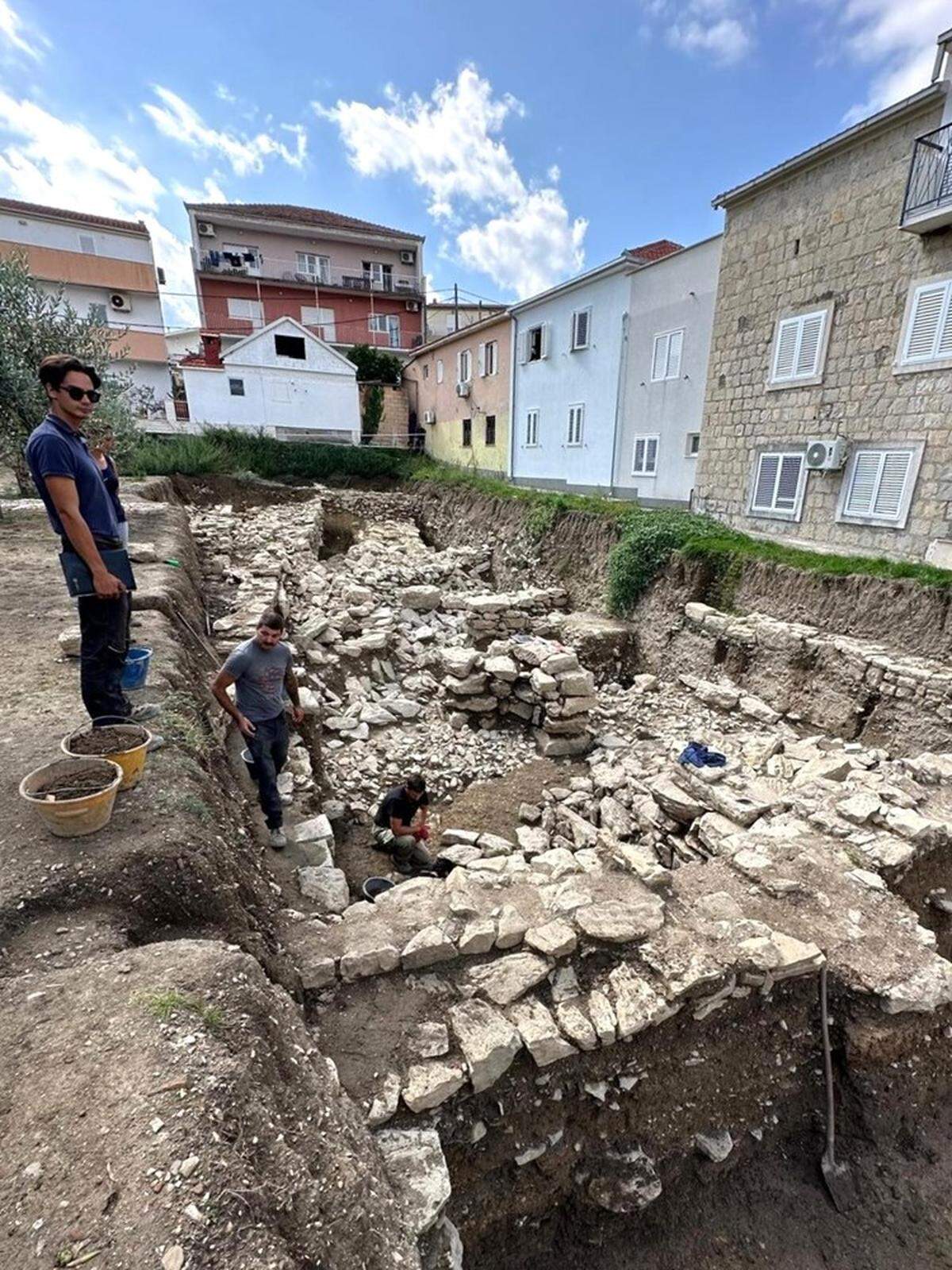
The project uncovered a massive Greek rampart, a type of defensive wall, from at least 2,000 years ago.
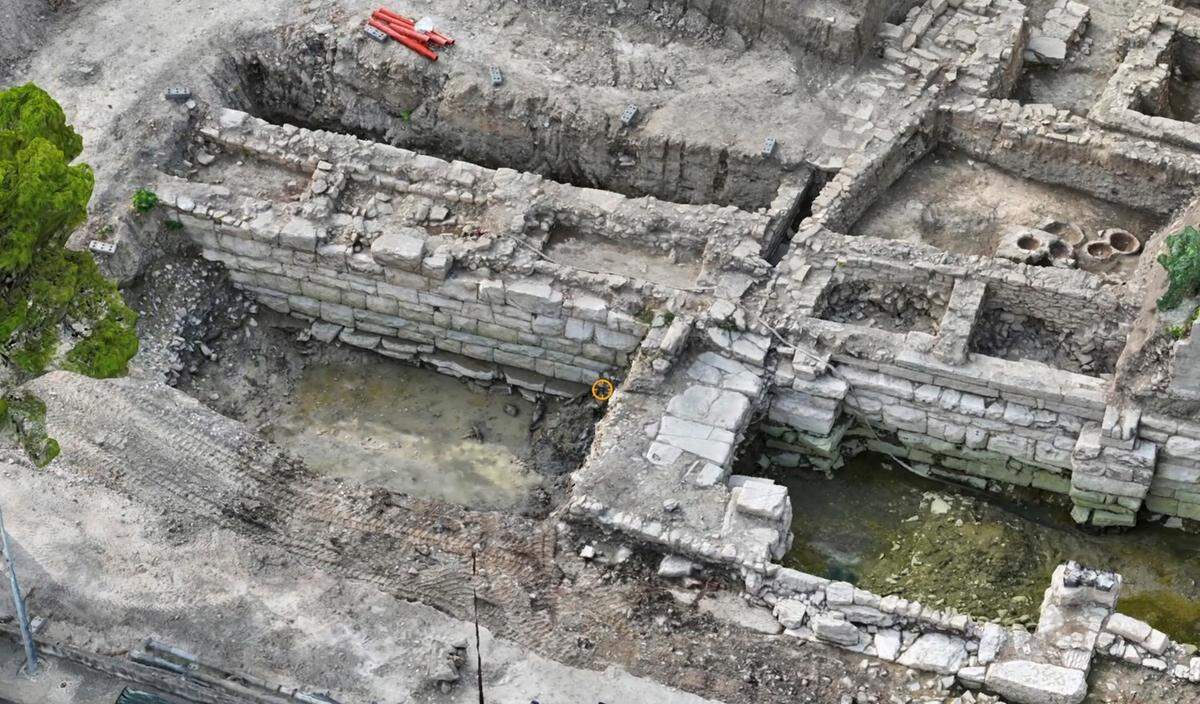
Photos show the huge ancient structure. Seen from above, the ruins have an L-shape. The shorter side looks like a row of five rectangular structures. The longer side has a less defined shape.
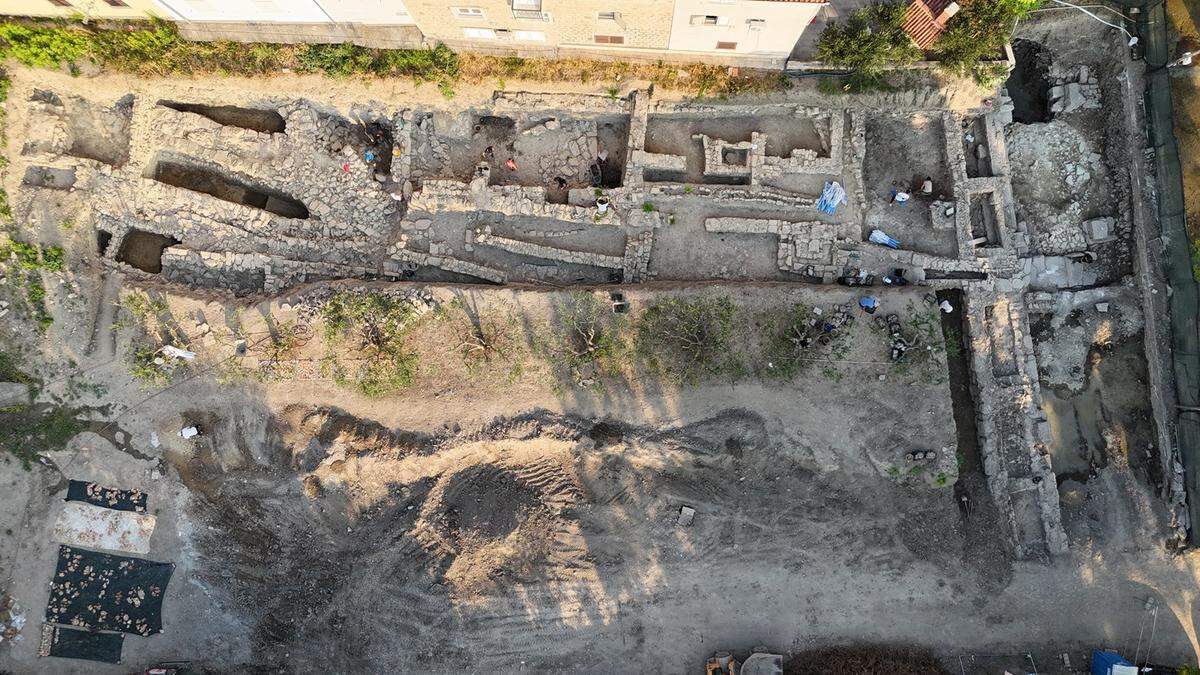
In total, the rampart measures about 230 feet long and 10 feet high at its tallest point, archaeologist Marina Ugarković said in the release.
Archaeologists described the structure as impressive, extremely monumental and the best-preserved Greek rampart in Croatia.
The ancient Greeks began colonizing modern-day Croatia in the fourth century B.C. and influenced the region’s script, currency, trade, land use and city wall structures, according to an article from the Miroslav Krleža Institute of Lexicography. Ancient Greek power in the region was followed “from the 2nd century BC onwards” by the ancient Roman empire.
Stobreč’s ancient history followed this progression. The city was founded as a Greek settlement by 200 B.C., before later becoming an ancient Roman trade hub, according to an article from the region’s tourism officials.
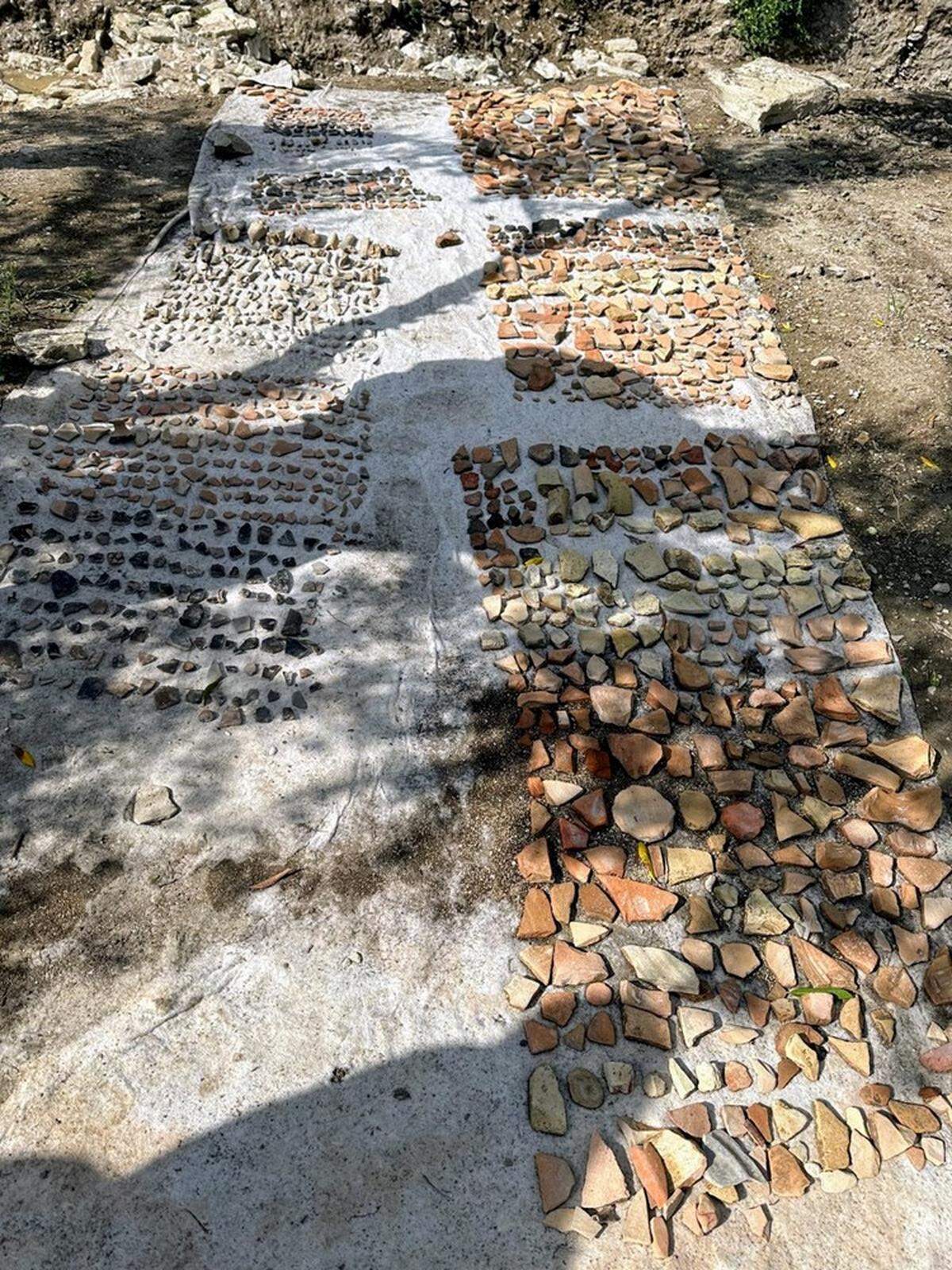
Excavations at the site in Stobreč also uncovered dozens of artifacts, ancient Roman ruins, and a structure from the Middle Ages. Archaeologists plan to continue research at the site.
Stobreč is a village along the southern coast of Croatia, near Split, and a roughly 250-mile drive south of Zagreb.
Google Translate was used to translate the news release from Croatia’s Ministry of Culture and Media.
This story was originally published October 7, 2024 at 1:53 PM with the headline "Ancient Greek structure — over 200 feet long — unearthed in Croatia. Take a look."