‘Mammoth graveyard’ next to ancient settlement may have been dumping ground, study says
In the frozen wasteland of ancient Siberia, early humans did what they could to survive.
Unlike species armed with thick fur coats or capable of hibernating through the worst of the cold, humans were particularly vulnerable.
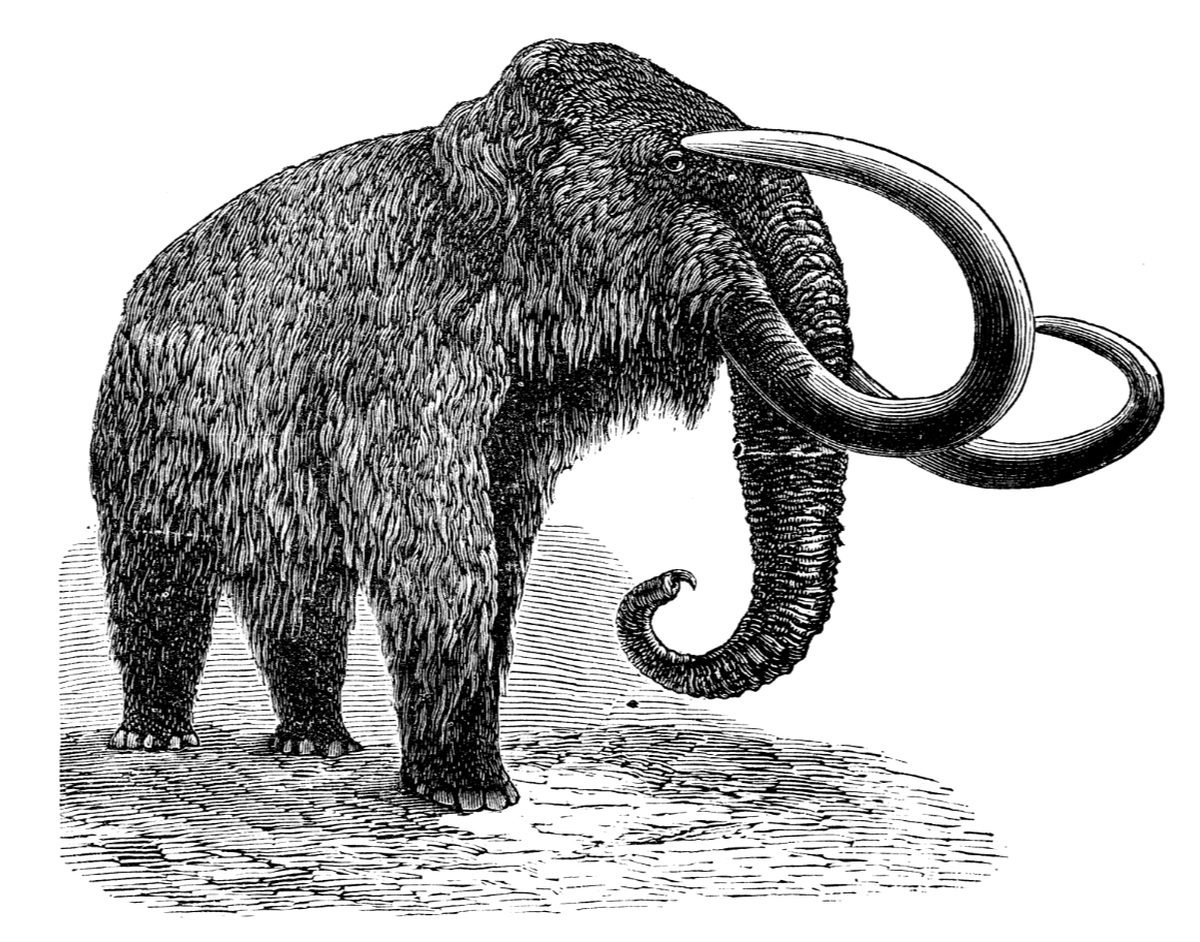
Mammoths, on the other hand, were in their element.
Their massive size, moppy wool and tusks primed the species for the Ice Age, and their population thrived for millions of years.
Then they were gone.
Today, scientists are working to understand mammoths’ great demise, the role humans played, and how the two species interacted.
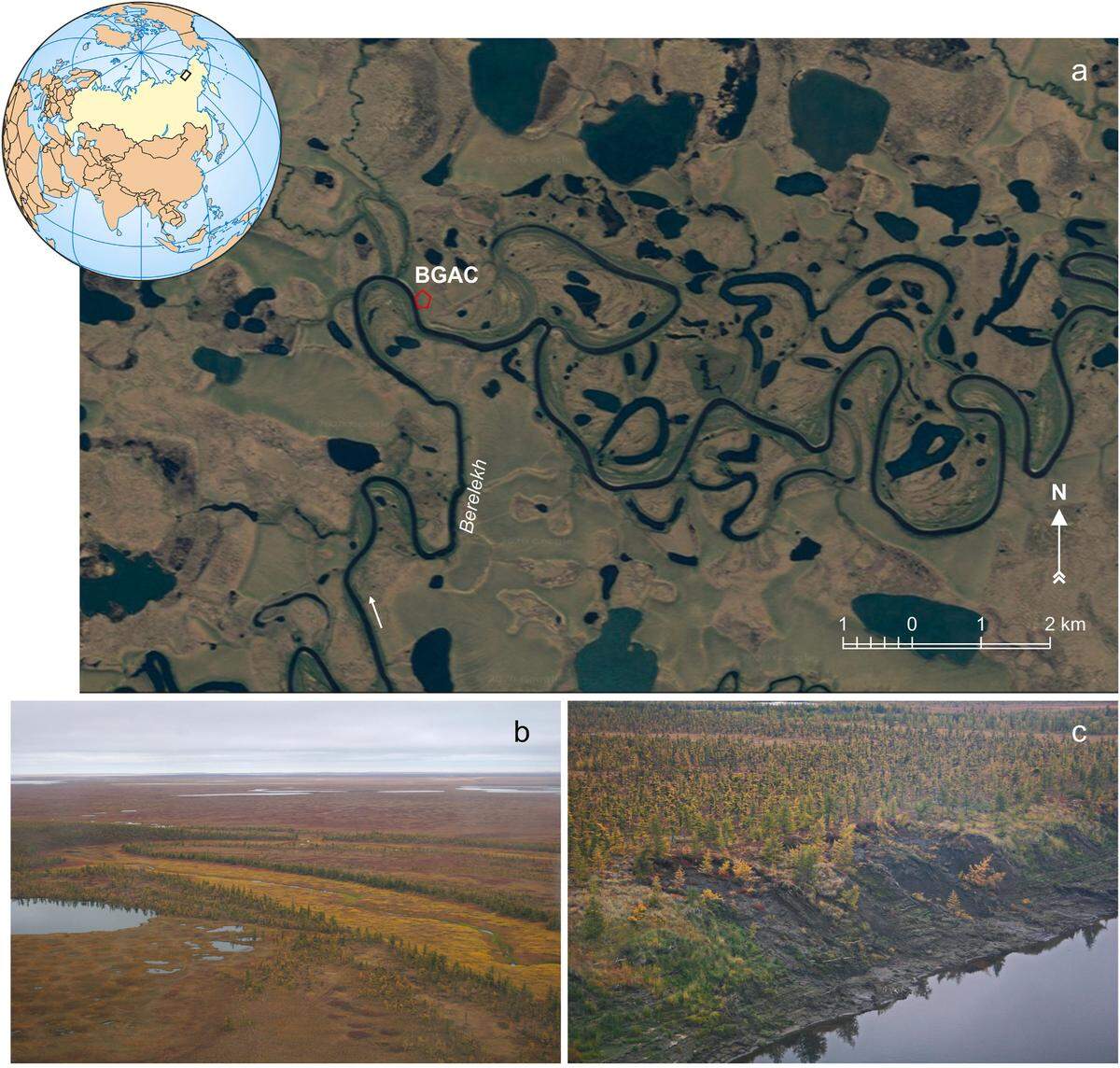
In the 1940s, explorers reached a remote riverbank in eastern Siberia and discovered thousands of bones scattered on the dirt as the frozen ground thawed, according to a study published May 11 in the journal Quaternary Science Reviews.
The bones were later found to belong to the woolly mammoth, and bones from perhaps hundreds of animals were mixed together, according to the study.
Because of its extreme remote location, named for the Berelekh River, the site remained unstudied until the 1970s when it was deemed a concentration of “true natural origin,” meaning the bones were there because of a mass die-off event, or they had built up from washing down the river, researchers said.
Now, scientists believe there is more to the story.
“The Berelekh ‘mammoth graveyard’ actually represents a complex of geoarchaeological sites comprising two phenomena linked in space and time,” researchers said.
The graveyard is a short distance away from an ancient human settlement, according to the study, and archaeological material was found in previous surveys of the area in 2004 and 2009.
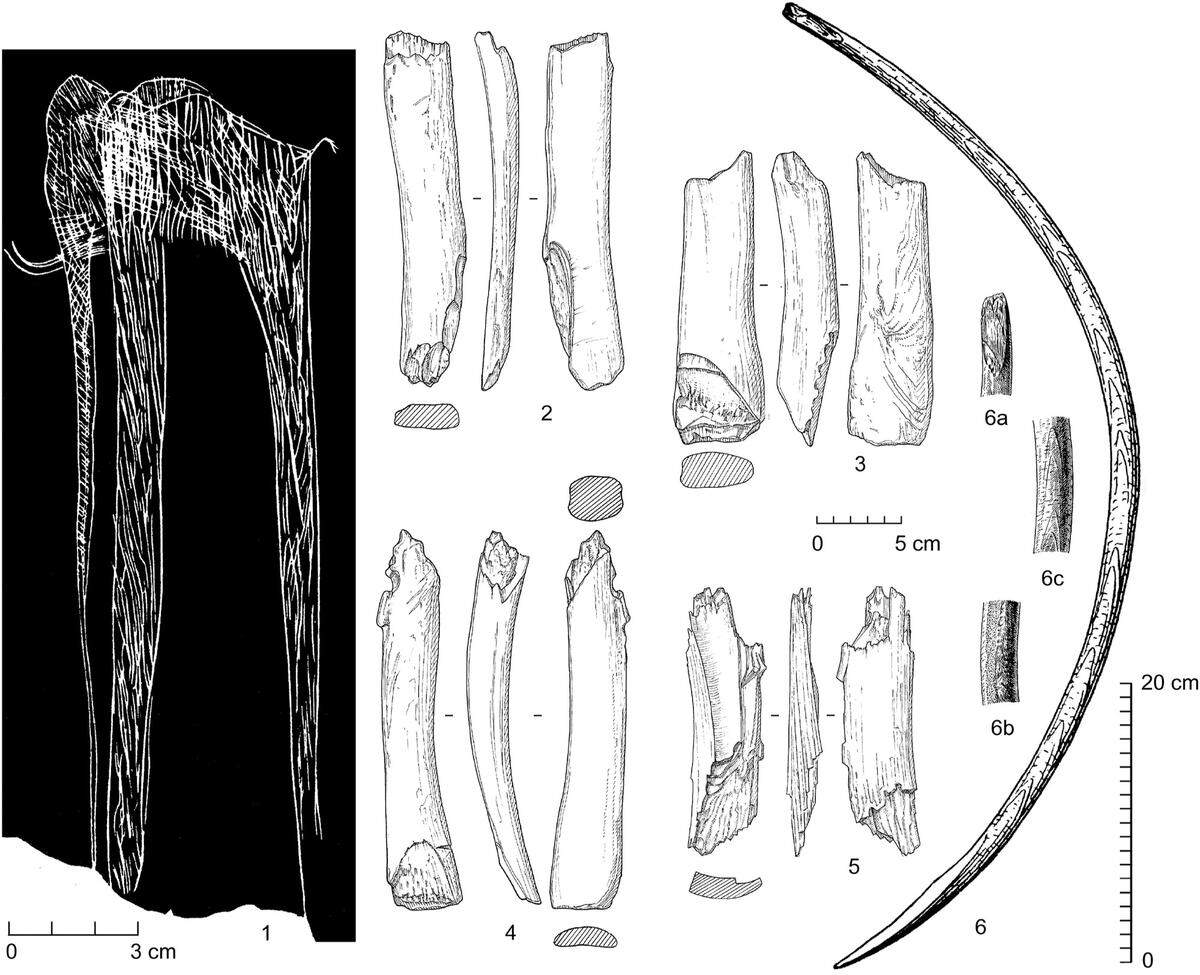
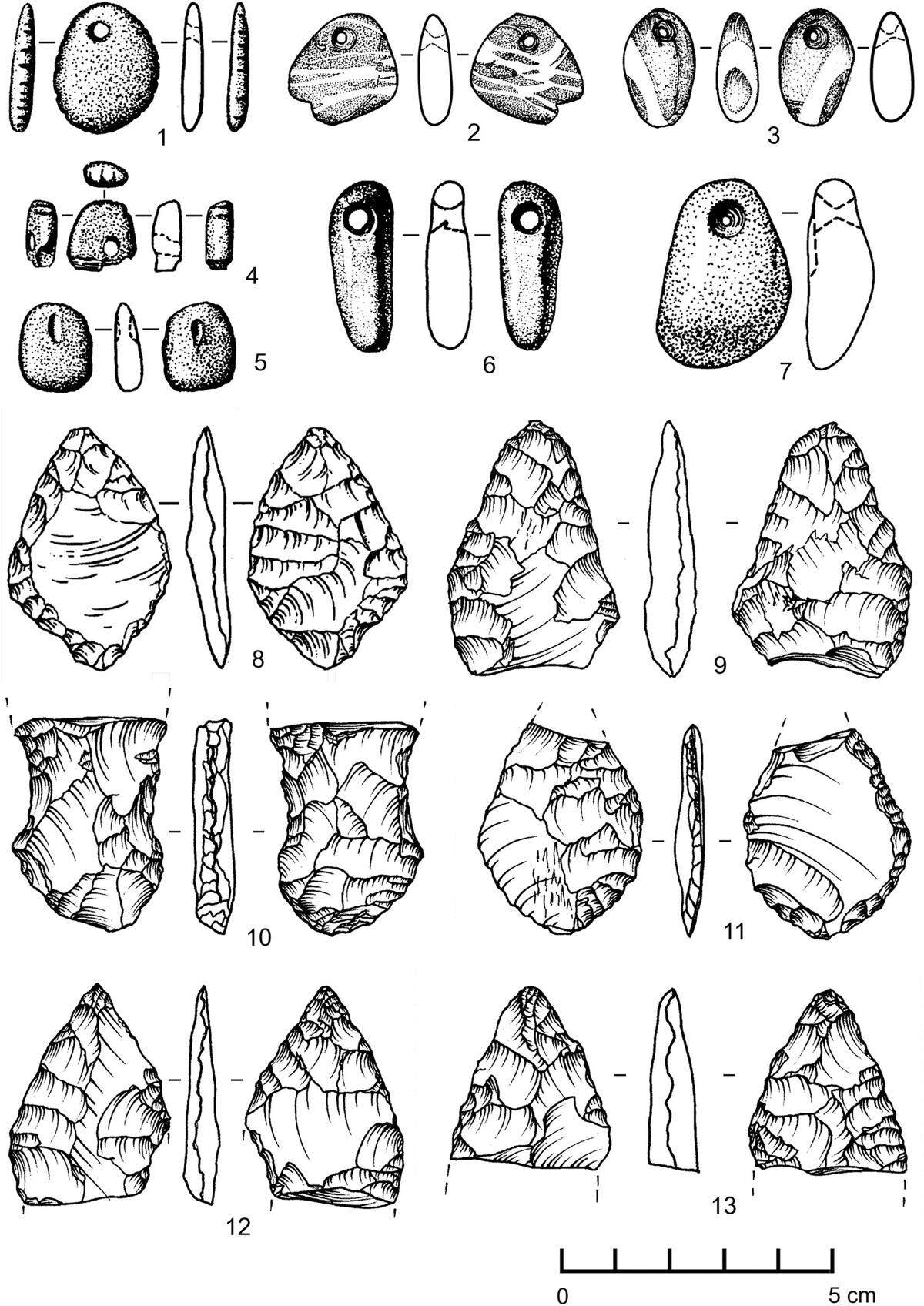
Stone pendants with holes carved in one end and stones shaped into spear points were also found, researchers said. There were also tools made from mammoth rib fragments and an engraving of a mammoth.
Importantly, evidence of these ancient humans was found in the same “terrace” or soil layer as the mammoth bones, according to the study.
Previous studies concluded that the mammoth graveyard existed before the humans and they scavenged the bones for their own uses, but researchers now believe the two species may have overlapped by as many as 800 years.
“The Berelekh ‘mammoth graveyard’ can no longer be considered a natural accumulation in the form of a fluvially-derived concentration, mass death event, or a series of mass death events in the same location,” researchers wrote. “Instead, it should be considered an example of a humanly created mass accumulation of mammoth remains, now widely known in East Siberia.”
Scientists found the bone and ivory artifacts were radiocarbon-dated to the “same range as the dates from the archaeological site,” showing “people at the site were generally making bone and ivory artifacts” from animals that lived at the same time, and not from “bones and tusks scavenged from older frozen deposits,” according to the study.
Some of the bones also had evidence of blowfly pupae, meaning the bones would have been defleshed before they were put in the ground as opposed to the entire body of the mammoth being left, according to the study.
There was also an odd collection of bones from at least 156 different mammoths, researchers said, suggesting the bones had been sorted.
“It is assumed that humans would abandon body parts of little value, e.g., spinal columns with most of the ribs, carpal (hand) and tarsal (foot) bones, at the kill site,” researchers said.
The oldest mammoth bones date to 12,500 B.C and range until about 11,800 B.C., suggesting centuries where humans and mammoths coexisted and humans used the bones “on a regular basis,” according to the study.
Unfortunately, further research will be limited to the bones collected from previous surveys.
“Although the (site) would have great potential and significance for world archaeology, the mammoth bone-bed no longer exists due to looting by modern-day mammoth ivory hunters,” researchers said. “Accordingly, this is the end of the story.”
The Berelekh River runs through east Siberia, in northeastern Russia.
This story was originally published June 12, 2024 at 1:51 PM with the headline "‘Mammoth graveyard’ next to ancient settlement may have been dumping ground, study says."