
Tiny great ape — from 11 million years ago — found in Germany clay pit. Take a look
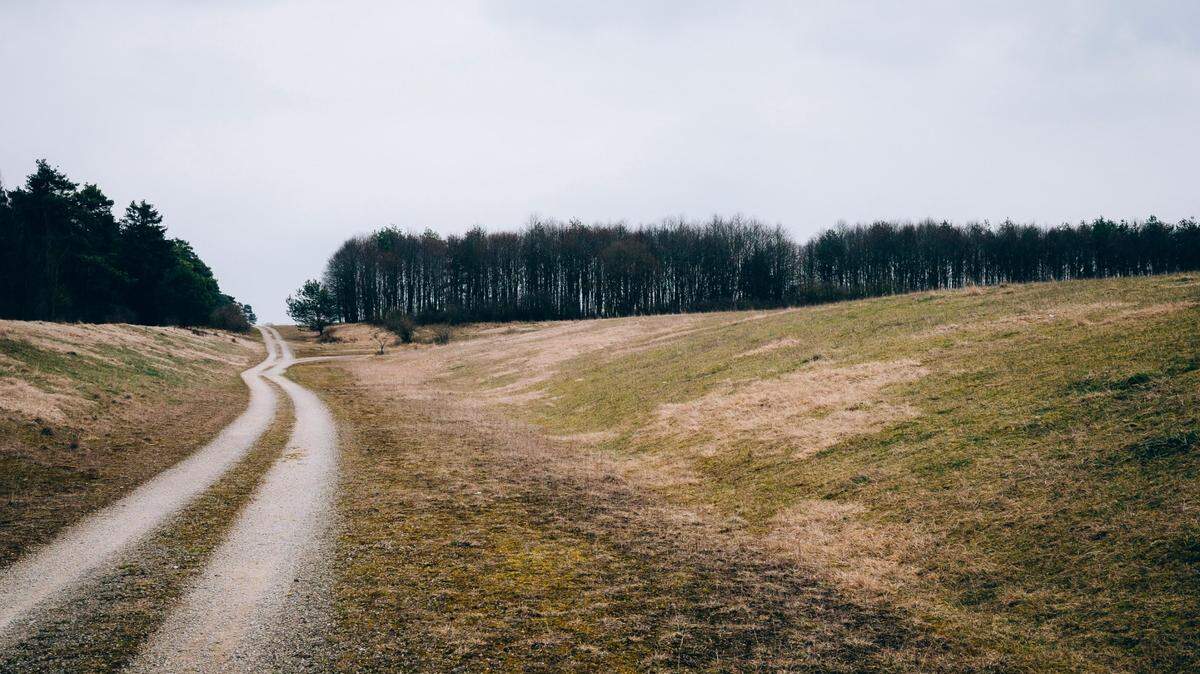
In the shadow of the mountains of southern Germany, the ancient bed of a flowing river now sits as a clay pit below the treeline.
The water once cut channels into the clay-like and silty sediment multiple feet deep.
It’s called the Hammerschmiede outcrop, and as plants and animals died along the flowing water over millions of years, the soil covered them up, preserved them and waited for their remains to be discovered.
In 2019, a group of researchers discovered the fossil remains of Danuvius guggenmosi, a prehistoric hominid that “rewrites the story of bipedalism,” Smithsonian Magazine reported. The species lived 11.6 million years ago, during the Miocene Epoch, and existed as an ancient ancestor of modern day apes and humans.
Now, the same team has revealed another discovery — a new species of tiny great ape.
The discovery was published June 7 in the journal PLOS One.
“No Miocene sites in Europe are known to have more than one species of fossil ape, and Hammerschmiede has been no exception until now,” according to a June 7 news release published in EurekAlert.
“This new ape is represented by partial remains of two teeth and one patella whose size and shape are distinct from Danuvius and all other known apes,” researchers said.
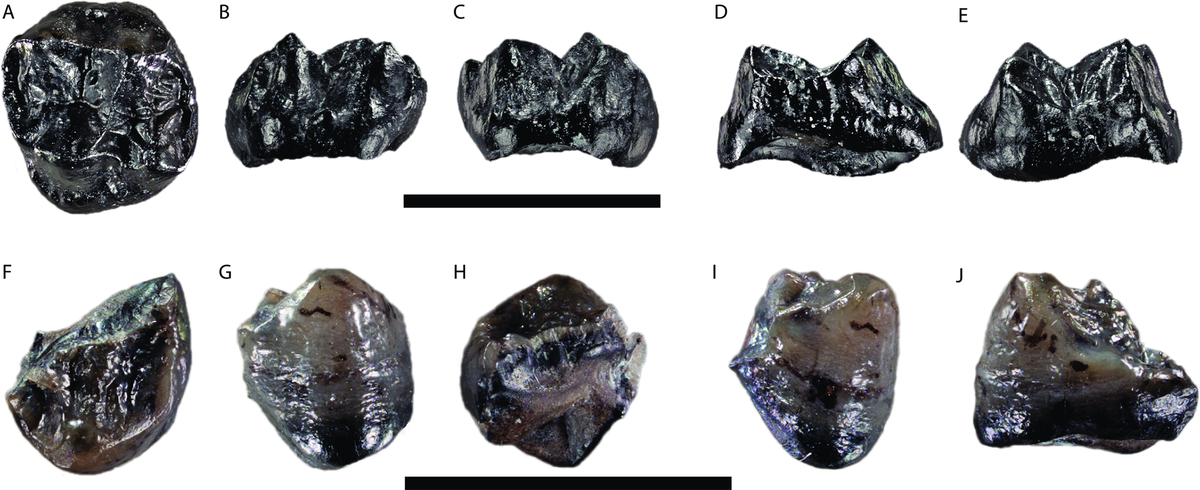
The fossils were discovered in the same stratigraphic layer as Danuvius, or the same layer of soil that dates to that time period, according to the study.
That suggests that the two species, while different, lived in the area at the same time and might have competed for resources, researchers said.
The new species was named Buronius manfredschmidi, after the medieval city of Buron located just south of the clay pit, and Manfred Schmid, a private fossil collector.
Compared to the Danuvius species, however, this new ape is incredibly small.
“The teeth and patella of Buronius are close in size to siamangs (a species of black gibbon found in Indonesia, Malaysia and Thailand), suggesting a body mass of about 10 kg,” according to the study, which is about 22 pounds, and makes the species the “smallest known great ape.”
The species has the same weight as two household cats or a hefty watermelon.
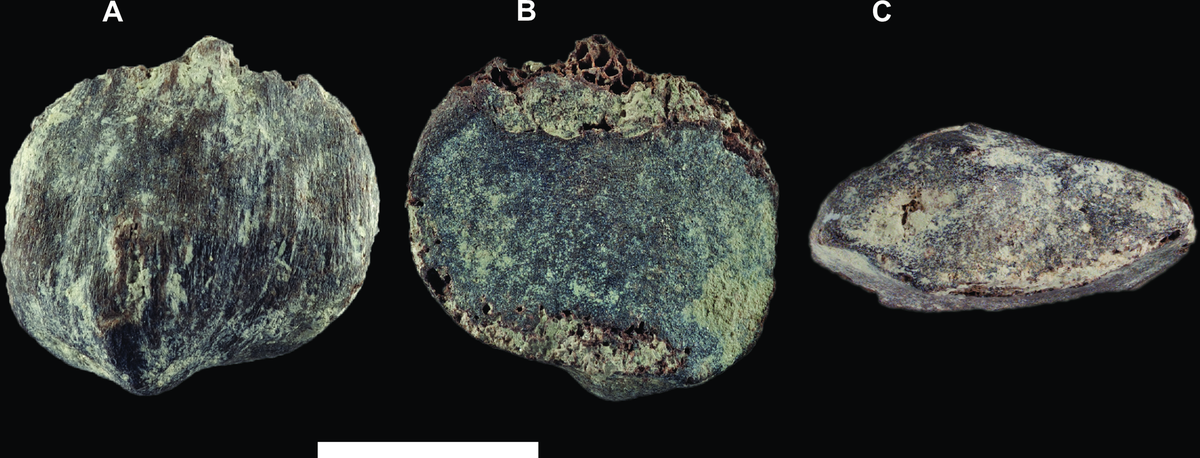
Apart from the size of the ape, the fossils provide a look inside the creatures’ lives more than 11 million years ago.
“Based on the structure of the teeth and patella, the authors infer that Buronius was an adept climber which ate a diet of soft foods such as leaves,” researchers said. “These features suggest that Buronius had a distinct lifestyle from Danuvius, which is a larger bodied species with a diet of tougher foods.”
The study authors likened the difference between the ancient species to that of modern gibbons and orangutans, which live together in the forests of Borneo and Sumatra in a behavior called sympatry.
In these cases, both species are able to thrive as they divide resources. Today, gibbons prefer soft fruits in the high canopies, while orangutans eat harder foods closer to the ground, according to the study.
Researchers believe this may be the earliest evidence of sympatry between hominid species.
More research will be needed to determine what specifically the new species ate, researchers said, and how its diet played into the relationship with Danuvius.
The Hammerschmiede clay pit is outside the modern-day city of Kaufbeuren in southern Germany, about a 55-mile drive west from Munich.
This story was originally published June 10, 2024 at 3:42 PM with the headline "Tiny great ape — from 11 million years ago — found in Germany clay pit. Take a look."
