
Mysterious burial of two babies under ‘dragon stones’ discovered in Armenia. See it
Across the sprawling mountain meadows of Armenia, rectangular stones poke out from the flowing grass.
Some are just a few feet tall, while others tower over the landscape.
Adorned with carvings of mythical creatures, the stones earned the name “dragon stones.”
“Their current vernacular name likely connects to local folk tales of dragons in the shapes of mythical bulls, fish and snakes living in the mountains, as divine guardians of water and thunder,” researchers said in a June 2 study published in the Journal of Archaeological Science: Reports. “Until now, (about) 150 known examples of dragon stones have been recorded, which are usually found collapsed to the ground at secluded, water-rich meadows located between (6,500 and 10,000 feet) above sea level.”
Archaeologists believe the stones were carved and placed as commemorative monuments at the center of open-air sanctuaries, according to the study. The oldest dated to the fifth millennium B.C.
One of these stones is unique — and marks a mysterious burial.
In the village of Lchashen in 1980, construction workers were installing water pipes near an ancient cemetery area when they discovered a dragon stone, researchers said.
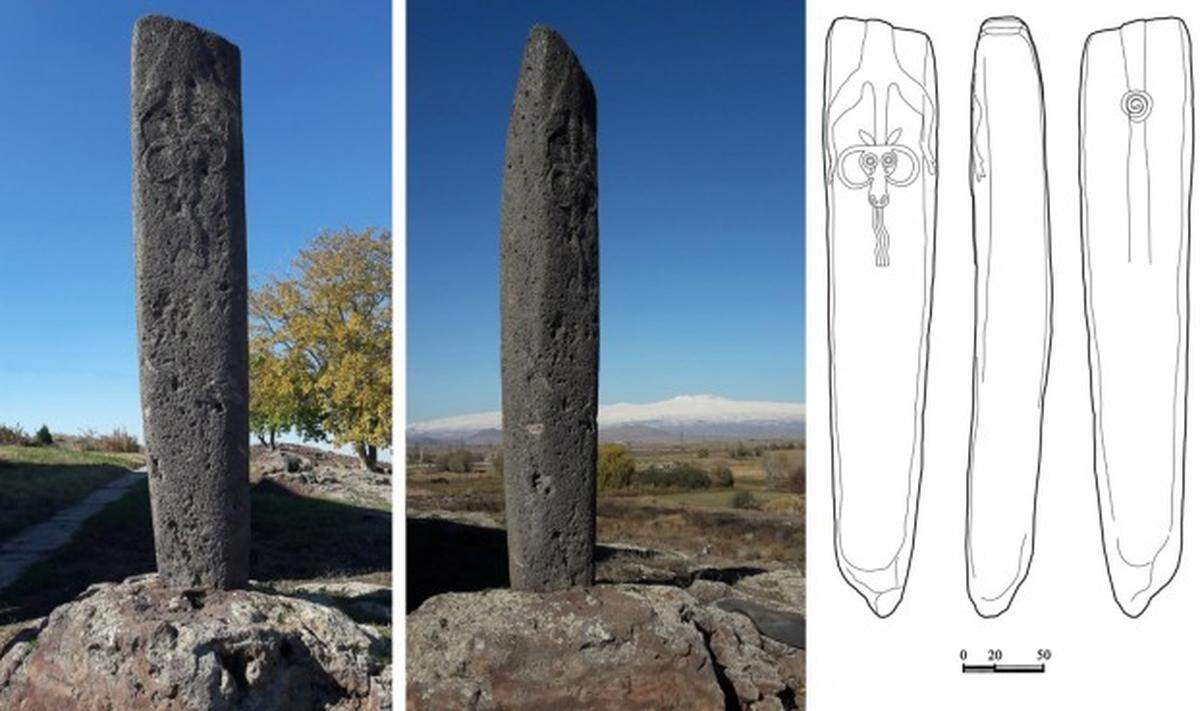
More than 11 feet high, the stone was found underground above a burial, according to the study, and was marked by the carving of a sacrificed bovid, as if it was draped on top of the stone.
“The bovid’s ears and the horns with arches descending on either side of the head are clearly distinguishable,” researchers said. “A liquid flowing from the mouth of the bovid may represent water, blood or a synecdoche of both.”
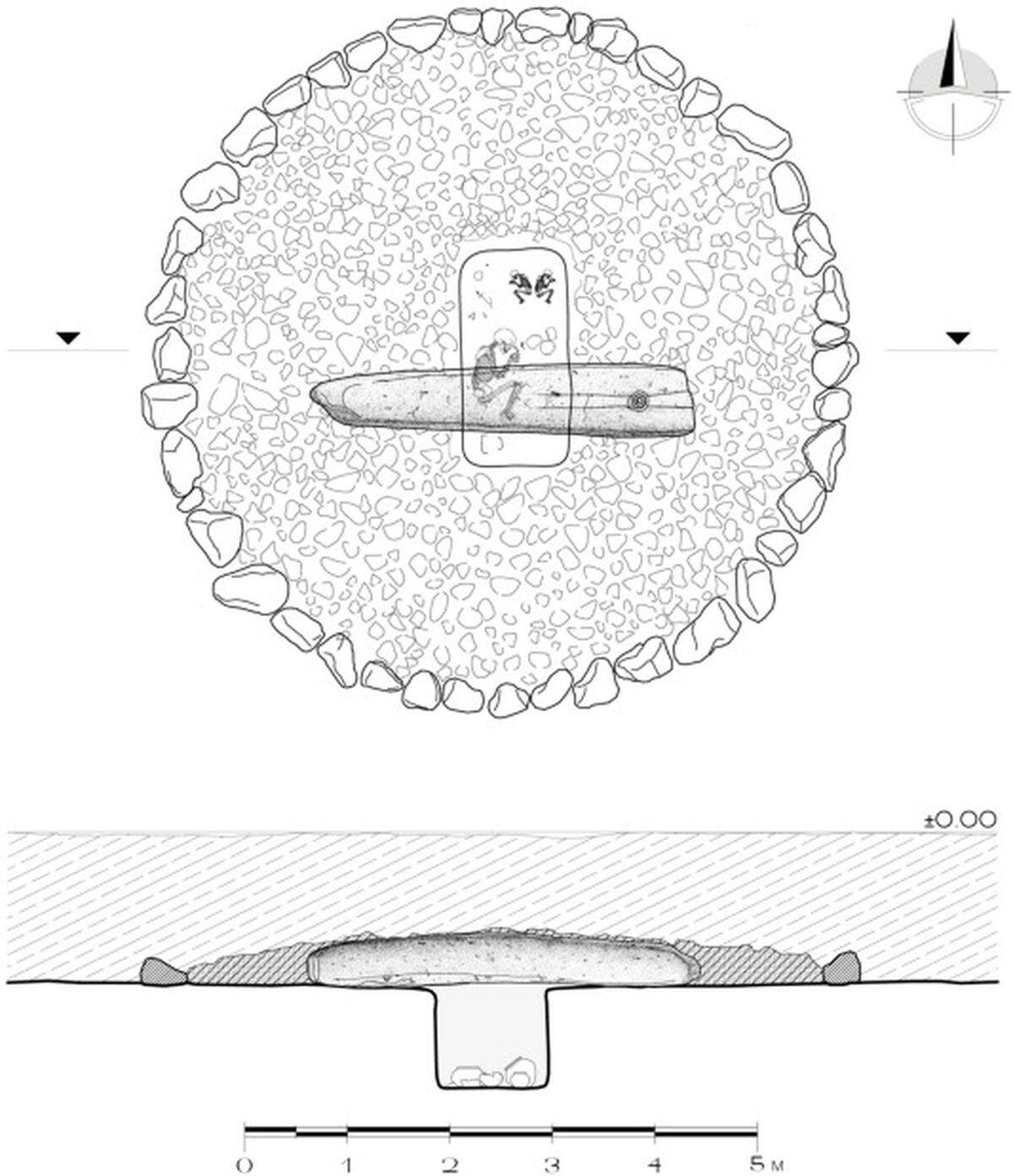
When first discovered in 1980, two sets of remains were collected from the dragon stone site and brought to a museum. Another set, an adult woman, was collected at the time but has since been lost, according to the study.
Now, the existing remains have been analyzed for the first time, and the results of the testing have confused researchers.
The bodies, called Dragon1 and Dragon2, belong to two infants younger than 2 months old, according to the study.
They were buried at the same time, researchers said, sometime between 1616 and 1503 B.C.
The babies were female, and researchers originally believed the babies may be twins because of their shared age and burial, according to the study.
However, when their DNA was sequenced, researchers found the babies had a “second degree relationship, implying potential biological relations such as half-sisters, aunt-niece, double-cousins or grandparent grandchild,” according to the study.
Researchers said the dragon stone tomb lacked all the indicators of a multi-generational burial, leaving only two options.
Either the two babies were aunt and niece and their mothers were pregnant and lost the babies at roughly the same time, or the two babies are a case of heteropaternal superfecundation.
Heteropaternal superfecundation occurs when one woman becomes pregnant with two babies at the same time from different fathers. The children are born as if they were twins, but they are actually only half-siblings.
In this case, researchers suggest the lost remains may have been from the mother, and the three females died and were buried together, according to the study.
“The event envisaged by the burial is in any case exceptional, both from the point of view of genetics and from the archaeological viewpoint,” according to the study. “In Late Bronze Age Armenia in general and at Lchashen in particular, burials of children are rare and the burial of two newborns combined with a monumental (dragon stone) is unique.”
As to how the three females died thousands of years ago, researchers offer two possible explanations.
“The possibilities are two: they died naturally or were killed/sacrificed,” researchers said. “The burial may be the result of a difficult birth, at the end of which the twins died. However, both the widespread spirituality among ancient societies and an unparalleled symbolic connotation of the burial with a dragon stone, raise the possibility of a sacred killing, although no direct traces of violence were detected on the fragile infant remains.”
Researchers said the killing of twins at birth was widespread, and the remains of other sets of twins have been found near lakefronts as these were.
The sacrificed bovid found on the dragon stone also points toward a possible cultural death instead of a natural one, according to the study.
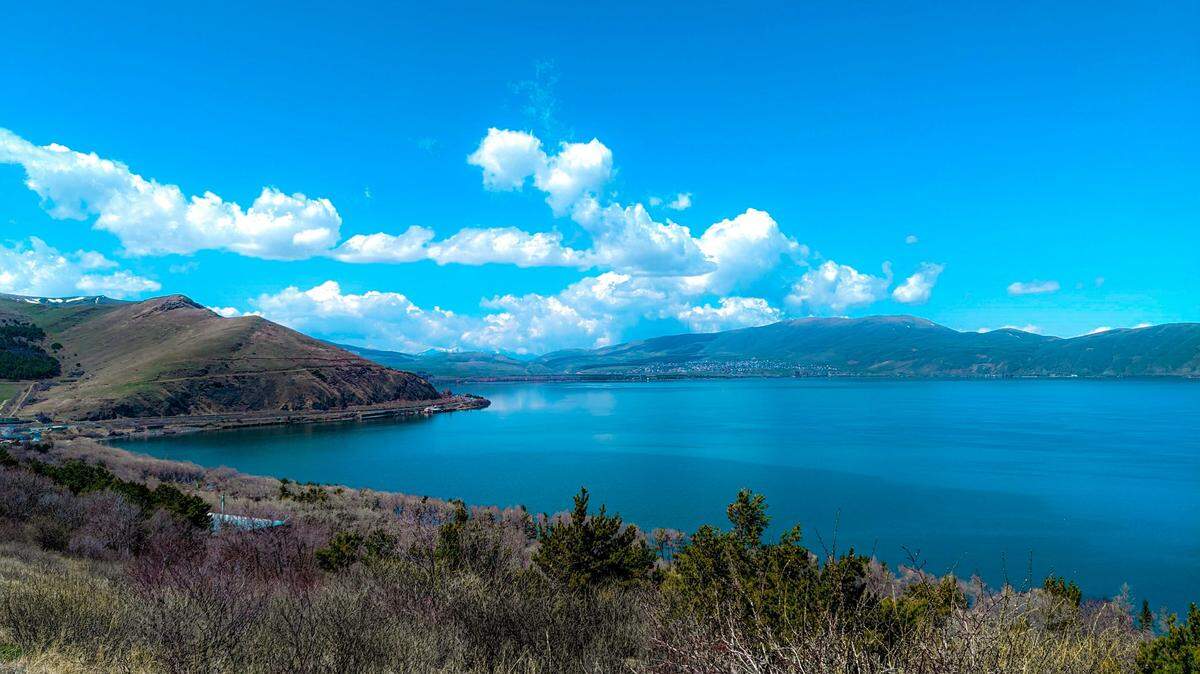
Lchashen is located on the coast of Lake Sevan in central Armenia.
This story was originally published June 4, 2024 at 11:33 AM with the headline "Mysterious burial of two babies under ‘dragon stones’ discovered in Armenia. See it."
