‘Seahenge’ — built 4,000 years ago in UK — may have been for climate ritual. See it
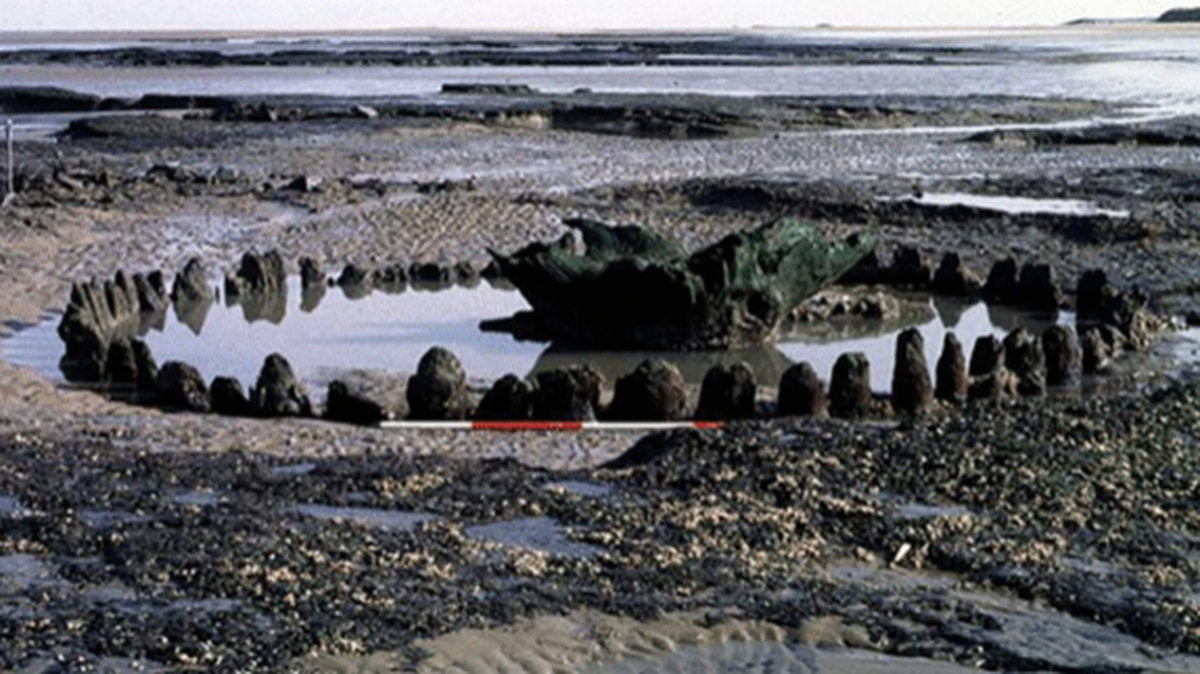
For centuries, waves crashed against the sandy beaches of the east coast of England. They pulled sand from the shore into the water, slowly reclaiming the land to the sea.
At Holme-next-the-sea in 1998, a circular construction of wooden pieces emerged from the shoreline as the sand washed away, revealing what would eventually become known as Seahenge.
It was a misnomer, a researcher wrote in a study published April 2 in GeoJournal, as it was not a henge at all, but rather mimicked the shape of more popularly known Stonehenge.
Just as the stony construction was shrouded in mystery, the purpose of Seahenge has never truly been proven. Now, one researcher believes he has the answer.
David Nance, from the department of geography and environment at the University of Aberdeen in Scotland, says he believes the circle of tree stumps may have been part of a ritual 4,000 years ago to put a stop to a changing climate.
Seahenge, officially known as Holme I, was built from wood dating to the spring of 2049 B.C., according to a May 29 news release from the University of Aberdeen. Holme I and nearby Holme II are part of 100 known “timber-circles” discovered in the region, according to the study.
“They were erected in a coastal-marsh habitat protected from the sea by sand dunes,” Nance wrote in the study. “Holme I was a six-by-seven-meter oval enclosure on a north-west to south-east axis encircling an upturned oak stump that had been placed in a pit. The outer palisade of vertically-split oak-posts was fabricated from particularly gnarled, knotty trees that would have been difficult to work.”
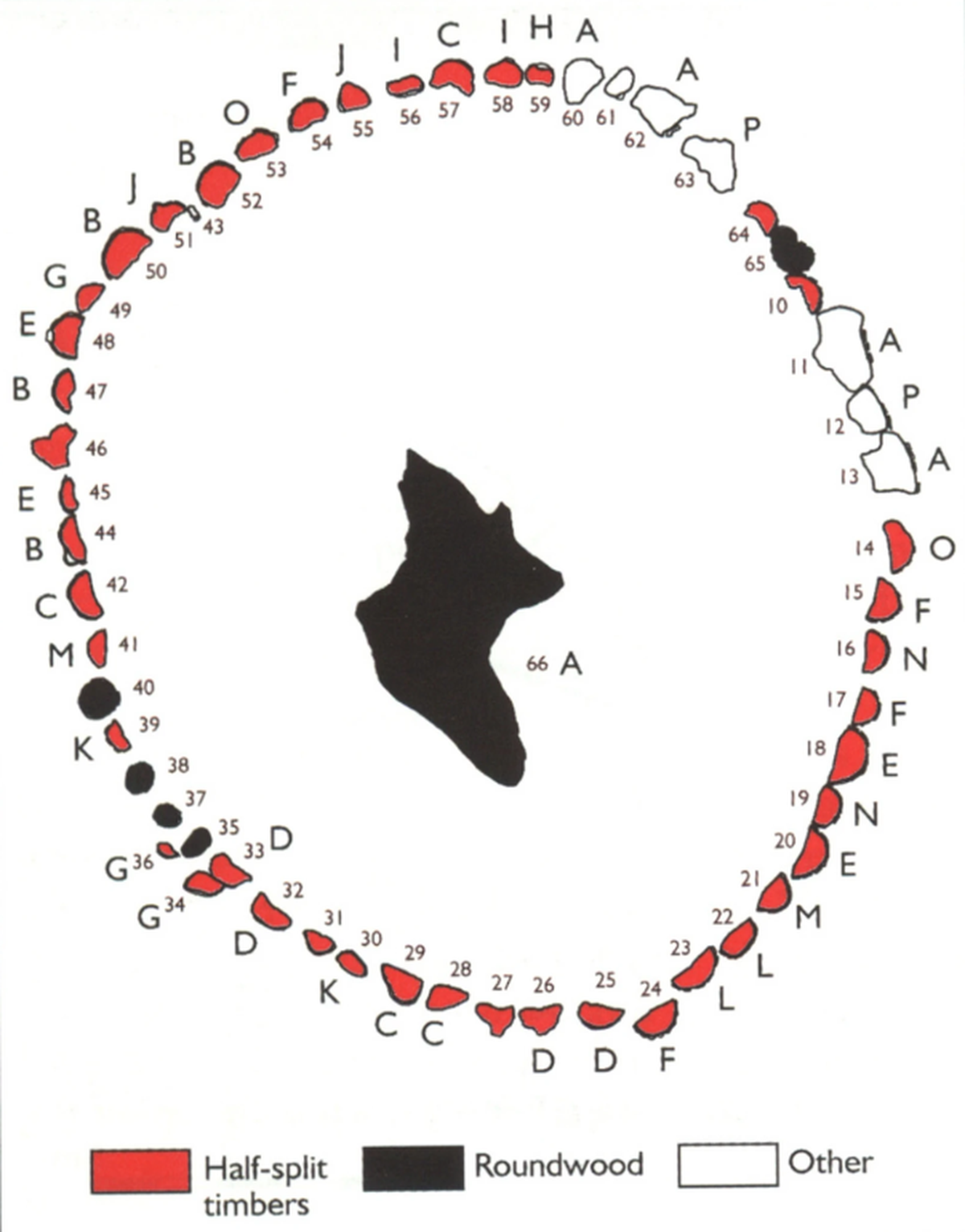
Researchers have been able to determine the exact time of year the trees were felled using dendrochronology, a method of using the lines from tree rings to determine age and environmental conditions.
“Dating of the Seahenge timbers showed they were felled in the spring, and it was considered most probable that these timbers were aligned with sunrise on the summer solstice,” Nance said in the release. “We know that the period in which they were constructed 4,000 years ago was a prolonged period of decreased atmospheric temperatures and severe winters and late springs placing these early coastal societies under stress.”
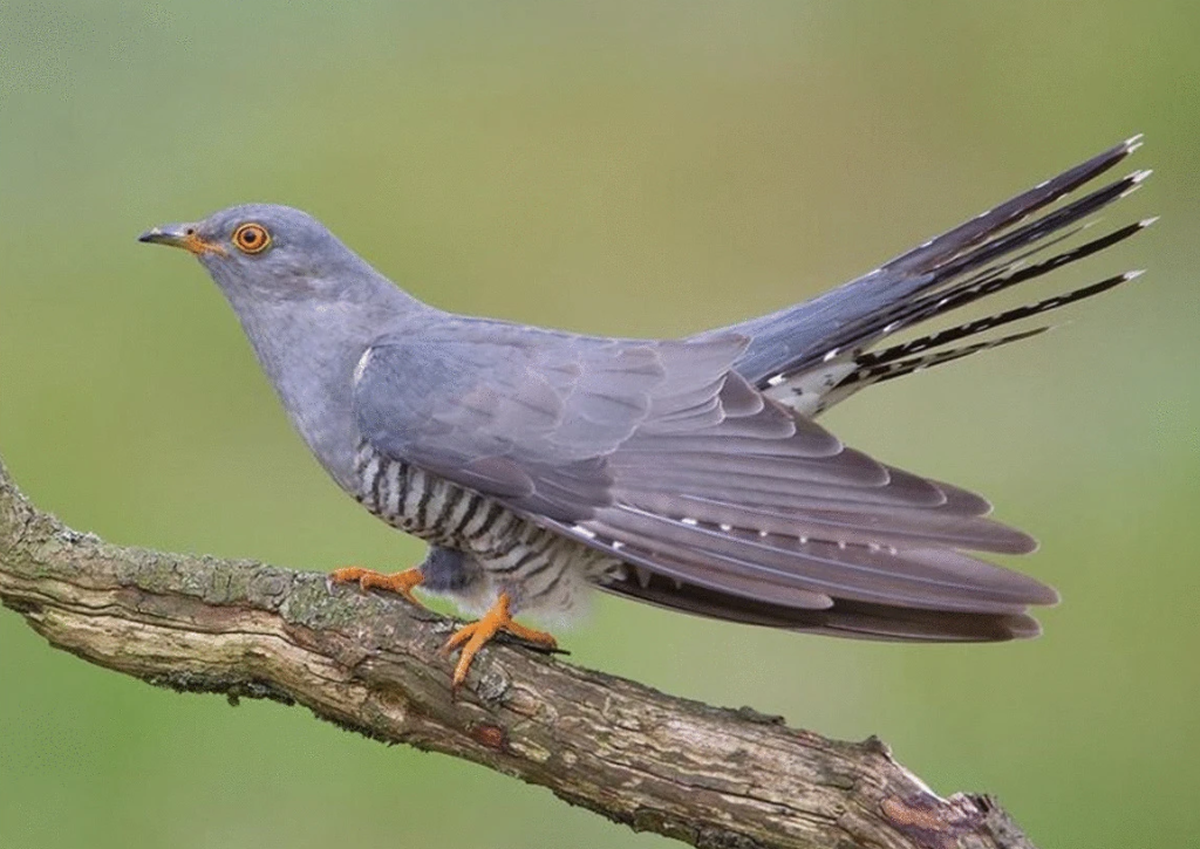
In ancient folklore, the summer solstice was marked by the cuckoo bird ending its song, Nance says. The cuckoo, which symbolized fertility, would stop singing and return to the Otherworld, according to Nance, and took summer with it.
But the region was experiencing long winters and summer was coming later, so the people did not want the bird to end its song. They could have then built Holme I as a “pen” to keep the cuckoo around.
“The monument’s form appears to imitate two supposed winter dwellings of the cuckoo remembered in folklore: a how tree or ‘the bowers of the Otherworld’ represented by the upturned oak-stump at its center,” Nance said. “This ritual is remembered in ‘the myth of the pent cuckoo’ where an unfledged cuckoo was placed into a thorn bush and the bird was ‘walled-in’ to extend the summer but it always flew away.”
Holme II, about 300 feet away, was oriented toward the sunrise when Venus would have been visible in 2049 B.C., according to Nance.
In Iron Age Ireland and northern Britain, cultures would sacrifice “sacred kings” to appease the goddess of Venus when “misfortune fell on the community,” to “restore harmony,” according to the release.
Previous research stated Holme II could have held a coffin, meaning within sight of one another, a sacrifice and a cage could have been made by one community struggling with climate change, according to the study.
“Both monuments are best explained as having different functions and associated rituals, but with a common intent: to end the severely cold weather,” Nance said.
Holme-next-the-sea is in Norfolk, England, on the central-eastern coast.
This story was originally published June 3, 2024 at 5:12 PM with the headline "‘Seahenge’ — built 4,000 years ago in UK — may have been for climate ritual. See it."