Mysterious ‘curse tablets’ and ‘sophisticated’ paintings found at ancient Roman site
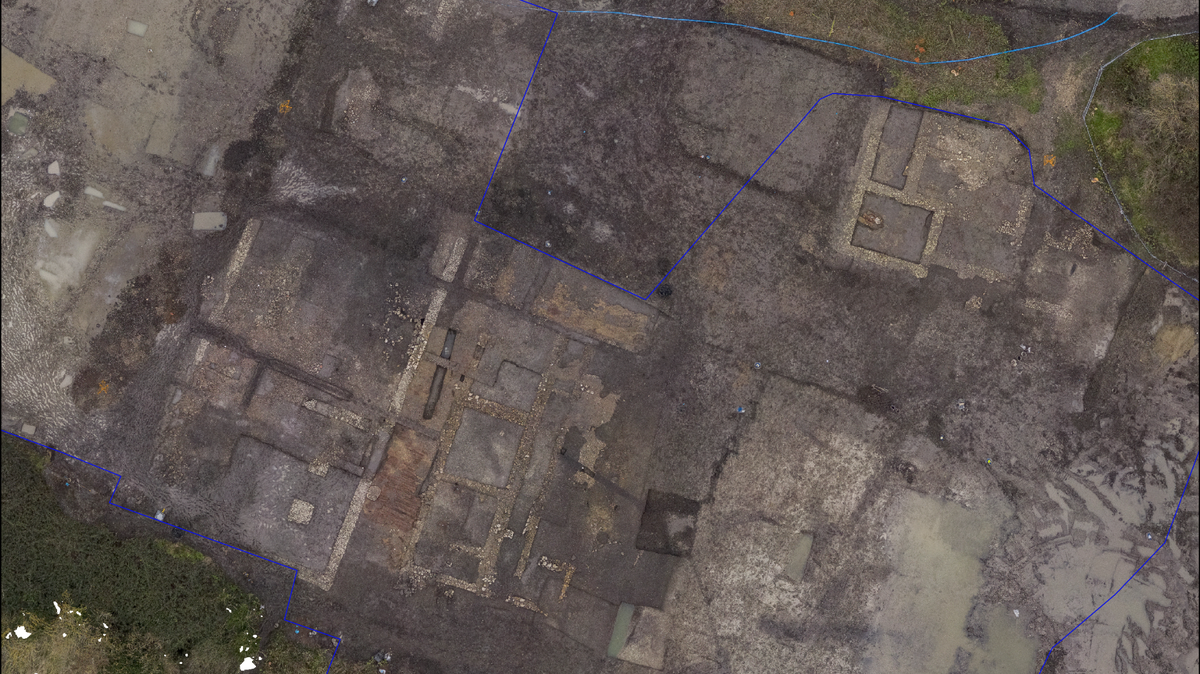
Surveying the rocky soil of the southern United Kingdom, a team of archaeologists had a good feeling about the site where they were working.
Excavations began at the site in Grove ahead of the construction of a housing development, Red River Archaeology Group said in a March 27 release shared with McClatchy News.
“We suspected that the site was going to be very rich,” archaeologist Francesca Giarelli told McClatchy News. The team had been working for months so “as soon as we hit the first wall, we pretty much knew that (it) was going to be a villa.”
Archaeologists identified the “remarkable” ruins as an 1,800-year-old Roman villa complex.
The ancient Roman complex had three main buildings with the earliest structures dating between 50 A.D. and 200 A.D., the group said. The site fell out of use between 350 A.D. and 450 A.D.
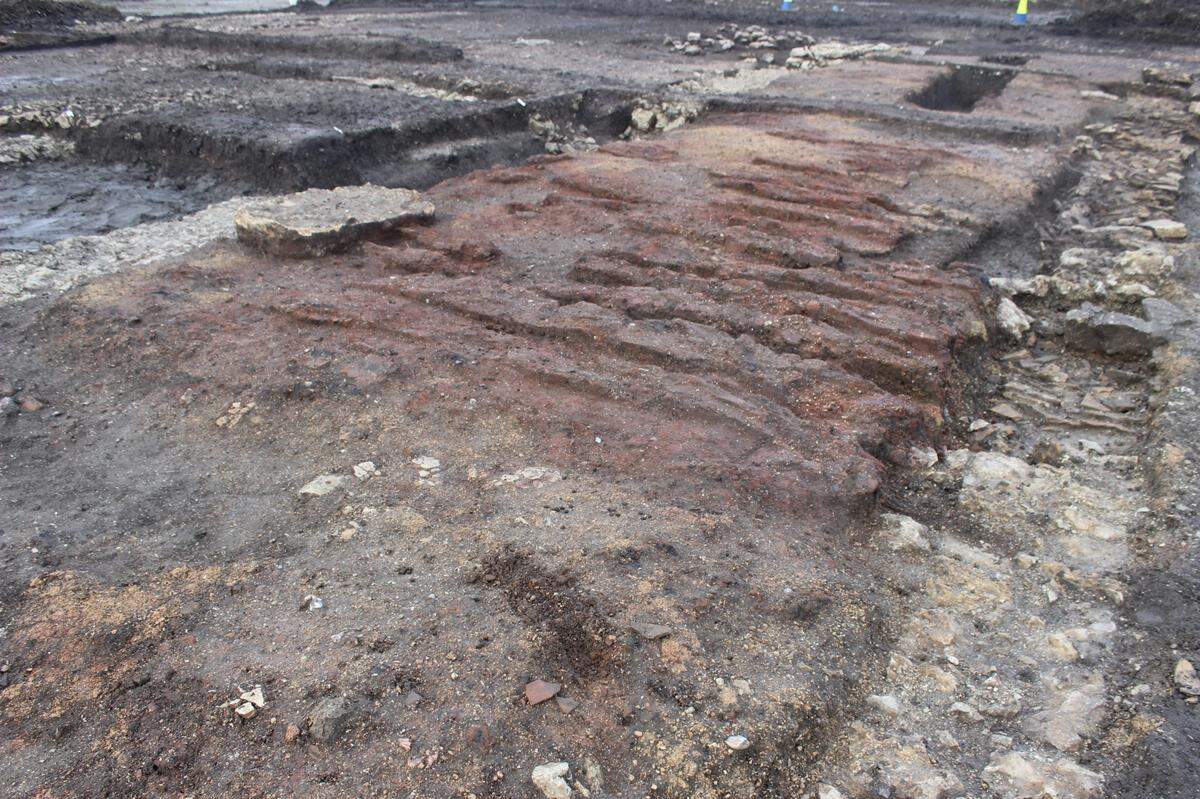
“The sheer size of the buildings that still survive and the richness of goods recovered suggest this was a dominant feature in the locality, if not the wider landscape,” Louis Stafford, a project manager with the group, said in the release.
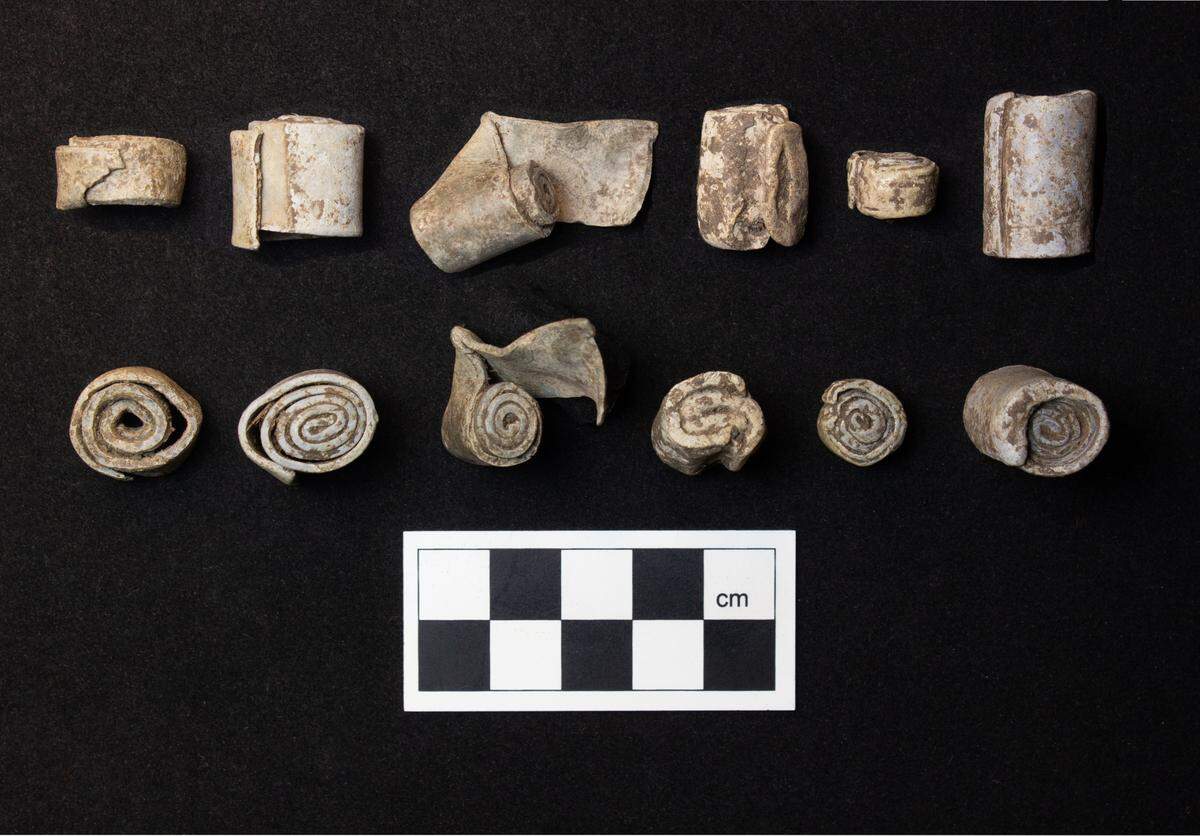
Archaeologists uncovered a mysterious collection of “tightly coiled lead scrolls” at the villa complex, the group said. These scrolls were used as “curse tablets.”
“They’re little rectangular pieces of lead in which people will write their wishes or curses towards people,” Giarelli said. Afterward, the scrolls would be rerolled and put in an offering pit.
Ancient Roman “curse tablets” are mostly found near cultural centers, such as temples, in Britain. “Our site is quite weird because, for now, we don’t have a clear cultural center so we’re still trying to understand what (the scrolls) represented,” Giarelli said.
Photos show some of the lead scrolls found at the villa complex.
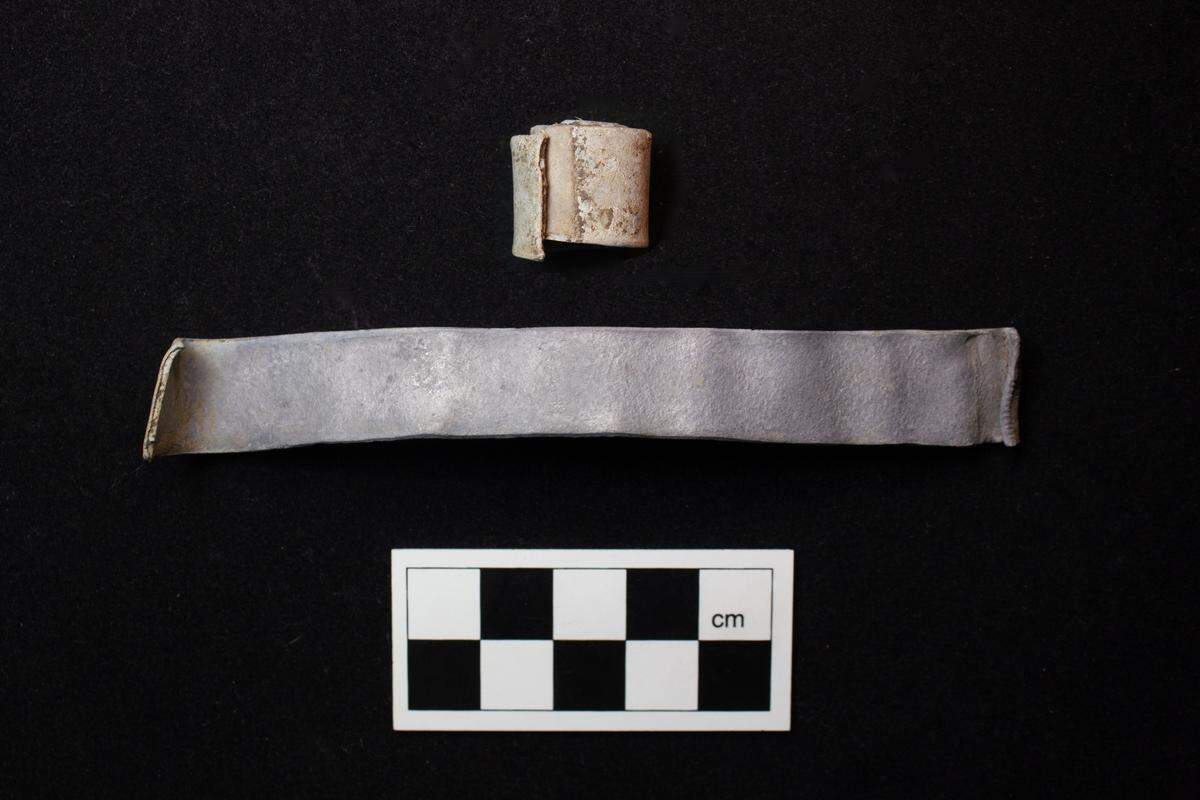
“We have about 20 (lead scrolls),” Giarelli said. “We unrolled just six of them, and the six that we unrolled are blank.” The team hopes that some of the remaining scrolls will have writing on them.
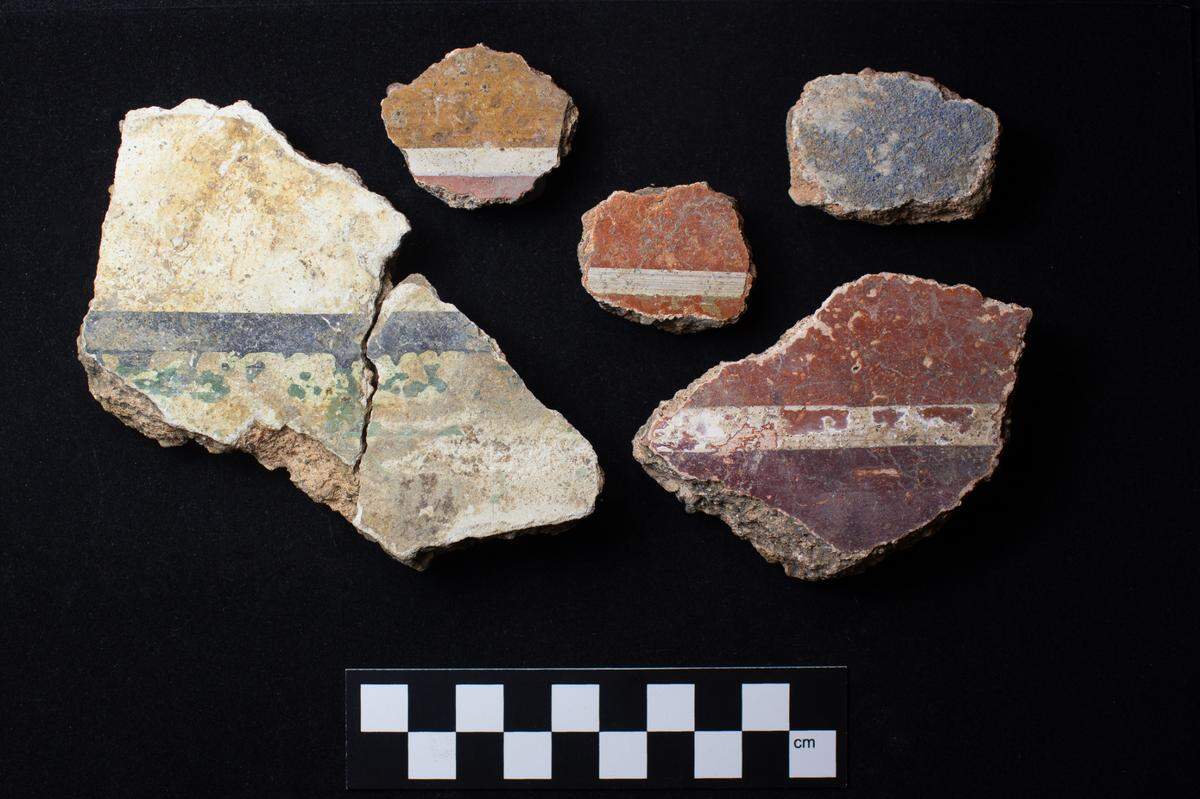
Archaeologists also found brick flooring, an indoor under-the-floor heating system known as a hypocaust, an oven structure for drying wheat or oats and fragments of “sophisticated” paintings on plasters.
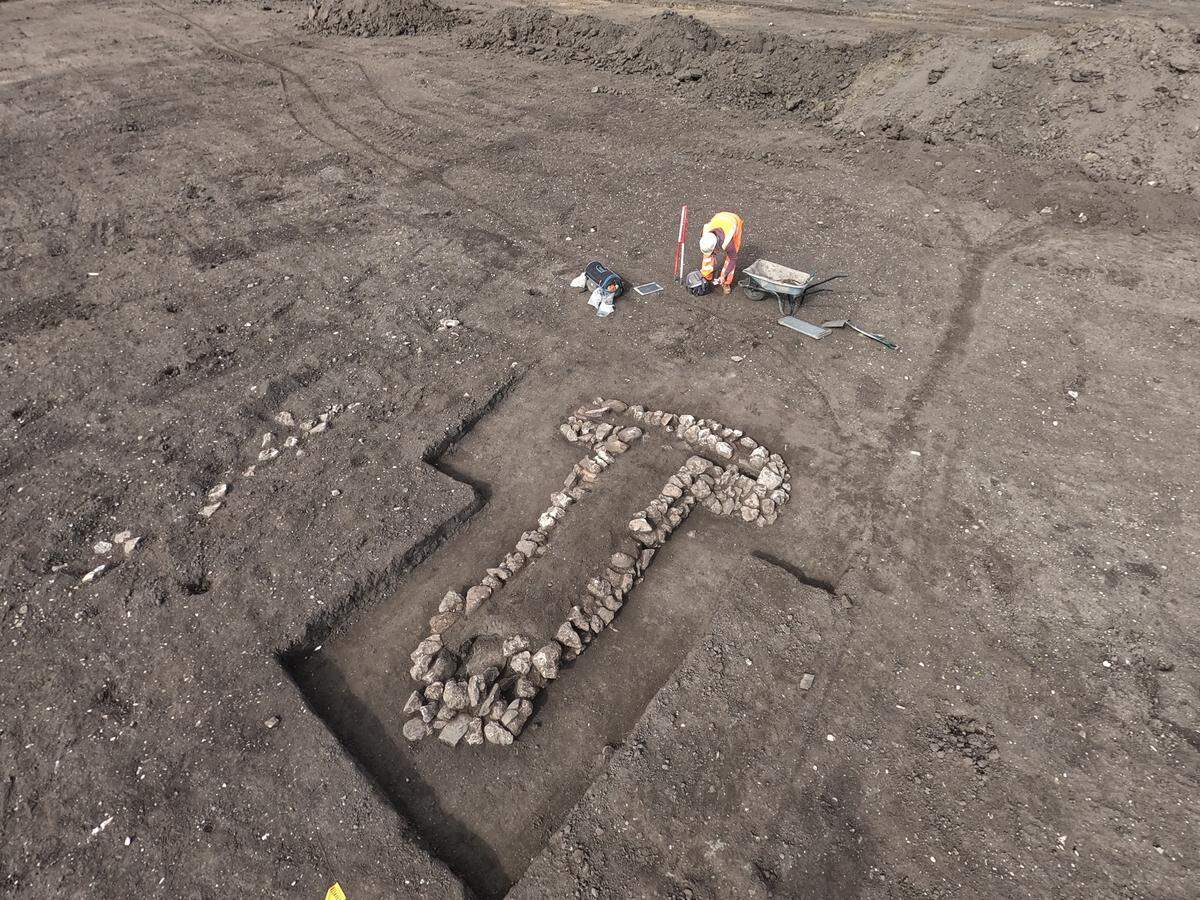
Giarelli said the painted plaster was “really exciting to find. … You could really see all the different colors, and it would not have been much different in the past.” A photo shows some of these colorful fragments.
The excavation also unearthed a “miniature” axe that likely served as an offering, pottery fragments, coins, jewelry and a belt buckle shaped like a horse head.

Excavations at the site in Grove are ongoing. Eventually, the artifacts will be moved to a laboratory and analyzed.
Grove is a village in Oxfordshire, England, and about 70 miles west of London.
This story was originally published March 28, 2024 at 2:59 PM with the headline "Mysterious ‘curse tablets’ and ‘sophisticated’ paintings found at ancient Roman site."