
Fossilized lightning sold by Florida neighbors may be new type of mineral, study says
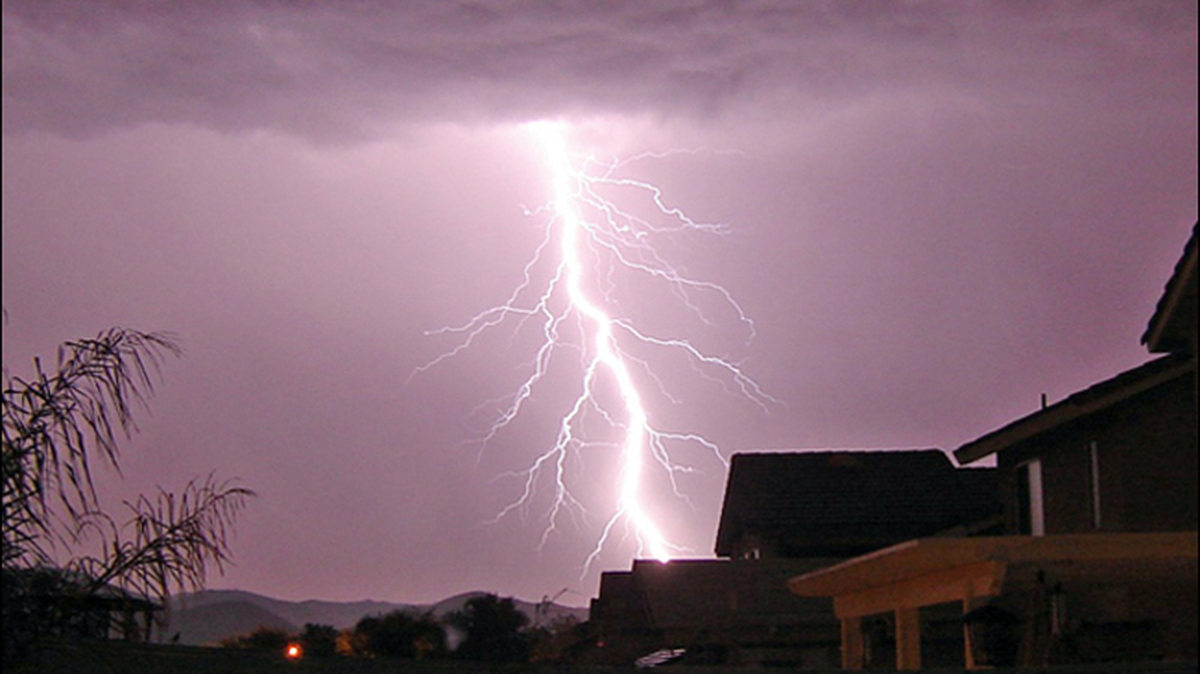
A group of Florida neighbors trying to cash in on a lightning strike may have inadvertently found a new type of mineral group.
The bolt struck a tree in their New Port Richey neighborhood, fried its roots and left a fulgurite — fossilized lightning — that they assumed could be valuable.
They were right.
After more than a decade of study, geoscientist Matthew Pasek of the University of South Florida has concluded the rock he bought for $150 may represent a new phosphorus material.
“We have never seen this material occur naturally on Earth — minerals similar to it can be found in meteorites and space, but we’ve never seen this exact material anywhere,” Pasek said in an April 11 news release.
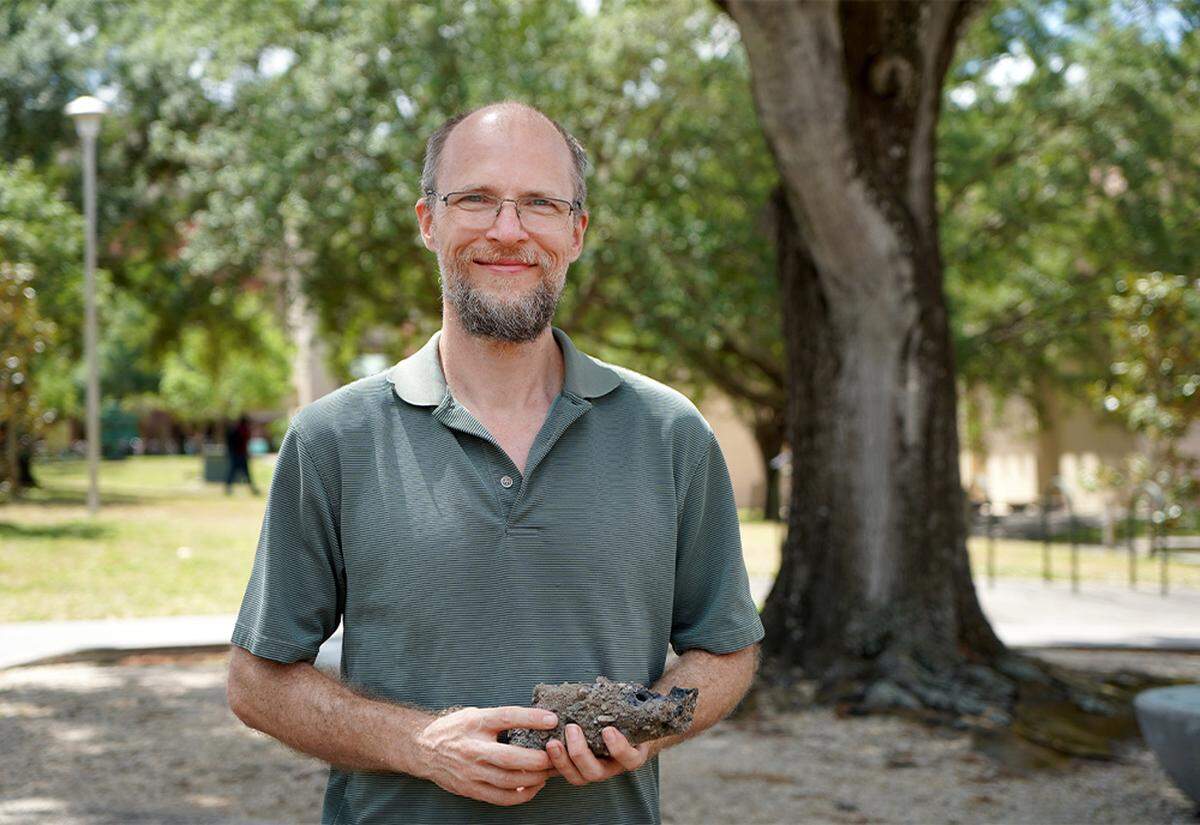
The research, which involved a trio of investigators, explored the ways “high-energy phenomena” like lightning can create phosphorus-infused material “that is transitional between space minerals and minerals found on Earth.” The research was published March 14 in the peer-reviewed journal Communications Earth & Environment.
“When lightning strikes a tree, the ground typically explodes out and the surrounding grass dies, forming a scar and sending electric discharge through nearby rock, soil and sand, forming fulgurites, also known as ‘fossilized lightning’,” Pasek said in the news release.
However, the process is unique in Florida due to the wet environment, experts say. Iron is known to accumulate in Florida soil and can encrust roots with “iron oxide plaque,” the report says.
In the case of the New Port Richey lightning strike, which happened in 2012, the blast combusted both the iron plaque on the roots and “the naturally occurring carbon in the tree,” the scientists discovered.
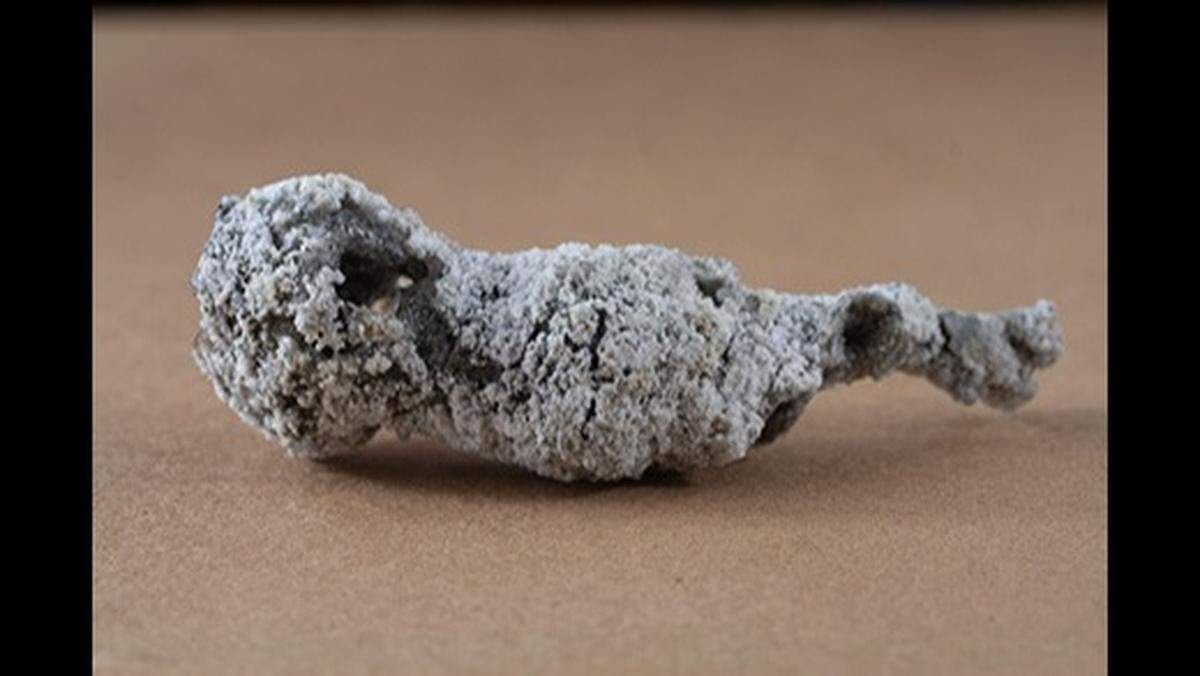
“The two elements led to a chemical reaction that created a fulgurite that looked like a metal ‘glob’,” the scientists reported. “Inside the fulgurite, a colorful, crystal-like matter revealed a material never before discovered.”
Pasek bought just over a pound of the unique fulgurite.
Team co-investigator Tian Feng, a graduate of USF’s geology program, tried to replicate the material in a lab, but the experiment didn’t work, the report states. That led the team to conclude the material “forms quickly under precise conditions, and if heated too long, will turn into the mineral found in meteorites.”
The material has not been “officially declared a mineral,” the report states, but the scientists expect that will happen with continued investigation.
New Port Richey is about 25 miles northwest of Tampa.
This story was originally published April 12, 2023 at 7:55 AM with the headline "Fossilized lightning sold by Florida neighbors may be new type of mineral, study says."