Health care savings now available for millions of Americans. Here’s what to know
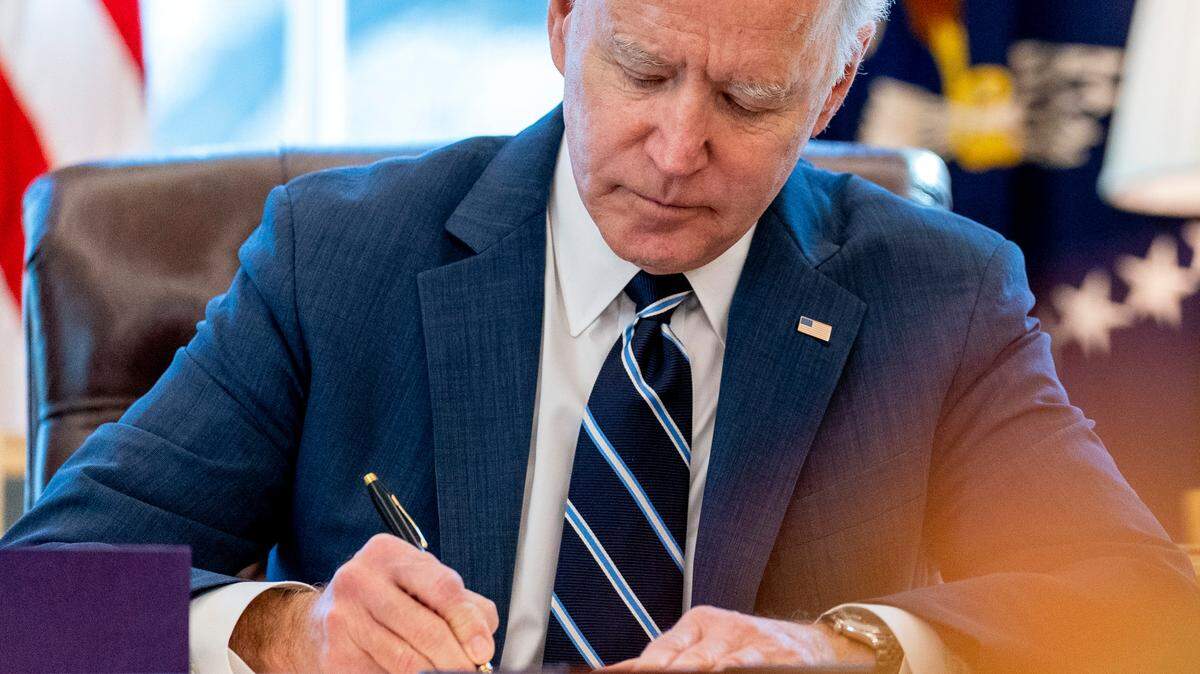
The millions of Americans eligible for increased health care subsidies included in the $1.9 trillion COVID-19 relief package signed into law by President Joe Biden last month can take advantage of the savings starting April 1.
Here’s what to know, including how to get the savings, who is eligible and more.
How to get the subsidies
Those enrolling in Affordable Care Act marketplace coverage on HealthCare.gov can take advantage of the subsidies starting Thursday.
People already enrolled can update their enrollment plans.
Those enrolling should create a Marketplace account to apply for and enroll in coverage if they don’t already have one. A list of everything needed to apply can be found here.
Once an application is submitted, users can see whether they qualify for tax credits for monthly premiums or other savings. Enrollees can then review health care plans and pick the one that works best and pay their premium to get started.
Those who live in states that run their own marketplaces can find more information and enroll here.
The deadline to enroll in marketplace coverage is Aug. 15.
Who is eligible
Almost everyone who buys health insurance through the marketplace is eligible for savings.
The Kaiser Family Foundation found 92% of people who buy their own health insurance are eligible for a subsidy.
“Of that 8% who aren’t getting a subsidy, those are really high income people who would pay less than 8.5% of their income for a premium without a subsidy,” Cynthia Cox, KFF vice president, said during a webinar last month.
Previously, households were required to contribute as much as 9.83% of their income to pay for marketplace insurance premiums, and households with incomes more than 400% above the federal poverty level were not eligible for any tax credits to help pay for coverage.
But under the American Rescue Plan no households — including those with incomes over 400% of the federal poverty level — will be required to contribute more than 8.5% of their income to pay for coverage premiums, according to a fact sheet from the Centers for Medicare & Medicaid Services.
Those earning up to 150% of the federal poverty level will not be required to pay any premiums for a benchmark plan, according to the Center on Budget and Policy priorities. Previously, those earning 100% of the federal poverty level were required to contribute 2.07% of household income for a benchmark plan and those earning 150% had to contribute 4.14%, according to Kaiser.
How the subsidies work
The American Rescue plan includes a temporary increase in tax credits — which only apply in 2021 and 2022 — that will reduce the amount eligible Americans pay in premiums each month.
Here’s how the credits are calculated, per the CMS.
▪ A household’s expected yearly income
▪ The number of people filing taxes together in the household
▪ The “premium amount of the second-lowest cost Silver plan in the consumer’s area in the Marketplace.”
“This is the ‘benchmark’ plan cost used to calculate premium tax credits,” it says. “It’s not related to which plan a consumer actually chooses to enroll in.”
Enrollees can find an estimate of their savings here.
Why it matters
The CMS says premium costs will decrease by an average of $50 a month per person or $85 a month per policy.
“A family of four making $90,000 could see their monthly premium come down by $200 per month,” the White House says.
Four out of five people who enroll will be able to find plans that cost no more than $10 a month after the premium tax credits and half will be able to find a Silver plan for $10 or less a month, according to the U.S. Department of Health and Human Services.
Kaiser found that the number of people eligible for a subsidy has increased by 20% under the American Rescue Plan, mostly among those with incomes above 400% of the poverty level.
It estimates savings could range from $213 each month for those with incomes between 400% and 600% of the federal poverty level to an average savings of $33 per month for those with incomes under 150% of the poverty level.
“Most of the people who are eligible for subsidies are still making below 400% of poverty,” Cox said. “This is still a pretty low income group of people who are buying their own coverage and getting subsidies.”
This story was originally published April 1, 2021 at 4:39 PM with the headline "Health care savings now available for millions of Americans. Here’s what to know."