Biden to unveil his $2 trillion infrastructure plan. How would it be funded?
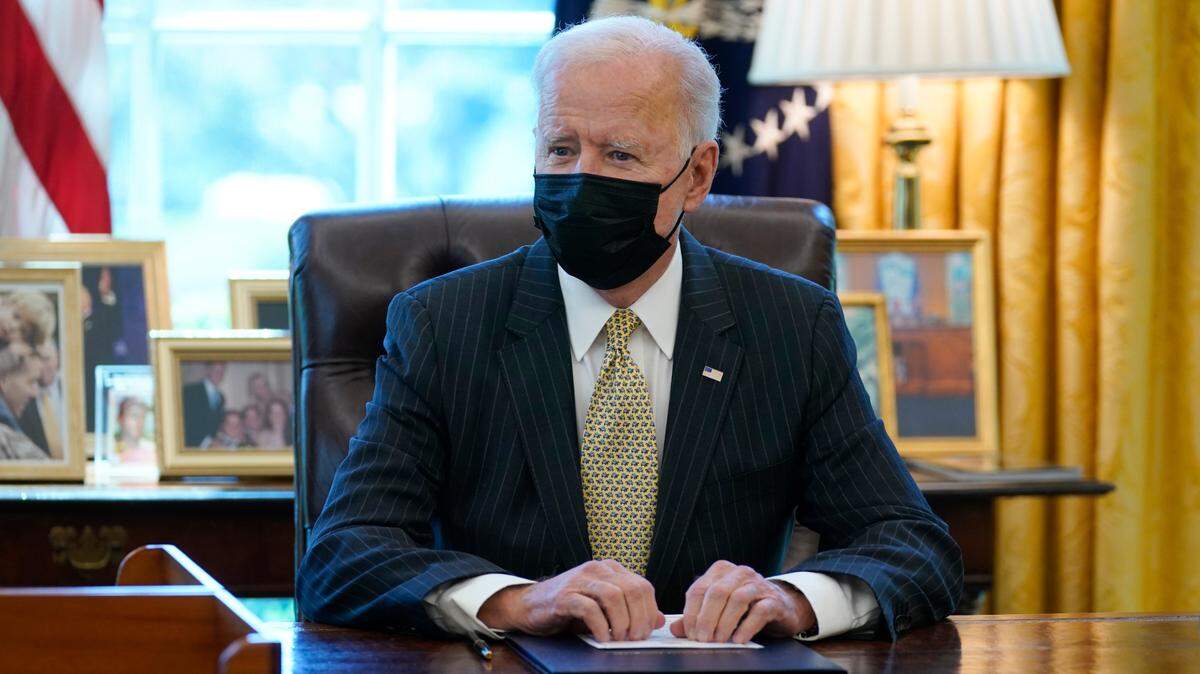
President Joe Biden is set to discuss a sweeping $2 trillion infrastructure plan Wednesday. He’s also proposed changes to the corporate tax code that he says would fund the plan.
Here’s what to know about the tax changes.
What Biden proposed
The president laid out two proposals Wednesday: The American Jobs Plan, which would invest about $2 trillion in infrastructure over the next decade, and the Made in America corporate tax plan, which the White House says would fund the infrastructure plan.
What’s included in the corporate tax changes
▪ An increase in the corporate tax rate: The current corporate tax rate, which was cut under former President Donald Trump in 2017, is 21%. Biden’s proposal would increase it to 28%.
▪ A change to the global minimum tax: The tax code now gives U.S. multinational corporations with “profits and jobs overseas” a tax exemption on the “first ten percent return on foreign assets” and taxes the rest at half the domestic rate, the White House says. Biden’s plan would increase the minimum tax to 21% and “calculate it on a country-by-country basis.”
“It will also eliminate the rule that allows U.S. companies to pay zero taxes on the first 10 percent of return when they locate investments in foreign countries,” the White House says.
▪ Preventing tax havens: Biden’s plan would urge other countries to impose “strong minimum taxes on corporations” to prevent advantages for foreign companies and to prevent countries from serving as tax havens. It would also make it more difficult for U.S. companies to merge with or acquire a foreign company to avoid paying U.S. taxes by “claiming to be a foreign company,” the release says.
▪ Changes to offshoring jobs: The proposal includes a tax credit for “onshoring jobs” and would prevent companies from writing off expenses related to offshoring jobs. It would also eliminate Trump-era tax incentives for “shifting assets abroad.”
▪ Creating a minimum tax for “book income:” Biden’s plan would impose a minimum tax of 15% on “book income,” which is the “income corporations use to report their profits to investors.”
This portion of the plan would affect companies such as Amazon, NBC News reports, that “pay little or no taxes.”
▪ Ending tax preferences for fossil fuels: The proposal does away with what the White House calls “special preferences” for the fossil fuel industry — including federal subsidies, loopholes and foreign tax credits to the tune of billions of dollars.
“The President is also proposing to restore payments from polluters into the Superfund Trust Fund so that polluting industries help fairly cover the cost of cleanups,” the White House says.
▪ Boosting enforcement: Biden’s plan includes investments to allow the Internal Revenue Service to “effectively enforce the tax laws against corporations.”
Why it matters
If passed, the White House says the changes included in the Made in America corporate tax plan would “more than pay for” the $2 trillion American Jobs Plan within 15 years and reduce deficits after that.
“These are key steps toward a fairer tax code that encourages investment in the United States, stops shifting of jobs and profits abroad and makes sure that corporations pay their fair share,” it says.
What the changes would fund
The American Jobs Plan includes sweeping infrastructure proposals, which the White House says will create jobs.
It would invest in transportation-related infrastructure, more “resilient” infrastructure, clean drinking water, digital and power infrastructure and research and development, among other things. It would also work to modernize schools and “address the affordable housing crisis.”
The full proposal can be found here.
“The American Jobs Plan will invest in America in a way we have not invested since we built the interstate highways and won the Space Race,” the release says.
Biden will speak about part of the plan Wednesday afternoon, and White House Press Secretary Jen Psaki told reporters this week that Biden will “lay out his vision for a second package that focuses squarely on creating economy security for the middle class,” in the coming weeks.
Reactions to tax proposal
Biden’s plan has already faced disagreement about how to pay for the plan.
The Business Roundtable — a group of CEOs at American companies — released a statement Tuesday opposing the potential increase in corporate taxes.
“Policymakers should avoid creating new barriers to job creation and economic growth, particularly during the recovery,” Business Roundtable President & CEO Joshua Bolten said in the statement.
Bolten encouraged Congress to “set a course for steady, reliable funding for infrastructure over the long term.”
The U.S. Chamber of Commerce signaled openness to Biden’s infrastructure proposals but considers a corporate tax increase a “non-starter,” Ed Mortimer, the chamber’s vice president of transportation and infrastructure, told The New York Times.
“We believe the administration has opened the door for other ideas to be considered. It’s a legislative process. Whatever the president lays out is not going to be the final bill,” Mortimer said, according to the Times.
But Nicholas Colas — co-founder of DataTrek Research, which provides market insights — said markets never expected Trump’s tax cuts to be permanent, according to MarketWatch.
“Raising them to the old levels would therefore not change our bullish outlook,” Colas said, per the outlet.
Additionally, a Morning Consult/Politico Poll of 2,043 registered voters conducted between March 26-29 found 54% of respondents support funding infrastructure improvements through taxes on those making more than $400,000 a year and through increasing the corporate tax rate.
Biden said earlier in March that he supports a “small to a significant tax increase” for Americans earning more than $400,000 a year.
This story was originally published March 31, 2021 at 12:07 PM with the headline "Biden to unveil his $2 trillion infrastructure plan. How would it be funded?."