NC badly needs bus drivers. High school students once did it. Is that even possible now?
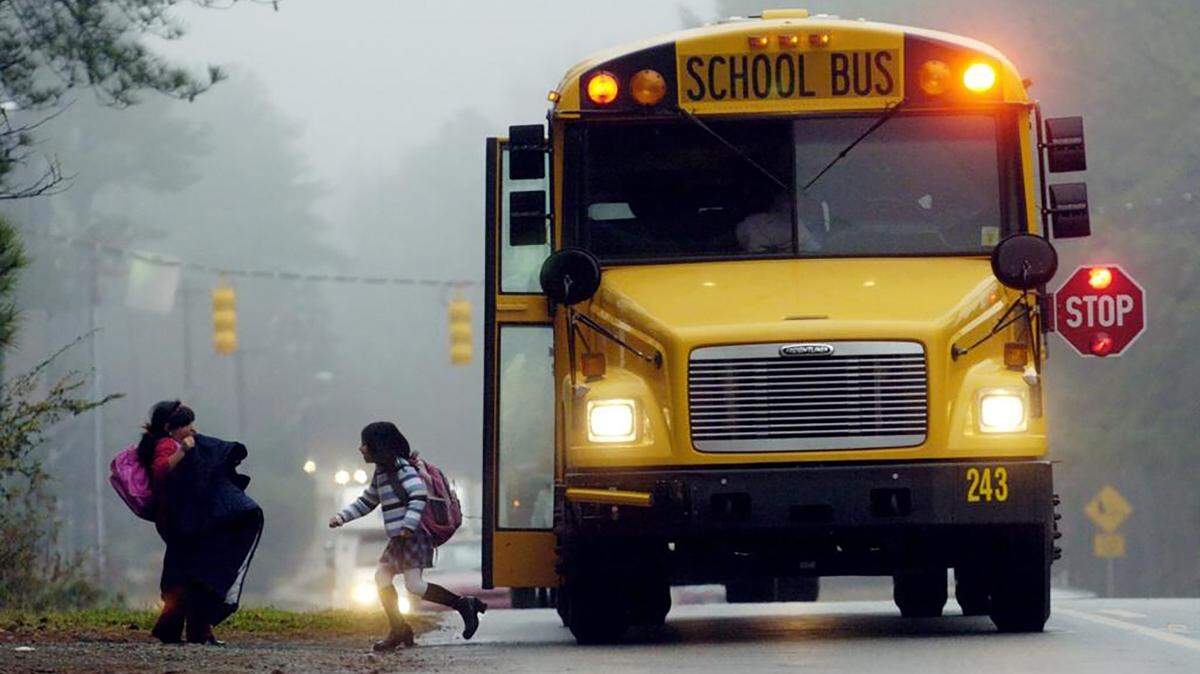
With North Carolina’s need for more school bus drivers continuing to grow, some are wondering whether a potential solution lies in a tradition they remember from years ago: high school students behind the wheel of the bus.
For decades, thousands of teenagers as young as 16 were entrusted with operating yellow school buses.
But federal law, as well as school schedules, means districts can’t turn to their high school students to pick up the slack for the lack of adult bus drivers.
The consequences of losing students as school bus drivers is something that state leaders warned about in 1988, when the U.S. Department of Labor ended the practice in North Carolina and South Carolina.
“It would cause North Carolina some very big problems, and we hope the Department of Labor will send us some bus drivers to go with their order,” Jim Sughrue, a spokesman for North Carolina Gov. Jim Martin, said in a 1988 Associated Press article.
Schools turn to students to drive buses
Students began driving school buses in large numbers in the 1940s due to the shortage on adult manpower during World War II, according to a 1988 report by the N.C. Center for Public Policy Research.
At one time, more than 20 states allowed 16- and 17-year-olds to drive school buses, according to a 1985 Education Week article. Wyoming even allowed 15-year-olds to drive school buses for a time.
But in 1966, Congress amended the Fair Labor Standards Act so that people under the age of 18 could no longer operate school buses. The change triggered a backlash in states such as North Carolina, where nearly 80% of the school bus drivers were under the age of 18.
In response, the U.S. Labor Department allowed states to request annual exemptions to employ 16- and 17-year-olds as school bus drivers. By 1987, NCPPR said only Mississippi, Iowa, Wyoming and the Carolinas were still requesting exemptions.
Unsafe to have students drive buses?
By the 1986-87 school year, 5,000 of North Carolina’s 14,350 bus drivers were under the age of 18, according to the Associated Press. At that point, the Carolinas accounted for most of the nation’s remaining under 18 bus drivers.
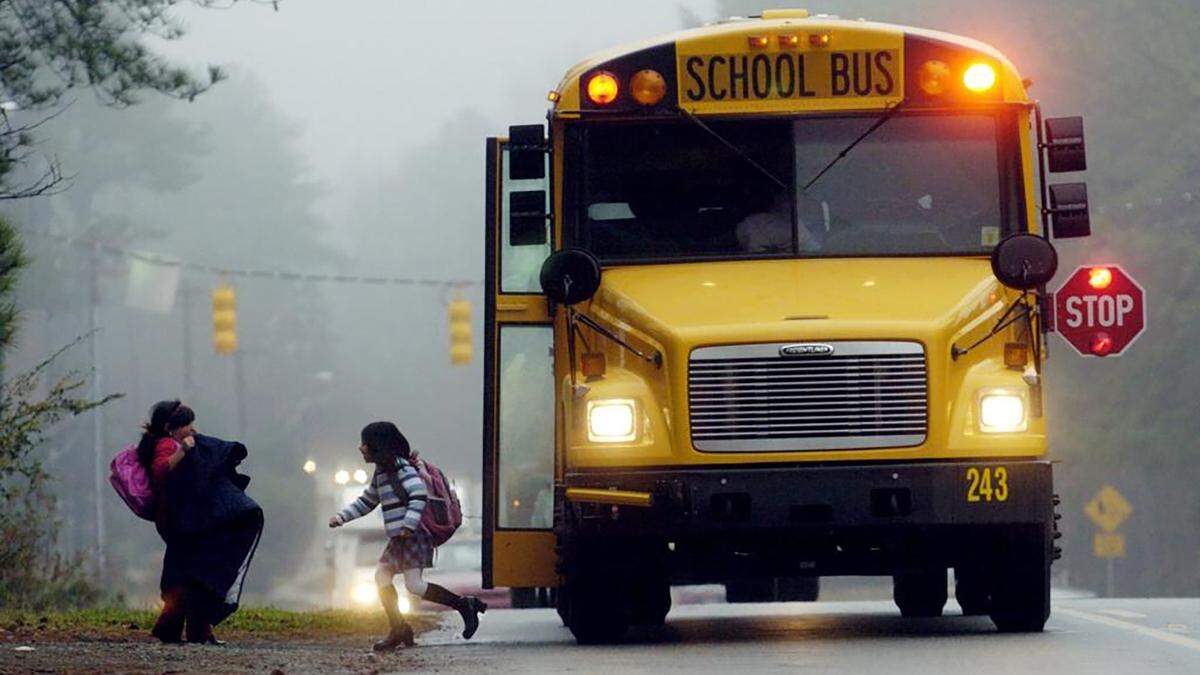
Concerns were rising that it was unsafe to have students drive school buses.
Charlotte-Mecklenburg Schools switched to only using adult drivers because of how students made up 39% of the district’s bus drivers but accounted for 64% of the bus accidents, Education Week reported in 1985.
The U.S. Labor Department barred the use of 16-year-old bus drivers after Dec. 31, 1987.
In February 1988, the U.S. Labor Department announced it would end the exemption for North Carolina and South Carolina to use 17-year-old bus drivers. The change cost North Carolina more than 3,500 bus drivers.
The Labor Department cited issues such as multiple school districts using 17-year-olds who had moving violations. The department also cited the death of a 4-year-old kindergarten student in South Carolina who was run over by a school bus. The bus was driven by a 17-year-old who previously had a speeding ticket on his record.
Adults only driving school buses
The governors of North Carolina and South Carolina fought to save the exemption but eventually agreed to switch to only using adult bus drivers.
“Our pupil transportation system has worked well for many years, but with the actions of the Labor Department and the continued uncertainty of future exemptions it is time to eliminate the question of 17-year-old school bus drivers and move on to other matters,” Gov. Jim Martin said in a 1988 news release.
There are some 18-year-old high school students who would be legally allowed to drive a school bus now. But school districts say it wouldn’t be practical to hire those students.
“Federal law changed in the 1990s to require bus drivers to have a (commercial driver’s license),” Sara Clark, a Wake County school spokesperson, said in an email. “You have to be 18 to get a CDL.
“In addition to lots of our high school students not being old enough to earn a CDL, routes now consist of multiple runs that serve multiple schools, so our 18-year-old students would miss too much instructional time.”
This story was originally published August 10, 2023 at 6:00 AM with the headline "NC badly needs bus drivers. High school students once did it. Is that even possible now?."